



Traditional Silver Bowl
A traditional silver bowl brings historic metalwork into daily use, offering tactile heft and centuries of decorative craft.
Traditional Silver Bowl
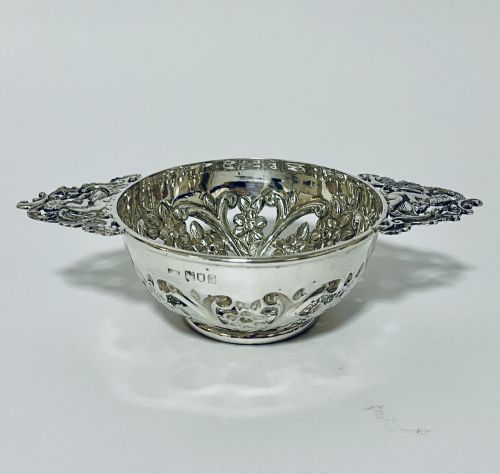
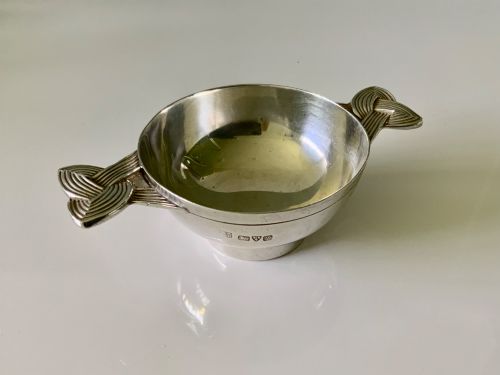
When you search for a traditional silver bowl, you encounter a varied selection of domestic and decorative vessels from different eras and regions. These items span functional forms such as quaichs, wine tasters, and porringers alongside footed bowls.
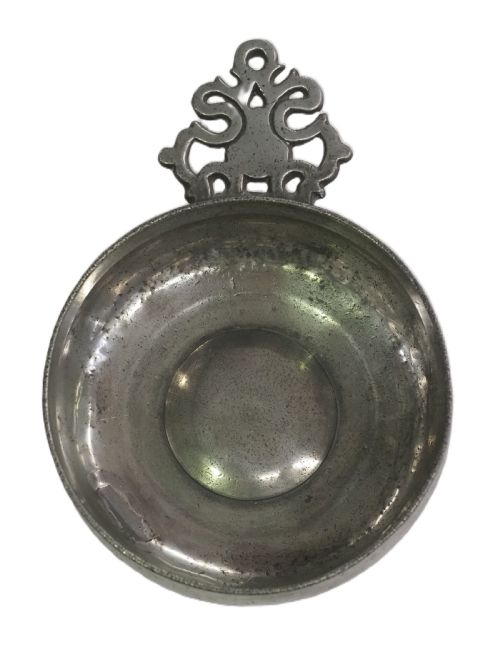
The assortment on this page includes pieces from the Victorian and Edwardian periods, alongside earlier examples like a pewter porringer from seventeen hundred. Regional styles range from Scottish and English designs to Russian cloisonne enamel and Southeast Asian silverwork.
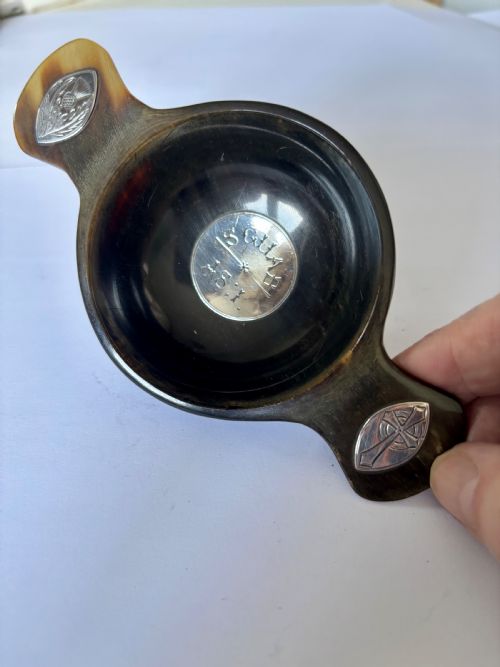
Vessels take many shapes, from novelty barrel-form quaichs to intricate repousse bowls and simple solid silver dishes. Buyers will also find related items including toddy ladles and decorative vessels incorporating natural materials like horn and coquilla nut.
How they were made
Makers shaped sterling silver and solid silver using traditional hand-chasing and repousse techniques to build raised patterns and textured surfaces. Artisans also worked with pewter, natural horn, and coquilla nut, combining metals with organic materials.
Some vessels double as drinking barrels, proving that historic Scots found novel ways to merge livestock horn with silver.
What varies in quality
Quality rests in the crispness of hand-chased ornamentation and the structural integrity of mounts on mixed-material pieces like horn and wood. Superior items display careful proportion and clean execution in repousse work or enamel inlay.
The distinction between standard domestic wares and exceptional items lies in the depth of craftsmanship and the preservation of original maker marks. Finer examples maintain distinct detailing on figures and foliage without excessive thinning of the metal from polishing.
Nathan and Hayes·Mackay and Chisholm
The Traditional Silver Bowl Glossary
- Quaich
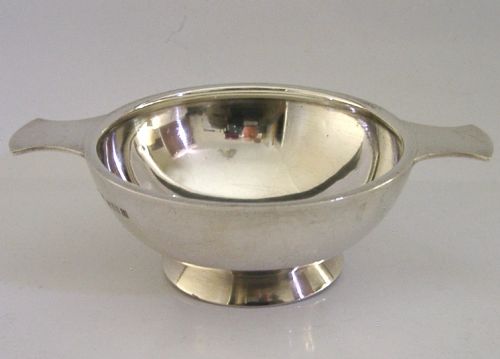
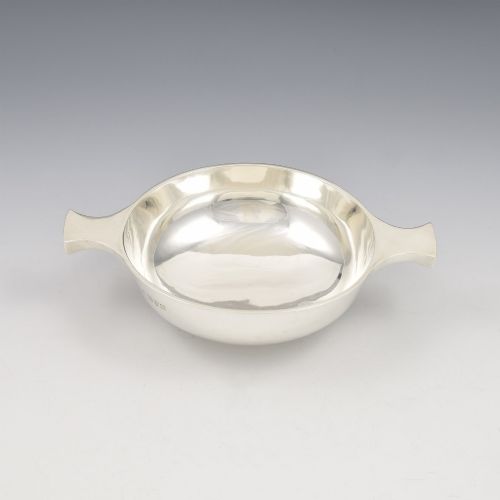
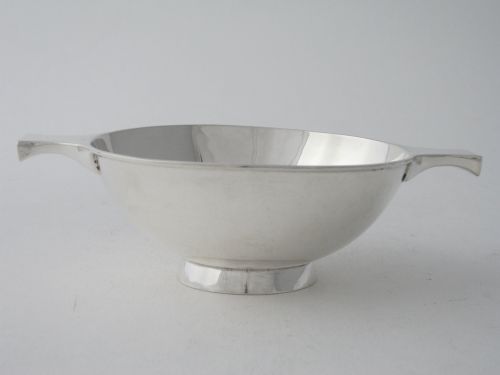
- A traditional Scottish two-handled drinking vessel used for whisky or broth. These shallow bowls often feature formal lugs or handles.
- Repousse
- A metalworking technique where the artisan hammers the design from the reverse side to form a raised pattern on the front. This method creates tactile depth on bowls and vessels.
- Porringer
- A small, shallow bowl with one or two horizontal flat handles, historically used for porage or broth. Pewter and silver examples survive from various centuries.
- Kovsh
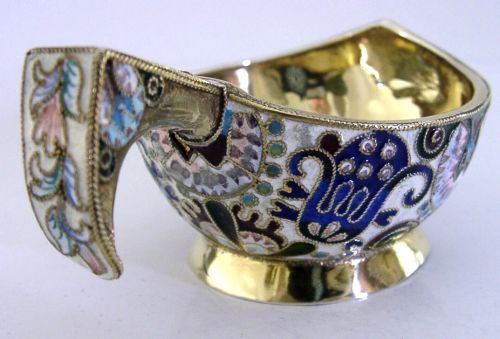
- A traditional Russian boat-shaped vessel with a single flat handle, often richly decorated with enamel and gilt. These pieces served as drinking vessels or ceremonial cups.
- Wine taster
- A small, shallow dish equipped with a loop handle, traditionally used by wine merchants to inspect the clarity and colour of wine. Surfaces are often embossed to catch candle light.
Traditional Silver Bowl: Frequently Asked Questions
What is a traditional silver bowl used for?
These vessels served various domestic purposes over the centuries, from drinking spirits to holding small household items. Many forms, such as quaichs and wine tasters, originated for specific social customs and hospitality.
Today, collectors use them as decorative table pieces or display items. Their varied forms allow them to function as catchalls or centrepieces in modern interiors.
How do I identify an Edwardian silver bowl?
Edwardian pieces generally date from nineteen hundred to nineteen ten, reflecting the decorative tastes of the reign of Edward VII. You can often date them accurately through stamped hallmarks indicating the assay office and year.
The style often draws upon earlier Georgian or classical motifs while employing machinery alongside traditional hand-crafting methods. Look for crisp hallmarks and characteristic Edwardian weight and proportion.
Are silver-gilt bowls different from solid silver?
Silver-gilt refers to solid silver objects that have a thin layer of gold applied to their interior or exterior surfaces. This technique, sometimes called vermeil, protects the silver from tarnishing in certain areas and adds a rich two-tone appearance.
Pieces described simply as solid silver or sterling silver consist of the silver alloy throughout without the gold coating. Both types require similar care regarding gentle cleaning to preserve the metal surface.
How do I care for an antique silver bowl?
Antique silver requires gentle cleaning with non-abrasive cloths and specialised silver polish used sparingly. Avoid harsh scrubbing that can wear away hand-chased details or thin repousse work.
Keep pieces away from direct moisture and sulphur sources to minimise tarnishing. Regular handling and soft dusting help maintain the natural lustre of older metal surfaces.