
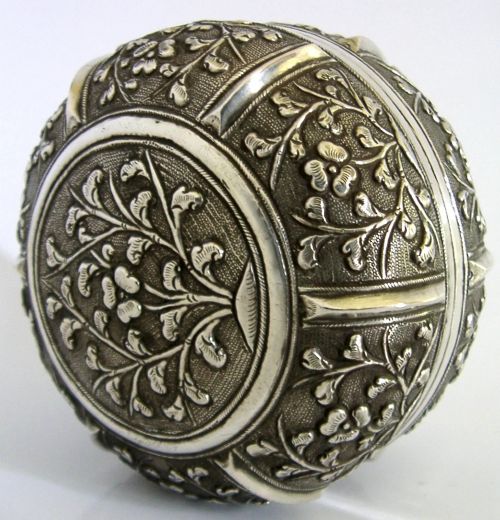


Asian Silver Repousse
Asian silver repousse brings heavy, hand-hammered relief work from across the East directly to your table.
Asian Silver Repousse
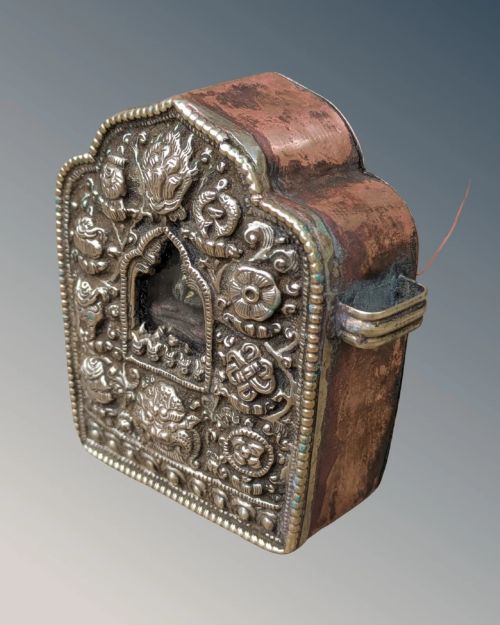
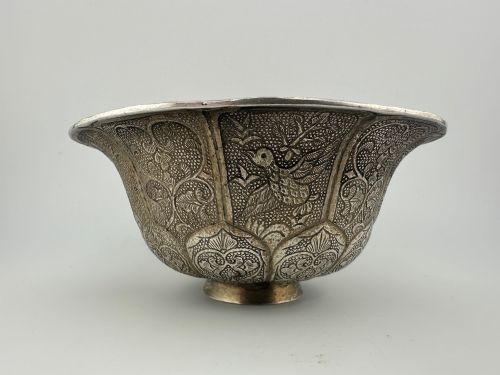
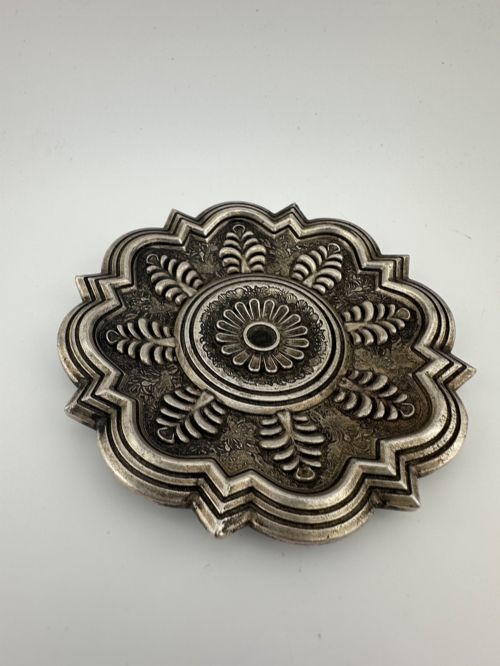
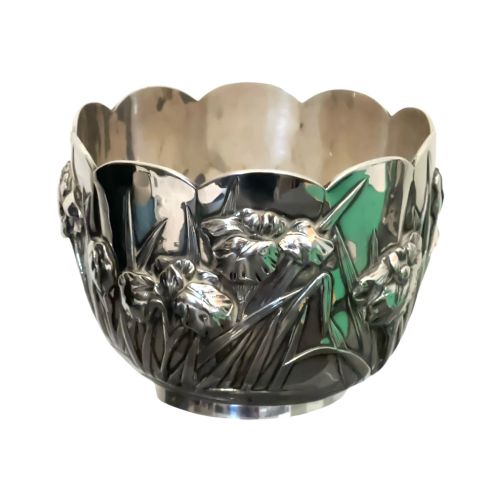
Asian silver repousse items encompass decorative bowls, dishes, trinket boxes, jugs, ewers, and vases created across various eastern regions. When you search for asian silver repousse, you encounter hollowware and small containers shaped by regional silversmiths from the nineteenth and early twentieth centuries.
The objects frequently display stylistic influences from Chinese export, Meiji, Thai, Anglo-Indian, Indo-Tibetan, and Burmese traditions. Most pieces you meet on this page date from the late nineteenth century up through the nineteen-twenties, often utilising silver, white metal, or solid silver.
Forms range from simple footed bowls and lotus dishes to ceremonial ritual ewers and lidded boxes. Many pieces incorporate organic elements such as wood, cherry wood, or gilt highlights to complement the hammered metalwork.
What varies in quality
The depth and crispness of the hammer work define the visual strength of each piece, distinguishing flat ornamentation from sharply articulated relief. Crisp detailing in figures, floral elements, and dragon scales demonstrates superior mastery by the silversmith.
The weight of the metal and the integrity of construction, especially where silver meets wood or handles attach, determine structural merit. Pieces that retain their original form without distortion and exhibit careful finishing across both interior and exterior surfaces hold greater distinction.
Luen Hing
The Asian Silver Repousse Glossary
- Repousse
- A metalworking technique where the artisan hammers the design from the reverse side to form a raised relief on the front. This method creates tactile depth on bowls and boxes.
- Chasing
- Working the metal from the front side using punches and hammers to refine lines and add surface detail after repousse shaping. It brings clarity to figures and foliage.
- White metal
- An alloy resembling silver used widely in export wares across Asia during the nineteenth and twentieth centuries. It provides a durable base for intricate repousse decoration.
- Niello
- A black metallic alloy used as an inlay on engraved or chased metal surfaces to form contrasting designs. It appears frequently on pieces originating from Siam.
- Ewer
- A large jug with a wide spout and handle, traditionally used for pouring water in ceremonial or ritual contexts. These vessels often feature elaborate chased motifs.
Asian Silver Repousse: Frequently Asked Questions
How do I clean asian silver repousse?
Use a soft brush and mild soapy water to gently remove dust from the recesses of the repousse relief work. Avoid harsh abrasive polishes that can wear down the raised silver details over time.
Pat the piece completely dry with a lint-free cloth after washing. Storing the item in a dry environment helps prevent natural tarnish from building up too quickly in the deep crevices.
What is the difference between white metal and solid silver?
Solid silver contains a high proportion of pure precious metal, whereas white metal refers to various silver-coloured alloy compositions used in export pieces. Both materials received the same skilled repousse hammer work.
Checking for hallmarks or testing the metal density can help determine the exact composition. Many authentic export pieces utilised white metal to achieve lower production costs while maintaining artistic detail.
How can I date an antique silver bowl?
Examine the style of the decoration, the manufacturing marks, and any associated maker stamps for clues about the origin period. Pieces from the Meiji era or the early twentieth century often display distinct regional motifs.
Compare the construction methods and wear patterns with documented examples from the same geographical region. Gradual surface softening from past handling indicates age and regular use.
Were these items meant for daily use or display?
Many objects such as trinket boxes, small dishes, and decorative bowls served practical household functions alongside their aesthetic appeal. Ewers and ceremonial vessels held specific ritual purposes in their regions of origin.
Over time, these functional items became valued decorative objects for collectors worldwide. Today, they fit well as accent pieces on sideboards or within glass cabinets.