


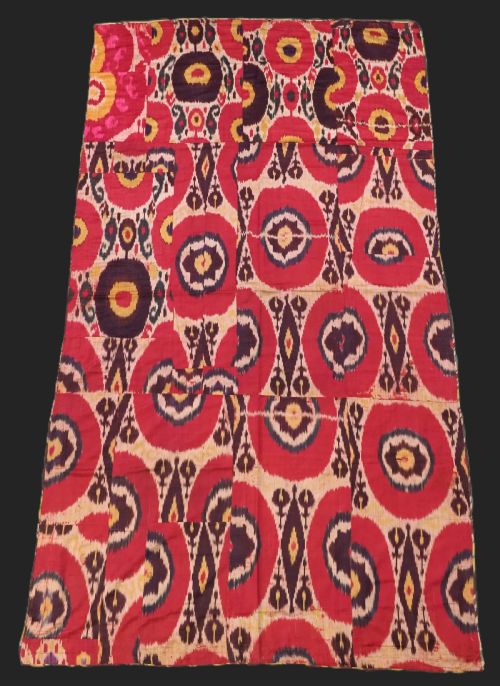


Traditional Silk Embroidery
Traditional silk embroidery gathers needlework from Central Asia, India, and China, offering wall hangings, ceremonial coats, and panel textiles stitched with luminous threads.
Traditional Silk Embroidery
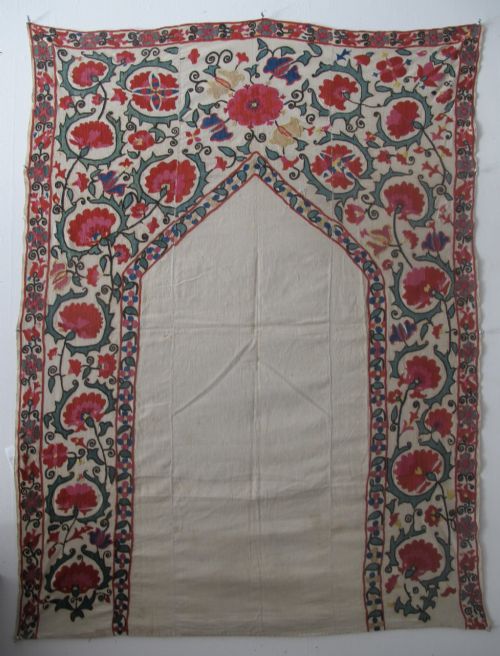
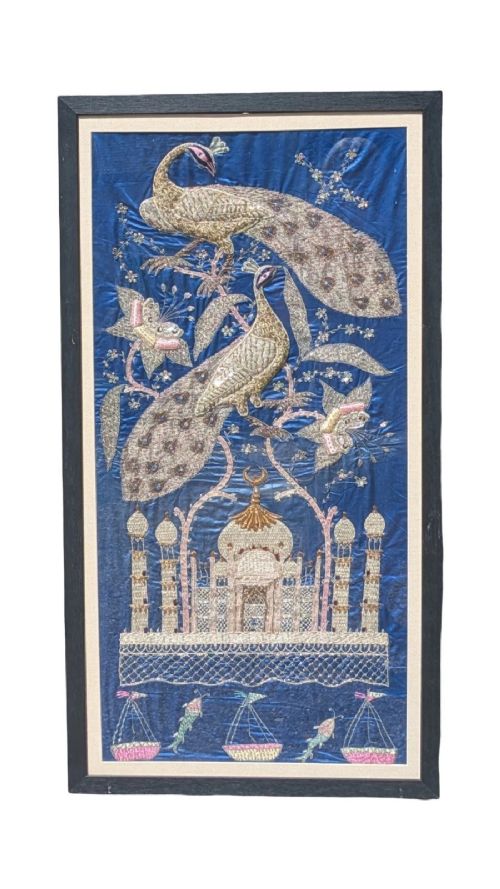
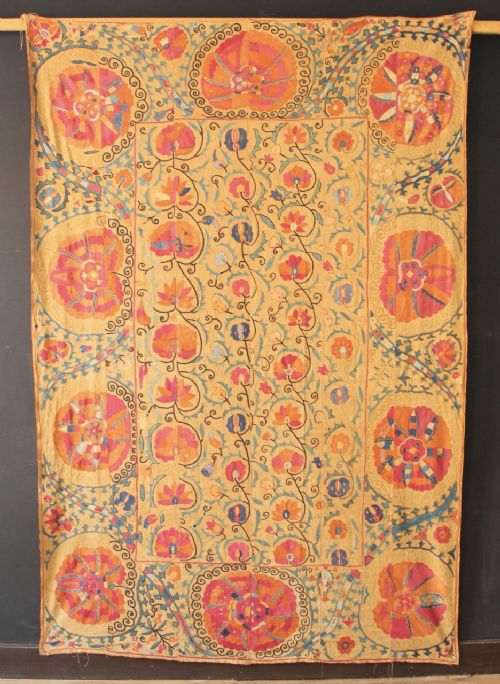
Traditional silk embroidery encompasses historical wall hangings, bed covers, mirror covers, and garments originating primarily from Central Asian regions like Uzbekistan, alongside examples from India, China, and Greece. Buyers searching this phrase meet decorative textiles that function as focal points in a room, often taking the form of large regional suzanis or framed panels.
What varies in quality
Quality rests in the density of the needlework and the complexity of the design layout, where full work panels display a greater coverage of silk thread than lighter compositions. The precision of the stitched motifs and the harmony of the original dye colours determine the visual depth of the textile.
The integrity of the ground fabric and the survival of delicate elements like metal thread brocade work or mirror covers influence the overall standard of preservation. Regional distinction also plays a role, with specific workshops and tribal groups demonstrating more intricate execution in their floral and medallion variants.
Traditional Silk Embroidery Retail Price Guide 2026
Typical asking prices for traditional silk embroidery among the pieces listed under this phrase on Sellingantiques today, from the lower quarter to the upper quarter. They describe what is for sale here now, not the wider market.
Listings feature textile arts spanning the mid-nineteenth century through the early twentieth century, encompassing cotton, wool, velvet, and silk materials.
The Traditional Silk Embroidery Glossary
- Suzani
- A large embroidered tribal hanging from Central Asia, traditionally stitched by brides as part of their dowry. These textiles typically feature bold floral vines, medallions, or architectural layouts.
- Adras
- A traditional hand-woven fabric made with a silk warp and a cotton weft, commonly utilised as a ground material for embroidery. It provides a sturdy yet lustrous foundation.
- Chyrpy
- A women's ceremonial coat from Turkmenistan, heavily embroidered around the upper torso and sleeves with distinctive geometric or floral patterns. They were worn thrown over the shoulders during public outings.
- Appliqué
- A needlework technique where pieces of fabric, such as felt or silk, are stitched onto a larger background material to form patterns. This method adds textural relief to the surface design.
- Lilgich
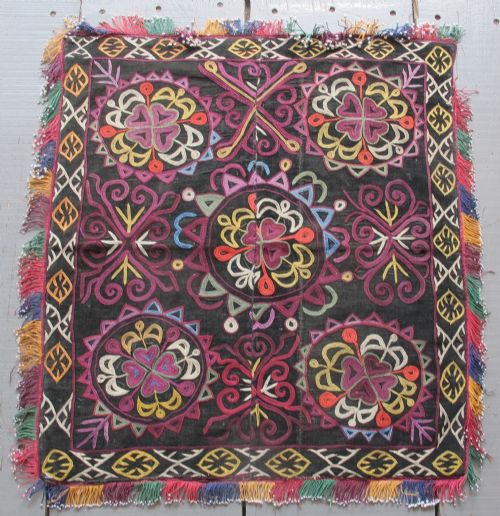
- A specific type of small hanging or cover associated with Lakai Uzbek embroidery, often characterised by dynamic tribal motifs. These pieces showcase precise needlework on contrasting wool or cotton grounds.
Traditional Silk Embroidery: Frequently Asked Questions
How were suzanis used originally?
Suzanis served primarily as ceremonial wall hangings, bed covers, and dowry items within Central Asian households. Families displayed them during weddings and other significant domestic celebrations.
Over time, these textiles functioned to adorn living spaces, wrap household goods, or serve as protective covers for mirrors and personal items.
How do I care for antique silk embroidery?
Protect antique silk textiles from direct sunlight to prevent the natural dyes from fading over time. Keep them in stable environments away from excessive humidity.
Mount wall hangings professionally using breathable sleeves or archival framing methods that avoid putting direct tension on fragile threads or ground fabrics.
How can I tell regional suzani styles apart?
Regional styles reveal themselves through distinct colour palettes, background fabrics, and motif arrangements. Tashkent pieces often show dense full work embroidery, while Bokhara examples favour spacious floral medallions.
Tribal groups like the Lakai incorporate smaller geometric variants and distinct stitch rhythms on red wool or cotton grounds.