





Traditional Serving Tray
These traditional serving tray options range from folding butler tables to copper chargers, offering both practical service and period character.
Traditional Serving Tray
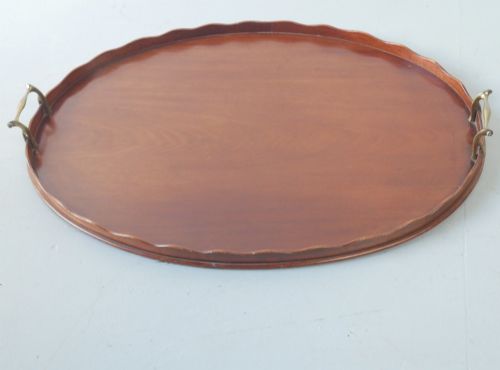
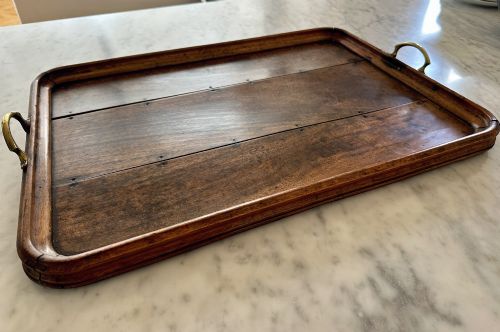
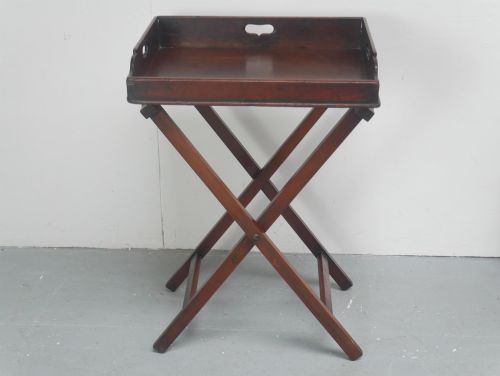
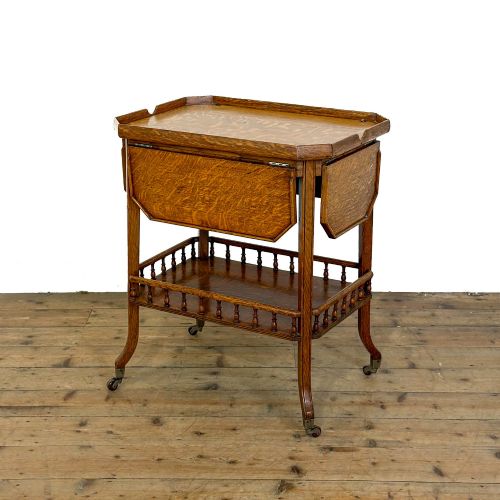
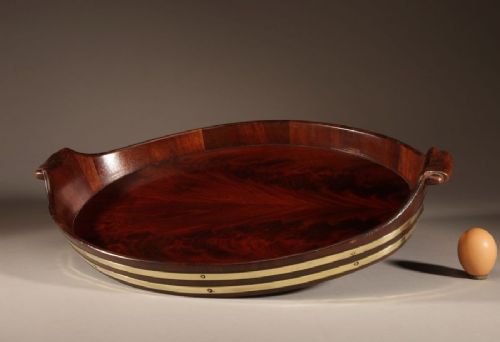
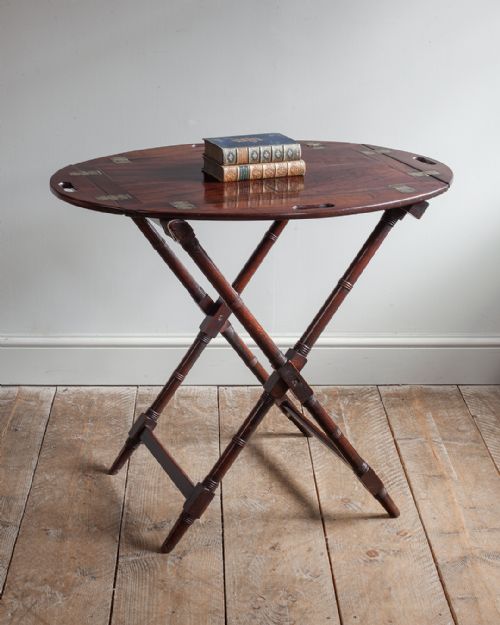
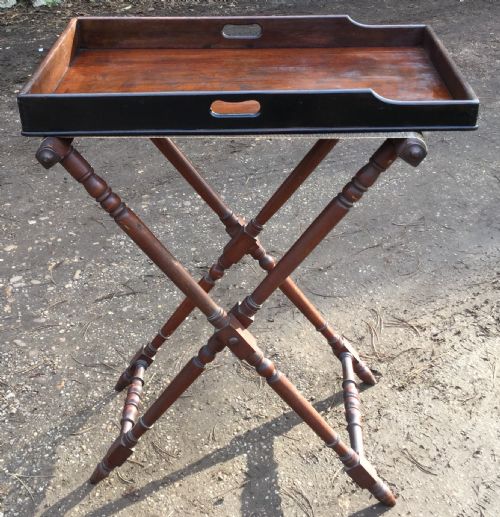
A traditional serving tray encompasses portable timber platters, silver-plated salvers, and folding butler tables designed for domestic hospitality. The selections here most commonly feature mahogany or oak butler trays resting on folding stands, alongside occasional tea trolleys and decorative regional pieces.
Examples stretch from the Georgian period through the Victorian and Edwardian eras into the early twentieth century. Buyers encounter sturdy timber constructions intended for daily service as well as ornate copper and silver presentations meant for display.
How traditional serving tray items were made
Cabinetmakers utilised solid timbers such as mahogany, oak, walnut, and ash wood, often shaping raised edges to secure glassware and china during transit. Coopered techniques appear in rounded designs, while other items incorporate canvas webbing or brass fittings for structural support and handles.
Metal alternatives utilise silver plate, brass, and engraved copper, featuring detailed hand-tooled rims and engraved surfaces. Wood pieces frequently display carved detailing, particularly on regional Kashmiri walnut and English country items.
Traditional Serving Tray Retail Price Guide 2026
Typical asking prices for traditional serving tray among the pieces listed under this phrase on Sellingantiques today, from the lower quarter to the upper quarter. They describe what is for sale here now, not the wider market.
Listings span the Georgian, Victorian, and Edwardian periods, employing mahogany, oak, silver plate, and engraved copper.
What varies in quality
Quality rests upon the selection of timber grain, the crispness of hand-carved or engraved decoration, and the integrity of the joinery. Superior examples maintain original stands that match the exact patina and timber species of the tray above.
Plain utility pieces differ from decorative presentation items by the depth of metal engraving or the complexity of the gallery rail. The preservation of original surface finishes and functional folding mechanisms distinguishes better survivals.
The Traditional Serving Tray Glossary
- Butler tray
- A portable wooden tray with hinged or cutout sides, traditionally lifted off its folding stand to serve guests directly.
- Salver
- A flat metal plate or tray, typically silver-plated, used for presenting drinks, letters, or calling cards.
- Treen
- Small domestic wooden objects made by turning or carving, such as platters and bowls.
- Coopered
- Constructed from vertical wooden staves fitted together and bound with metal or wooden hoops, similar to barrel-making.
Traditional Serving Tray: Frequently Asked Questions
How were butler trays used?
Butler trays served as portable surfaces for carrying food and beverages from the kitchen to the dining room or drawing room. Once brought to the guests, the tray stayed on its folding stand to act as a temporary side table.
Over time, these versatile items moved from service duty into general living spaces as coffee tables or occasional stands.
What is a tea trolley?
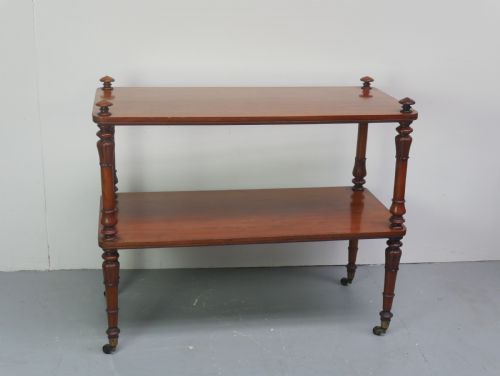
A tea trolley is a small wheeled cart with multiple tiers designed to transport tea services and refreshments across a home. They gained popularity in the Edwardian period for easy domestic service.
The tiers provided designated space for teapots, cups, and plates without requiring multiple journeys by staff.
How do I date a mahogany tray?
Dating a mahogany tray involves examining the timber grain, construction joints, and the style of the handles or gallery rails. Georgian and Victorian pieces often show hand-cut dovetails and deep, aged patination.
Later reproductions or revival pieces use machine-cut elements and lack the natural wear patterns accumulated over centuries of use.
Can these trays be used daily?
Most wooden and metal pieces are robust enough for daily use if handled with reasonable care regarding moisture and heat. Using protective mats preserves the antique polish and timber surfaces.
Folding stands should be checked periodically to ensure the hinges and webbing remain secure under weight.