
Traditional Seating
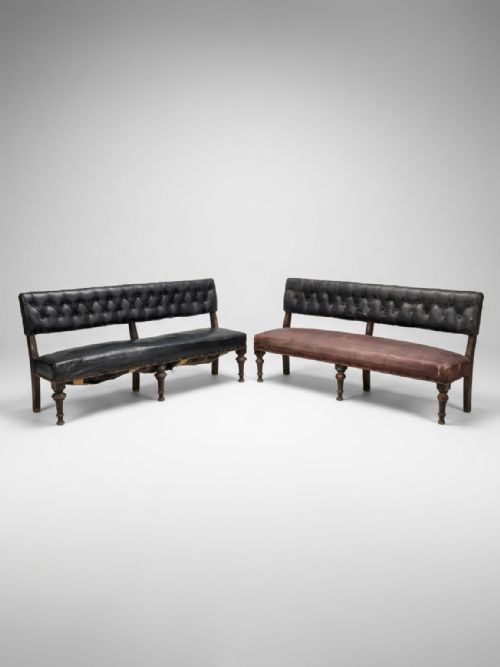
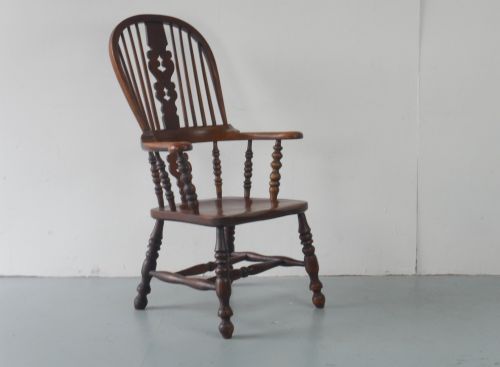
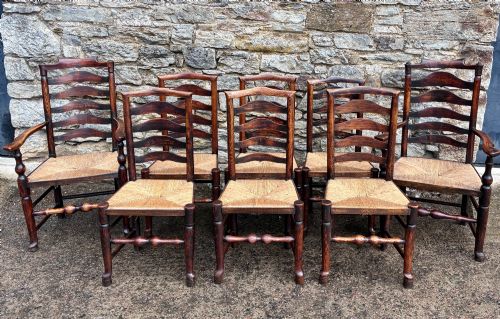
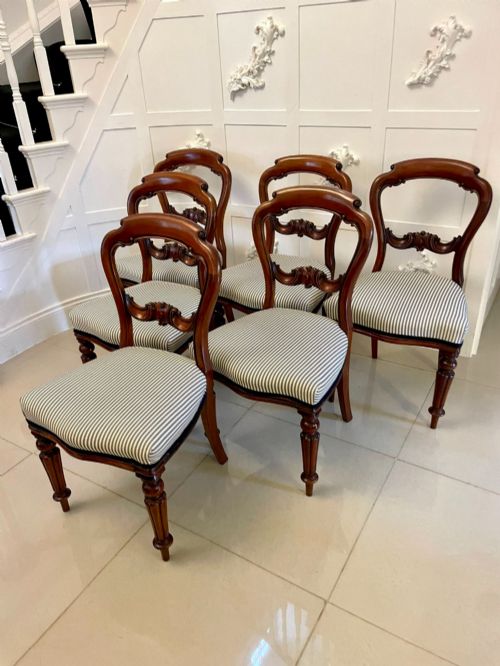
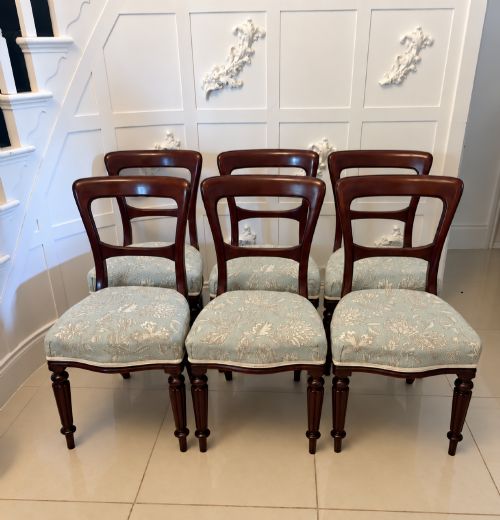
Traditional seating covers everything from heavy oak settles and ladder backs to mahogany dining chairs and Windsor armchairs designed for daily use.
Traditional Seating
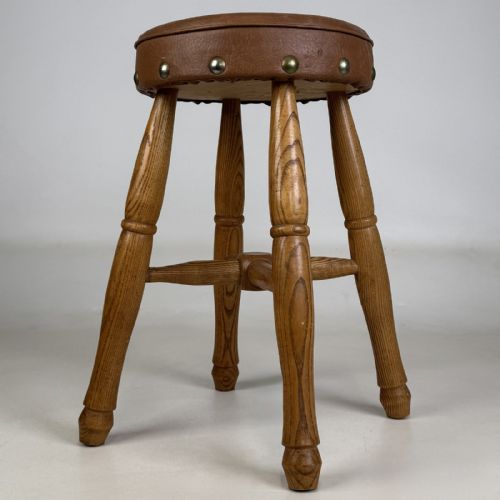
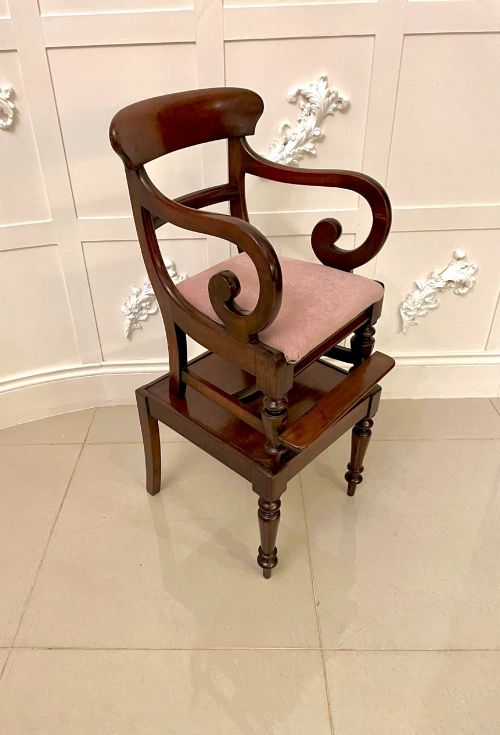
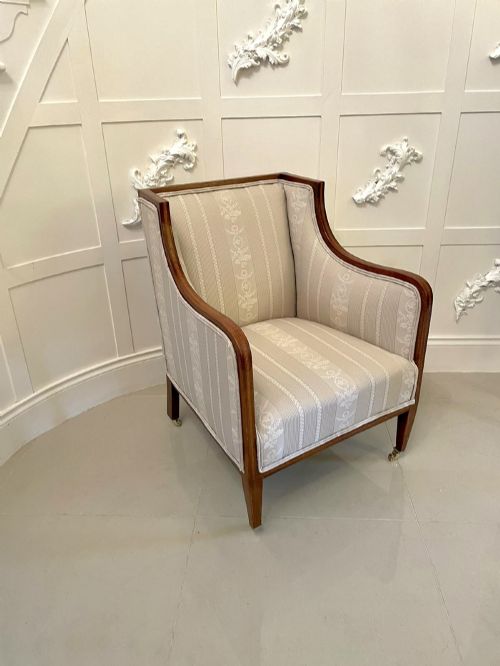
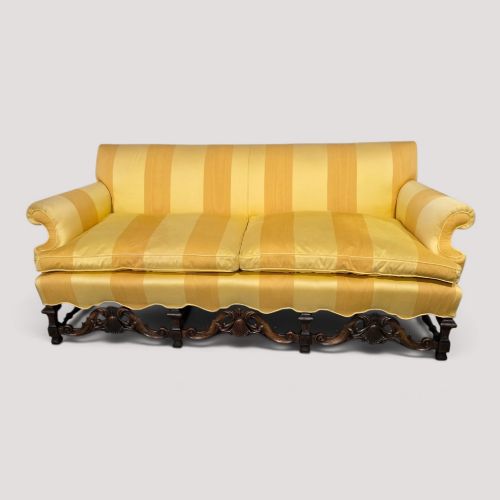
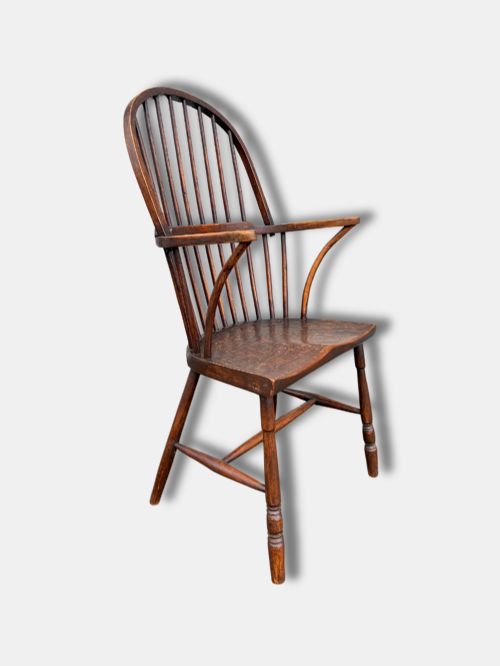
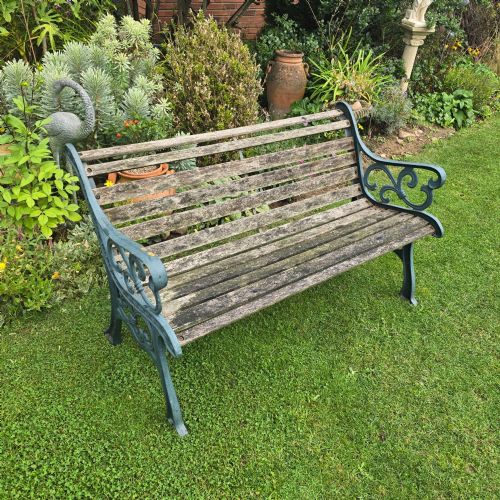
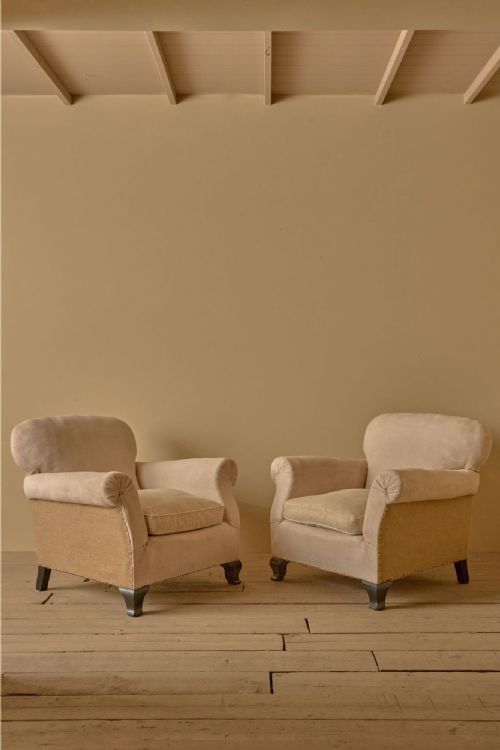
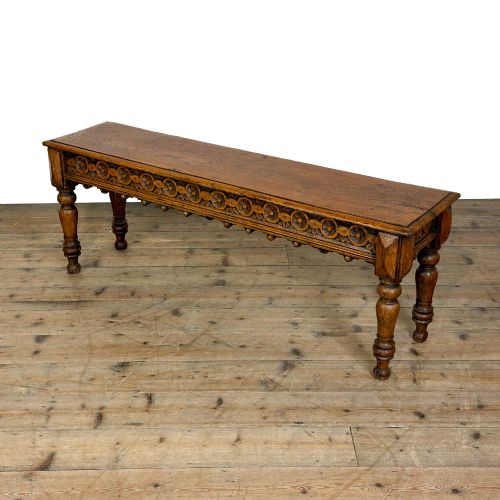
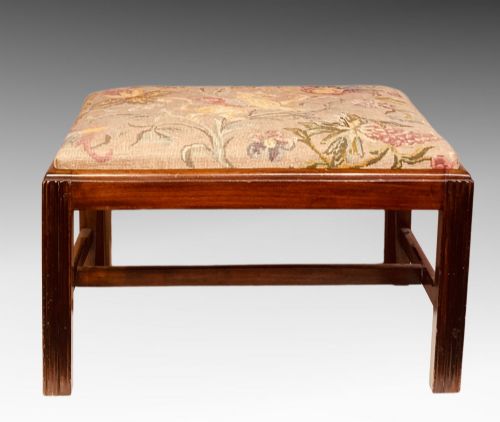
Traditional seating spans centuries of domestic life, taking forms such as dining chairs, armchairs, hall chairs, benches, and settees. The pieces recorded here range from primitive hoop back Windsor chairs and elm smokers bows to formal mahogany dining sets and oak refectory seating.
Buyers meet a heavy representation of Victorian and 1920s examples alongside Georgian, Regency, and Edwardian pieces. Country forms in elm, beech, and ash sit alongside formal mahogany furniture designed for the dining room or hall.
How they were made
Makers utilised solid timbers including mahogany, oak, elm, beech, ash, and yew wood, shaping them into frames and spindles. Construction methods rely on traditional joinery such as mortise and tenon joints, turned spindles, and steam bending for curved components like hoop backs.
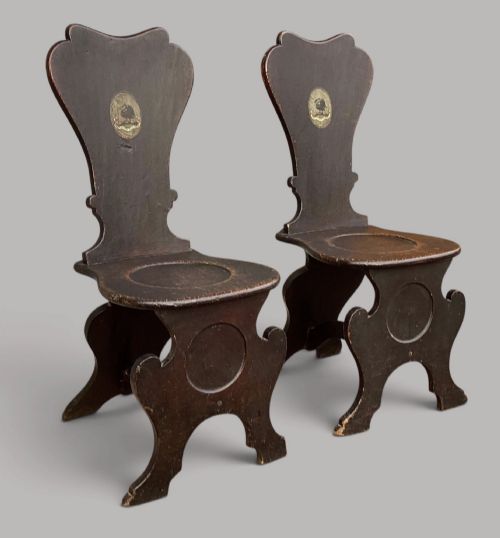
Surface finishes involve polished mahogany, painted armorial details on oak hall chairs, and original board seats in country settles. Leather upholstery and cane work appear on specific seating types alongside plain timber surfaces.
Listings feature periods spanning from the 18th century through the Georgian, Regency, Victorian, and Edwardian eras up to the 1930s.
What varies in quality
The distinction between ordinary and exceptional seating lies in timber selection, such as burr walnut or Cuban mahogany, and the crispness of carved details. Matching sets of twelve or eight dining chairs demonstrate greater consistency in design and material quality than assembled groups.
Regional craftsmanship, visible in Thames Valley Windsor chairs or High Wycombe production, influences desirability. Original surfaces and untouched patination elevate pieces above those with modern alterations.
The Traditional Seating Glossary
- Windsor chair
- A wooden chair featuring a solid timber seat into which the legs and back spindles are wedged directly. These country pieces often incorporate elm, beech, and ash.
- Ladder back
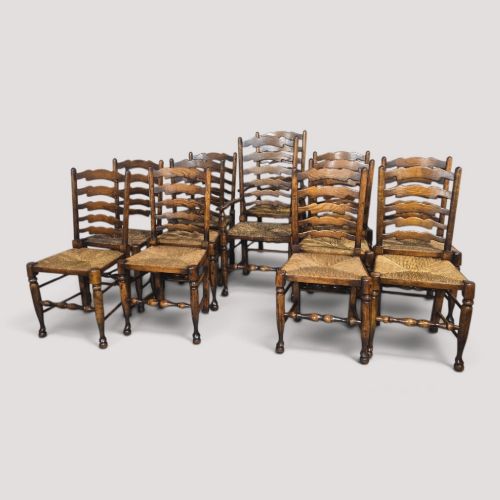
- A chair back constructed with horizontal slats or rails between two upright posts. This form appears frequently in dining sets.
- Settle
- A wooden bench with high backs and arms, designed to block draughts in domestic interiors. Pub settles often feature solid board seats.
- Scabello
- An Italian Renaissance chair form adapted in later periods, featuring flat sides acting as legs and an upright back. The evidence includes oak examples with painted armorials.
- Carver
- An armchair designed to match a set of dining chairs, usually placed at the head of a table. These appear frequently in large mahogany dining sets.
Traditional Seating: Frequently Asked Questions
What is a smoker's bow armchair?
A smoker's bow is a low back Windsor chair with a rounded arm rail supported by turned spindles. It combines comfort with sturdy country construction.
These pieces typically utilise elm and beech, serving as practical seating for everyday domestic spaces.
How do I identify a Windsor chair?
A Windsor chair has a thick wooden seat that acts as the central hub for all other components. Legs and back spindles fit directly into bored holes.
Regional variations include hoop backs and low backs fashioned from ash, elm, and beech.
What distinguishes a hall chair?
Hall chairs are rigid wooden seats intended for entrance halls rather than prolonged lounging. They often feature carved or painted wooden backs.
Examples recorded include mahogany and oak versions, sometimes bearing armorial painted decoration.
Are dining chairs sold as sets?
Dining chairs frequently appear in matched groups numbering from six up to twelve pieces. These sets often include a pair of matching carver armchairs.
Mahogany and oak dominate these larger dining room configurations across Victorian and later periods.