


Traditional Seating Pair
A traditional seating pair brings matched historical presence to a room, offering enduring comfort and craftsmanship from eras spanning the Georgian period to the early twentieth century.
Traditional Seating Pair
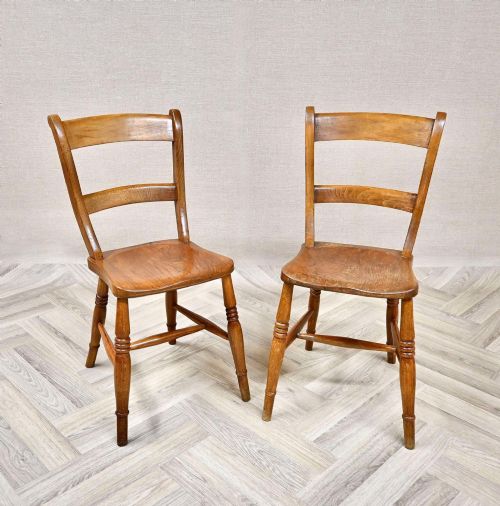
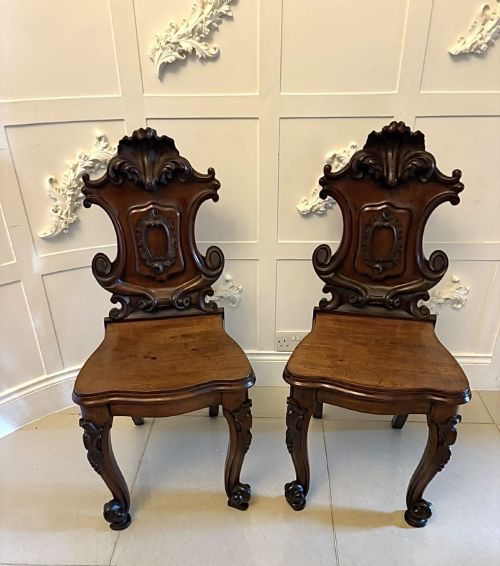
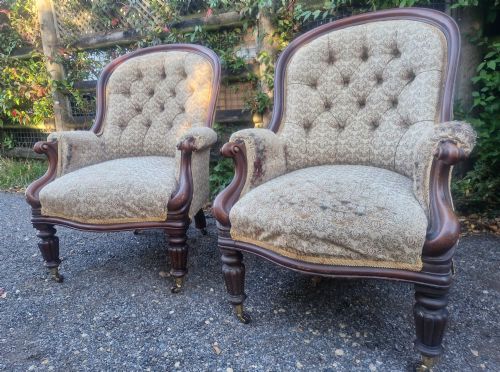
A traditional seating pair encompasses matched sets of chairs, benches, and stools designed for domestic and formal use across multiple historical epochs. Buyers searching for a traditional seating pair will most frequently encounter nineteenth-century Windsor kitchen chairs, Victorian mahogany hall chairs, and twentieth-century bergère armchairs.
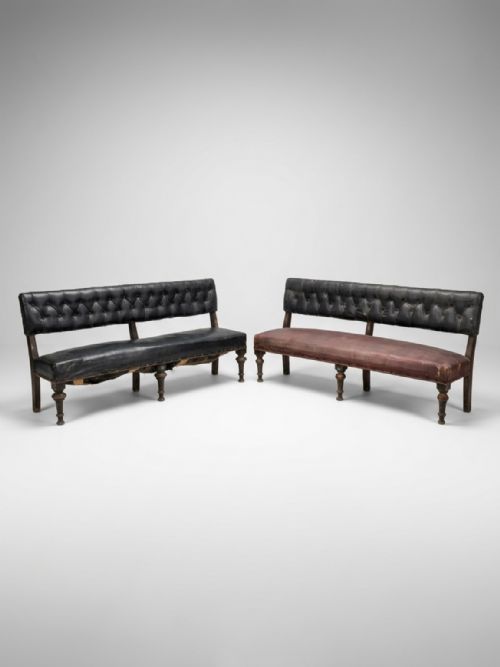
The selections span distinct domestic functions, ranging from high-backed Windsor carvers and rustic elm benches to library armchairs and leather club chairs. Formations incorporate English country styles, French Napoleon III models, and Gothic Revival influences alongside formal Georgian and Regency interpretations.
Origins vary from vernacular English workshops to French salons and Swedish studios, utilising local hardwoods and specialised regional joinery. Each matched pair reflects the social customs of its period, whether providing upright support in a hallway or deep comfort in a morning room.
Materials and construction methods
Timbers form the structural foundation of these pieces, with robust native woods like oak, elm, beech, and walnut selected for frames, spindles, and legs. Mahogany and satin birch provide finer cabinet-making surfaces for formal library and drawing room models.
Joinery techniques rely on traditional methods such as pegged mortise and tenon joints, steam-bent components, and turned spindle construction visible in Windsor frameworks. Caning, split cane, leather, calico, and buttoned fabric supply the upholstered and woven seating surfaces.
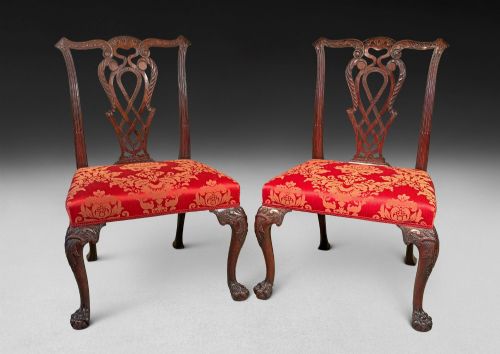
Decorative detailing incorporates hand-carved motifs, painted armorials, brass accents, and cabriole legs that define specific stylistic revivals from the Queen Anne to the Chippendale manner.
Traditional Seating Pair Retail Price Guide 2026
Typical asking prices for traditional seating pair among the pieces listed under this phrase on Sellingantiques today, from the lower quarter to the upper quarter. They describe what is for sale here now, not the wider market.
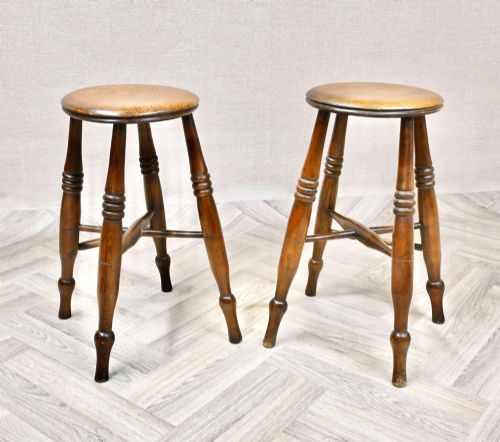
Object types recorded in the inventory span Windsor kitchen chairs, bergère armchairs, hall chairs, and tall bar stools.
Distinctions in construction and provenance
The upper tier of these pieces displays superior timber selection, such as figured walnut or dense old-growth elm, paired with meticulous hand-carving and intact original joinery. Finer examples maintain the integrity of their structural pins, turned elements, and applied decorative finishes without excessive modern intervention.
Maker attribution distinguishes exceptional commissions from standard regional output, with recorded workshops providing documented provenance and refined proportions. Lesser examples exhibit heavier secondary timbers, replacement stretchers, or mismatched components accumulated through practical use over generations.
Whytock and Reid·Charles Tozer·Howard and Sons
The Traditional Seating Pair Glossary
- Windsor chair
- A wooden chair constructed with a solid saddle-shaped seat into which separate legs and back spindles are wedged. This form developed deep roots in English country kitchens and rural workshops.
- Bergère
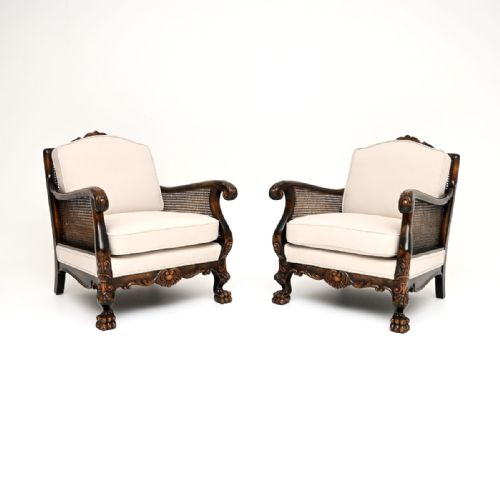
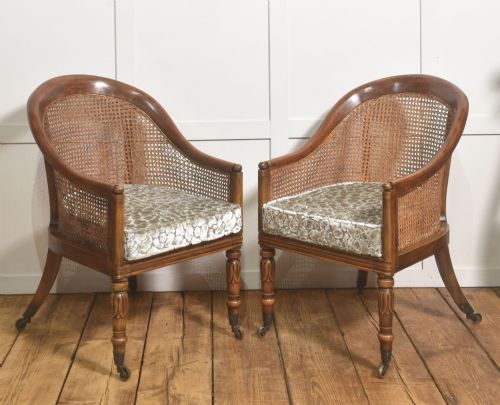
- An enclosed upholstered armchair with wooden framing exposed around the sides and back, frequently incorporating cane work. Originating in France, these seats gained popularity during the early twentieth century.
- Cabriole leg
- A furniture leg that curves outward at the knee and tapers inward toward the foot, mimicking animal limbs. This profile appears frequently on walnut and mahogany seating from revival periods.
- Scabello
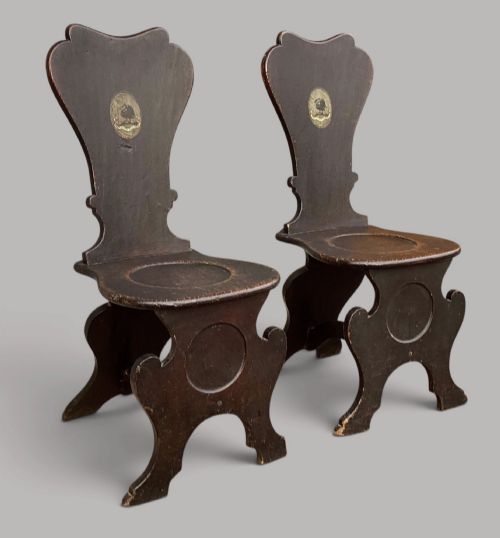
- A light, portable wooden chair with a solid panel back and splayed legs, often featuring painted or carved armorials. These Italian-inspired forms date back to earlier historical revivals.
- Stickback
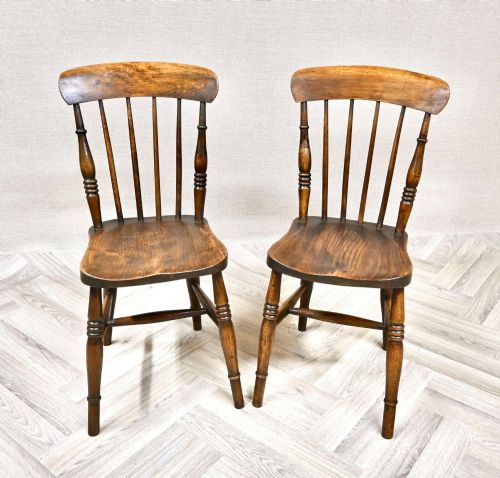
- A chair back constructed from multiple plain vertical wooden spindles secured into a bentwood bow or rail. This minimalist vernacular design is common in kitchen and Windsor seating.
Traditional Seating Pair: Frequently Asked Questions
What defines a traditional seating pair?
A traditional seating pair consists of two matched chairs, stools, or benches created during the same historical period using conventional materials and techniques. These items share unified stylistic traits, dimensions, and materials, designed to function together within a domestic interior.
Such pairings frequently include dining chairs, hall seats, library armchairs, or kitchen Windsors sourced from nineteenth and early twentieth-century workshops. Their matched nature provides visual symmetry and consistent historical character to a room.
How were Windsor chairs constructed?
Windsor chairs are built around a thick solid wood seat, usually elm or beech, which acts as the central anchor for all other components. The legs and back spindles are turned on a lathe and driven directly into bored holes in the seat.
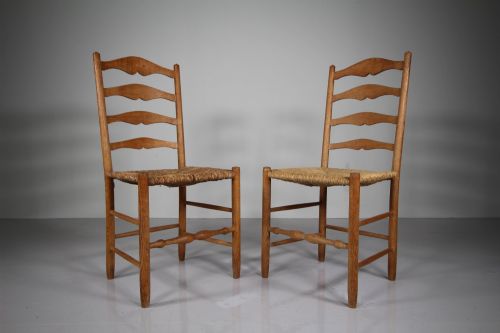
Back designs vary from stickback and lathback configurations to high-backed armchairs with steam-bent bows. This clever engineering creates a remarkably robust and resilient structure without requiring heavy framing timbers.
Where should I place hall chairs?
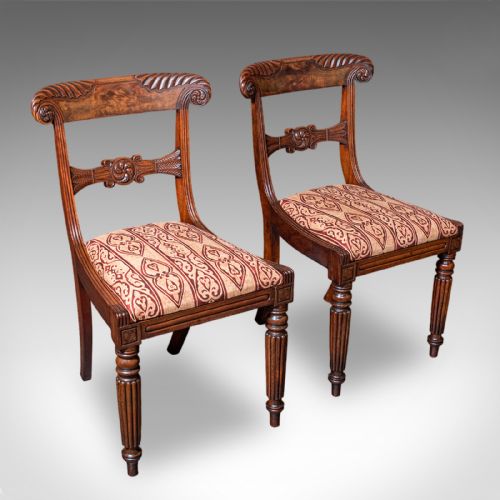
Hall chairs are designed with upright wooden seats and carved or painted backs intended for occasional use in entranceways, corridors, or reception spaces. Their historical purpose was to provide brief, formal seating for visitors waiting in a hall.
In modern interiors, these narrow profiles work well against hallway walls, as decorative flanking pieces in dining rooms, or as distinctive bedroom accent chairs. Their shallow depth ensures they occupy minimal floor space while displaying strong decorative carved or painted details.
How do I care for leather club chairs?
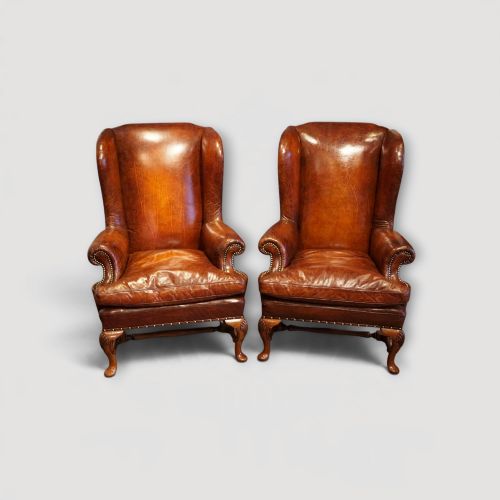
Leather club chairs require steady ambient conditions away from direct heat sources and strong sunlight to prevent the natural hide from drying out. Regular dusting with a soft, dry cloth removes abrasive particles from the grain and creases.
Periodic application of suitable leather balms or conditioners helps maintain the suppleness and rich patina of the material. Preserving the original leather finish involves gentle cleaning rather than heavy chemical restoration.