
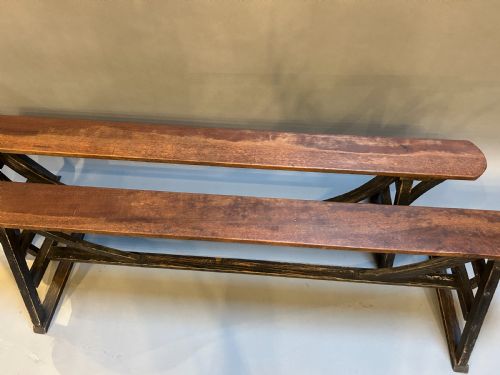
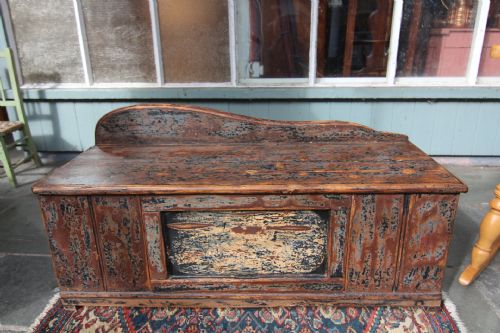
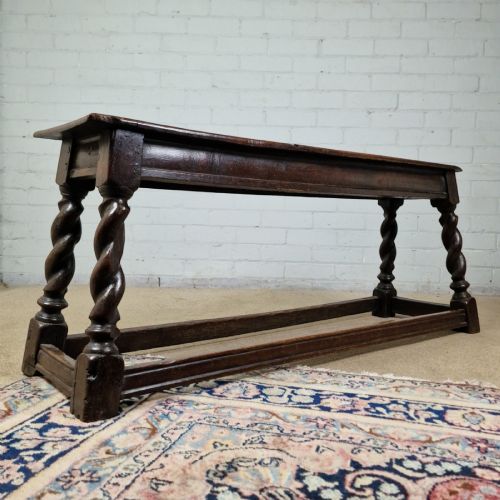
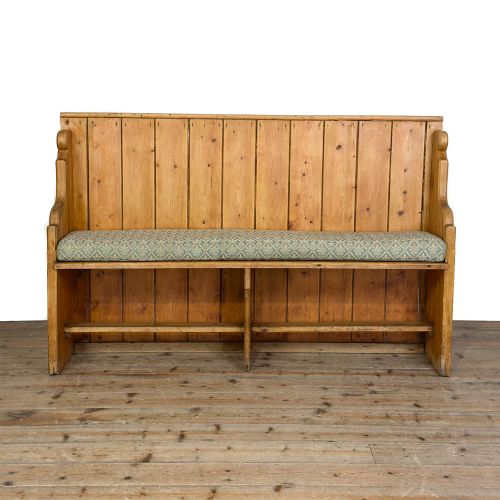
Traditional Rustic Bench
A traditional rustic bench brings straightforward utility and honest materials into a room, shaped by centuries of everyday domestic and garden use.
Traditional Rustic Bench
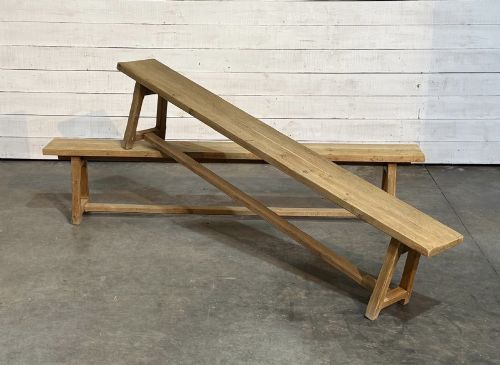
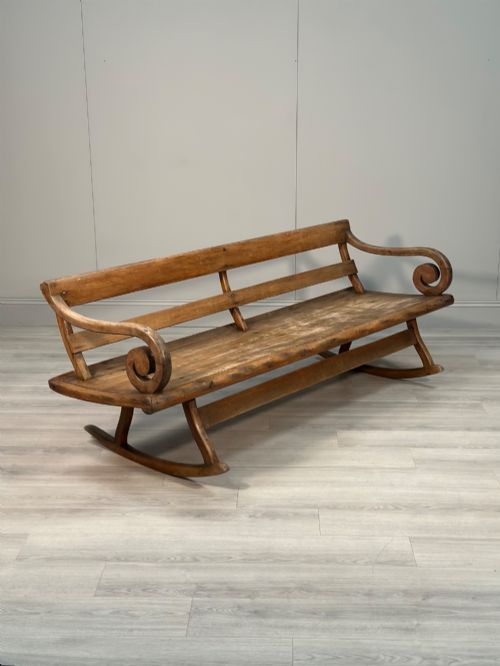
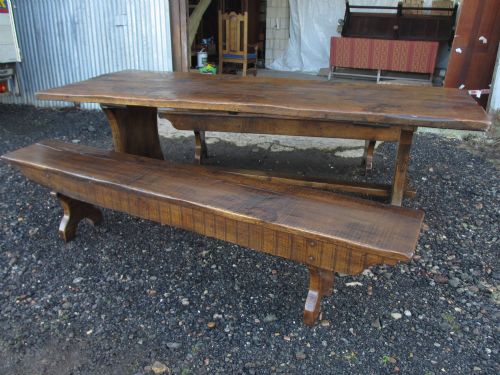
A traditional rustic bench encompasses practical seating forms designed for country houses, churches, pubs, and gardens. The pieces range from long pine pews and high-back settles to oak hall seats and elm garden benches spanning the eighteenth, nineteenth, and early twentieth centuries.
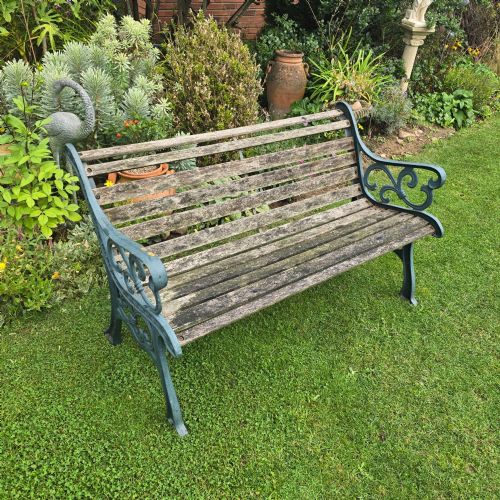
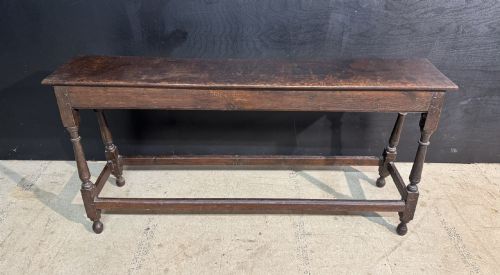
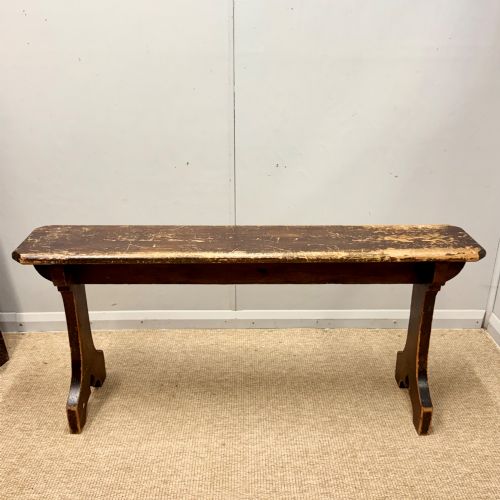
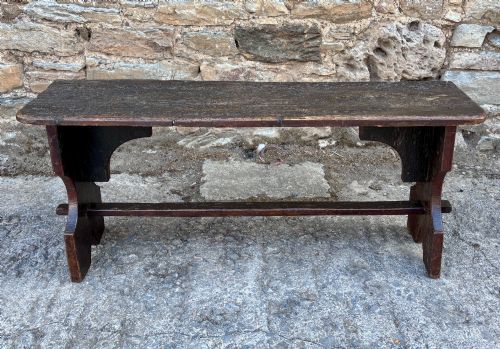
The version most commonly met on this page is the nineteenth-century pine or oak bench, often shaped as a narrow hallway seat, a settle with storage, or an outdoor garden bench combining timber slats with cast iron.
How they were made
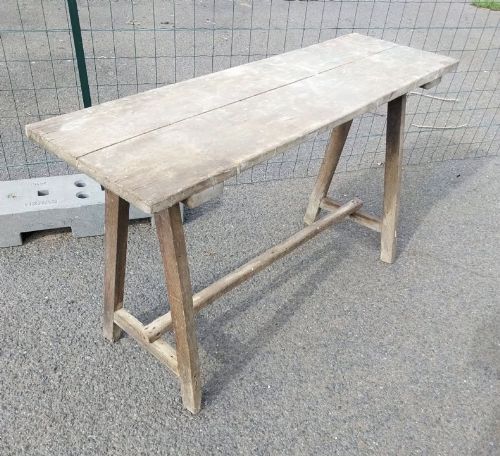
Craftsmen built traditional rustic benches using solid timbers such as pine, oak, elm, ash, and sycamore, often joining boards with pegged mortise and tenon joints or simpler vernacular methods. Wood surfaces received wax finishes, paint layers, or weathered naturally outdoors over decades of exposure.
Outdoor iterations paired timber slats with sturdy cast iron frames to withstand the elements, whilst indoor forms relied entirely on heavy hardwoods like oak and cherrywood to support daily seating requirements.
Listings feature eighteenth, nineteenth, and early twentieth-century examples constructed from pine, oak, elm, teak, and cast iron.
What varies in quality
Quality in a traditional rustic bench rests on the integrity of the timber, the depth of the natural patina, and the structural honesty of the joinery. Pieces retaining their original unstripped surfaces, honey brown patinas, or early paint display superior character compared to heavily restored examples.
The proportion of the timber and the weight of the construction distinguish simple utility items from finer vernacular seating. Heavier oak frames, untouched box settles with integrated storage, and well-proportioned backrests command greater presence than smaller or more utilitarian forms.
The Traditional Rustic Bench Glossary
- Settle
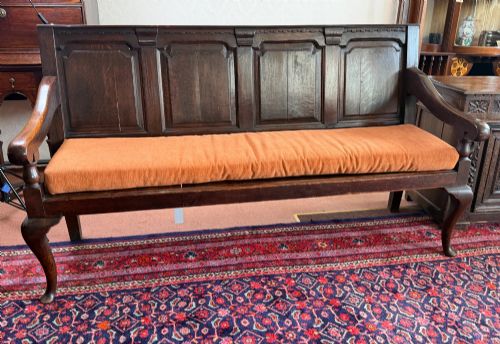
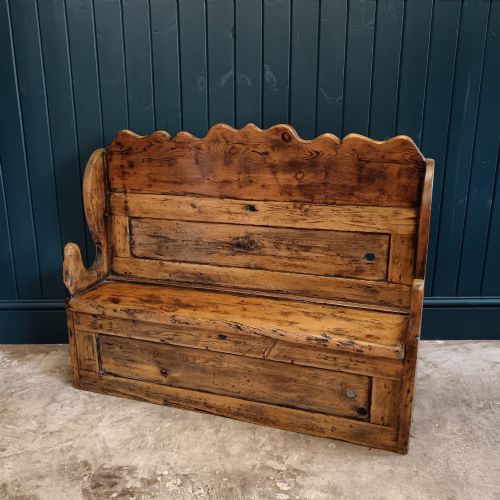
- A wooden bench with a high back, solid arms, and often a enclosed base or box compartment beneath the seat. These pieces were designed to block draughts in traditional hallways and farmhouse firesides.
- Pew
- A long wooden bench traditionally found in churches and public houses. They offer linear seating often constructed from solid pine or oak.
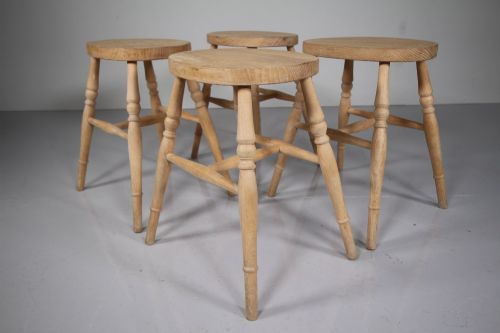
- Joint stool
- A low wooden stool constructed with tight mortise and tenon joints rather than turned legs. They predate standard chairs and served flexible seating and utility roles.
- Patina
- The surface sheen and colour developed by wood over years of handling, waxing, and exposure to light. A desirable patina shows genuine age and use.
- Vernacular
- Everyday objects built by local craftspeople using regional materials and traditional methods without grand architectural pretensions. These pieces reflect local domestic needs.
Traditional Rustic Bench: Frequently Asked Questions
What is a settle bench?
A settle bench is a high-backed wooden seat designed to keep out drafts in older homes and country pubs. They often feature solid panelled backs and enclosed storage boxes beneath the seat.
These pieces served as central gathering furniture beside fireplaces before upholstered sofas became common in domestic interiors.
Where were these benches used?
Traditional rustic benches originated in a variety of domestic, religious, and civic settings including farmhouses, village churches, country pubs, and gardens. Long pine and oak variants suited narrow hallways, dining rooms, and commercial taprooms alike.
Outdoor versions featuring cast iron and teak were constructed specifically for patios, parks, and garden terraces.
How do I date a wooden bench?
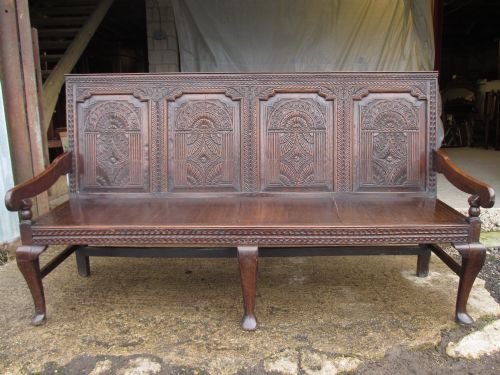
Dating relies on observing tool marks, timber selection, construction methods, and the natural wear accumulated across the surface. Eighteenth-century examples frequently feature heavy hand-carved oak panels, while nineteenth-century pieces often utilise simpler pine or elm boards.
Hardware elements, such as early iron fixings or cast iron framework on garden seats, also provide clear indicators of the period of manufacture.
What is a box settle?
A box settle is a specialised seating form featuring a hollow storage compartment built directly beneath the hinged seat boards. This cavity provided practical storage for blankets, boots, or household goods in compact living spaces.
The solid enclosed base also acted as a barrier against cold drafts sweeping across flagstone floors.