

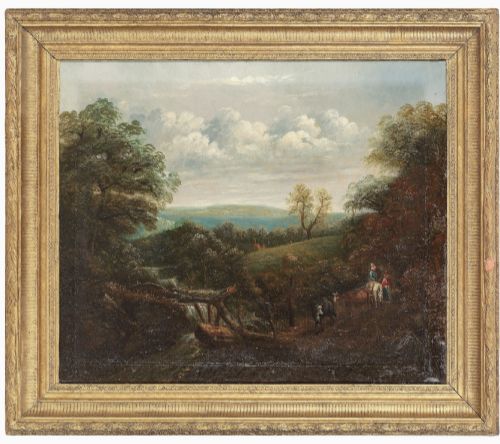

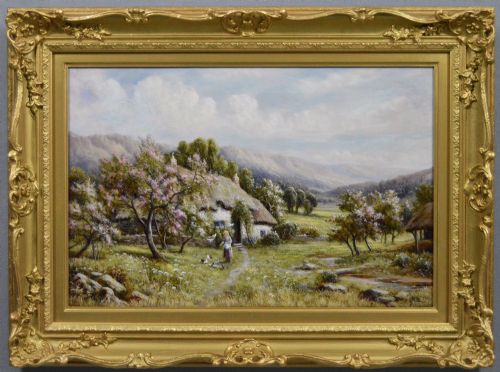
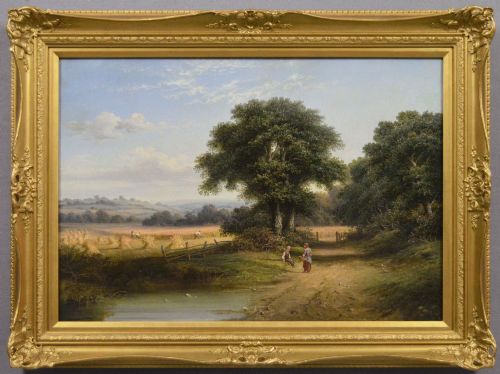
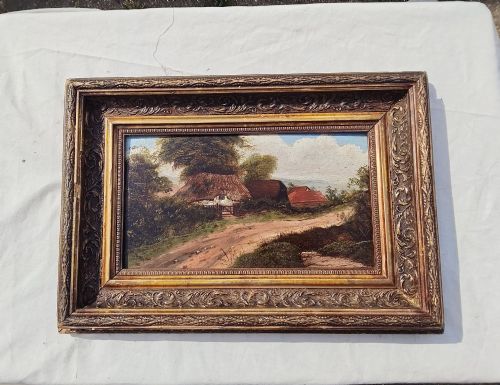
Traditional Rural Oil Artwork
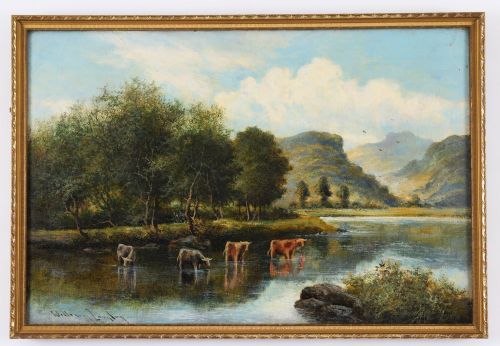
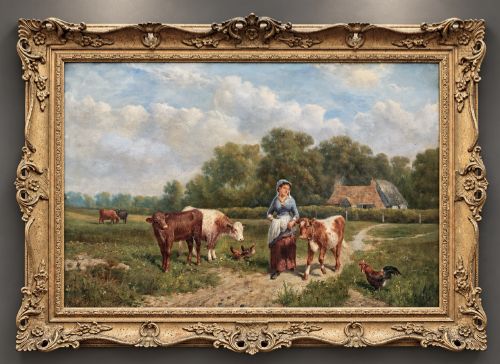
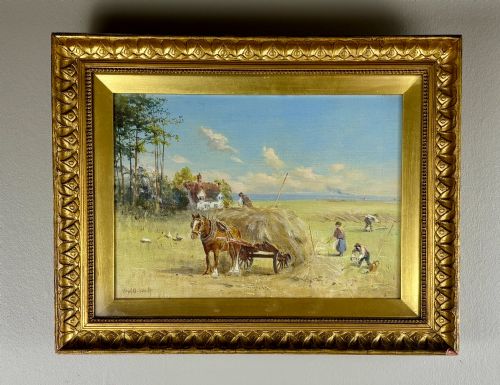
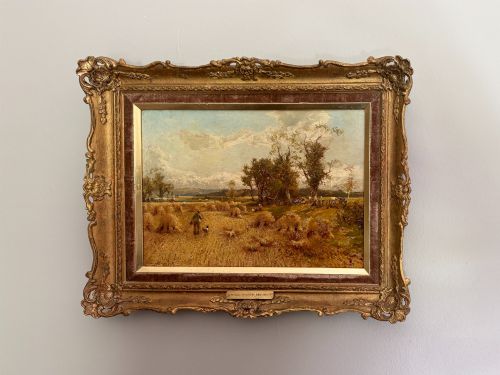
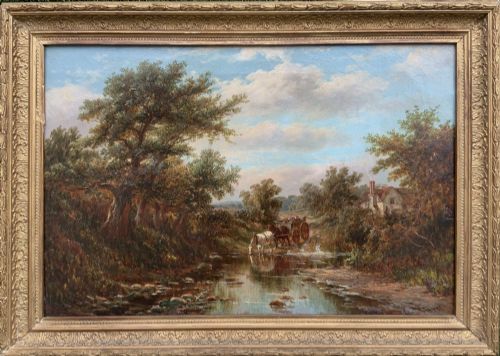
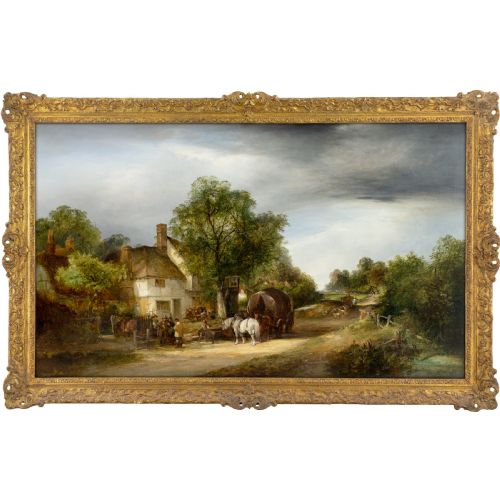
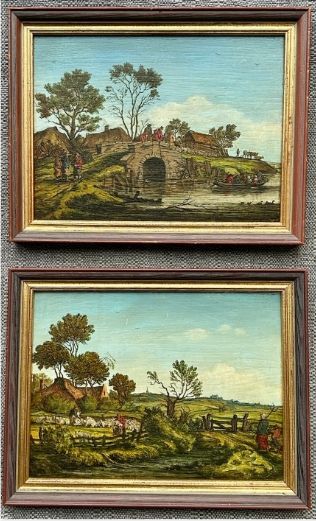
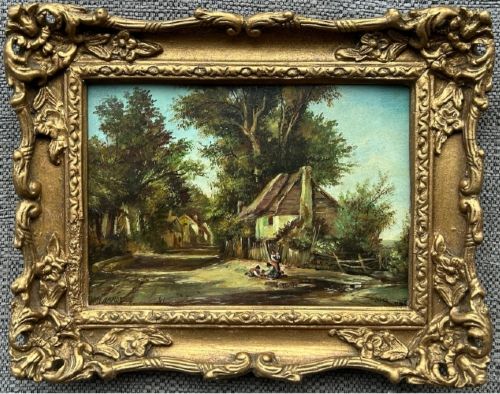
Traditional rural oil artwork captures the pastoral life, cottages, and agrarian scenes of past centuries.
Traditional Rural Oil Artwork
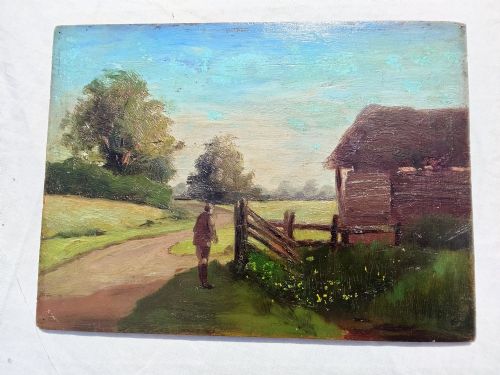
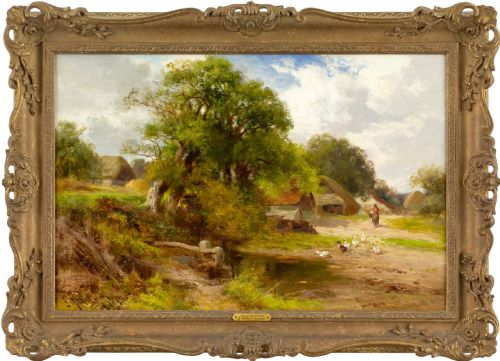
Traditional rural oil artwork comprises painted scenes of the countryside, featuring agricultural labour, farm animals, and rural cottages. Buyers searching for traditional rural oil artwork encounter nineteenth-century canvases, board paintings, and panel works depicting pastoral scenes.
The subjects range from sheep grazing and cattle watering to harvest fields and quiet village tracks. Works span British, Flemish, and European schools from the Victorian era into the mid-twentieth century.
Materials and construction
Painters applied oil paint to stretched canvas, wooden panels, wooden boards, and occasionally card. Many works are housed in period gilt wood frames decorated with gesso mouldings.
Pigments were worked with brushes to build texture and depth, capturing the light on landscapes, farm animals, and cottages. Supports vary from traditional canvas to sturdy wooden boards that preserved the paint layers.
Several sheep and cattle patiently pose through the decades, ignoring the changing fashions of the art world entirely.
Quality factors in rural painting
The skill of the brushwork and the precision of the perspective set finer examples apart from simpler decorative pieces. Observation of light, atmosphere, and the natural anatomy of livestock distinguish accomplished artists from lesser hands.
The integrity of the original surface, the depth of the pigment, and the harmony of the accompanying period gilt frame contribute to the overall merit of a piece.
William Joseph Shayer Senior·David Bates·Robert John Hammond·Walter Heath Williams·John Horace Hooper·William Henry Mander·Thomas Sidney Cooper·Herbert Royle·Reginald Grange Brundrit·Samuel Joseph Clark·Charles Vickers
The Traditional Rural Oil Artwork Glossary
- Oil on Canvas
- A traditional painting medium where pigment mixed with drying oil is applied to a woven fabric support. This combination offers flexibility and durability for large landscape compositions.
- Gesso
- A plaster-like mixture applied to wooden frames as a base for gilding. It provides a smooth surface for intricate decorative moulding.
- Wood Panel
- A rigid wooden support used instead of canvas for painting. Panels often survive from earlier periods and provide a stable surface for detailed brushwork.
- British Impressionism
- An art movement focusing on light and everyday subjects outdoors. Painters captured rural scenes with loose brushwork and vibrant colour palettes.
- Pastoral
- A genre of art idealising rural life and shepherd scenes. These works depict peaceful countryside settings far from industrial centres.
Traditional Rural Oil Artwork: Frequently Asked Questions
What subjects appear in these paintings?
These artworks predominantly show agricultural scenes, farm animals, ploughing horses, and cottages nestled in the countryside. Common motifs include sheep grazing, cattle resting, and figures working in harvest fields.
Artists focused on recording the daily rhythms of farming life and the changing seasons across British and European landscapes.
How do I identify the period of a painting?
Dating relies on the style of the brushwork, the type of support used, and framing techniques. Nineteenth-century works often feature heavy gilt frames and detailed realism, whereas mid-century pieces show freer interpretations.
Signatures, artist biographies, and exhibition labels on the reverse also help establish the date of creation.
Are these paintings on canvas or wood?
The works utilise a variety of supports depending on the artist and period. Canvas stretched over wooden frames is common, alongside wooden boards, wood panels, and occasional card supports.
Each material reacts differently to age, with panels offering a rigid surface and canvas providing a traditional textured ground.
How should I care for an oil painting?
Protect the artwork from direct sunlight and dramatic fluctuations in temperature or humidity. Keep the surface clean using a soft, dry brush to remove dust gently from the paint and frame.
Avoid using liquids or chemical cleaners on either the canvas or the gilt wood moulding.