




Traditional Rosewood Bench
A traditional rosewood bench offers deep reddish-brown timber and dense grain, bringing historic seating character to a room.
Traditional Rosewood Bench
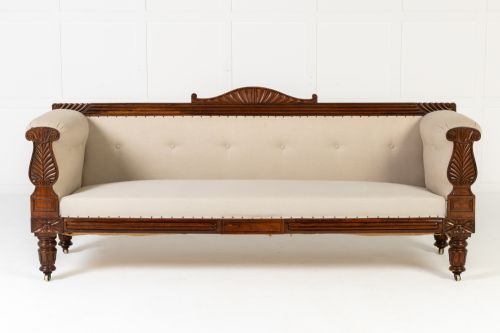
When you search for a traditional rosewood bench, you encounter seating forms ranging from nineteenth-century English Regency sofas to early twentieth-century Chinese horseshoe hall benches and scroll-end Kang tables. The pieces bridge European parlour furniture and traditional Chinese domestic forms, utilising durable tropical timbers designed for formal display or daily repose.
Victorian examples favour carved rosewood frames fitted with velvet or fabric upholstery, whilst Chinese traditional pieces rely on exposed timber construction with dragon details and scroll ends. Both traditions prioritise structural presence and rich, polished surfaces.
How they were made
The pieces utilise dense rosewood and other polished hardwoods, often paired with brass fittings, cast iron, and steel elements for structural reinforcement. Upholstered variants incorporate fabric and velvet stretched over padded interior foundations.
Joinery techniques across the English and Chinese traditions rely on precise woodworking joints that accommodate the weight and density of rosewood. Carved details, such as dragon motifs and scroll ends, demonstrate manual cutting directly into the seasoned timber.
Traditional Rosewood Bench Retail Price Guide 2026
Typical asking prices for traditional rosewood bench among the pieces listed under this phrase on Sellingantiques today, from the lower quarter to the upper quarter. They describe what is for sale here now, not the wider market.
One low table comes complete with dragon details, ensuring your morning tea is supervised by mythical beasts.
What varies in quality
Quality rests in the crispness of the timber carving and the integrity of the joinery across the frame. Pieces featuring deeply articulated dragon details or fluent scroll ends demand greater manual skill than plain structural forms.
The grade of the rosewood itself dictates the visual depth of the grain and the stability of the timber over time. Superior examples retain a smooth, hand-polished lustre that highlights the natural figuring without obscuring the material.
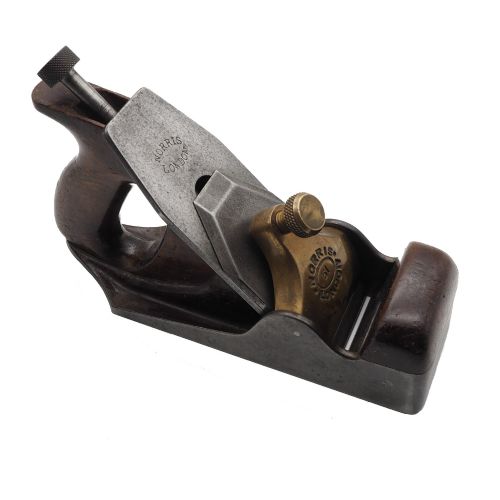
Early Norris London
The Traditional Rosewood Bench Glossary
- Rosewood
- A dense, heavy timber prized for its dark reddish-brown colour and prominent grain figuring. It takes a high polish and resists heavy wear.
- Kang table
- A low platform table originating in China, traditionally used for sitting or serving tea on a heated brick platform. Examples feature scroll ends or carved aprons.
- Horseshoe hall bench
- A traditional Chinese seating form characterised by a curved backrest and armrail shaped like a horseshoe. It provides an enclosing, ergonomic posture.
- Regency
- An English design style spanning the early nineteenth century, drawing inspiration from classical Greek, Roman, and Egyptian motifs. Furniture from this period exhibits clean architectural lines.
Traditional Rosewood Bench: Frequently Asked Questions
How do I care for a traditional rosewood bench?
Clean the polished hardwood surfaces using a soft, dry cloth to remove dust without abrasive cleaners. Avoid placing the timber near direct heat sources or strong sunlight to prevent drying and splitting.
Condition the wood periodically with appropriate furniture wax if the finish appears dry. Protect upholstered fabric sections by vacuuming gently with a brush attachment.
What is the difference between a settee and a daybed?
A settee functions primarily as a seat for multiple people, featuring an upright backrest and upholstered or open arms. It belongs in a formal parlour or hallway setting.
A daybed provides an elongated surface designed for reclining rather than upright sitting. These pieces often feature low scroll ends or open sides suited for resting.
How do I date a nineteenth-century rosewood piece?
Examine the construction methods, tool marks, and secondary timbers used within the unseen parts of the frame. Nineteenth-century British pieces show hand-cut joinery and heavy rosewood veneers over secondary hardwoods.
Compare stylistic markers such as Regency classical proportions or Victorian carved ornamentations against documented period designs. Chinese pieces from the same era display Qing Dynasty carving conventions.
Where should I place a horseshoe hall bench?
Position the bench in an entrance hall or a spacious living area where the curved backrest can be viewed from multiple angles. These pieces work well as standalone statement items.
Ensure adequate clearance around the bench to let the distinctive horseshoe armrail and joinery stand out. Avoid cramped corners that obscure the detailed woodwork.