


Traditional Portraiture Oil Painting
Traditional portraiture oil painting captures likenesses across centuries through rich pigment on canvas and wood.
Traditional Portraiture Oil Painting
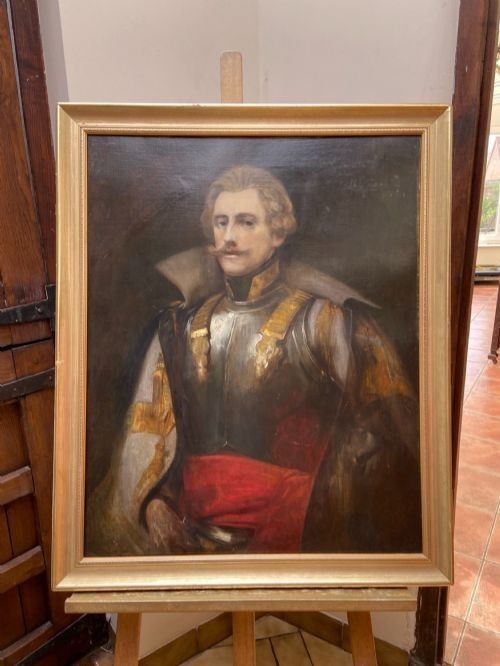
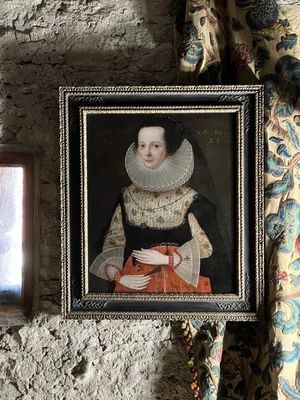
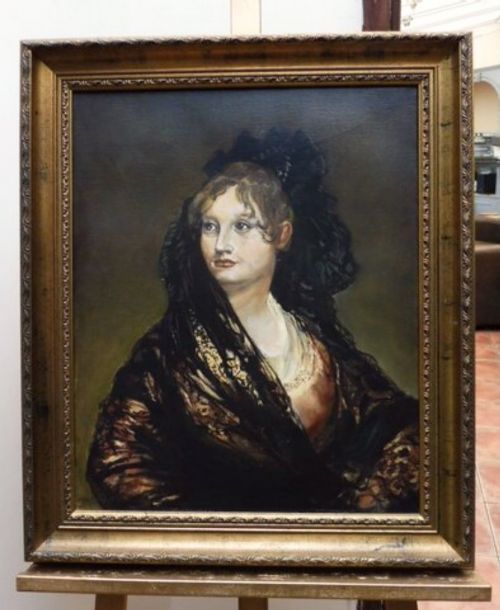
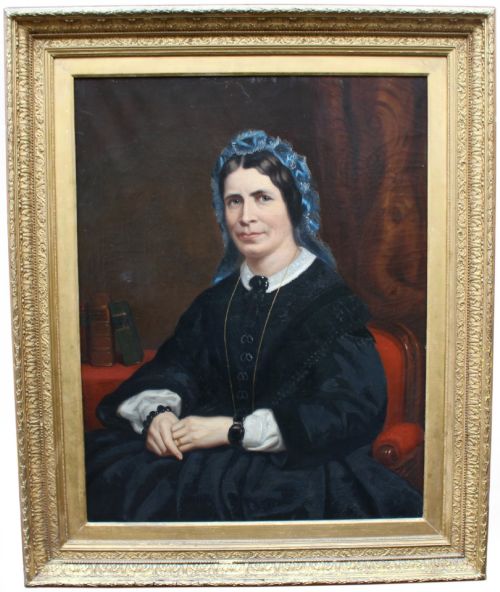
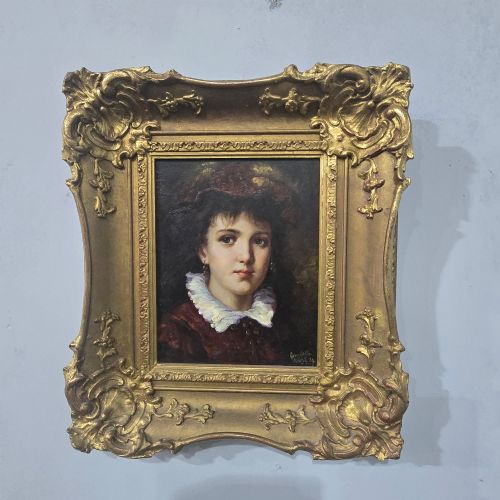
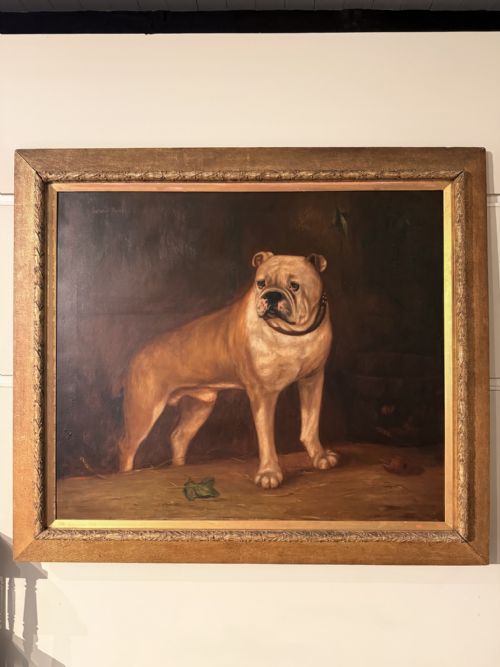
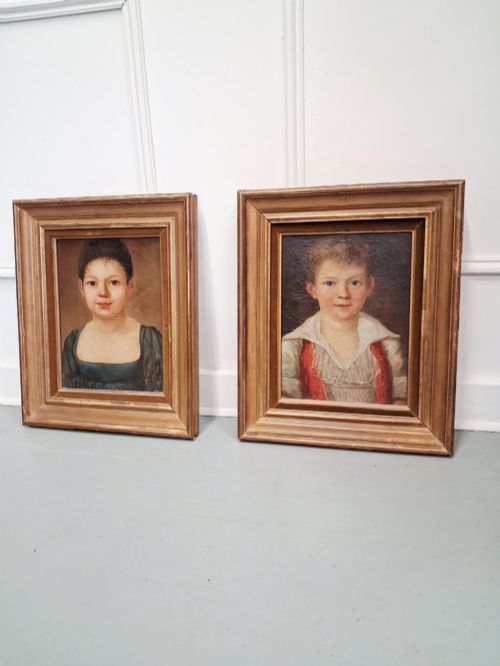
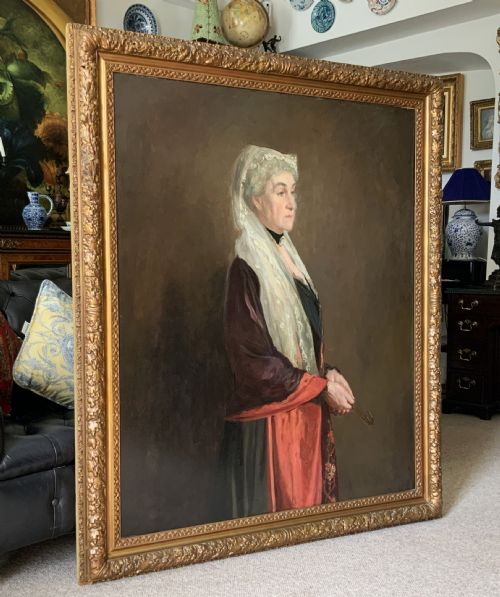
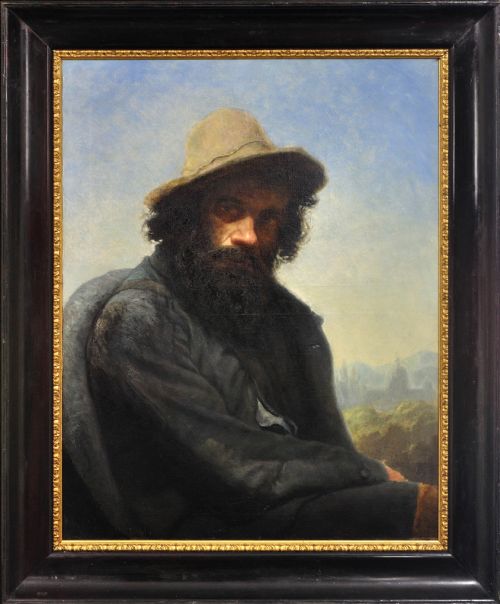
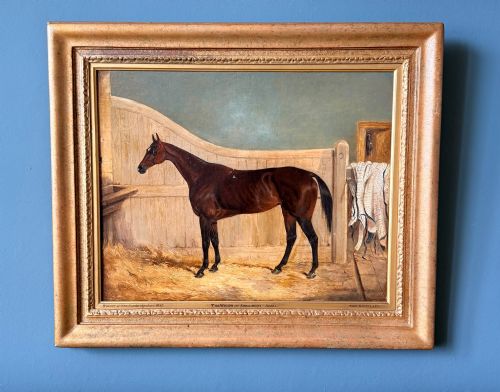
Traditional portraiture oil painting encompasses depictions of notable figures, ordinary subjects, children, and animals executed in oils across historical periods. A buyer exploring this phrase encounters works spanning from the seventeenth century through to the mid-twentieth century, with nineteenth-century examples appearing frequently.
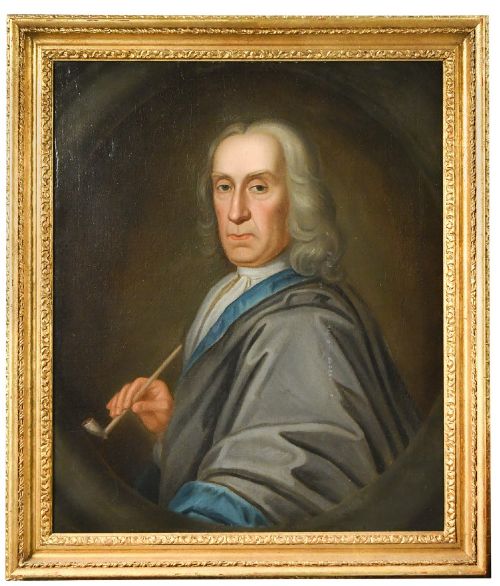
The forms range from intimate bust-length portrayals to large-scale representations set within elaborate giltwood frames. Subjects include military officers, noblewomen, gentlemen holding pipes, and sporting horses captured by named artists and anonymous school painters alike.
Materials and Techniques
These works rely upon oil paint applied to woven canvas supports or wooden boards, occasionally utilising unframed canvas or structured stretcher frames. Pigments build up depth through layered brushwork, capturing fine details in costume, expression, and background settings.
Surviving pieces frequently retain their original or period-appropriate frames constructed from gilt wood, gesso, and gold leaf. These ornamental surrounds provide structural support while complementing the aesthetic weight of the painted surface.
Traditional Portraiture Oil Painting Retail Price Guide 2026
Typical asking prices for traditional portraiture oil painting among the pieces listed under this phrase on Sellingantiques today, from the lower quarter to the upper quarter. They describe what is for sale here now, not the wider market.
Several portraits feature attentive dogs and mischievous children who likely grew restless during long hours sitting for the artist.
Evaluating Quality
Quality rests upon the precision of brushwork and the psychological depth achieved in the subject's expression and posture. Master painters render textiles, skin tones, and lighting with convincing texture, whereas lesser works display stiffness or flat application.
The sophistication of the composition and the condition of the pigment layer further divide the range. Original framing in carved giltwood contributes positively to the overall integrity of the piece.
John Hamilton Mortimer·Thomas Beach·Albin Mattenheimer·John Emms·Frank Moss Bennett
The Traditional Portraiture Oil Painting Glossary
- Oil on Canvas
- A painting medium where pigments bound in drying oil are applied to stretched fabric. This combination provides a durable, flexible surface favoured by portraitists for centuries.
- Gesso
- A plaster-like mixture applied to wood frames to create a smooth surface before gilding. It allows craftsmen to carve intricate decorative details.
- English School
- A designation for works produced by artists trained or working in England during a specific era. Such pieces often reflect prevailing British artistic conventions.
- Giltwood
- Wood carved and covered with a thin layer of gold leaf or metallic powder. It frames traditional portraits with a reflective, ornate border.
Traditional Portraiture Oil Painting: Frequently Asked Questions
How do I date an oil portrait?
Dating relies on costume styles, hairstyles, and framing techniques characteristic of specific decades. Documentation inscribed on the reverse or stretcher bars also provides reliable chronological markers.
Analysing the canvas type and pigment composition helps narrow down the period of creation. Comparative study with dated works by the same school or artist confirms the timeframe.
Where should I hang a portrait?
These works suit traditional reception rooms, studies, or hallways where lighting can be controlled. Placing them away from direct sunlight protects the oil pigments from fading.
Ensure the wall can support the weight of heavy giltwood frames. Position the painting at eye level to replicate the intended viewing perspective.
What is the difference between canvas and board?
Canvas offers flexibility and resilience, stretched over a wooden frame to distribute tension evenly. Wooden boards provide a rigid, solid support structure less prone to punctures.
Board supports appear frequently in smaller sketches and studies. Canvas remains the standard substrate for larger formal portrait commissions.