



Traditional Pine Writing Desk
These traditional pine writing desk pieces bring straightforward Victorian utility and honest country character into any room.
Traditional Pine Writing Desk
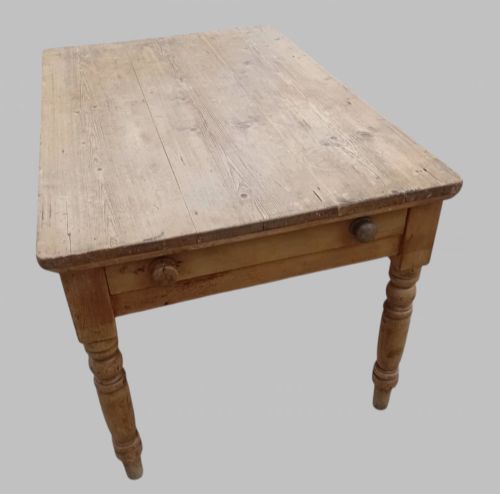
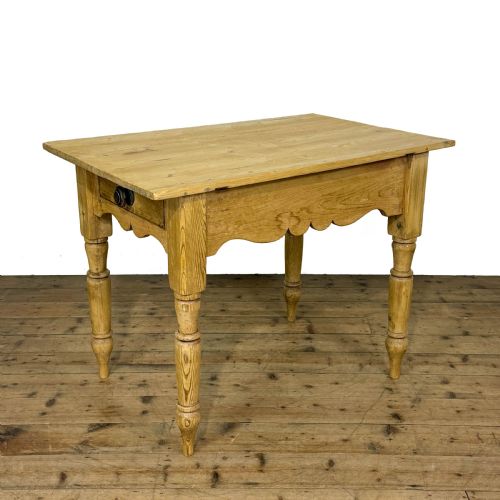
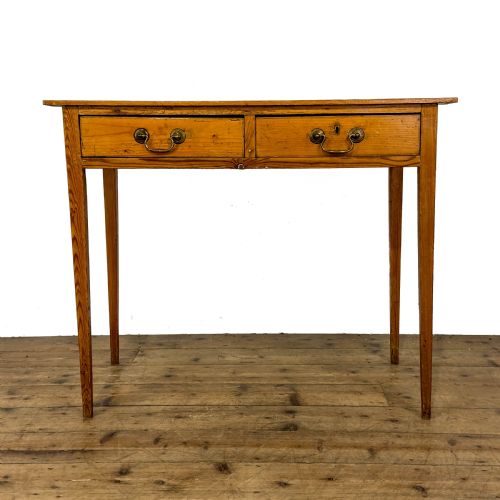
A traditional pine writing desk covers functional workspace pieces originating from the nineteenth century, including Victorian country examples and pedestal formats. Buyers seeking a traditional pine writing desk encounter practical items built for everyday writing and administrative tasks.
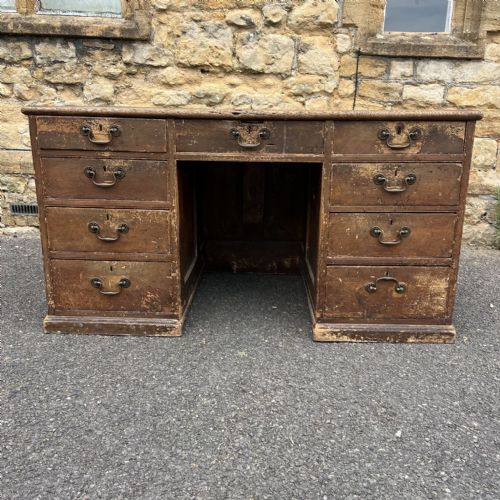
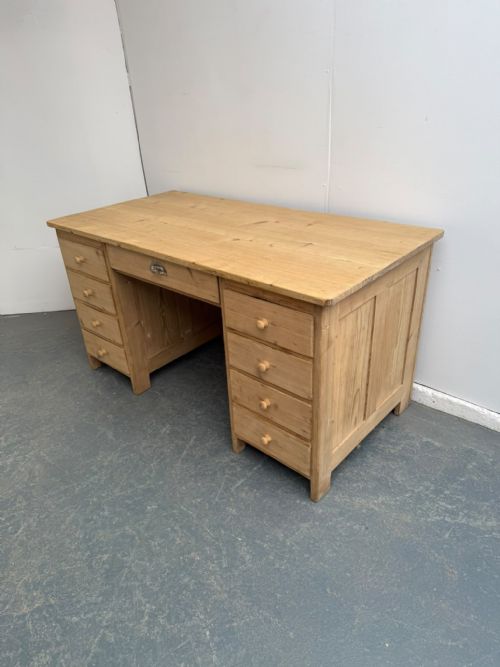
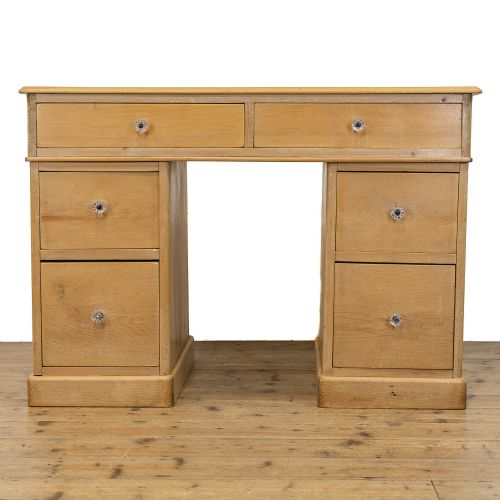
The selection ranges from large panelled office desks and pedestal forms in pitch pine to smaller kneehole variants and fitted bureaux. Most pieces date from the Victorian era and the late nineteenth century, reflecting robust English and Scandinavian country traditions.
Alongside dedicated desks, the category encompasses related forms with drawers and writing slopes, such as secretaire bureaux. These items combine timber surfaces with functional storage compartments designed for correspondence and paperwork.
How they were made
Construction relies primarily on pine and pitch pine, occasionally paired with oak, elm, or iron components for added strength. Carpenters utilised solid timber panels and straightforward joinery to build durable workspaces capable of withstanding heavy daily use.
Surface finishes vary between natural waxed grain, painted treatments, and stained tops, often incorporating brass hardware on drawers and writing slopes. Iron fittings and metal accents appear on structural elements and multi-drawer configurations.
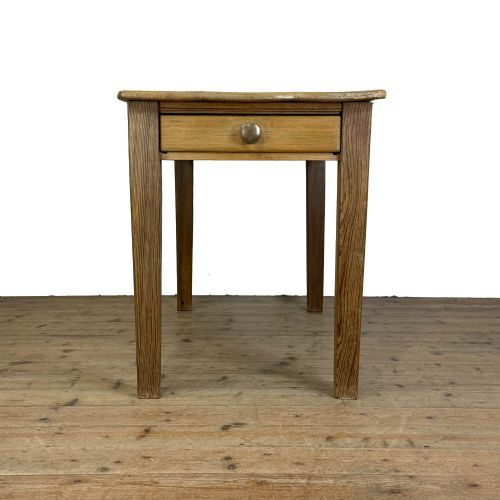
Object forms span standard desks, kneehole pedestals, secretaire bureaux, and painted side tables.
What varies in quality
Quality differentiates simple utility pieces from heavier, more substantial office furniture like multi-drawer pedestal desks. The choice between standard pine and denser pitch pine alters the weight, durability, and overall presence of the desk.
Internal complexity also distinguishes simpler tables and side desks from fitted bureaux and kneehole variants with multiple drawers. The presence of original hardware, paint, or secondary timbers like oak and elm shapes the character of each piece.
The Traditional Pine Writing Desk Glossary
- Pitch pine
- A denser, resinous variety of pine timber utilised for heavy-duty Victorian office furniture and pedestal desks. It offers greater weight and durability than standard softwoods.
- Kneehole desk
- A writing desk featuring a central recessed space for the legs, flanked by pedestals of drawers on both sides. This form provides substantial storage capacity while maintaining a compact footprint.
- Secretaire bureau
- A desk type incorporating a drop-front writing slope that conceals internal pigeonholes and small drawers. It combines the utility of a chest of drawers with a fold-down writing surface.
- Pedestal desk
- A freestanding desk supported by two vertical columns or pedestals containing banks of drawers. Victorian examples often utilise pitch pine for added structural heft.
Traditional Pine Writing Desk: Frequently Asked Questions
What is a traditional pine writing desk?
A traditional pine writing desk is a nineteenth-century workspace constructed from softwoods like pine or pitch pine. These items include kneehole formats, pedestal designs, and fitted bureaux intended for daily correspondence.
Most examples originate from the Victorian period and reflect English or Scandinavian country traditions. They prioritise functional storage with multiple drawers and writing surfaces over elaborate decoration.
How were nineteenth-century desks used?
Nineteenth-century desks served as practical hubs for household administration, letter writing, and estate management. Pedestal desks and bureaux provided secure storage for documents within private studies and offices.
Smaller side tables and kneehole variants accommodated domestic paperwork in farmhouse settings. Their integrated drawers and writing slopes kept writing materials organised and accessible.
How do I care for a pine desk?
Caring for a nineteenth-century pine desk involves maintaining the wood with traditional wax polish rather than modern chemical sprays. Regular dusting with a soft cloth preserves the natural finish and grain of the timber.
Keep wooden furniture away from direct heat sources and strong sunlight to prevent the timber from drying out or warping. Waxed surfaces benefit from occasional re-application to maintain their protective sheen.
How can I date a Victorian pine desk?
Dating a Victorian pine desk relies on examining the construction methods, hardware materials, and overall form. Pieces from this era typically feature nineteenth-century joinery techniques and proportions aligned with Victorian country styles.
Materials such as pitch pine or brass fittings often point towards the later nineteenth century. Secondary timbers like oak or elm used alongside pine also help contextualise the period of manufacture.