
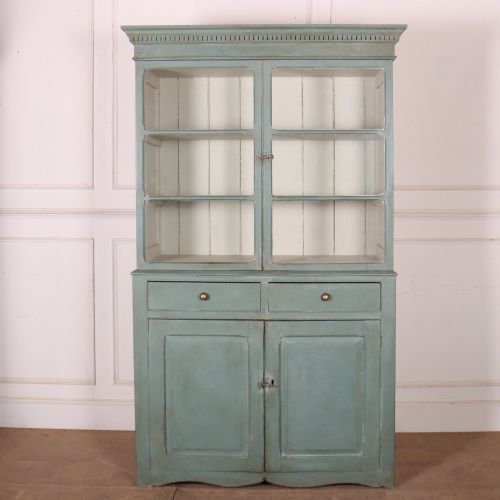
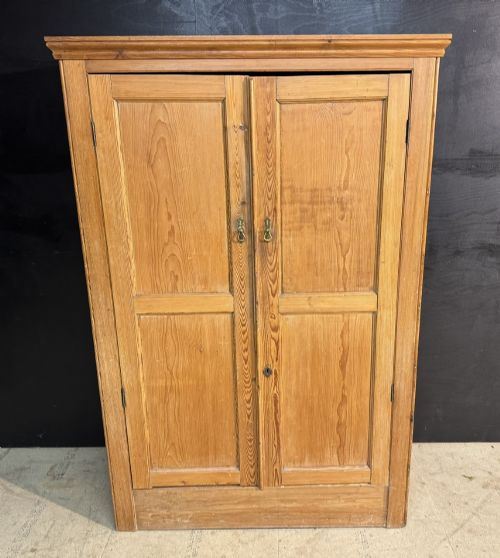
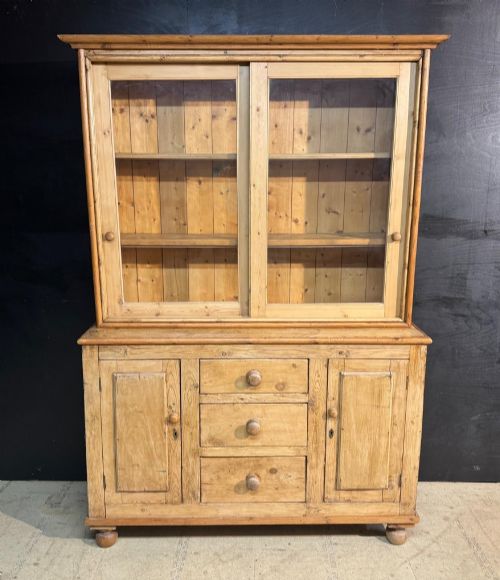
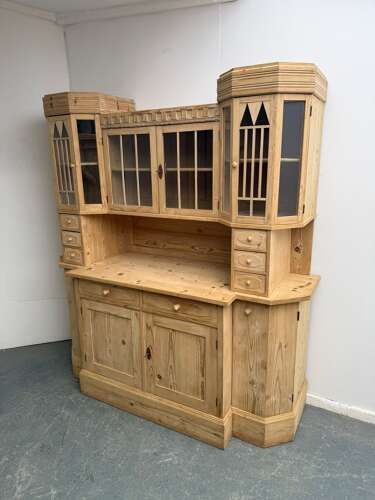
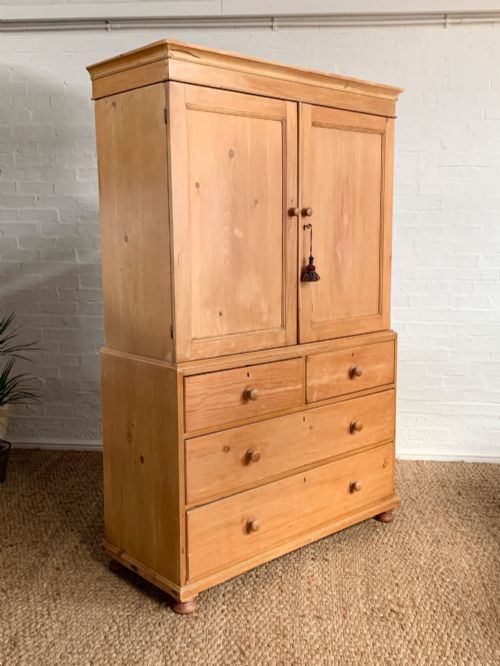
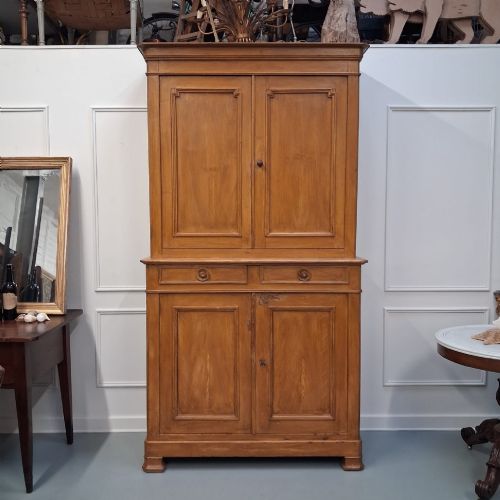
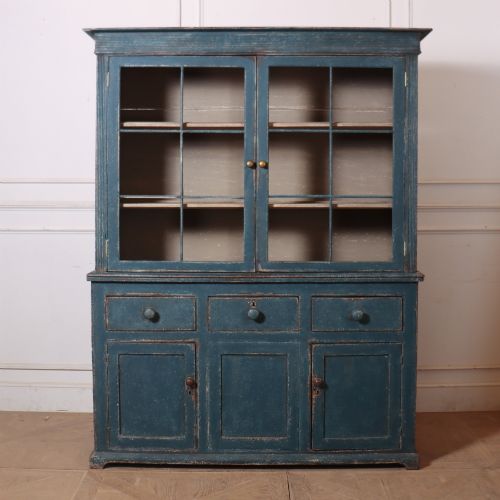
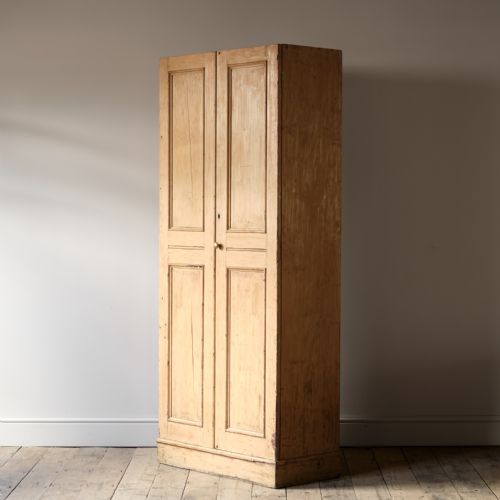
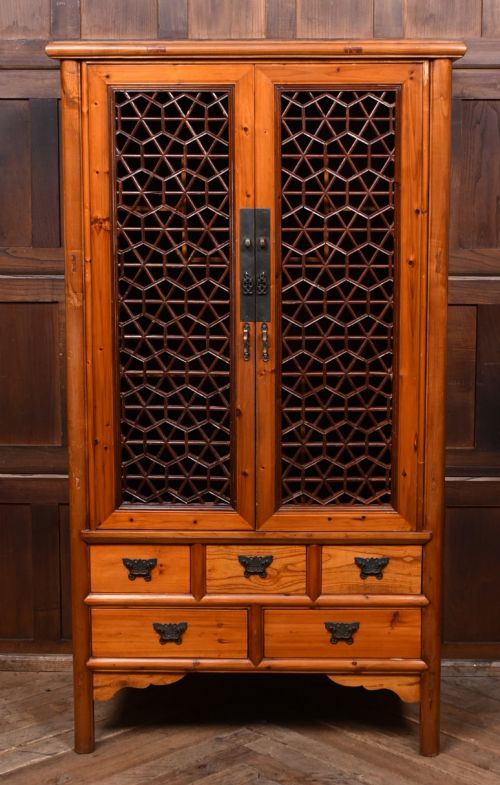
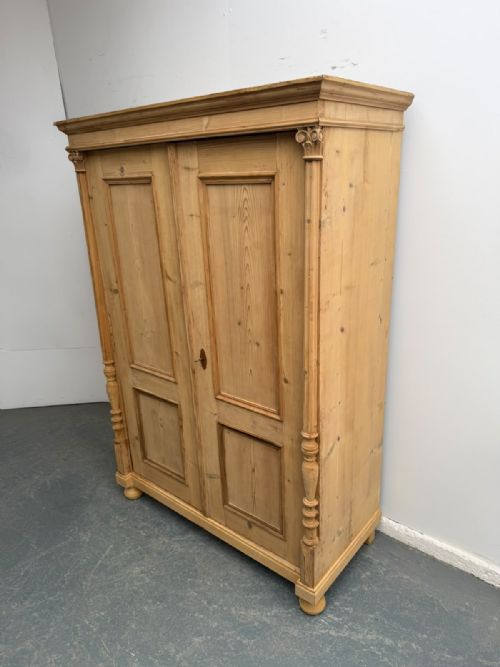
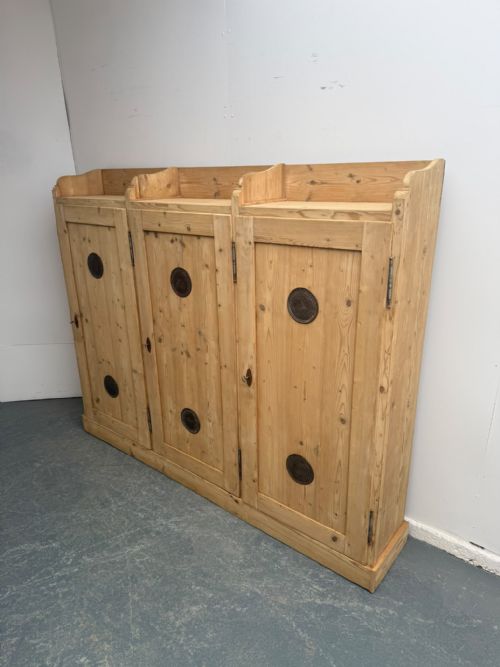
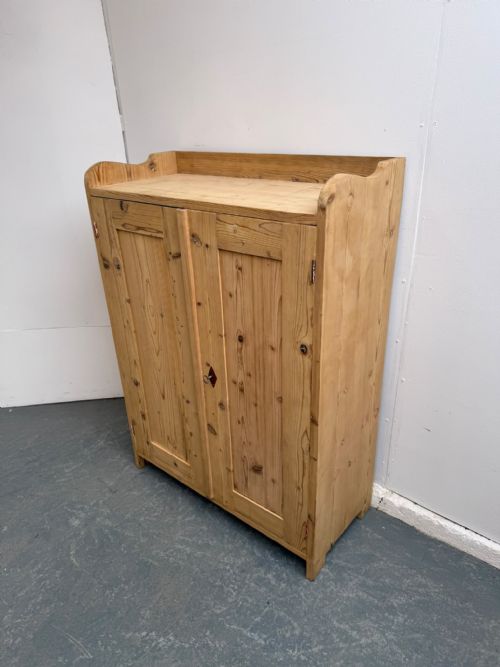
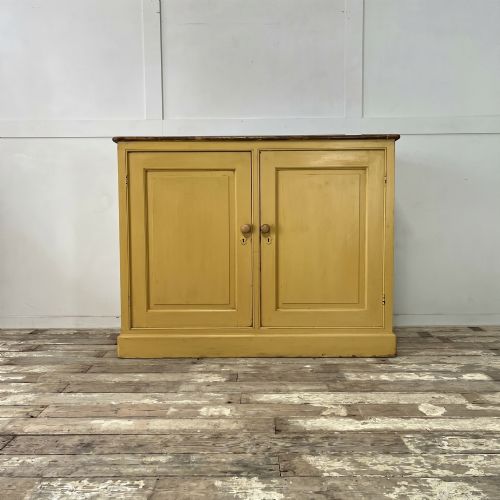
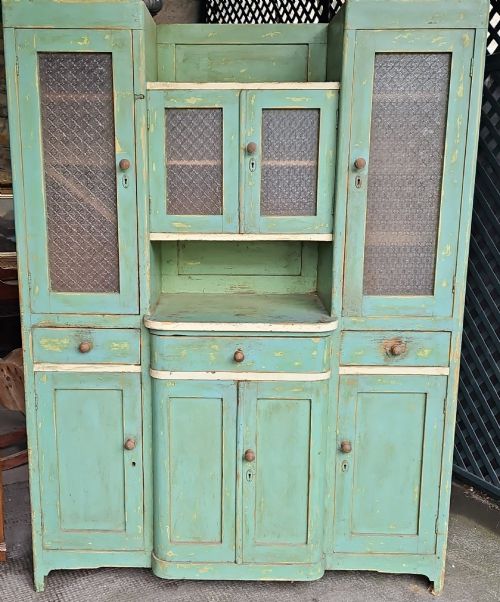


Traditional Pine Larder Cabinet
A traditional pine larder cabinet offers substantial domestic storage, bringing robust utilitarian character and practical shelving into modern kitchens.
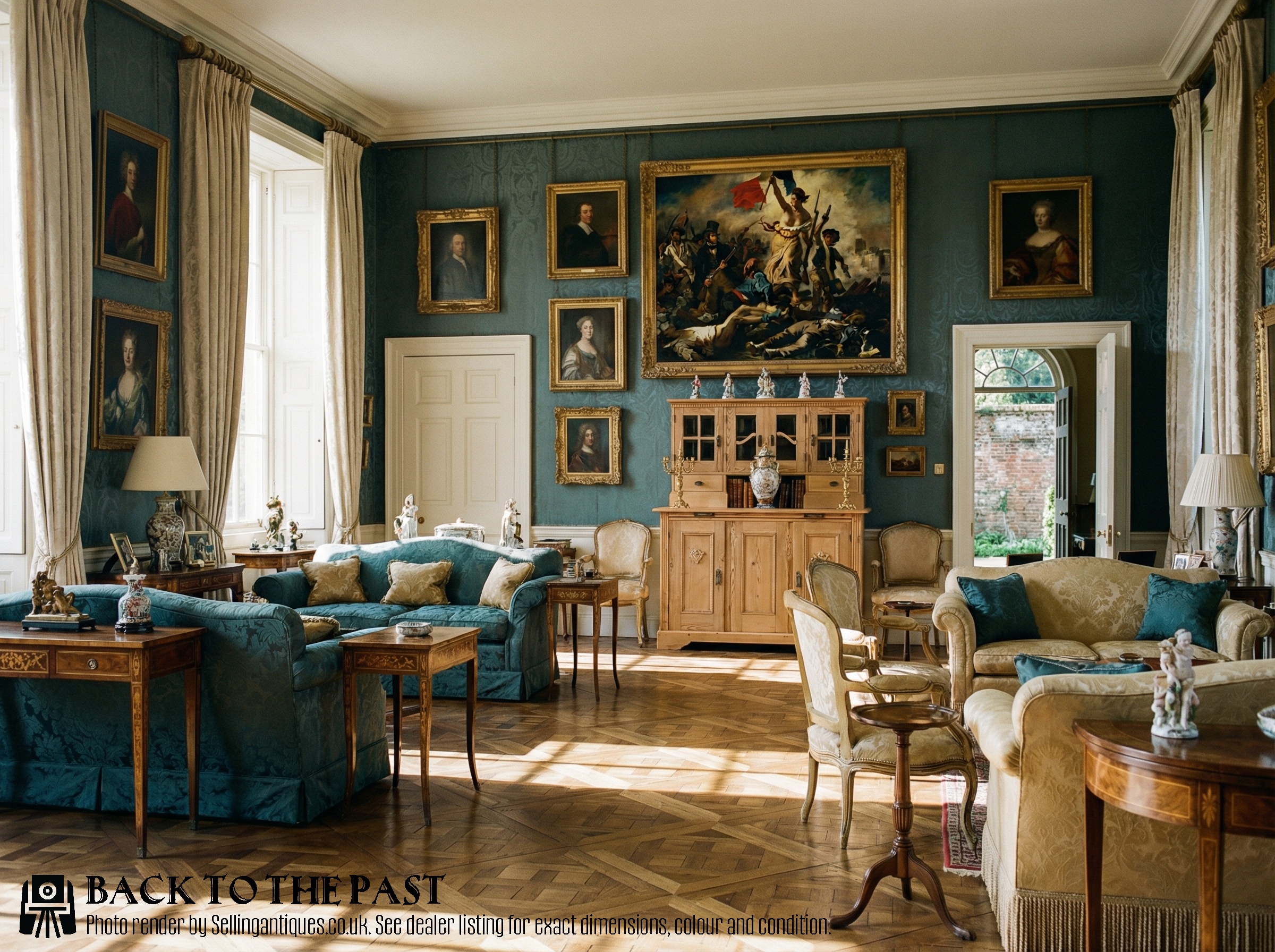
Traditional Pine Larder Cabinet
A traditional pine larder cabinet serves as a utilitarian storage piece, frequently appearing in forms such as kitchen dressers, housekeepers cupboards, and scullery cupboards. These pieces originate across periods ranging from the eighteenth century through to the 1930s.
The version most commonly encountered on this page belongs to the nineteenth century and the Victorian era, reflecting regional domestic traditions from England, Scotland, and France. They provide generous internal space originally designed for food storage, linen, or household provisions.
Makers utilised resilient softwood timbers to construct these functional furniture pieces for everyday rural and domestic use. Styles span Victorian Country, English Country, and French Provincial, often retaining traces of their original paint finishes or stripped surfaces.
How they were made
Makers constructed these cabinets primarily from solid pine, utilising durable wood joinery alongside iron and brass hardware such as hinges and latches. Glass panels appear on glazed upper sections, while other variants incorporate vented doors for air circulation.
Surfaces frequently display layers of historic paint, painted wood finishes, or waxed treatments applied during their working lives. Construction methods prioritise sturdy utility, employing panelled doors and internal shelving tailored to domestic provisions.
Listings feature pine storage pieces spanning the eighteenth century, the Victorian era, and the early twentieth century, including Edwardian and 1930s examples.
What varies in quality
Quality in a traditional pine larder cabinet depends upon the integrity of the original timber construction and the proportion of unaltered components. Pieces retaining their early or original paint finishes demonstrate greater documentary interest than those stripped down to bare wood in later decades.
Structural refinement shows in the clever arrangement of internal shelving, functional ventilation slats, and robust door hardware. Regional variations in proportion and the complexity of cornicing or door paneling further distinguish standard utilitarian examples from more ambitious country workshop commissions.
The Traditional Pine Larder Cabinet Glossary
- Pine
- A softwood timber utilised extensively for domestic furniture due to its availability and workability. It accepts both paint and wax finishes readily.
- Housekeeper's cupboard
- A large storage piece traditionally used for linens, dry goods, and household supplies. These often feature multiple doors and internal shelving configurations.
- Scullery cupboard
- A utilitarian storage cabinet designed for auxiliary kitchen work and food preparation areas. They prioritize robust internal capacity over decorative detail.
- Bread and cheese cupboard
- A specialised food storage cabinet featuring perforated or vented panels to allow air circulation. This design kept provisions fresh before mechanical refrigeration.
- Kitchen dresser
- A dual-purpose piece combining base storage cupboards with upper shelving or glazed display cabinets. They form a central fixture in traditional domestic kitchens.
Traditional Pine Larder Cabinet: Frequently Asked Questions
What is a traditional pine larder cabinet?
A traditional pine larder cabinet is a utilitarian storage piece built from softwood timber to hold food, provisions, or household items. These pieces date from the eighteenth century through to the twentieth century.
They appear in various regional styles, including English, Scottish, and French provincial designs, reflecting everyday domestic requirements of past households.
How were these cabinets originally used?
Households utilised these cabinets in kitchens, sculleries, and pantries to store perishable foods, dry goods, and household linens before modern refrigeration existed. Vented panels provided necessary air circulation.
Larger variants served housekeepers as central storage hubs for provisions and domestic equipment required for daily estate management.
How do I identify the period of a pine cabinet?
Period identification relies upon examining construction methods, nail types, hinge hardware, and timber patination. Eighteenth-century and early nineteenth-century examples often display hand-planed surfaces and traditional joinery.
Later Victorian and Edwardian pieces frequently incorporate machine-sawn timber elements, standardised hardware, and different structural proportions compared to earlier country workshops.
Should I choose a painted or stripped pine finish?
Choosing between painted and stripped pine depends on the historical surface remaining on the piece. Many cabinets retain original or early layers of paint that contribute to their decorative character.
Stripped pine exposes the natural grain and warm tones of the softwood timber, offering a different aesthetic that suits various interior settings.
How do I care for antique pine furniture?
Antique pine responds best to stable environmental conditions away from direct heat sources and dramatic humidity fluctuations. Waxed surfaces benefit from periodic application of appropriate beeswax polish to nourish the timber.
Painted cabinets require gentle dusting and careful cleaning with dry or barely damp cloths to protect historic surface finishes from degradation.