



Traditional Pine Display
Traditional pine display cabinets and dressers bring honest utility and warm domestic character to modern rooms.
Traditional Pine Display
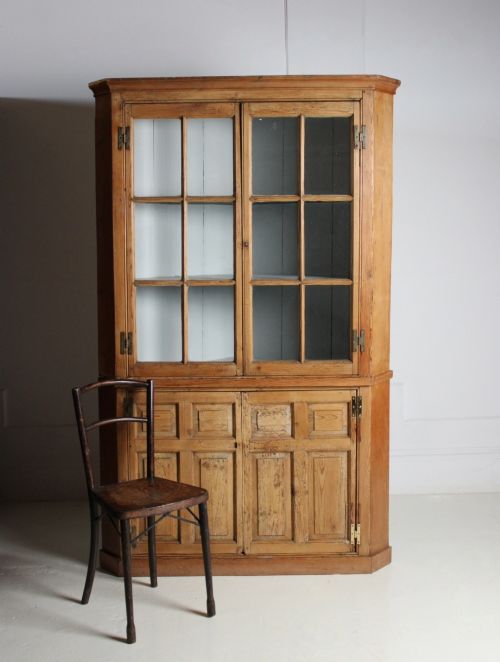
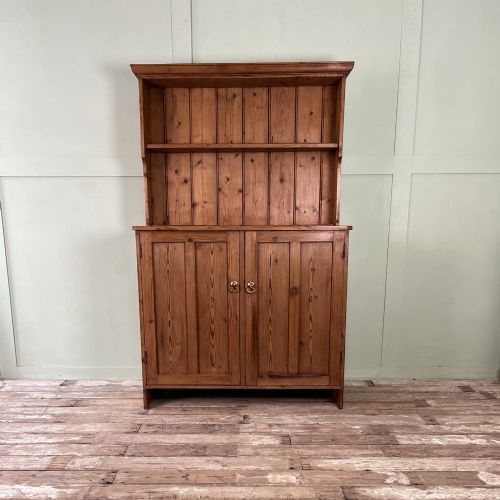
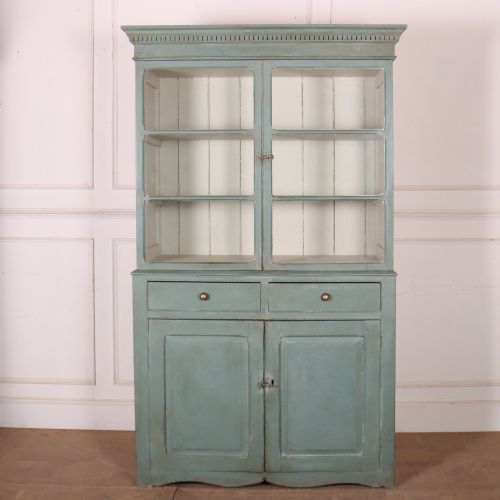
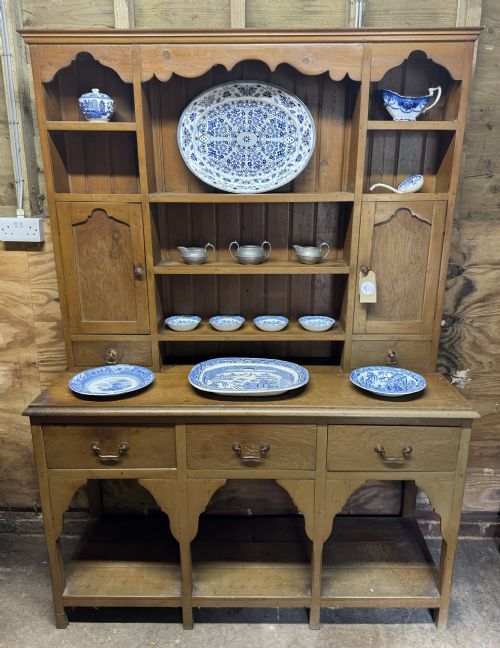
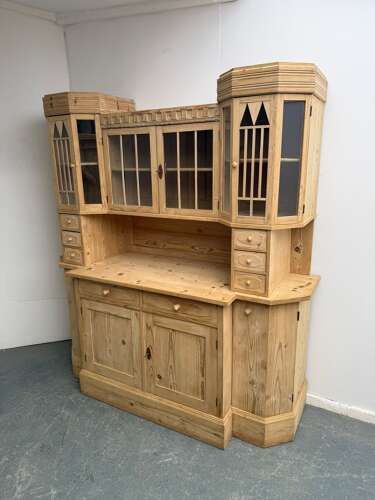
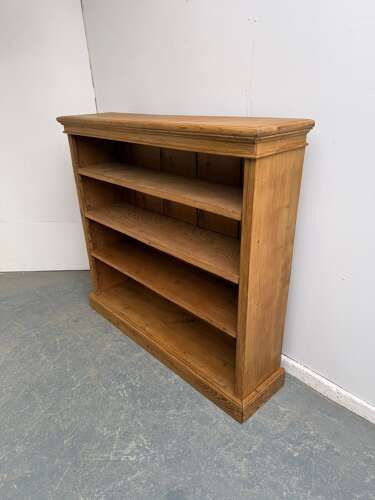
Traditional pine display pieces encompass kitchen dressers, glazed cabinets, bookcases, and corner cupboards originating mainly from the nineteenth century. These forms reflect regional English, Welsh, Scottish, Irish, and continental vernacular traditions rather than rigid court styles.
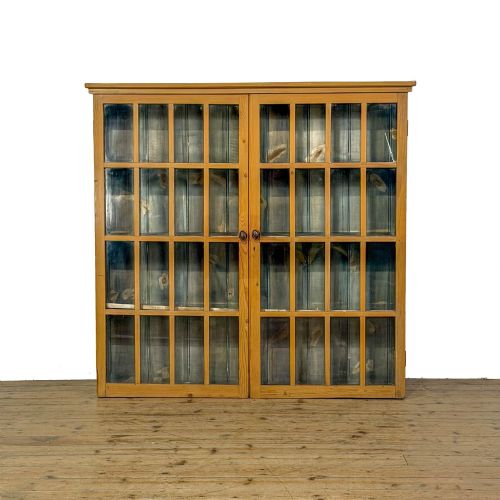
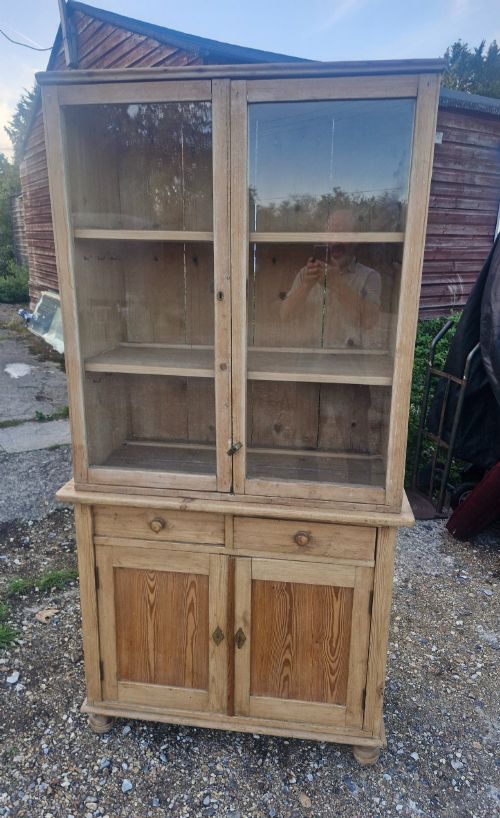
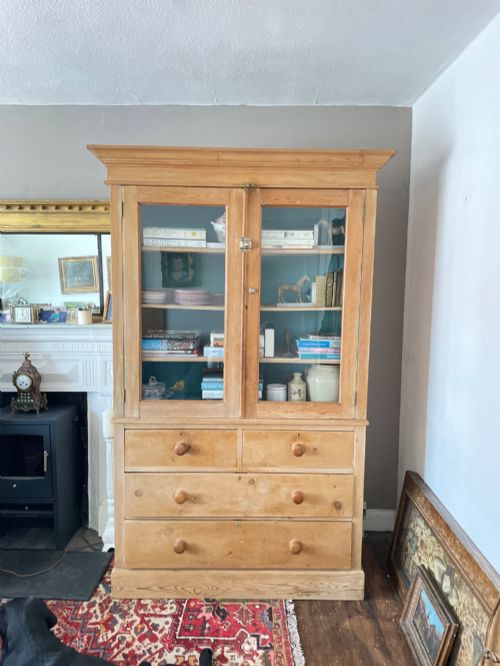
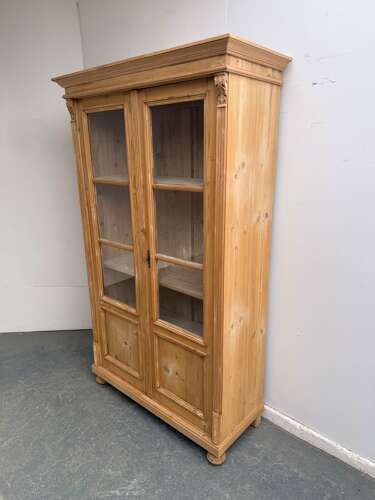
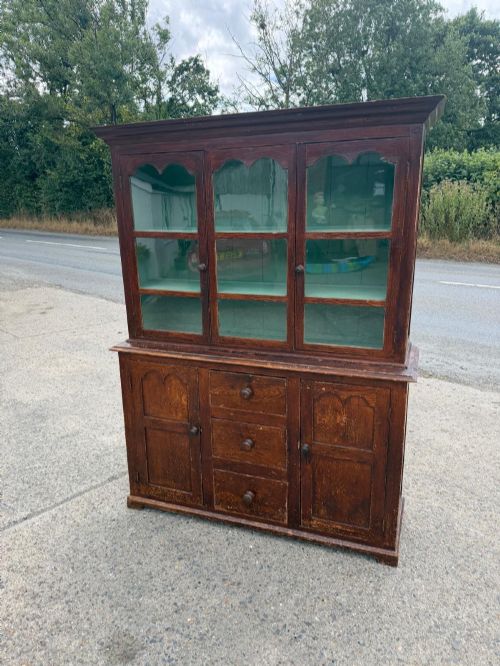
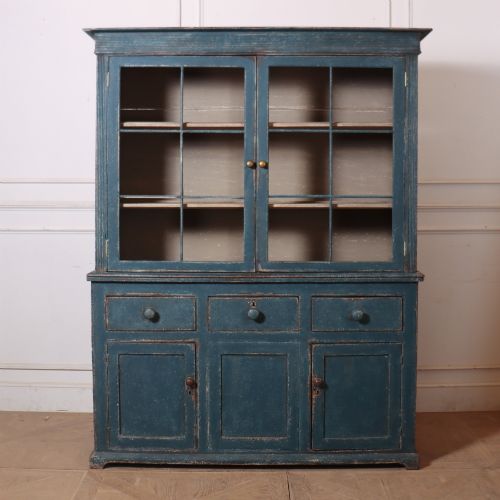
The pieces you will most often encounter on this page are nineteenth-century dressers and glazed display cabinets in waxed or painted finishes. Their practical origins in farmhouses and country homes mean they combine open shelving or glass-fronted upper sections with substantial cupboard storage below.
How they were made
Makers built these items primarily from solid pine, occasionally incorporating oak or walnut elements for structure or detail. Surfaces received either a protective coat of wax, traditional paint, or left with an original patinated finish developed through decades of domestic use.
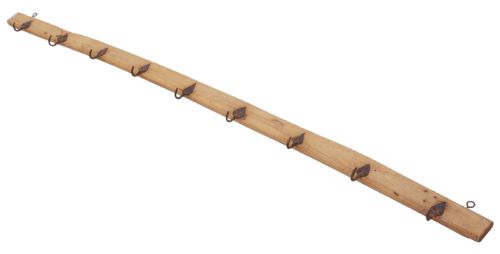
Hardware typically includes iron or brass hinges, latches, and hooks that served purely functional roles in daily kitchen and pantry work. Glazed doors utilise timber frames holding individual glass panes to protect china, books, and provisions from dust.
Traditional Pine Display Retail Price Guide 2026
Typical asking prices for traditional pine display among the pieces listed under this phrase on Sellingantiques today, from the lower quarter to the upper quarter. They describe what is for sale here now, not the wider market.
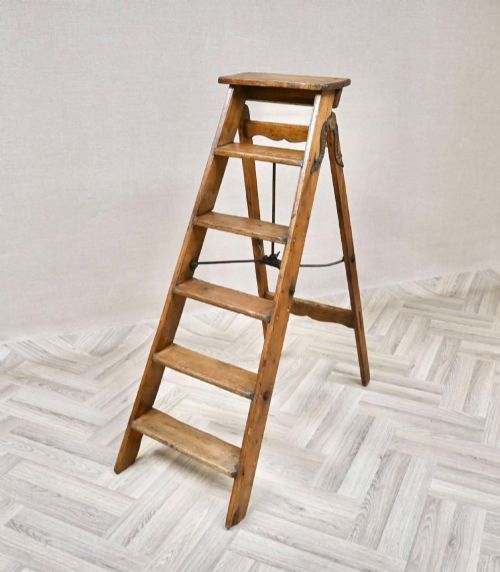
A sturdy wooden shop ladder lingers among the dressers, proving that country pine quietly climbed to reach the top shelf long before we did.
What varies in quality
Quality rests upon the integrity of the timber selection and the retention of original surfaces rather than ornate carving. Pieces retaining their early paint or deep, undisturbed wax patina hold greater visual and historical consistency.
Structural honesty also separates standard utility items from finer examples, seen in well-proportioned cornices, original glazed doors, and undisturbed backboards. Alterations to shelving or replacement hardware shift a piece away from its original workshop state.
The Traditional Pine Display Glossary
- Patina
- The surface sheen and colour built up on wood and paint over many years of handling and cleaning. This gradual ageing process gives older timber its characteristic warmth.
- Breakfront
- A piece of furniture whose central section projects forward from the flanking sides. This architectural arrangement creates depth and visual variety on larger dressers and bookcases.
- Vernacular
- Everyday furniture made by regional joiners and country carpenters to local patterns rather than metropolitan designs. These objects prioritise local utility and available materials.
- Glazed
- Fitted with glass panels in doors or sides to display contents while protecting them. This treatment distinguishes display cabinets and bookcases from enclosed cupboards.
Traditional Pine Display: Frequently Asked Questions
How do I care for a waxed pine cabinet?
Maintain waxed surfaces by applying a traditional beeswax polish sparingly and buffing with a soft cloth. Avoid placing pine furniture near direct heat sources to prevent timber movement.
Keep glass panes clean using standard methods, ensuring moisture does not seep into unsealed wooden rebates around the edges.
Where were these traditional cupboards used?
Original pine dressers and cabinets lived primarily in farmhouse kitchens, sculleries, and pantries to hold daily crockery and foodstuffs. Bookcases and glazed display units also served in parlours and libraries for book storage.
Today, these versatile forms transfer easily into modern kitchens, dining rooms, and sitting rooms for practical display.
How can I tell a Victorian piece from earlier work?
Nineteenth-century and Victorian items often show machine-sawn timber marks and standardised hardware fixings that differ from eighteenth-century hand-cut construction. Regional styles also offer clues through specific cornice profiles and drawer arrangements.
Examining the internal boards and fixings helps clarify the likely manufacturing period.
Are painted finishes on these pieces original?
Many pieces carry later layers of paint applied during household updates over the decades. Original paint finishes show natural wear patterns, underlying crackle, and integration with the timber grain.
Stripped pine has had its paint removed to expose the raw or waxed wood underneath, a common treatment in twentieth-century restoration.