


Traditional Persian Tribal Weaving
Traditional Persian tribal weaving brings together hand-spun wool and natural dyes to create durable floor coverings rooted in village and nomadic traditions.
Traditional Persian Tribal Weaving
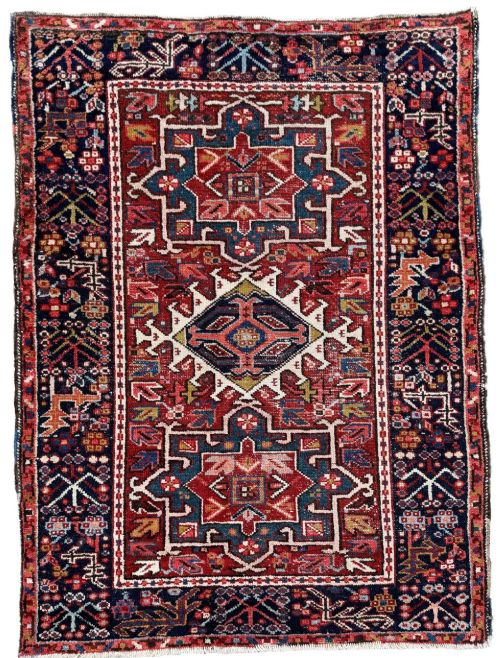
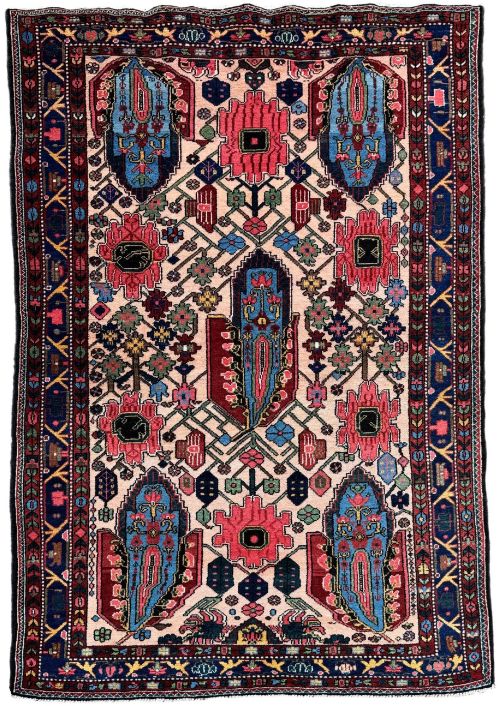
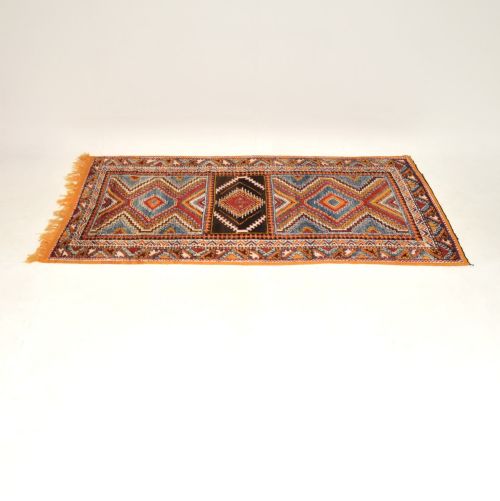
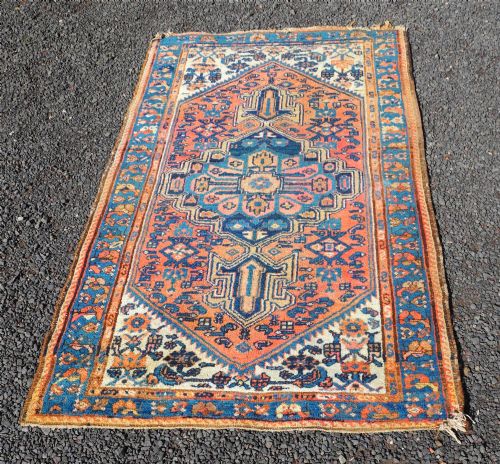
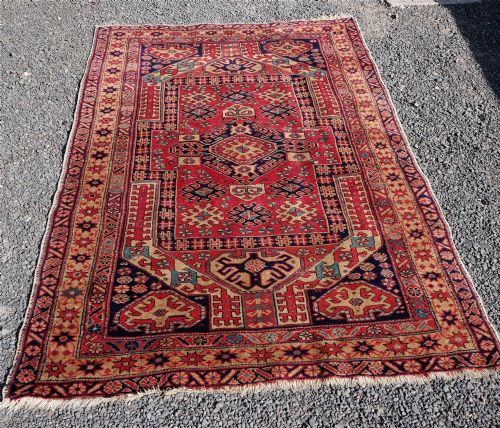
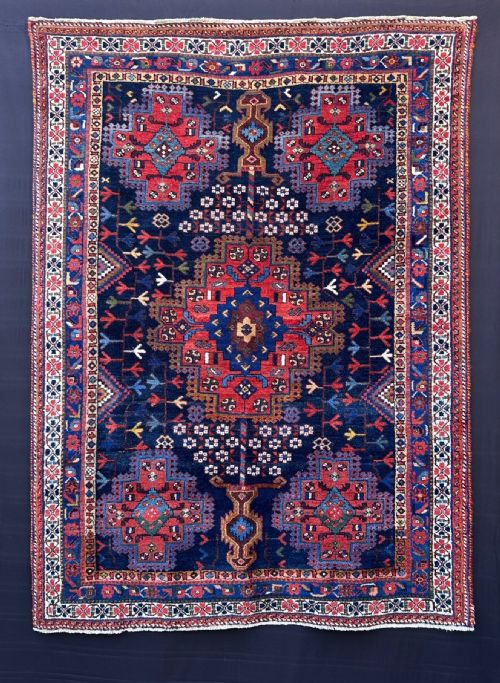
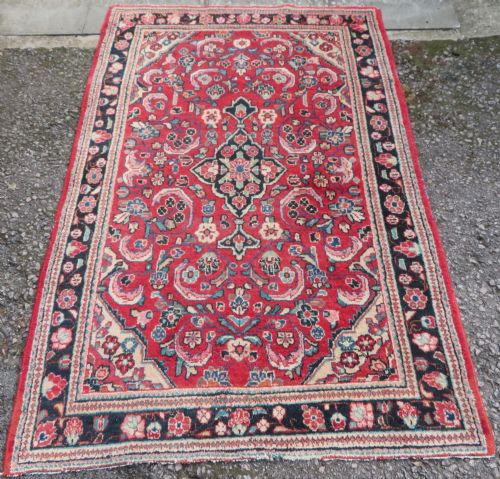
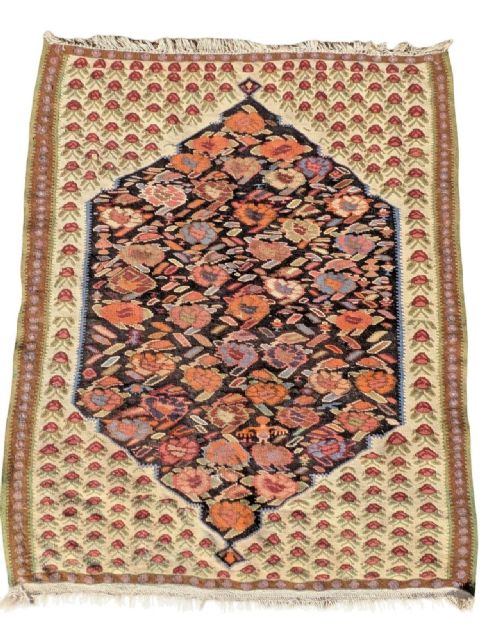
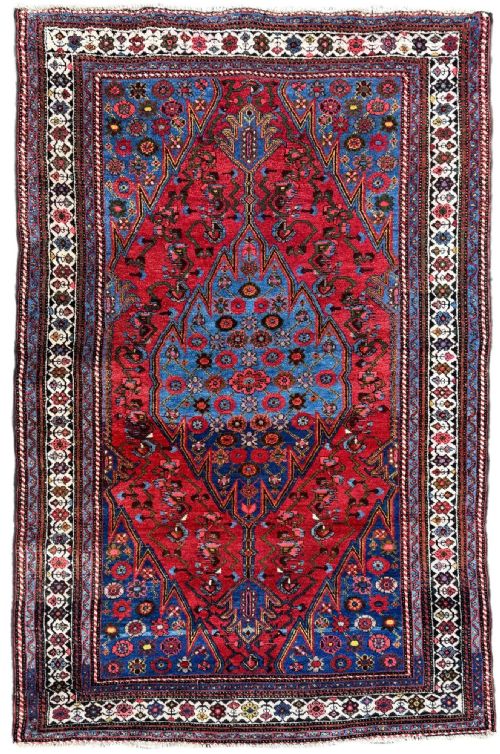
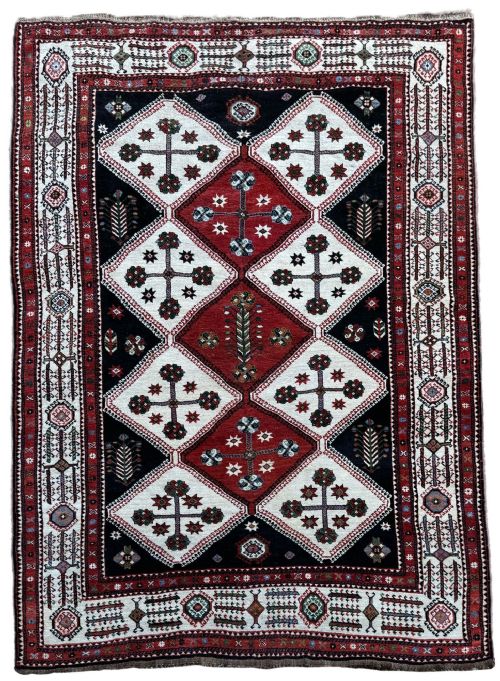
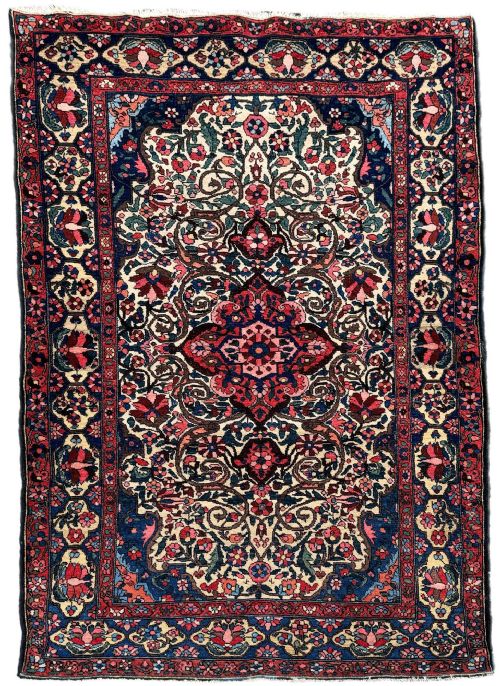
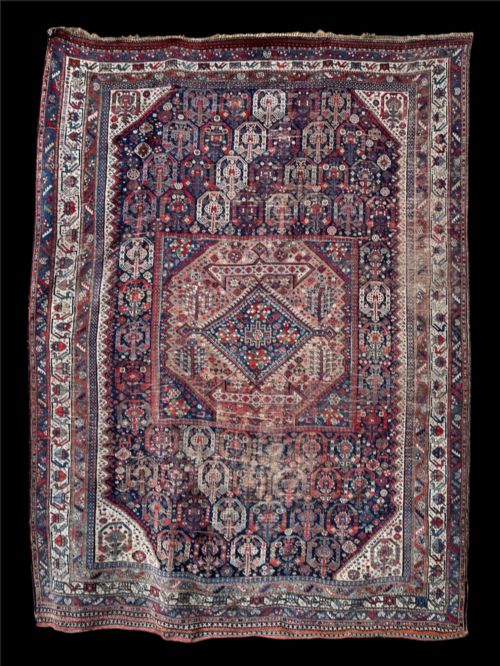
Traditional persian tribal weaving encompasses handmade rugs, carpets, runner rugs, and smaller utility items produced across village and regional centres. When searching for traditional persian tribal weaving, buyers encounter pieces originating from nomadic groups and provincial workshops rather than urban manufactories.
The items span the nineteenth century through the early twentieth century, showing periods like 1900, 1910, and 1920. Common forms include village rugs, room-size carpets, and practical textiles such as bagfaces and sofreh.
Specific regional identities appear frequently across the inventory, referencing areas associated with Kurdish, Afshar, Bakhtiar, Khamseh, Qashqai, and Hamadan makers. These works reflect the domestic and utilitarian requirements of their makers alongside distinct regional motifs.
How traditional persian tribal weaving was made
Makers relied primarily on wool and cotton, often utilising hand-spun wool for the pile to achieve varied textures and resilient structures. Cotton frequently served as a sturdy foundation material for warps and wefts in many village and regional formats.
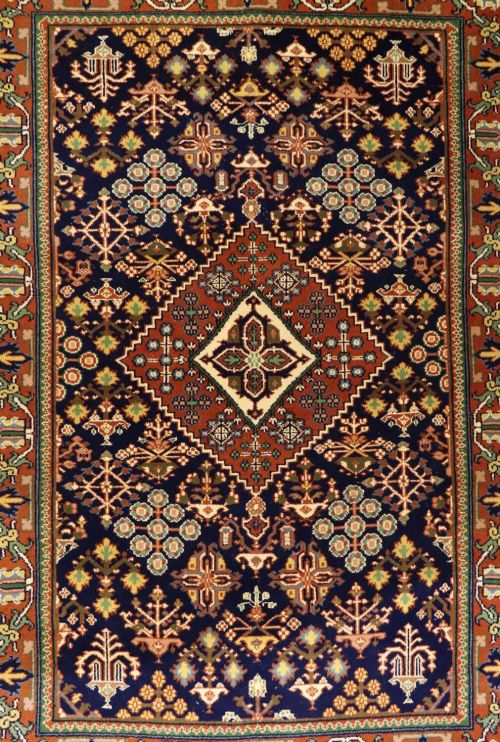
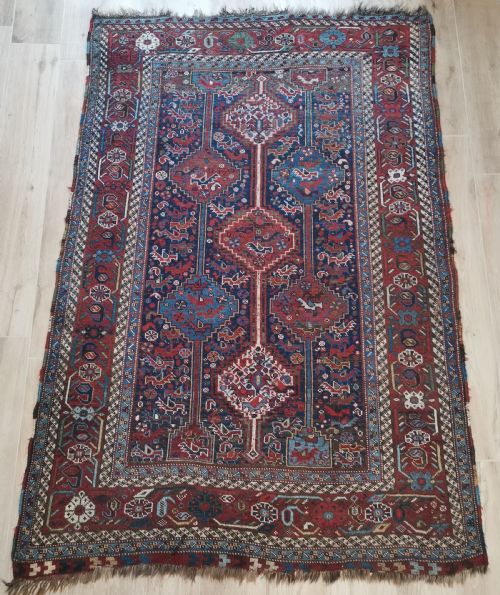
Natural dyes provided the palette for geometric medallions, all-over boteh patterns, and tribal field designs. Weavers knotted or wove these materials by hand, producing robust surfaces intended for heavy domestic use.
Materials documented across the available pieces consist entirely of wool, cotton, hand-spun wool, and natural dyes.
What varies in quality in traditional persian tribal weaving
Quality rests in the handling of natural dyes, where depth and variation across the wool create a living surface. The integrity of the hand-spun wool and the tightness of the knotting dictate the resilience of the textile.
Proportion and execution of tribal motifs distinguish stronger examples from simpler production. The balance of the design within the borders shows the weaver's control over traditional geometries.
The Traditional Persian Tribal Weaving Glossary
- Sofreh
- A flatwoven or piled cloth used for dining, food preparation, or the processing of bread dough. These textiles often display strong tribal geometric organisation.
- Boteh
- A stylised almond or paisley motif representing a floral shoot or cypress tree. It appears frequently in all-over field designs across nineteenth and twentieth-century Persian rugs.
- Bagface
- The decorated front panel of a storage bag produced by nomadic tribes for transport and domestic organisation. They are collected as small-format textile examples.
- Warp
- The stationary vertical threads stretched on the loom that form the structural foundation of the rug. Weft threads are inserted across these warps to secure the knots.
- Medallion
- A central ornamental design motif placed in the middle of the rug field. Tribal versions often use geometric or stepped outlines rather than curves.
Traditional Persian Tribal Weaving: Frequently Asked Questions
How do I identify a tribal rug?
Tribal rugs typically display geometric patterns, asymmetrical layouts, and earthy palettes derived from natural dyes. They reflect the local traditions of specific village or nomadic groups rather than formal court designs.
Look for hand-spun wool and variations in the weave that show individual hand production rather than mechanical uniformity.
What is a sofreh used for?
A sofreh functioned primarily as a spread for communal meals or for kneading bread dough within nomadic and village households. They were made to withstand daily domestic use while displaying traditional symbols.
Collectors appreciate them today as flatwoven or piled textile formats distinct from standard floor rugs.
How should I care for an antique wool rug?
Antique wool rugs require gentle regular vacuuming without a rotating brush bar to protect the hand-knotted pile. Professional cleaning suited to natural dyes and hand-spun wool should be used when necessary.
Keeping the textile out of direct sunlight helps preserve the natural dye colours over time.
What distinguishes Hamadan rugs?
Hamadan rugs originate from a major trading hub that gathered weaving from numerous surrounding villages in western Persia. They often feature durable wool foundations and characteristic geometric or all-over medallion designs.
These pieces were built for practical endurance in family homes.