









Traditional Persian Kilim
Traditional Persian kilim pieces bring woven flatweave history into domestic interiors through geometric motifs and nomadic artistry.
Traditional Persian Kilim
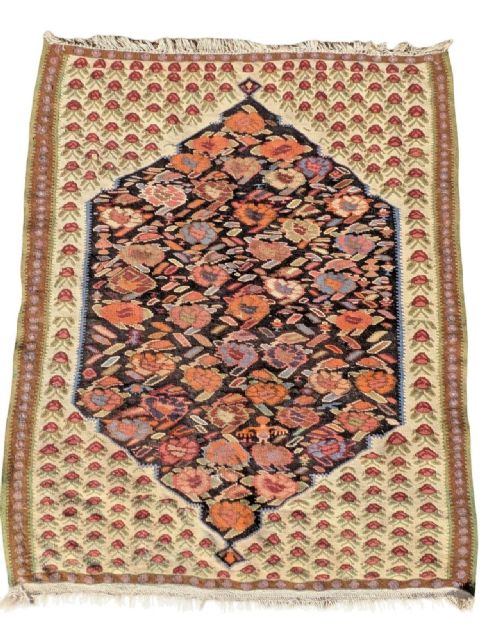
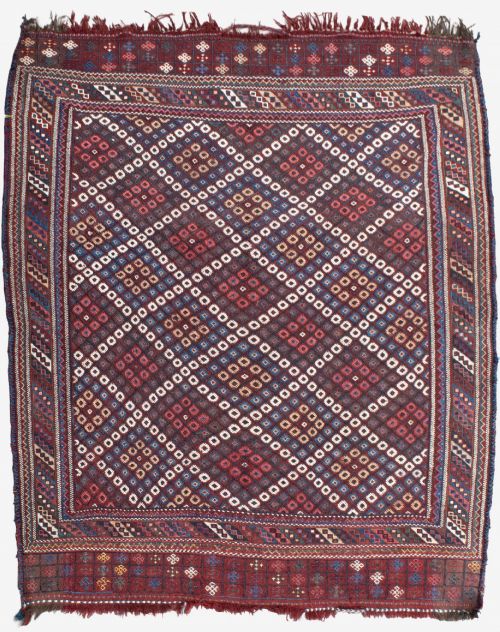
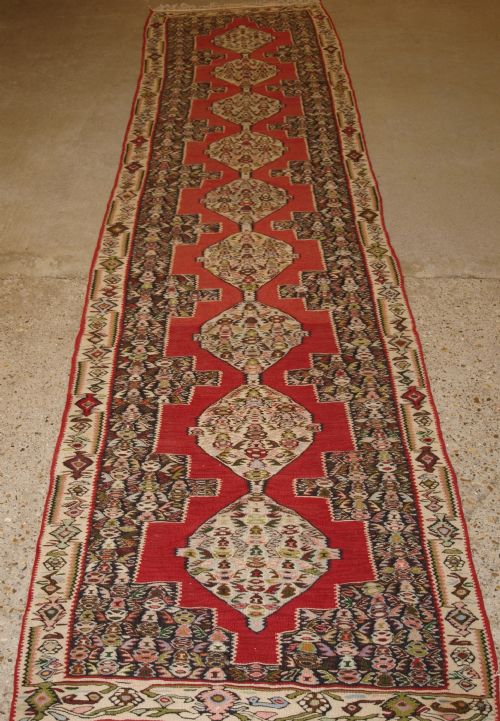
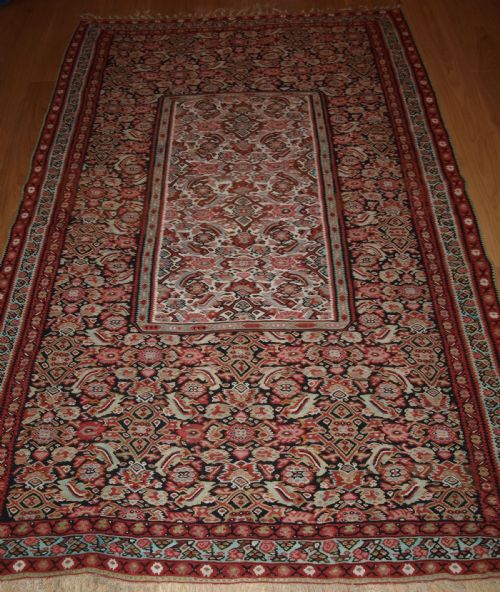
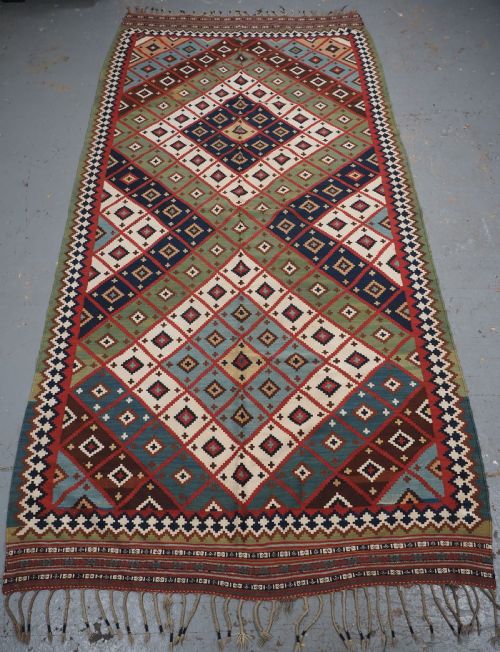
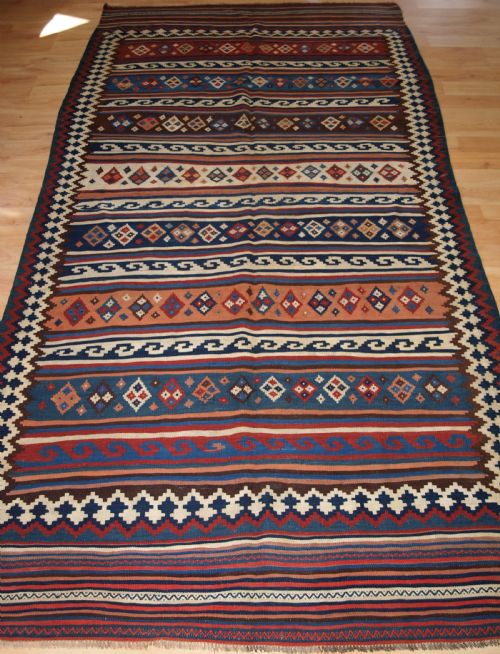
When you search for traditional persian kilim, you encounter flatwoven rugs, runners, cushions, and saddle bags originating from diverse tribal and regional groups across Persia. The selection spans the late nineteenth century into the early decades of the twentieth century, showcasing regional expressions from weavers such as the Qashqai, Baluch, Bidjar, and Senneh.
You meet various formats ranging from small bag faces and narrow corridor runners to large room-sized carpets and occasional seating combined with textile upholstery. These flatweaves served practical domestic and nomadic functions before entering the decorative sphere as collectors items.
What varies in quality
The fineness of the weave and the tightness of the tension dictate the structural integrity and longevity of each flatweave. Dense hand-spun wool produces a resilient handle that distinguishes superior tribal examples from looser commercial productions.
The complexity of the regional design, from intricate diamond medallions to banded field patterns, alongside the preservation of soft natural dye palettes, separates standard domestic items from collector-grade works.
Traditional Persian Kilim Retail Price Guide 2026
Typical asking prices for traditional persian kilim among the pieces listed under this phrase on Sellingantiques today, from the lower quarter to the upper quarter. They describe what is for sale here now, not the wider market.
The Traditional Persian Kilim Glossary
- Kilim
- A flatwoven textile produced without a pile by tightly interweaving warp and weft threads. This technique creates a lightweight fabric utilised for floor coverings, wall hangings, and household bags.
- Sofreh
- A type of spread or cloth traditionally used for serving meals or processing dough. These textiles often display specific regional iconography associated with nomadic hospitality.
- Soumak
- A brocaded flatweaving technique where weft threads are wrapped around the warp threads before being passed back. This method adds structural weight and a distinctive ribbed texture to the surface.
- Bag face
- The decorative front panel of a utilitarian nomadic storage sack removed from its backing. These fragments preserve concentrated examples of tribal design work.
- Warp
- The vertical foundation threads stretched lengthwise on a loom before weaving begins. The density of these threads determines the fineness of the finished textile.
Traditional Persian Kilim: Frequently Asked Questions
What is a traditional persian kilim?
A traditional persian kilim is an antique flatwoven textile produced by nomadic and village weavers across Persia without a pile. These pieces utilise interlocking weft techniques to create geometric patterns.
They function primarily as floor rugs, runners, and decorative furnishings that bring historic nomadic artistry into contemporary rooms.
How do I care for a kilim rug?
Protect antique flatweaves by placing appropriate underlays beneath them to prevent slipping and reduce friction against hard floors. Gentle vacuuming without rotary brush attachments removes embedded grit safely.
Keep these textiles away from direct sunlight to preserve the natural dyed wool colours over years of domestic display.
How do I identify tribal designs?
Tribal designs often feature distinct geometric motifs such as diamond medallions, repeated animal forms, and banded field layouts associated with specific groups. Regions like Qashqai, Bidjar, and Senneh each maintain recognisable structural and visual vocabularies.
Examining the border arrangements and colour combinations helps connect an individual piece to its geographic origin.
What is the difference between a kilim and a carpet?
A kilim is constructed entirely through flatweaving, lacking the raised wool pile found on traditional knotted carpets. This construction makes flatweaves lighter and reversible.
Carpets rely on individual knots tied to a foundation, resulting in a heavier structure and a plush surface texture.