


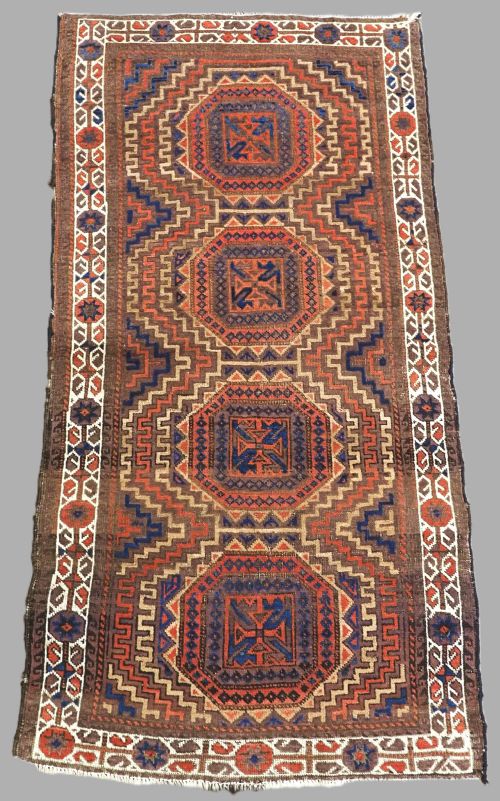
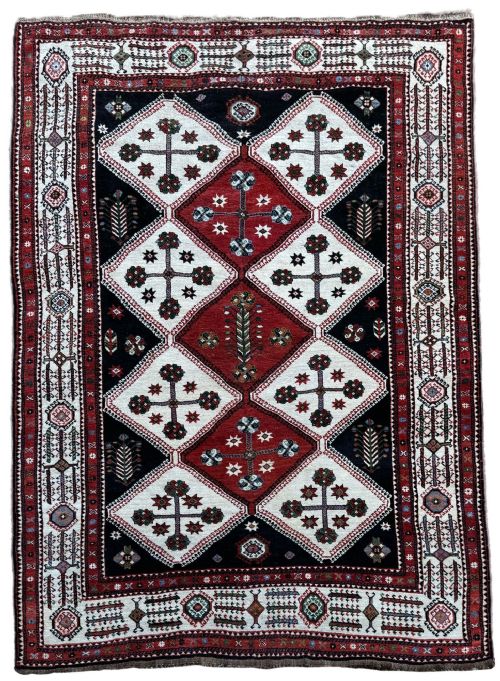
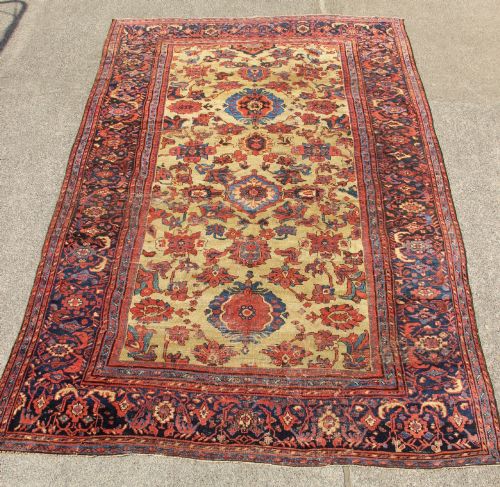
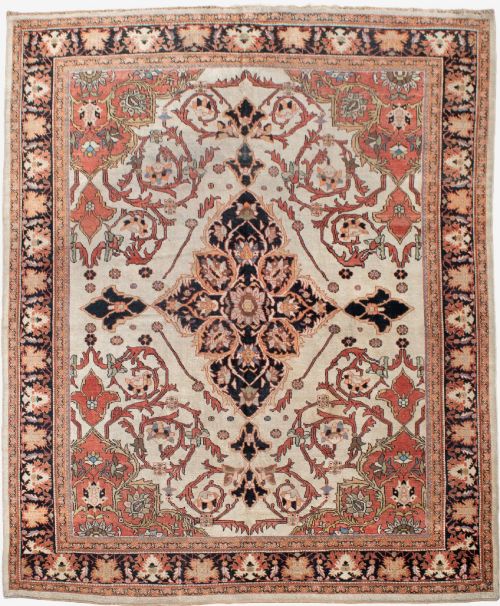


Traditional Persian Carpet Large
These traditional persian carpet large pieces bring substance and grounded history to a room through dense wool and cotton construction.
Traditional Persian Carpet Large
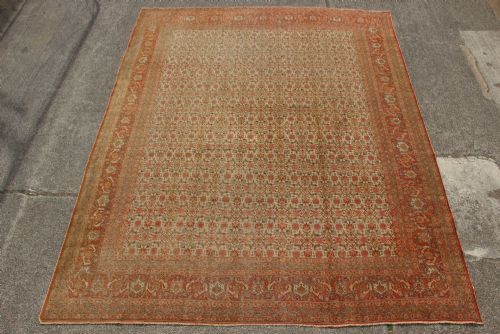
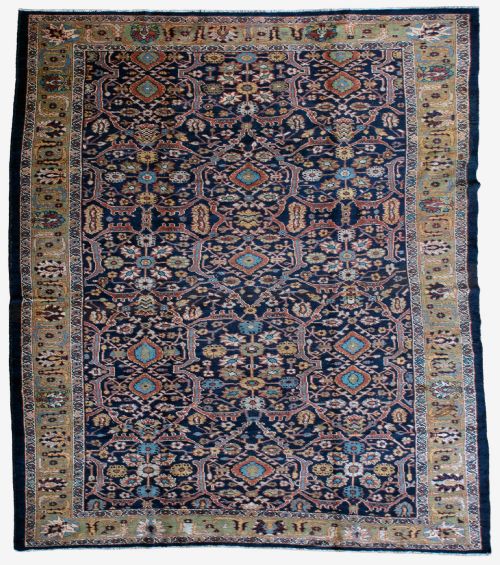
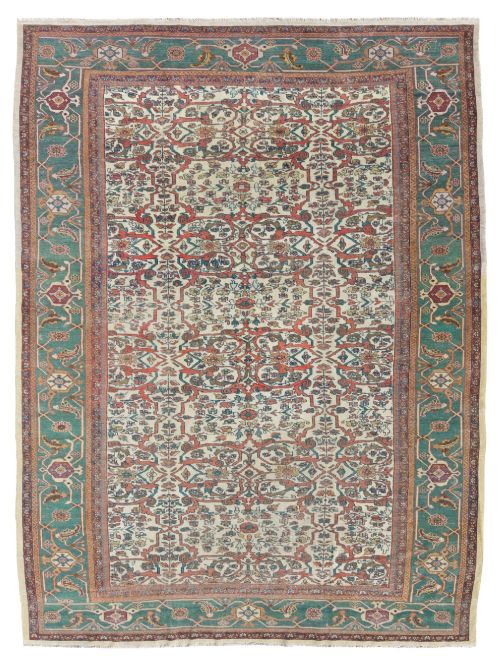
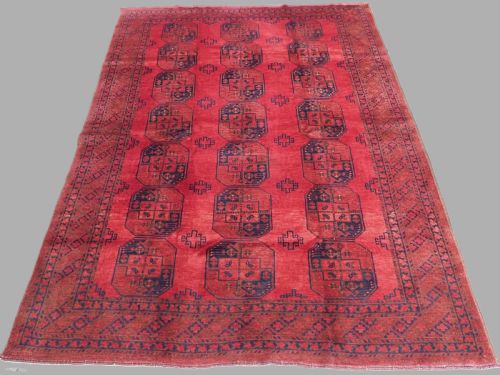
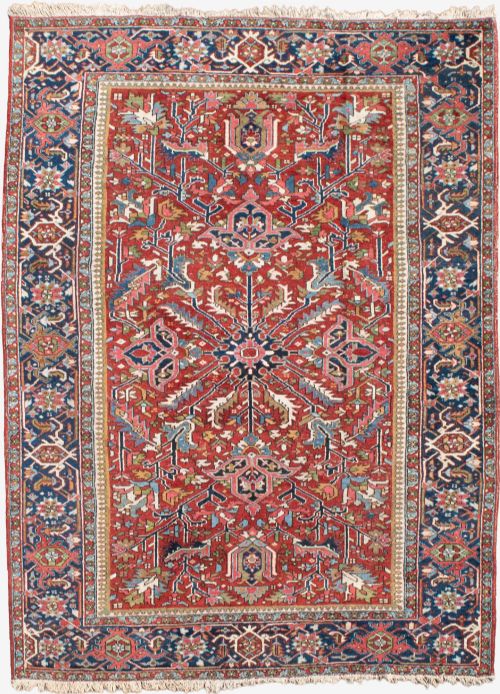
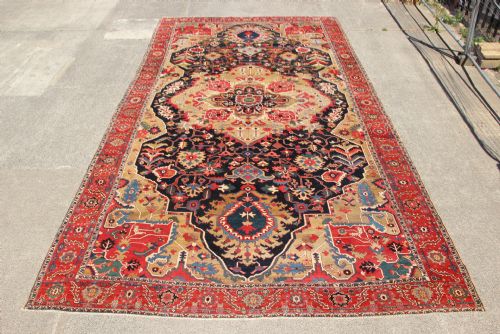
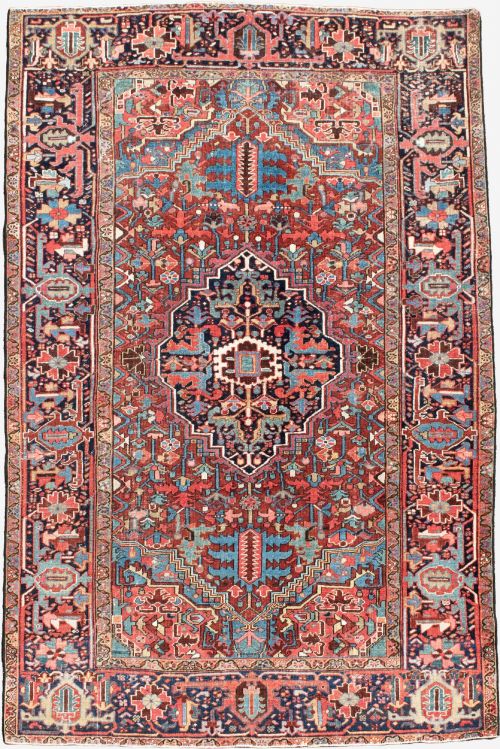
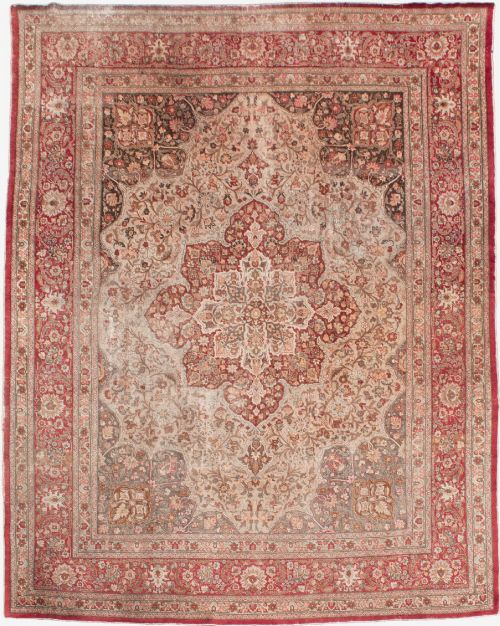
A traditional persian carpet large search reveals room-sized floor coverings originating from various regions across Persia and neighbouring areas, dating predominantly from the nineteenth and early twentieth centuries.
The pieces appearing most frequently include Heriz, Mahal, Sultanabad, and Tabriz carpets, which were woven in village workshops and city manufactories to serve substantial living spaces.
These floor coverings utilise formats ranging from wide room-size formats to elongated runners, incorporating both geometric village patterns and intricate curvilinear floral compositions.
Materials and Construction
Makers constructed these carpets using wool pile knotted onto sturdy cotton foundations, providing the density required for heavy domestic use over generations.
Dyers employed traditional colourants derived from natural sources to achieve deep reds, soft blues, and ivory grounds that mellow gracefully with age.
Listings span production dates from eighteen-fifty through to nineteen-forty, utilising wool and cotton across regional styles including Heriz, Ferahan, and Tabriz.
Factors of Quality
Knot density and precision in the handling of the wool dictate the structural integrity and definition of the woven design across different pieces.
The clarity of the colour palette and the balance of the original composition separate standard village weaving from exceptionally fine workshop productions.
The Traditional Persian Carpet Large Glossary
- Heriz
- A style originating from north-west Persia known for bold geometric medallions and robust structural wool.
- Foundation
- The underlying grid of warp and weft threads, typically cotton in these examples, that holds the knotted pile in place.
- Gul
- A medallion or repeating floral motif often found in tribal and village rugs.
- Ferahan
- A specific type of Persian weaving recognised for fine knotting and sophisticated floral field designs.
Traditional Persian Carpet Large: Frequently Asked Questions
How do I clean a large antique carpet?
Vacuum gently without a rotating brush bar to prevent snagging the wool pile. Professional specialist cleaning is recommended for deep washing.
Avoid household chemical treatments or excessive water immersion, which can damage the natural cotton foundation and alter the antique dyes.
Are these carpets suitable for heavy foot traffic?
The robust wool and cotton construction of these large room-size pieces makes them well-equipped for everyday use in busy hallways and reception rooms.
Placing a suitable underlay beneath the carpet will reduce friction against the floorboards and extend the lifespan of the textile.
How can I tell a Heriz from a Tabriz?
Heriz carpets typically display bold, geometric central medallions and sturdy angular drawing executed in resilient village wool.
Tabriz carpets generally feature finer curvilinear floral patterns, intricate hunting scenes, or medallion designs woven in established city workshops.
What is the best way to place a room size carpet?
Position the piece so that the main furniture pieces in the seating area sit comfortably on top or frame the central field design.
Ensure the room receives balanced light to appreciate the natural variation in the wool colours across the expanse of the rug.