

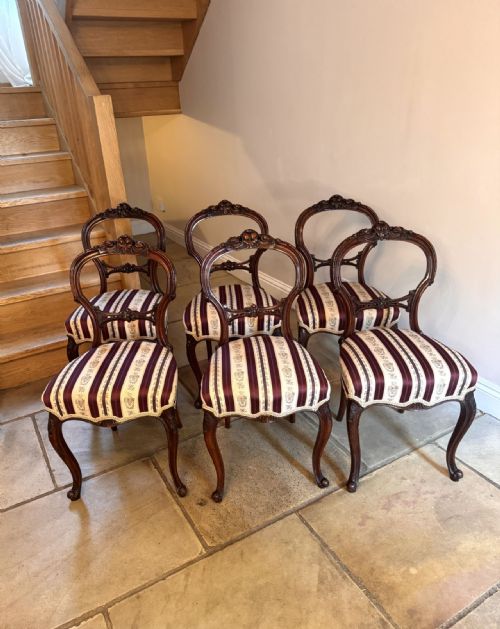
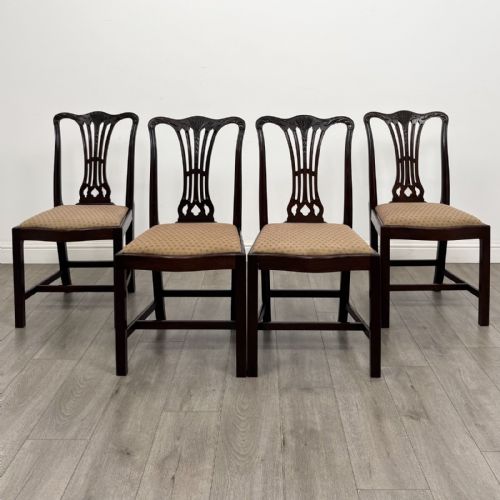
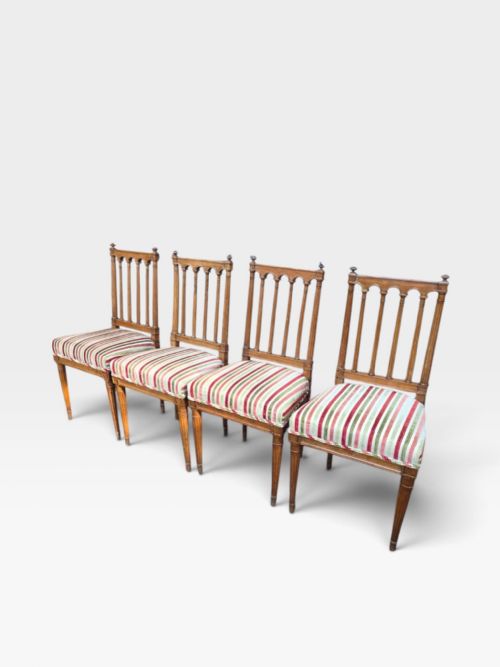
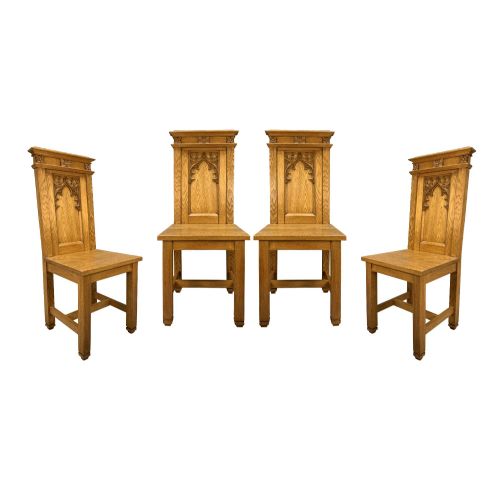
Traditional Period Chairs
Traditional period chairs bring centuries of carpentry into daily rooms, offering solid timber frames and classic silhouettes that anchor an interior.
Traditional Period Chairs
Traditional period chairs encompass diverse seating forms from the eighteenth and nineteenth centuries, alongside later revivals spanning the Edwardian era and the nineteen-twenties.
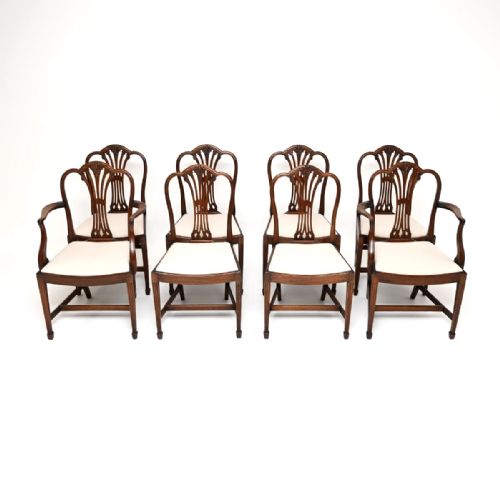
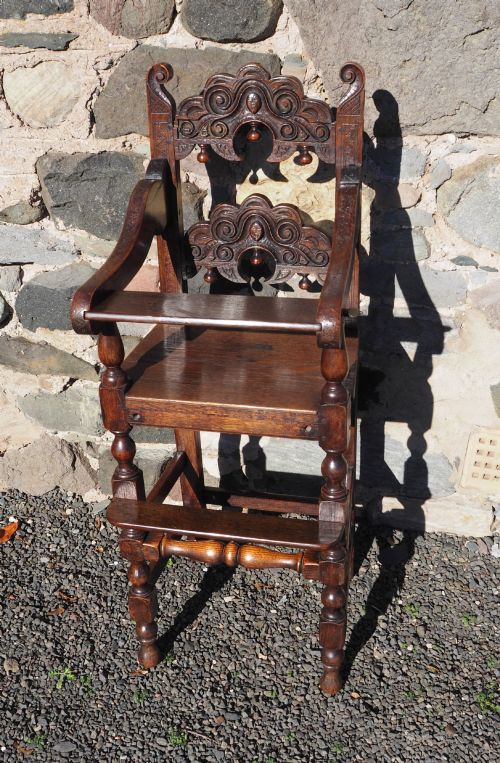
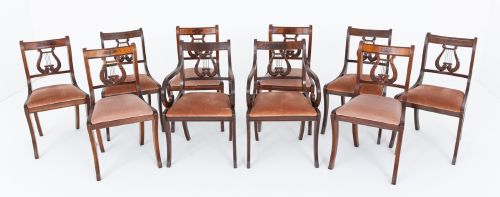
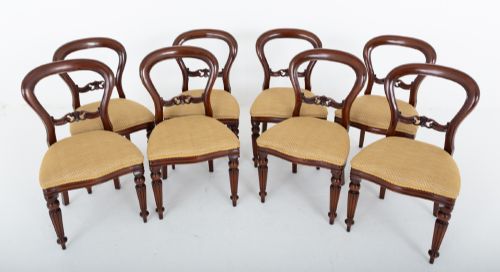
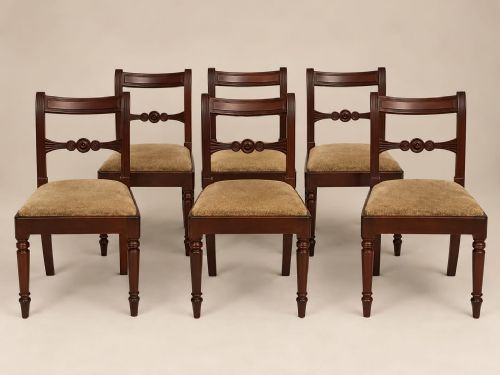
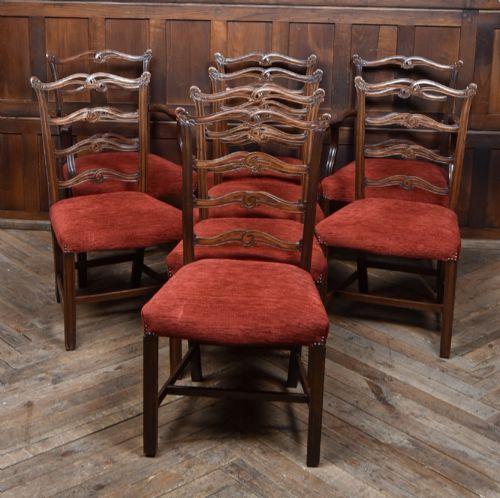
Dining chairs dominate the selection, often found in sets of six or eight, accompanied by individual armchairs, side chairs, and high chairs.
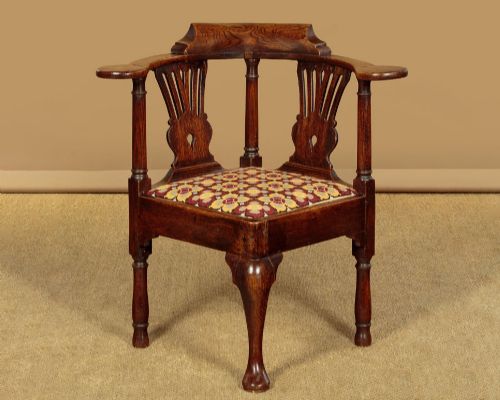
Makers drew on Georgian, Regency, and Victorian aesthetics, producing items in oak, mahogany, walnut, and elm for domestic use.
Materials and Construction
Carpenters relied principally on hardwoods such as mahogany, oak, and walnut, frequently pairing them with elm for seat pads or ash for ladder backs.
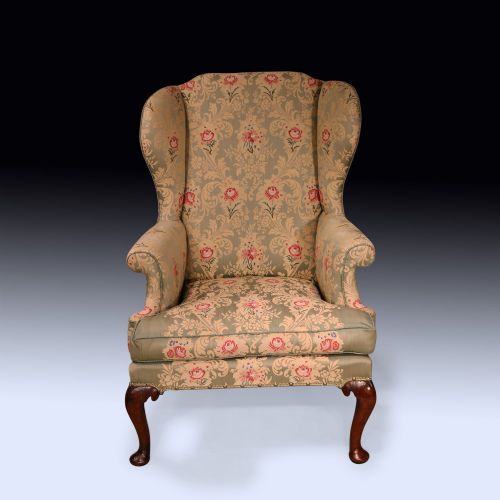
Upholstery utilised traditional textiles including leather, velvet, and woven fabric, secured over horsehair stuffing within frames joined by tenons.
Traditional Period Chairs Retail Price Guide 2026
Typical asking prices for traditional period chairs among the pieces listed under this phrase on Sellingantiques today, from the lower quarter to the upper quarter. They describe what is for sale here now, not the wider market.
Listings feature mahogany, oak, and walnut across Georgian, Regency, and Victorian periods.
Craftsmanship and Proportion
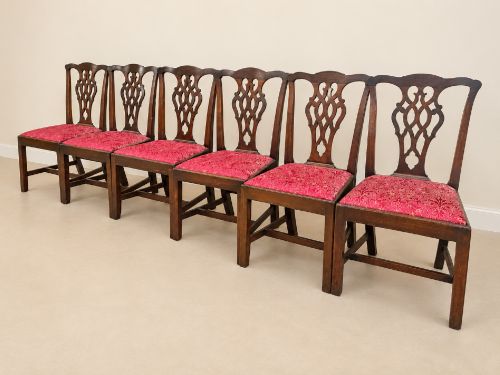
Superior examples reveal crisp timber carving on splats and rails, whereas simpler pieces rely on plain turned legs and straightforward board seats.
Sets maintain uniform timber grain and matching proportions across every chair, while lesser groups combine mismatched elements from later restorations.
The Traditional Period Chairs Glossary
- Balloon back
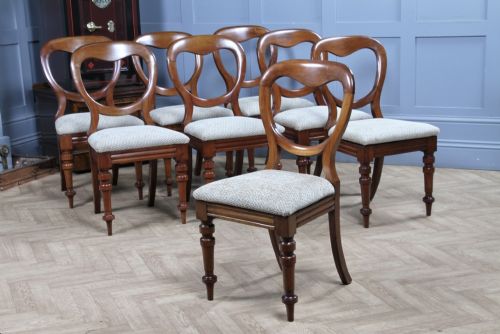
- A rounded, oval-shaped backrest popular on nineteenth-century dining chairs. This curved wooden frame provides ergonomic support for the spine.
- Splat
- The vertical wooden slat positioned in the centre of a chair back. Master carvers pierced and shaped these boards into intricate openwork patterns.
- Shield back
- A chair back shaped like a heraldic shield, championed by eighteenth-century designers. This silhouette tapers neatly towards the seat rails.
Traditional Period Chairs: Frequently Asked Questions
How do I date a traditional chair?
Examine the timber species, joinery methods, and the overall style of the backrest to establish the period of manufacture.
Changes in stretcher placement and leg turning also provide reliable clues for distinguishing eighteenth-century originals from later Edwardian revivals.
Can I use antique dining chairs daily?
Solid mahogany and oak dining chairs from Georgian and Victorian periods were built for rigorous daily use and remain structurally robust.
Regular checks of the joints and gentle wax polishing will keep timber frames stable for modern dining.
What is a carver chair?
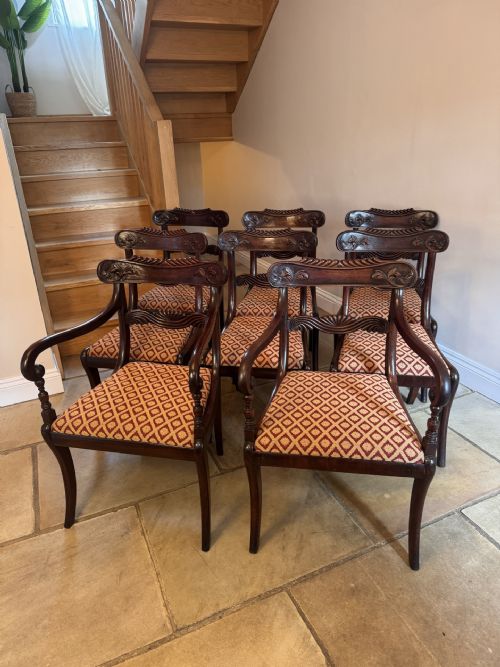
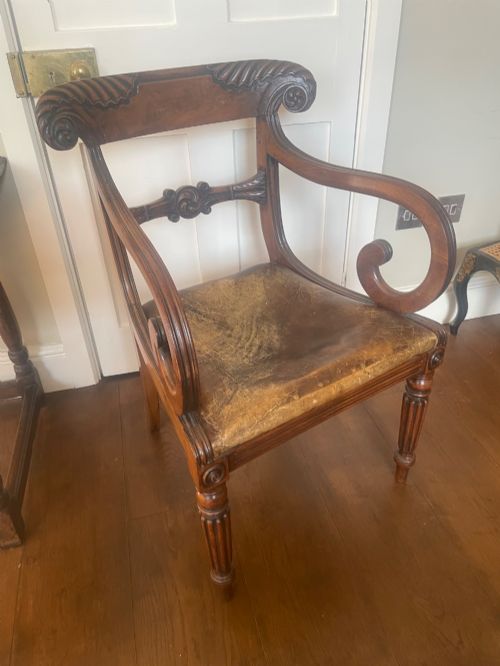
A carver is an armchair styled to match a set of dining side chairs, traditionally placed at the ends of the table.
These pieces feature integrated armrests to provide additional comfort while maintaining the design language of the set.
How do I care for antique leather upholstery?
Original leather benefits from light conditioning to maintain flexibility and prevent the surface from drying out over time.
Avoid placing leather-seated chairs in direct sunlight or near heat sources to preserve the hide.