
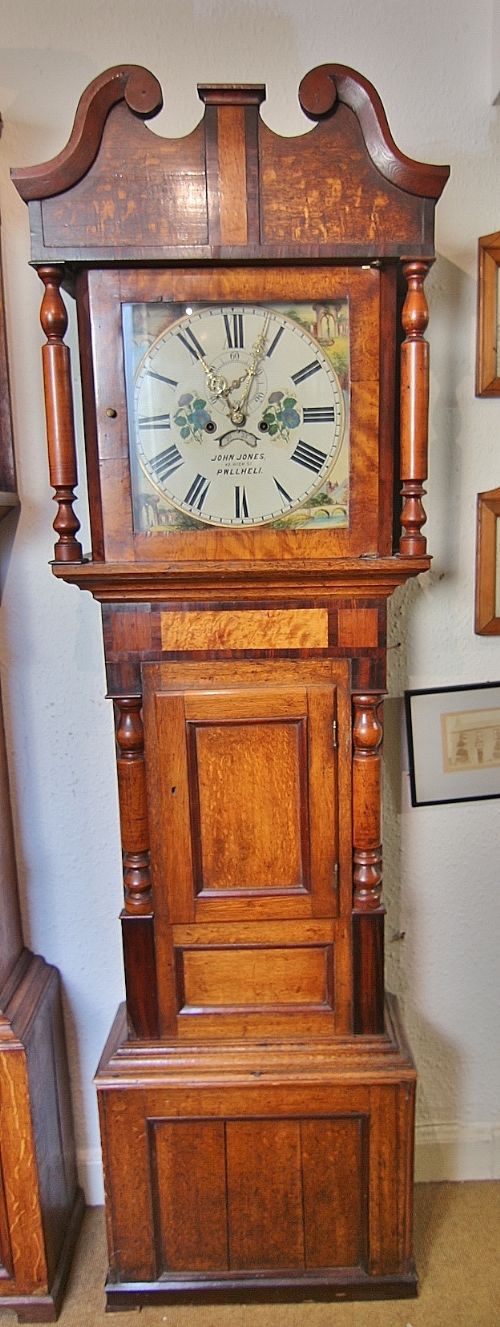
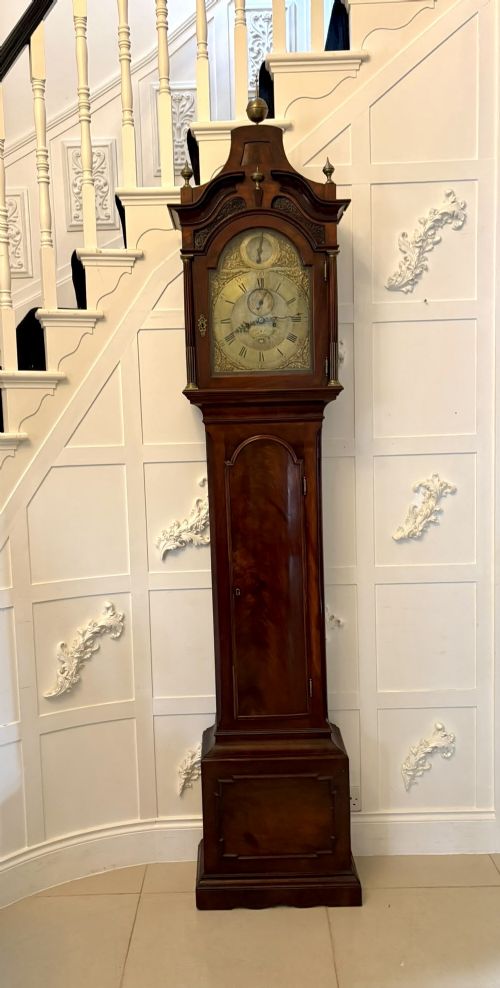
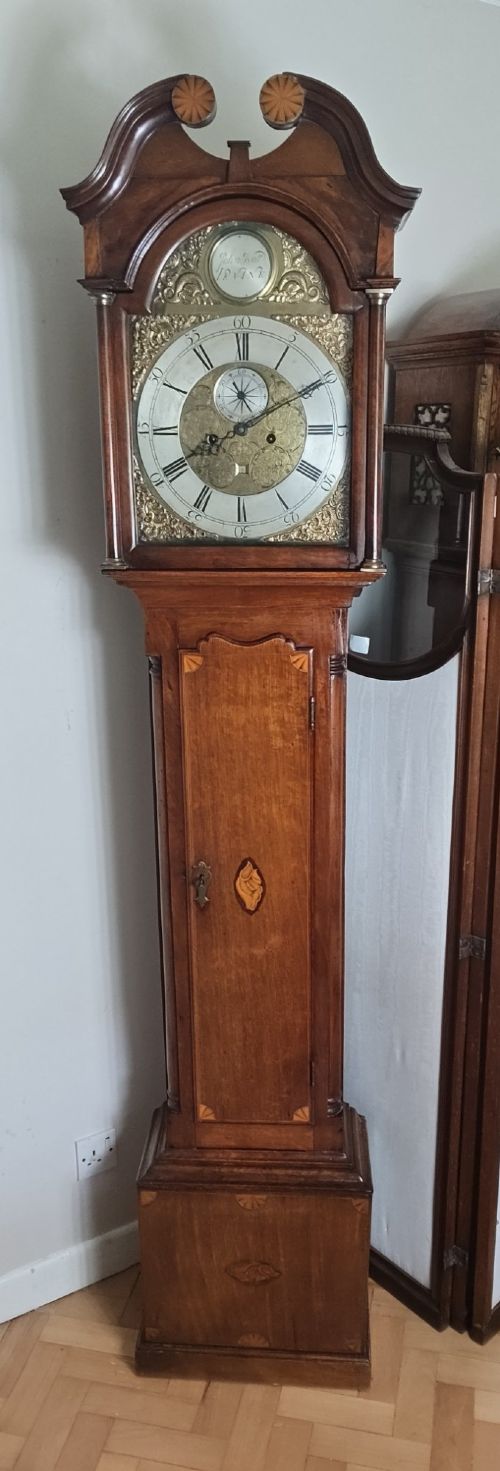
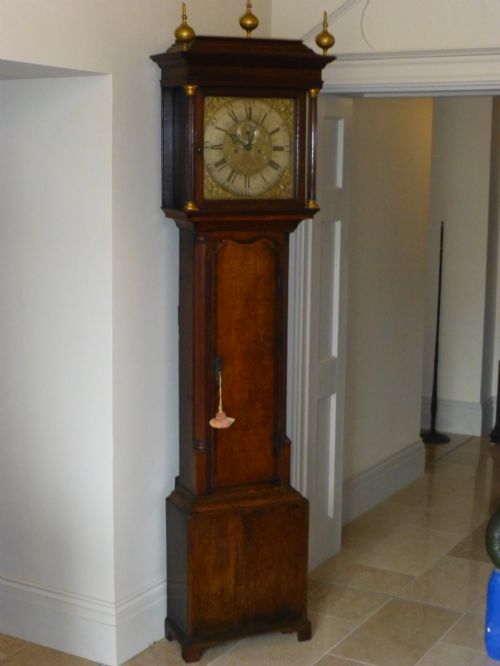
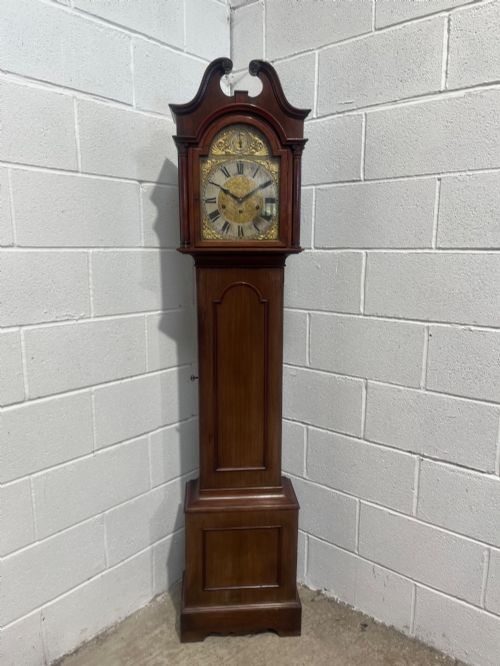
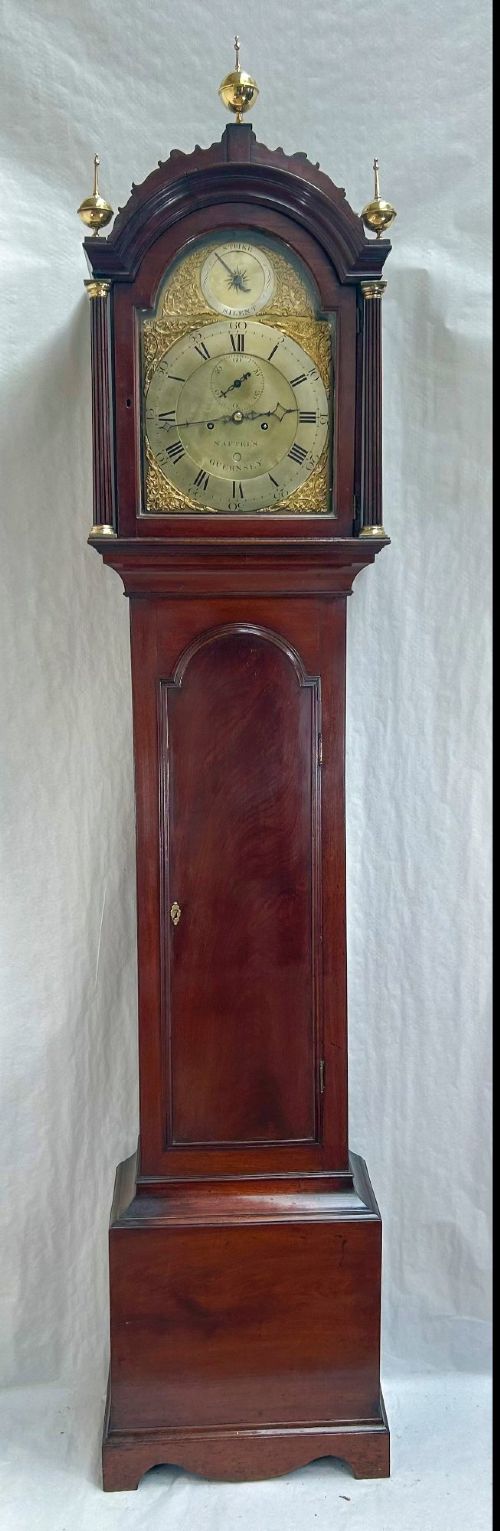
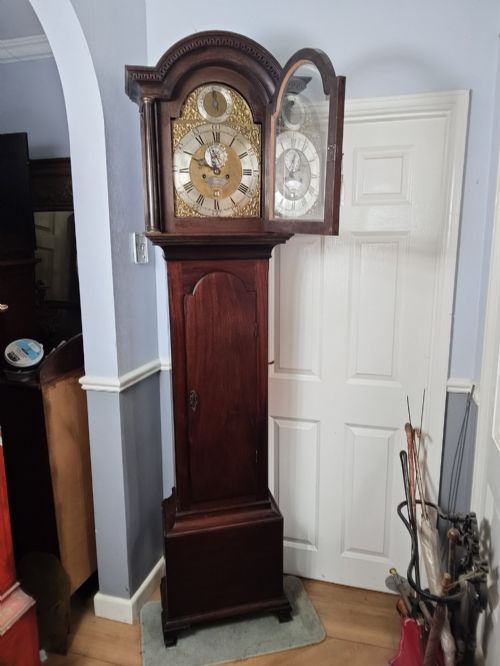
Traditional Pendulum Grandfather Clock
A traditional pendulum grandfather clock brings deep timber presence and measured time to a hallway, drawing the eye with a slow, hypnotic sweep.
Traditional Pendulum Grandfather Clock
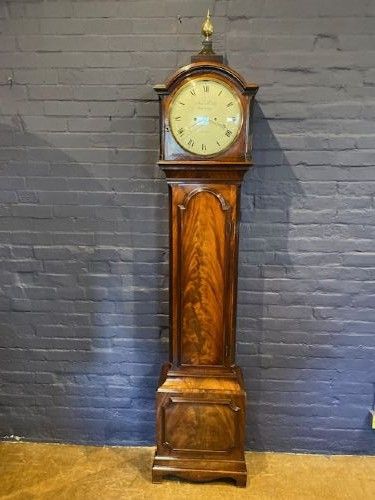
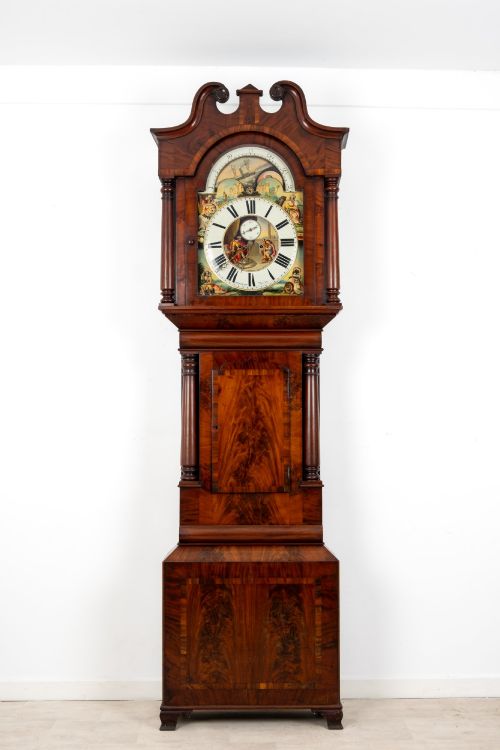
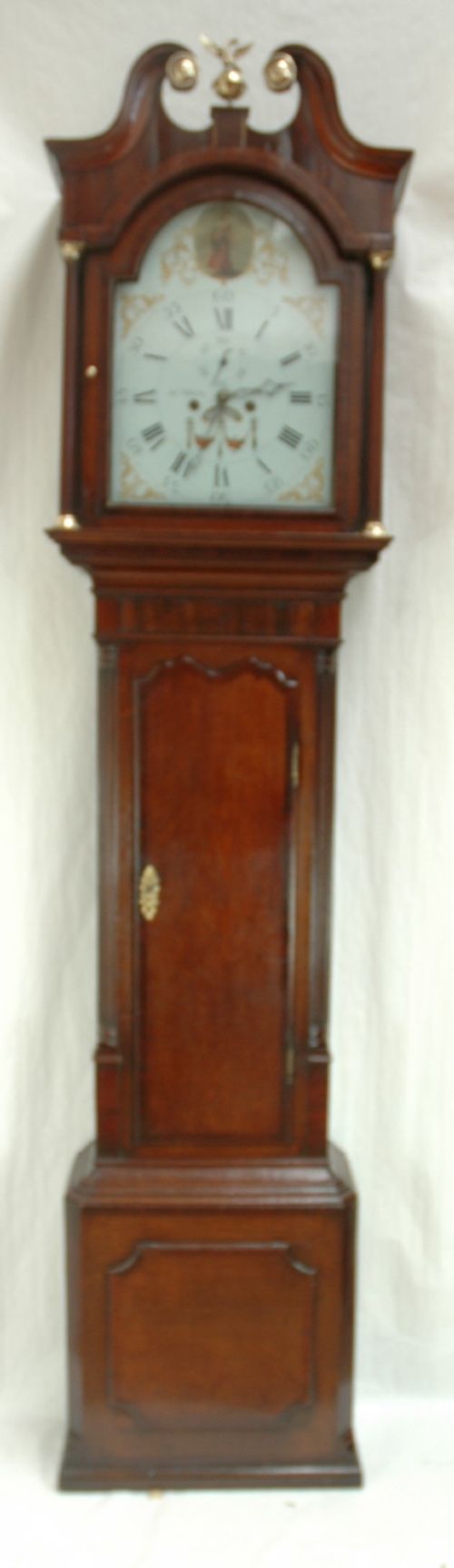
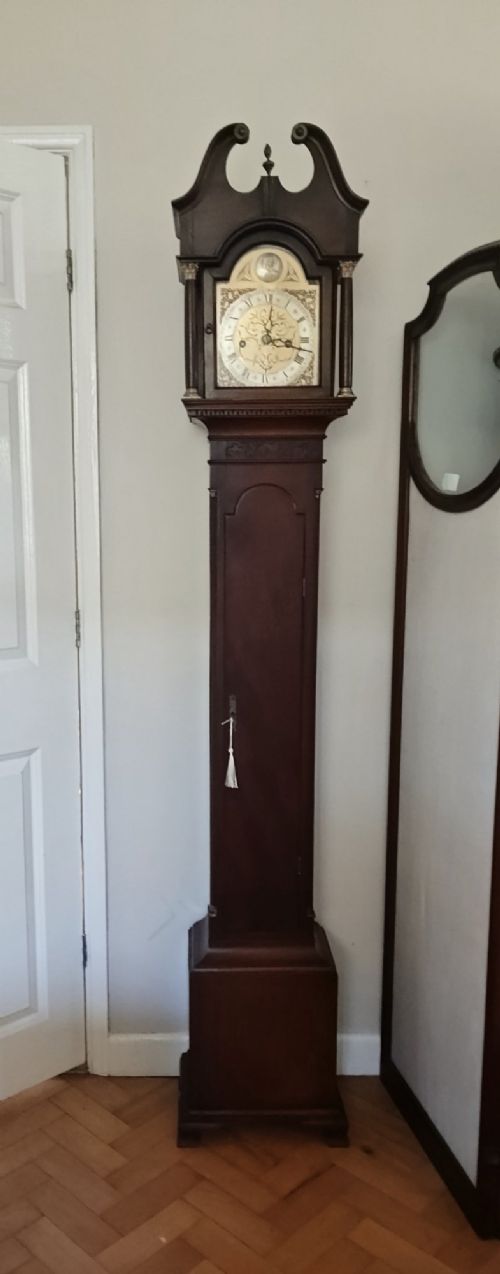
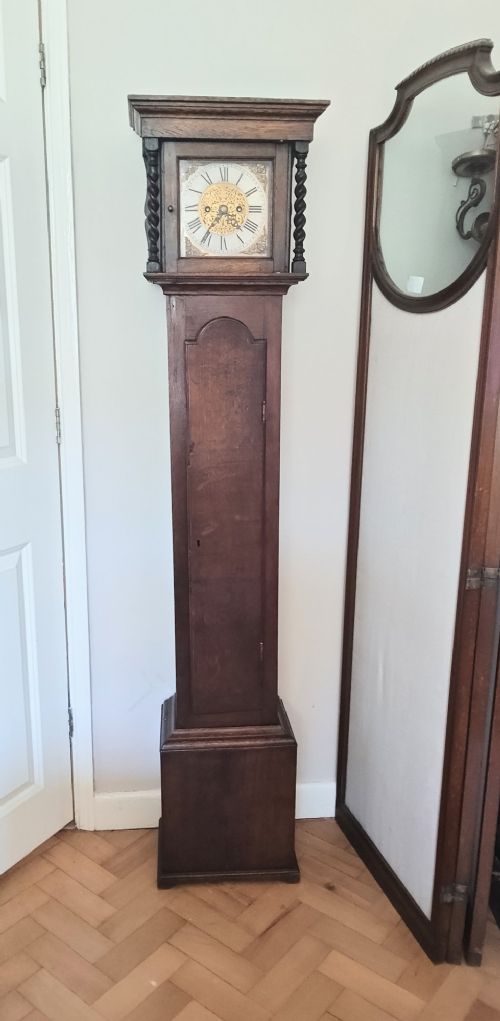
A traditional pendulum grandfather clock stands tall on the floor, housing a swinging pendulum and weight-driven movement within a timber case. Buyers examining this page encounter floor-standing pieces termed longcase clocks, grandfather clocks, and smaller grandmother or granddaughter variants.
The pieces span several distinct eras, appearing in Georgian, Victorian, Edwardian, and later twentieth-century interpretations. Oak, mahogany, and walnut form the primary structural timbers, often paired with brass or painted iron dials.
Materials and construction methods
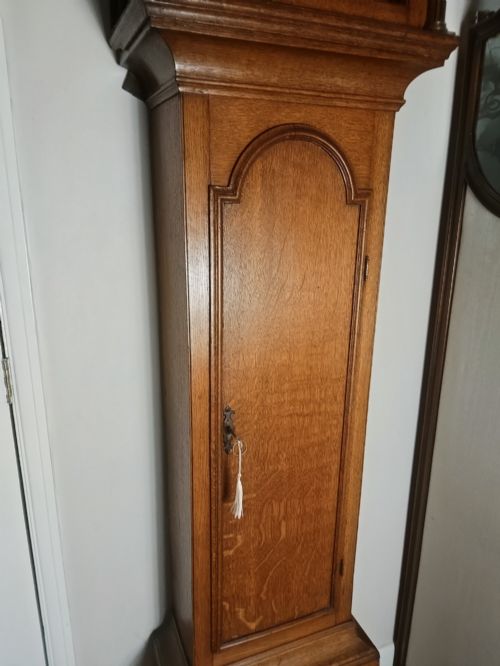
Cabinetmakers built these tall cases predominantly from solid oak, mahogany, or walnut, sometimes selecting figured timbers or adding inlay for decorative depth. Glass panels protect the dial face, while brass and steel components form the intricate mechanical gear trains inside.
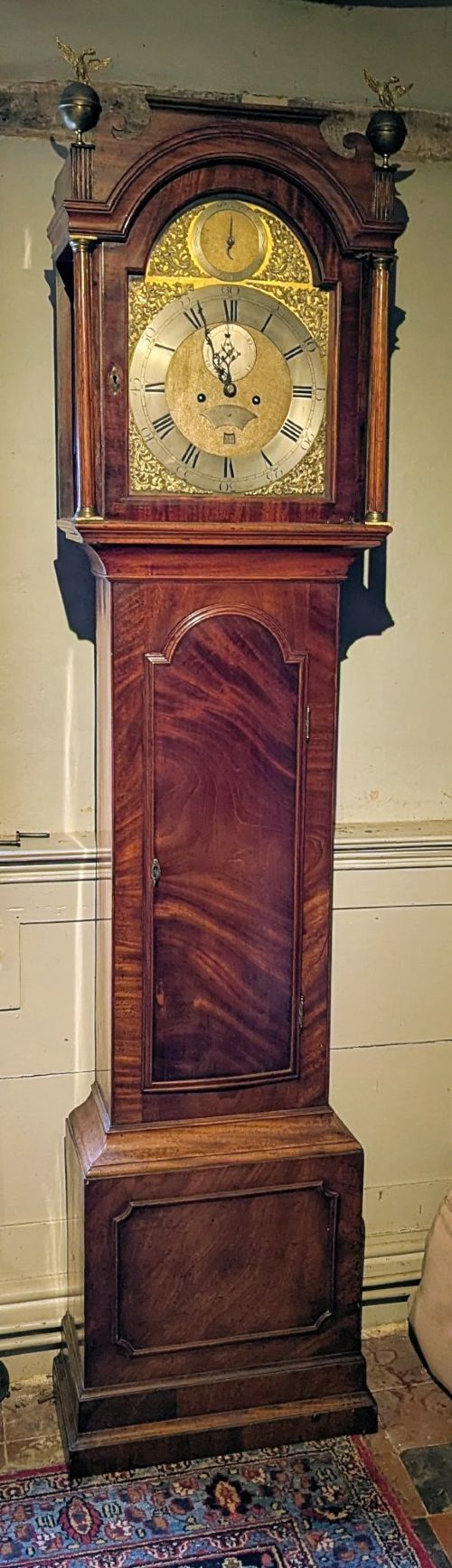
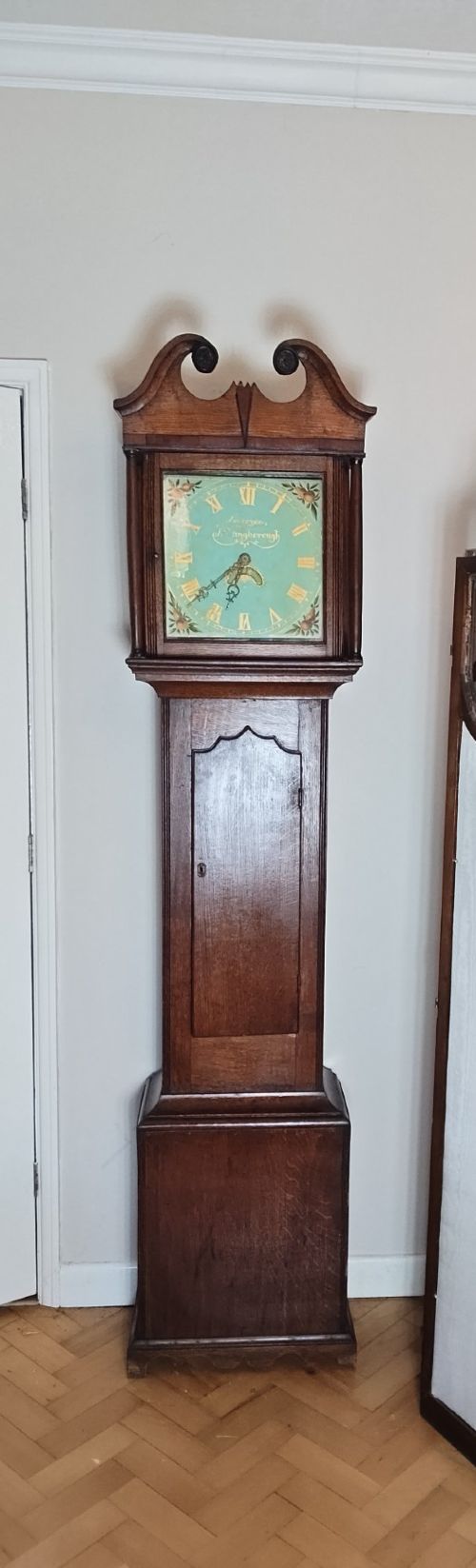
Dial faces combine engraved or polished brass with painted iron, occasionally incorporating moon rollers or strike-silent mechanisms. Artisans constructed these movements to run for eight days or shorter spans, driven by hanging weights and regulated by a suspended pendulum.
Regional Scottish workshops appear alongside London makers among the recorded longcase clock origins.
Distinctions in craftsmanship
The refinement of the cabinetwork dictates the upper tier of these clocks, seen in carefully matched timber grains, precise inlay, and well-proportioned mouldings. Simpler regional pieces display robust utility, whereas examples originating from known urban workshops often exhibit finer detailing on the hood and trunk.
Movement complexity similarly divides the range, moving from basic timepieces to those featuring striking trains, quarter chiming, or moon phases. The crispness of the brass engraving on the dial face and the integrity of the original case timber elevate certain pieces above standard production.
Smith of Chester·James McCabe·Parkinson Bros Batley·Henry Weedon London·Thwaites London·Handley Moore Of London
The Traditional Pendulum Grandfather Clock Glossary
- Longcase clock
- The formal horological term for a tall pendulum clock housed in a wooden floor-standing case. These pieces are commonly referred to as grandfather clocks.
- Grandmother clock
- A smaller, more slender version of the traditional tall clock, typically dating from the twentieth century. It occupies less floor space while retaining the weight-driven pendulum mechanism.
- Moon phase
- A dial mechanism tracking the lunar cycle through a rotating painted disc visible through an arch in the face. This feature adds mechanical complexity and visual movement to the dial.
- Strike silent
- A mechanism allowing the clock's hourly chime to be manually silenced without stopping the movement. It is often found on better quality Georgian and Victorian examples.
- Paterae
- Small circular decorative reliefs carved or inlaid into furniture timber. They frequently appear on neoclassical and later mahogany clock cases.
Traditional Pendulum Grandfather Clock: Frequently Asked Questions
How do I wind an eight day clock?
An eight day traditional pendulum grandfather clock requires winding every week using a specialised key inserted into the dial holes. Turning the key gently draws the internal weights back up to the top of the case.
Care must be taken not to over-wind the movement once tension is felt. Ensuring the weights rise evenly keeps the gear train operating smoothly throughout the week.
Where should I place a longcase clock?
These tall clocks require a stable, level floor and a secure fixing to the wall through the back of the case. Placing them away from direct sunlight and sudden temperature shifts protects the timber and dial.
An interior hallway or living room provides an ideal environment where foot vibrations are minimal. A stable surface ensures the pendulum swings evenly and the beat remains consistent.
How do I tell a Georgian clock from a Victorian one?
Georgian traditional pendulum grandfather clock examples often feature architectural oak or mahogany cases with square or arched brass dials. Their proportions tend to be robust and functional, reflecting eighteenth-century design canons.
Victorian and Edwardian pieces frequently showcase richer mahogany veneers, sometimes with elaborate inlay or slimmer proportions. The dial styles also shift to incorporate bolder painted iron faces and more ornate hood mouldings.
What is the difference between a grandfather and grandmother clock?
A traditional grandfather clock stands over six feet tall and commands a significant footprint in a room. Its scale accommodates full-length weights and a long pendulum.
Grandmother and granddaughter clocks are scaled-down versions, generally appearing in twentieth-century listings. They offer the traditional aesthetic and mechanical function in a shorter, slender case suitable for smaller spaces.