

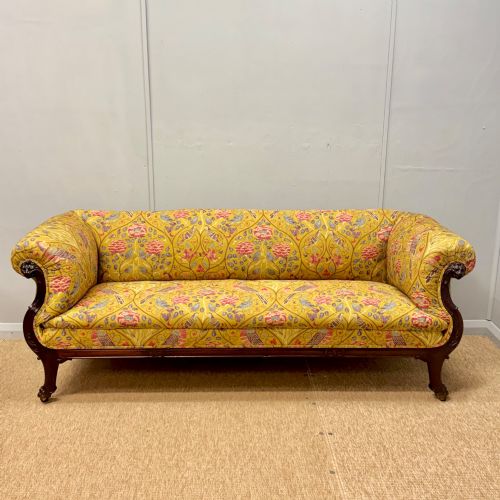
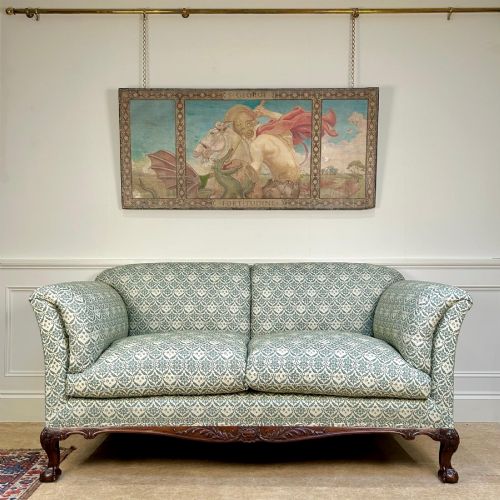
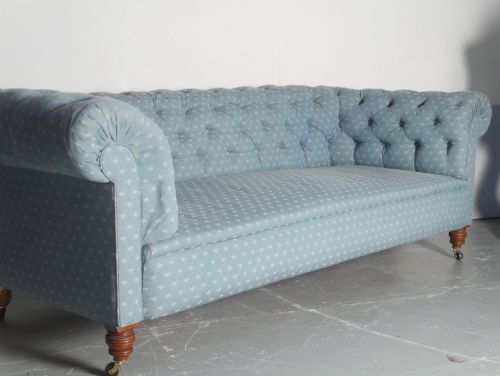
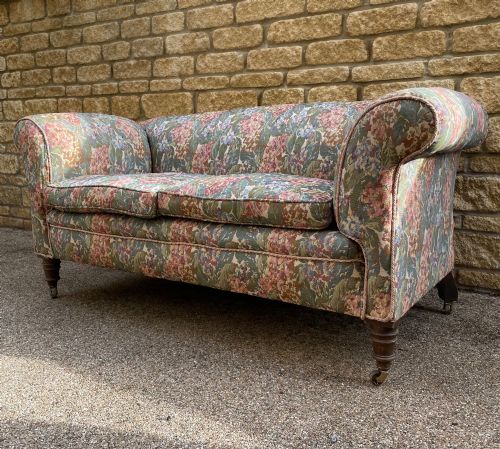


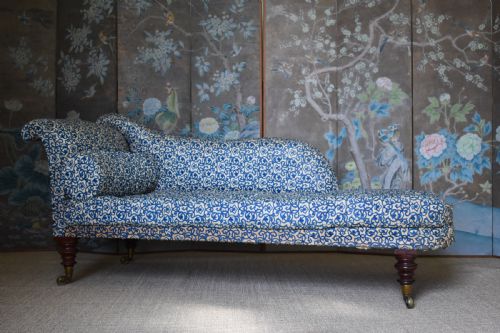
Traditional Patterned Couch
A traditional patterned couch brings deep upholstery and classic textiles straight into a living space, offering generous seating rooted in past centuries.
Traditional Patterned Couch
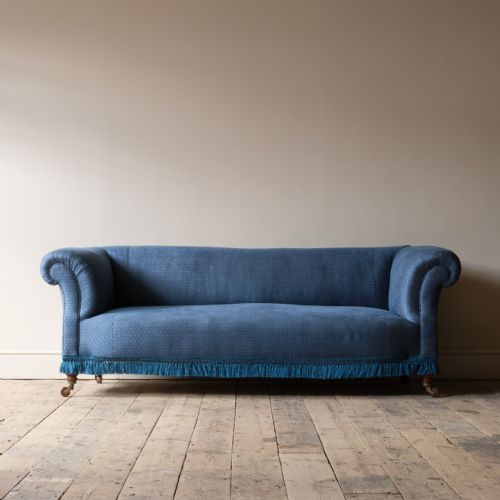
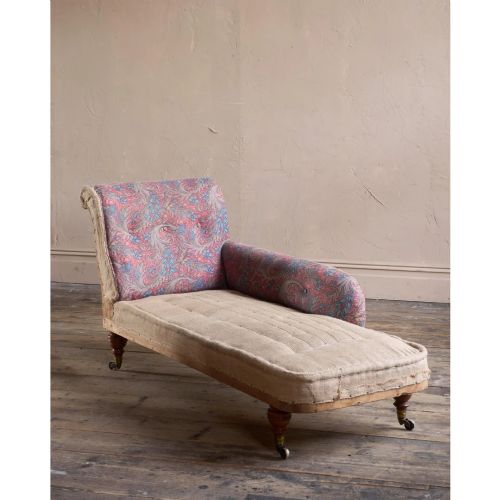
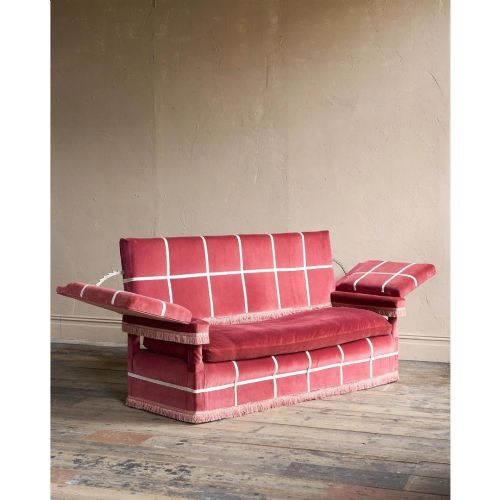
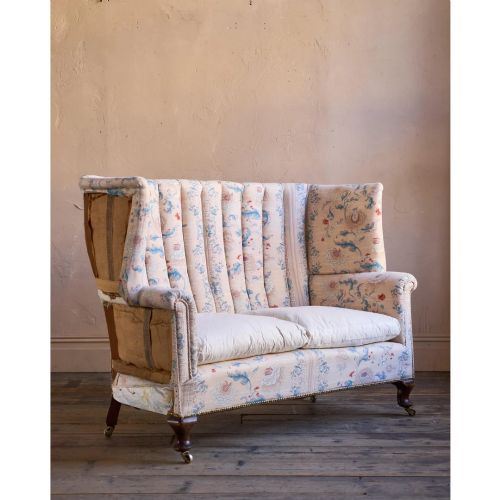
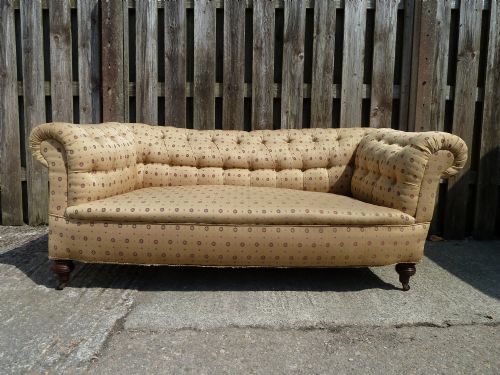
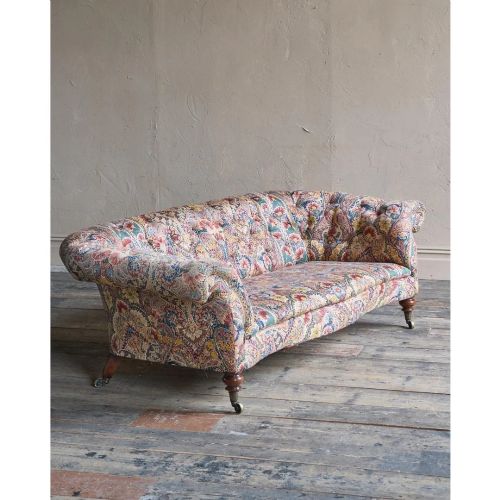
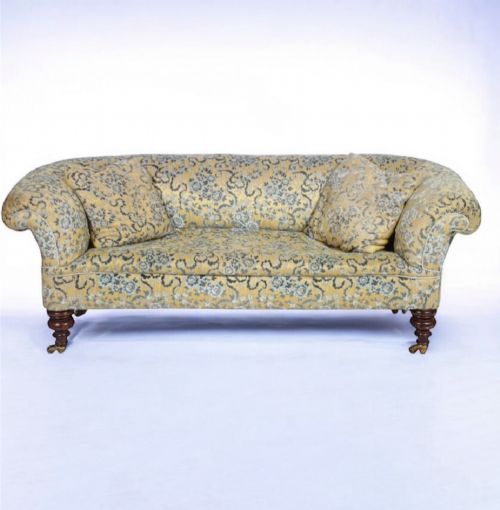
A traditional patterned couch encompasses forms ranging from Victorian Chesterfields and drop-arm settees to Knole sofas and chaise longues. These pieces emerge across the nineteenth century, the Edwardian era, and into the twentieth century.
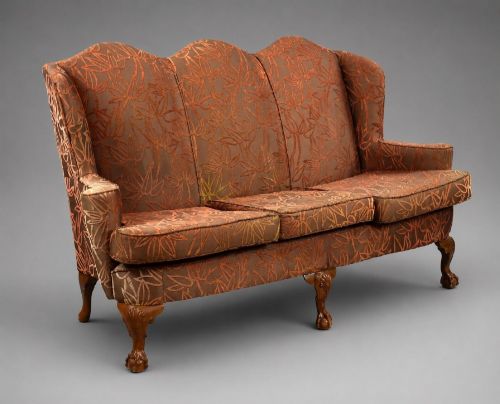
The layout typically involves substantial wooden frames wrapped in fabric, velvet, damask, or floral textiles. Makers shape these frames from mahogany, walnut, and timber, often resting upon turned legs or brass castors.
On this page, buyers meet variations styled in English country house, Regency, Queen Anne, Arts and Crafts, and Art Deco traditions. Forms stretch from two-seater settees and daybeds to expansive three-seat configurations.
How they were made
Makers construct the underlying structure using timber frames of mahogany, walnut, and general wood, supported by brass components such as castors and claw-and-ball feet. Structural stability relies on solid joinery designed to hold heavy upholstery.
Upholstery defines the surface, utilising fabrics like damask, velvet, and specialised printed textiles stretched over sprung or stuffed interiors. Button-back detailing, fluting, and scroll ends add textural depth to the finished piece.
Traditional Patterned Couch Retail Price Guide 2026
Typical asking prices for traditional patterned couch among the pieces listed under this phrase on Sellingantiques today, from the lower quarter to the upper quarter. They describe what is for sale here now, not the wider market.
Periods represented span from the nineteenth-century Victorian era through the Edwardian period and into the 1930s.
What varies in quality
The distinction between tiers rests upon the integrity of the timber frame and the sophistication of the joinery beneath the fabric. Heavier woods and robust internal springing indicate superior construction.
Fabric choice and textile preservation mark another dividing line, where original woven patterns, branded ticking, or high-grade historical cloth elevate the piece. The precision of hand-carved details on legs and frames also signals higher execution.
Howard and Sons·Hampton and Sons
The Traditional Patterned Couch Glossary
- Chesterfield Sofa
- A deeply buttoned upholstered sofa featuring rolled arms of the same height as the back. This form dates back to the nineteenth century and remains a staple of traditional seating.
- Knole Sofa
- A historic sofa design characterised by adjustable hinged arms that can be lowered or raised. These pieces often appear upholstered in rich damask or velvet with prominent tassel ties.
- Chaise Longue
- An elongated chair form designed for reclining, combining the backrest of a sofa with the seat of a daybed. Makers produced these in Victorian and nineteenth-century workshops.
- Damask
- A reversible, patterned fabric traditionally woven on a jacquard loom with motifs formed by contrasting weaves. This material appears frequently on period upholstered seating.
- Drop Arm Settee
- A sofa featuring a mechanical or hinged arm that lowers to create a resting surface. Victorian makers utilised this mechanism to increase versatility.
Traditional Patterned Couch: Frequently Asked Questions
What is a traditional patterned couch?
A traditional patterned couch is a period seating piece built with a wooden frame and covered in patterned fabric, velvet, or damask. These items include Chesterfields, Knole sofas, and settees originating from the nineteenth and early twentieth centuries.
Such furniture relies on historic forms like Victorian button-backs or Regency scroll ends. They serve as primary seating with distinct historical character.
How do I identify a Victorian sofa?
Victorian sofas often feature dark wood frames made of mahogany or walnut, frequently displaying turned legs and heavy button-backed upholstery. Common styles include scroll ends and drop-arm mechanisms.
Checking the construction under the seat reveals period joinery methods. These pieces reflect the heavy, decorative manufacturing tendencies of the nineteenth century.
Where were these couches used?
These couches found a place in nineteenth-century drawing rooms, libraries, and formal reception spaces of English country houses. They provided comfortable, large-scale seating for daily domestic life.
Today, buyers place them in living rooms or studies as statement seating. Their traditional patterns suit both period interiors and eclectic modern rooms.
What is a Knole sofa?
A Knole sofa is a distinct form defined by high, enclosing back and arm panels held in place by wooden posts and decorative ties. Originating in earlier centuries, these pieces appeared in Edwardian and later revivals.
The adjustable arms fold down to alter the profile of the seat. They are frequently upholstered in heavy velvet, damask, or floral cloth.