



Traditional Paraffin Lighting
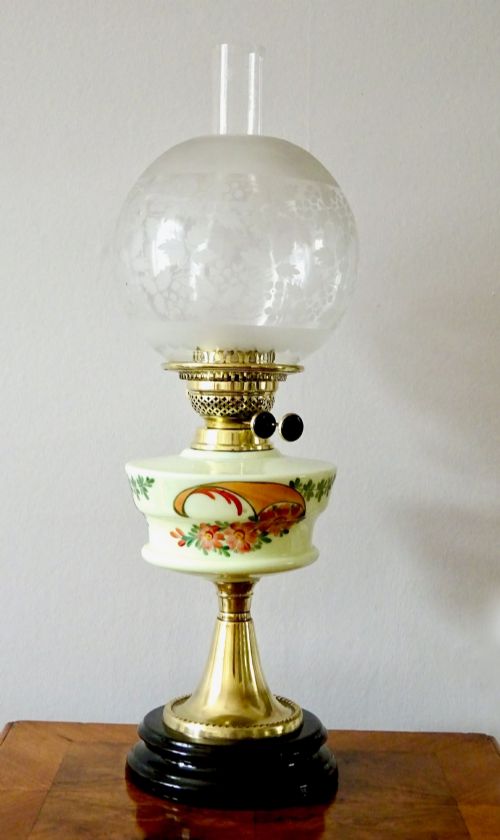
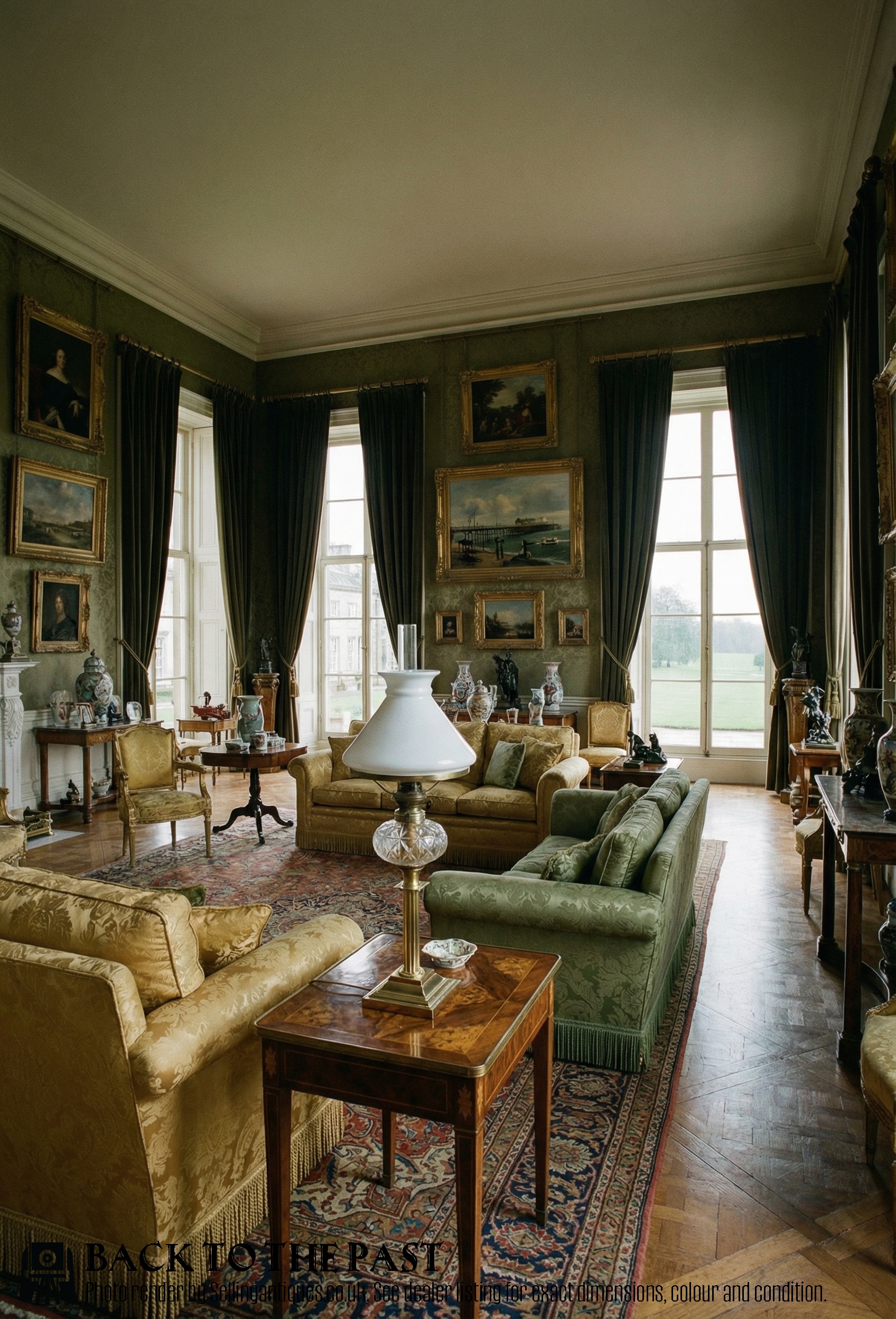
Traditional paraffin lighting brings warm, functional period atmosphere to a room, offering genuine Victorian and Edwardian oil lamps with glass shades and heavy brass columns.
Traditional Paraffin Lighting
Traditional paraffin lighting encompasses nineteenth and early twentieth century oil lamps designed for domestic illumination. These pieces bridge the eras before electricity became standard in homes.
You will most frequently encounter table lamps and standard floor lamps originating from the Victorian and Edwardian periods. Brass columns paired with glass or fabric shades dominate the selections available.
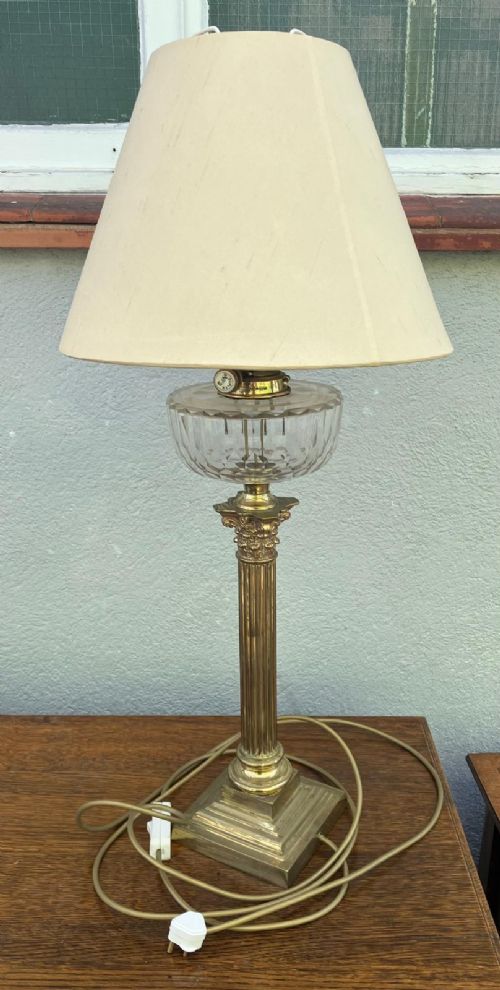
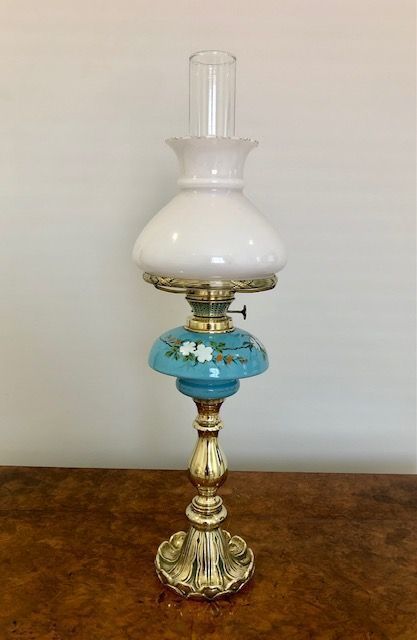
Examples range from simple cottage table lamps to elaborate Corinthian column designs with cranberry or opaline glass fonts. Some pieces retain their original mechanical burners while others feature twentieth century electrical conversions.
How they were made
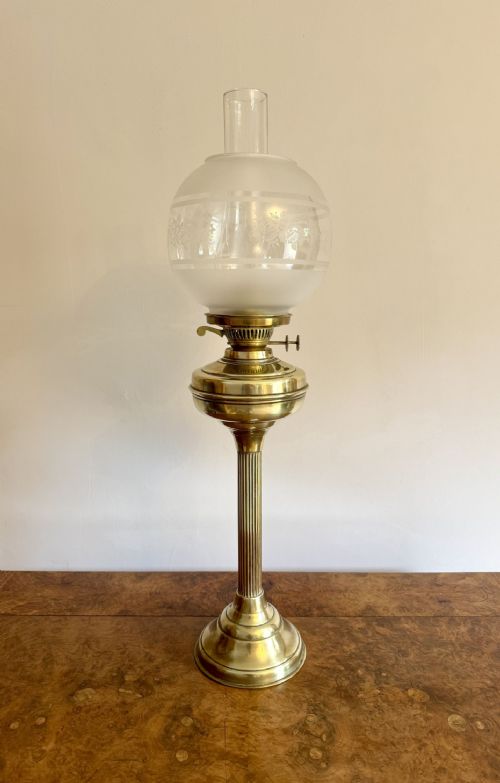
Makers utilised cast and spun brass to construct sturdy columns and bases, often combining the metal with copper elements. Heavy brass components provided the necessary stability to support glass fonts and heavy shades.
Fonts and shades were formed from pressed, cut, or opaline glass, sometimes utilising cranberry glass techniques to achieve deep colour variations. Ebonised wood occasionally appeared in structural bases alongside metal and ceramic elements.
Listings span several decades from the 1850s through the Edwardian period, utilising brass, cranberry glass, opaline glass, and ebonised wood.
What varies in quality
Quality separates standard utility pieces from exceptional decorative examples through the weight of the brass and the intricacy of the casting. Heavier columns and finer repoussé work indicate superior craftsmanship.
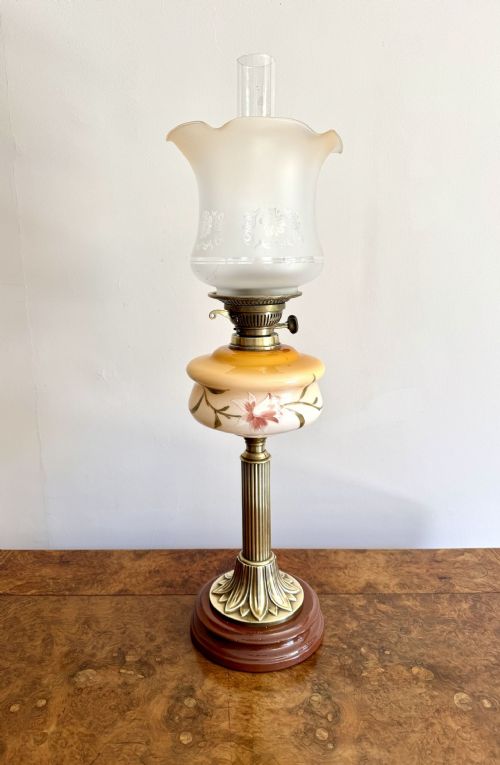
The sophistication of the glass components marks another distinction, with intricately etched tulip shades and cased coloured glass fonts representing higher manufacturing standards than plain pressed glass.
The Traditional Paraffin Lighting Glossary
- Duplex burner
- A double-wick burner mechanism that produced a brighter flame than single-wick designs. It allowed for greater light output in Victorian reception rooms.
- Font
- The reservoir container that held the paraffin oil beneath the burner. They were frequently manufactured from coloured glass or polished brass.
- Opaline glass
- An opaque, milky-white glass popular for lamp shades during the nineteenth century. It diffused the intense flame light softly across a room.
- Repoussé
- A metalworking technique where the design is hammered into relief from the reverse side. This decorative method frequently ornamented the bases of French and English lamps.
- Corinthian column
- A classical architectural column style adapted for lamp stems, featuring ornate acanthus leaf capitals. It was a favoured motif in grander Victorian brass lamps.
Traditional Paraffin Lighting: Frequently Asked Questions
Can these old lamps still burn paraffin?
Many lamps retain their original mechanical burner assemblies and remain capable of burning paraffin if fitted with a fresh wick and checked for soundness. Collectors often inspect the burner galleries to ensure the mechanisms operate smoothly.
However, a large proportion of surviving lamps have been converted to electricity for modern domestic safety and convenience. Buyers should examine the wiring on converted pieces to determine if rewiring is necessary before daily use.
How do I identify a Victorian lamp?
Victorian examples frequently display heavy brass construction, classical column motifs, and etched glass tulip shades dating from the mid to late nineteenth century. Maker marks stamped on the burner knobs can also provide specific chronological clues.
Simpler cottage models often feature smaller ceramic or plain brass reservoirs without elaborate classical detailing. Edwardian pieces tend to show slightly lighter proportions and softer Art Nouveau stylistic influences.
Were these lamps used on tables or floors?
The inventory includes both compact table lamps intended for domestic sideboards and large standard floor lamps designed to illuminate larger reception spaces. Table versions sat comfortably on parlour furniture while tall standards stood independently.
Floor lamps often incorporate heavier weighted bases to ensure stability given their increased height. Both types utilised the same basic paraffin burning principles.
What is an opaline shade?
An opaline shade is a milky-white translucent glass diffuser placed above the burner to soften the glare of the paraffin flame. They were widely produced during the Victorian and Edwardian eras.
These shades directed the illumination downward while casting a gentle ambient glow throughout the room. They appear in various forms, from simple domes to fluted tulip shapes.