




Traditional Paper Rack
A traditional paper rack is a practical piece of period furniture designed to keep folios, journals and correspondence tidy in any room.
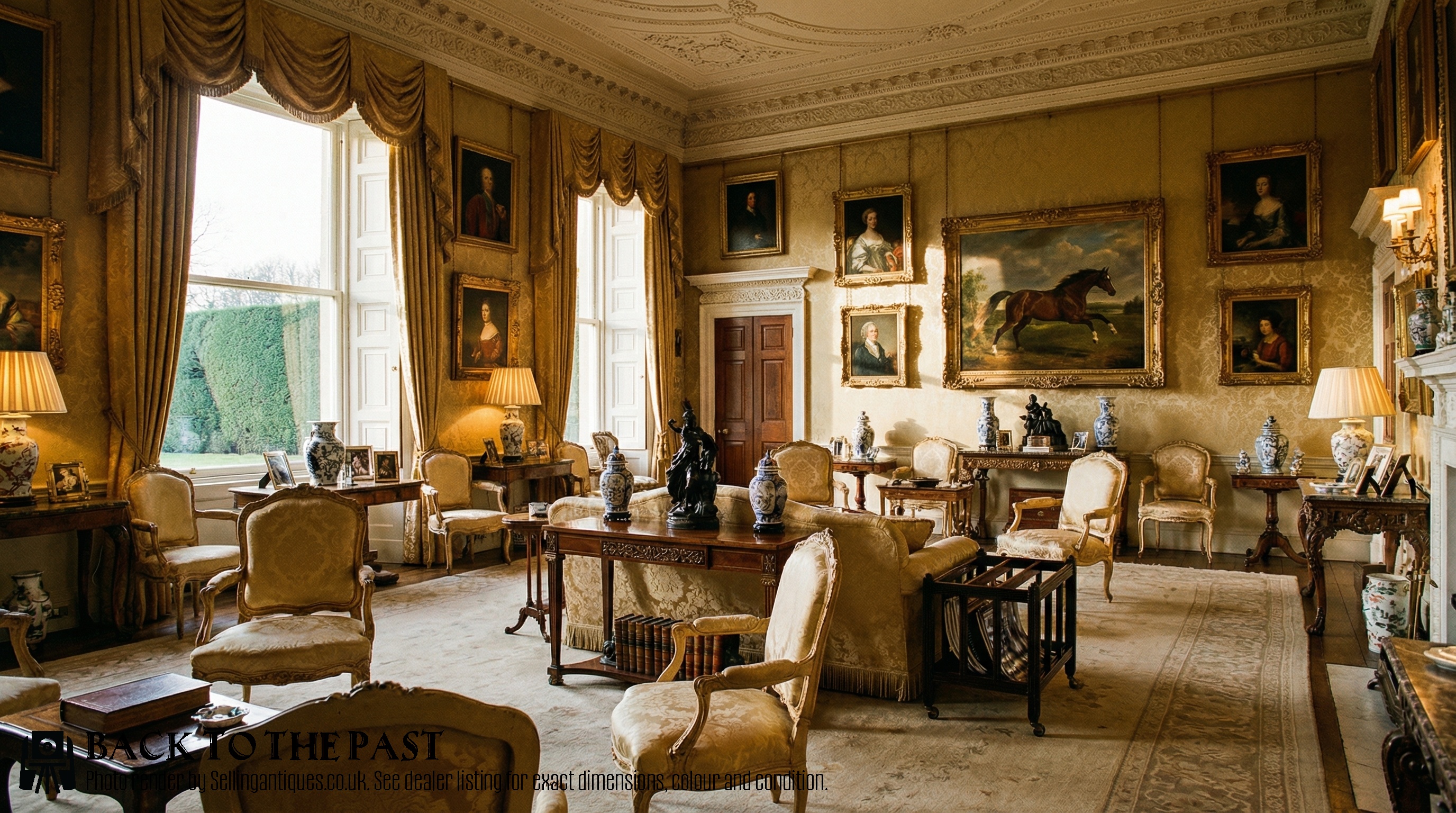
Traditional Paper Rack
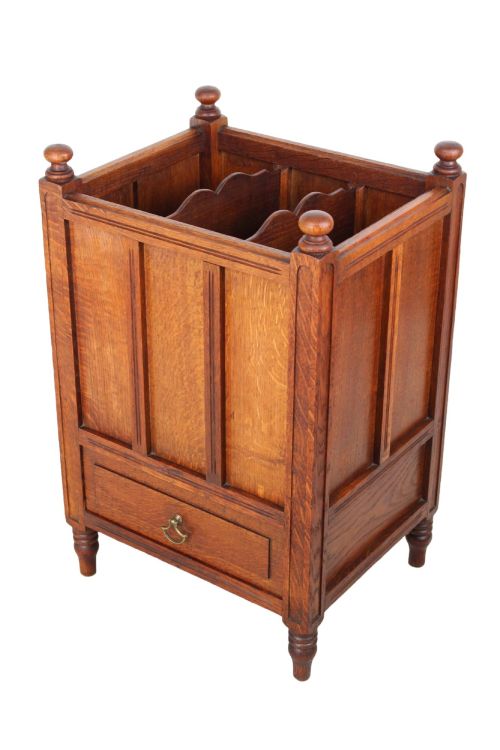
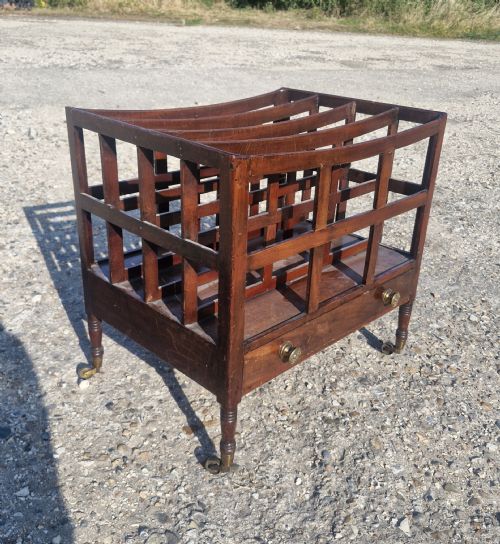
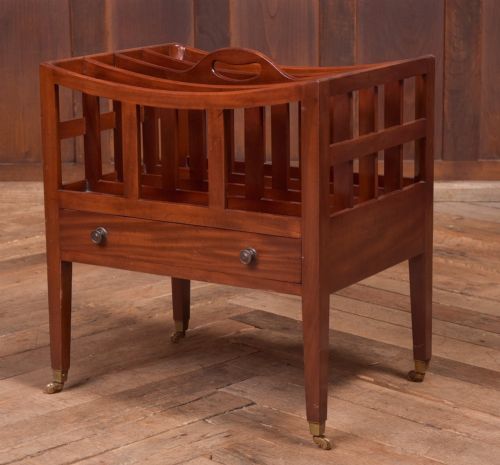
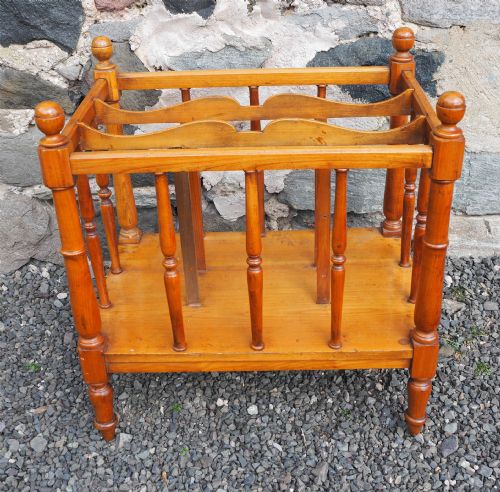
When you search for a traditional paper rack, you encounter a selection of nineteenth and early twentieth century furnishings designed specifically for holding papers, magazines and sheet music. These items range from compact desk tidies to larger floor-standing canterburys.
The most common forms on this page include mahogany canterburys from the nineteenth century alongside oak and fruitwood magazine racks from the Edwardian period and the nineteen-twenties. Many feature compartmented partitions for sorting folios, while others incorporate drawers or revolving actions.
Originating in English homes to manage the daily influx of printed material, these pieces combine utility with period craftsmanship. They suit modern living rooms and studies just as well as they did two centuries ago.
How they were made
Joiners and cabinetmakers utilised dense timber species such as mahogany, rosewood and oak for the primary frames of traditional paper racks. Carpenters selected figured veneers like flame mahogany and added delicate satinwood inlay or carved details to elevate the appearance.
Metal components played a structural and decorative role, with brass fixtures, stands and revolving mechanisms appearing on specific desk accessories and floor stands. Bone details occasionally provided contrast on handles or subtle inlay work.
Traditional Paper Rack Retail Price Guide 2026
Typical asking prices for traditional paper rack among the pieces listed under this phrase on Sellingantiques today, from the lower quarter to the upper quarter. They describe what is for sale here now, not the wider market.
Listings feature several timber species, including mahogany, rosewood, oak, fruitwood and flame mahogany veneer.
What varies in quality
The distinction between ordinary and superior pieces rests on the choice of timber and the crispness of construction. Fine examples display carefully matched flame mahogany veneer, precise joinery and well-defined carving rather than plain surfaces and loose joints.
The Traditional Paper Rack Glossary
- Flame mahogany veneer
- A thin slice of wood cut from the fork of a mahogany tree to produce a distinctive, flickering flame-like grain pattern. Cabinetmakers applied this to prominent exterior surfaces.
- Desk tidy
- A small tabletop accessory featuring shelves, compartments or tiers to organise letters and writing paper. These sat upon larger partner desks or writing tables.
- Satinwood inlay
- A decorative technique where contrasting light-coloured satinwood is inserted into recesses cut into a darker wood background. It creates geometric or floral borders.
Traditional Paper Rack: Frequently Asked Questions
What is a traditional paper rack used for?
These pieces served historically to organise loose sheets of music, daily newspapers and correspondence in sitting rooms and studies. Today they function equally well for holding modern periodicals and contemporary magazines.
Their divided compartments prevent papers from slumping or creaking, keeping reading materials neat and immediately to hand beside an armchair or desk.
How do I date a mahogany paper rack?
Dating relies on examining the timber species, construction methods and stylistic markers present in the piece. Regency and William IV examples often display rich rosewood or finely figured mahogany with robust turned uprights.
Later Edwardian and nineteen-twenties versions tend to feature lighter oak construction, simpler lines or machine-cut details that reflect the changing domestic interiors of the early twentieth century.
Can I use a canterbury as a magazine rack?
A canterbury is simply the earlier term for a traditional paper rack designed with vertical partitions for sheet music or folios. They adapt effortlessly to holding modern magazines.
The sturdy timber frames and compartmented dividers provide strong support for heavy glossy periodicals just as securely as they held nineteenth-century broadsheets.
Where should I place a revolving bookcase?
Revolving bookcases with brass stands work best freestanding beside a sofa, armchair or desk where access from multiple angles is helpful. Their rotating action allows you to reach several stacks of books without shifting position.
Because they feature finished timber on all sides, they sit comfortably out in the open room rather than pushed flat against a wall.