




Traditional Painted Table Lamp
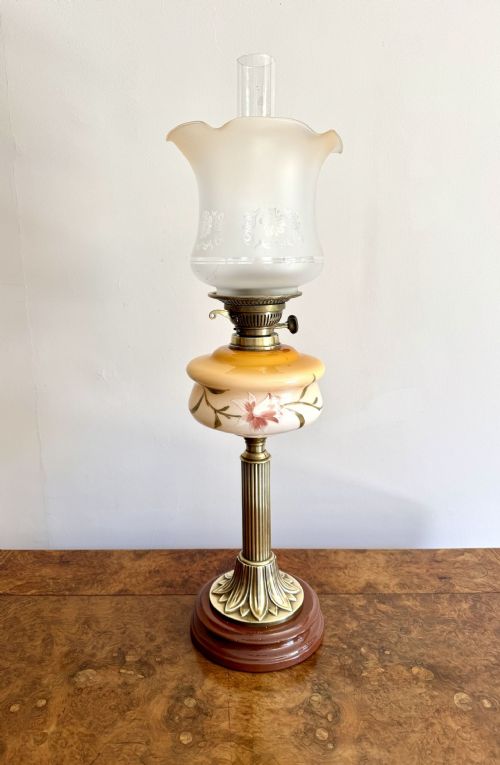
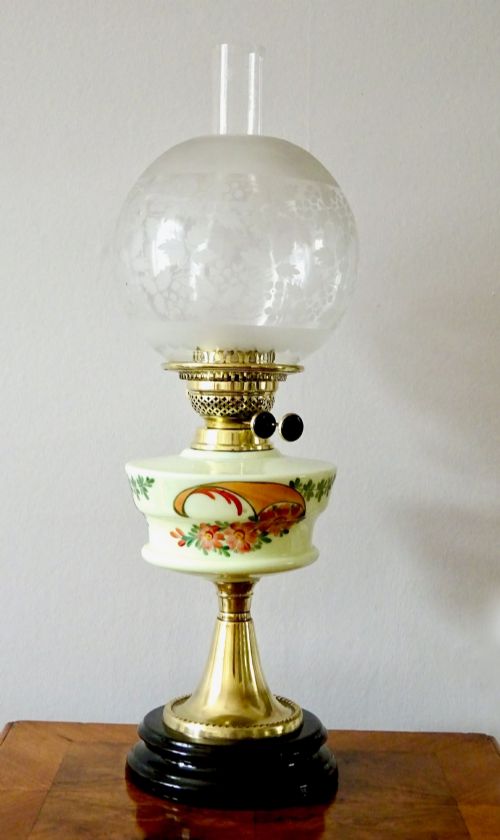
A traditional painted table lamp brings colour and character to a room, combining hand-applied decoration with functional illumination from the eighteenth century onwards.
Traditional Painted Table Lamp
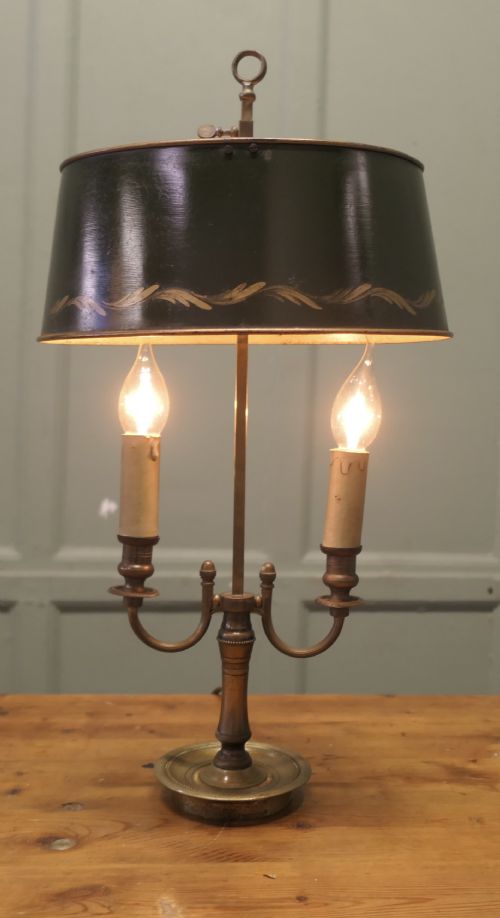
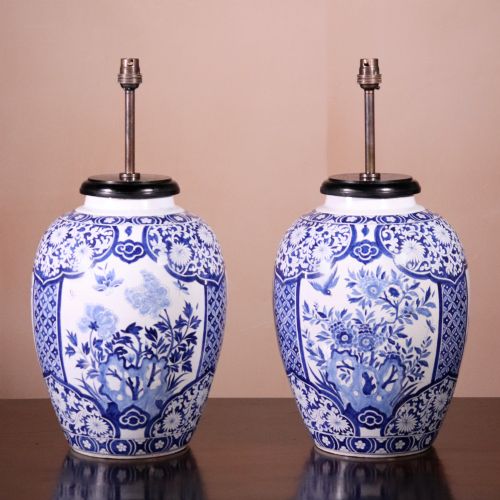
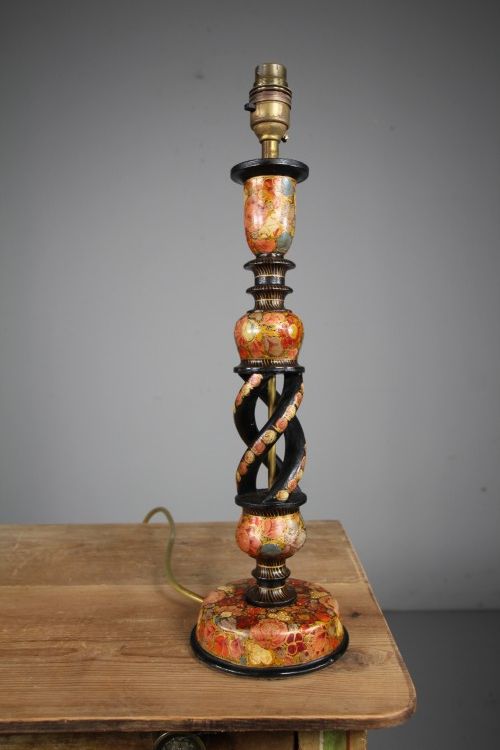
A traditional painted table lamp comprises various converted vessels, columns and turned bases carrying hand-painted motifs, often paired with fabric shades. The selection draws on converted Chinese porcelain vases, Japanese Satsuma and Kutani wares, toleware desk lamps and wooden Kashmiri forms.
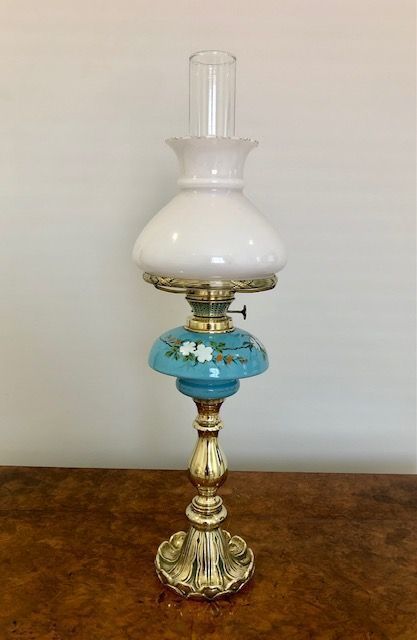
The objects span multiple centuries, ranging from eighteenth-century Delft and Georgian examples through Victorian brass oil lamps and Edwardian creations. Many pieces began life as ginger jars, oil lamps or decorative vases before receiving electrical fittings in later decades.
Geographic origins vary widely across Europe and Asia, encompassing English country pieces, French toleware, Italian majolica, and export ceramics from China and Japan. Buyers encounter diverse regional palettes, from monochrome blue and white to rich polychrome lacquer and gilding.
What varies in quality
Quality rests upon the crispness of the hand-painted detail and the harmony between the original vessel and its later conversion. Finer examples display meticulous brushwork on porcelain or lacquer, whereas simpler items feature heavier industrial or utilitarian decoration.
The integrity of materials dictates value, distinguishing solid brass castings and genuine antique porcelain jars from more recent reproductions. The sophistication of the conversion, including discreet wiring and appropriate shade pairing, further separates standard utilitarian lamps from exceptional decorative pieces.
Several Victorian lamps retain evidence of their original life burning oil before welcoming the twentieth-century electrician's screwdriver.
The Traditional Painted Table Lamp Glossary
- Toleware
- Painted sheet metal objects, usually tinplate, finished with a durable lacquer or enamel. This technique is frequently seen on French bouillotte and desk lamps.
- Bouillotte lamp
- An adjustable metal lamp featuring a central column, candle sockets or bulb holders, and a characteristic saucer-shaped shade. They often utilise toleware and brass.
- Famille verte
- A Chinese porcelain palette dominated by green enamel overglaze decoration, alongside other contrasting colours. It appears on various nineteenth-century vase lamps.
- Cricket table
- A small, usually round wooden table with three splayed legs and a stretcher base, originating in English and Welsh vernacular traditions. Some examples function as lamp tables.
Traditional Painted Table Lamp: Frequently Asked Questions
How do I date an antique lamp?
Dating relies on examining the base material, such as eighteenth-century Delft or Victorian brass, alongside the style of painting and construction techniques. Makers' marks, where present, help pinpoint the exact period.
Converted items require looking at the original vessel's age rather than the electrical components. Rewiring is standard practice for modern domestic use.
Can I use modern lampshades?
Modern shades fit most antique lamps provided the fitter matches the original harp or shade carrier system. Proportion remains the primary consideration when pairing a shade with a painted base.
Silk and fabric shades echo historical styles, but contemporary designs can complement traditional bases if the scale aligns correctly.
Are converted oil lamps stable?
Heavy brass and ceramic bases provide a low centre of gravity, ensuring good stability for everyday placement on side tables or desks. Corinthian columns and solid porcelain jars offer substantial weight.
Placement should account for cord management and shade balance, particularly on wider console tables.
How should I clean painted surfaces?
Painted porcelain, toleware and lacquered wood require gentle dusting with a dry, soft cloth to protect delicate pigments and gilding. Moisture should be avoided on antique lacquer and paper-lined shades.
Brass components tolerate mild metal cleaners, provided care is taken to avoid splashing surrounding painted or ceramic areas.