



Traditional Painted Coffer
Traditional painted coffer pieces are robust timber storage boxes bearing historical pigment finishes that bring rich regional character to an interior.
Traditional Painted Coffer
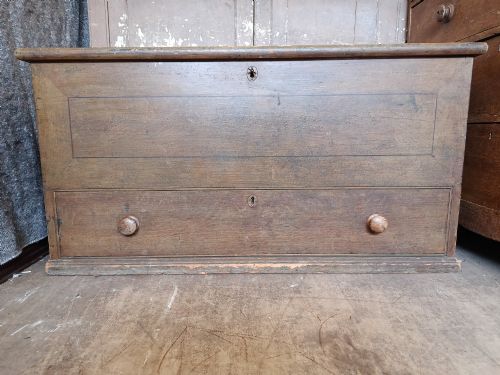
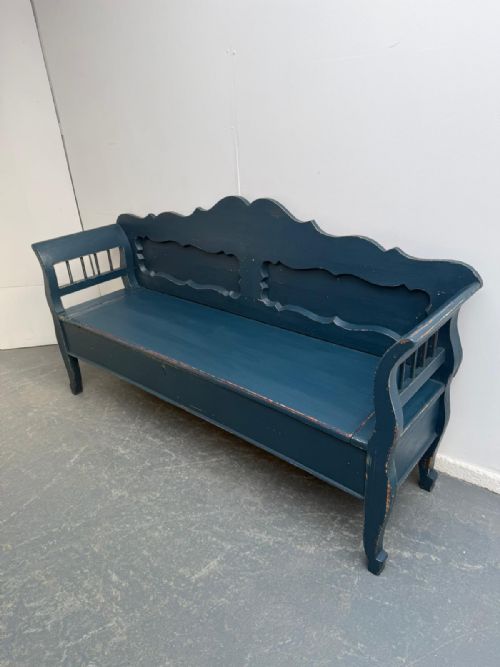
A traditional painted coffer provides sturdy domestic storage while displaying the distinct decorative traditions of regional European and Asian workshops. These pieces appear in forms ranging from compact blanket boxes and mule chests with lower drawers to long three-seater benches and large marriage trunks.
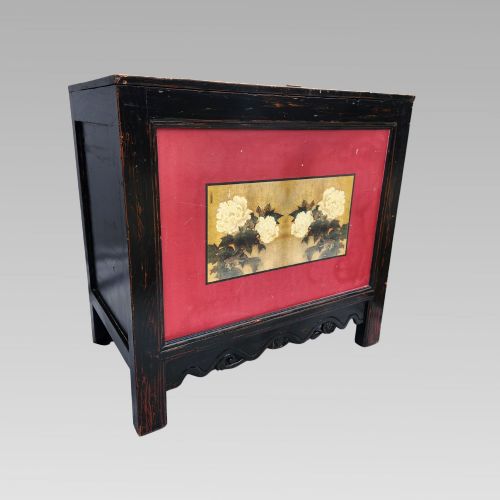
The selection centres heavily on nineteenth-century examples, alongside Georgian, Regency, and early twentieth-century pieces. Pine serves as the predominant timber, augmented by oak and specialist imports featuring lacquer.
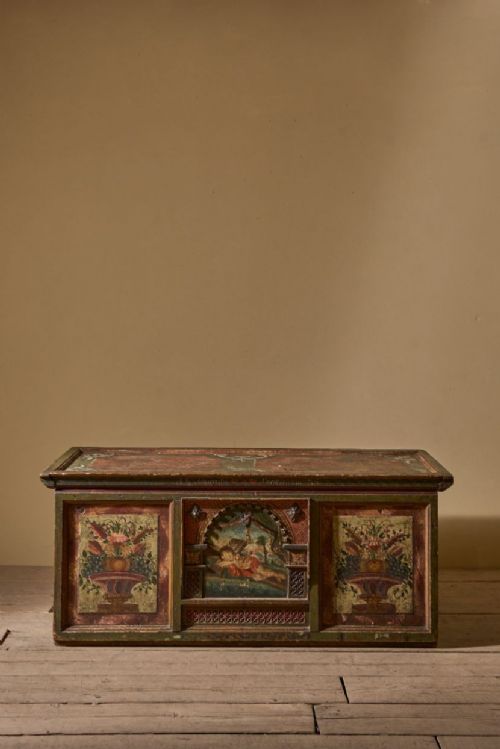
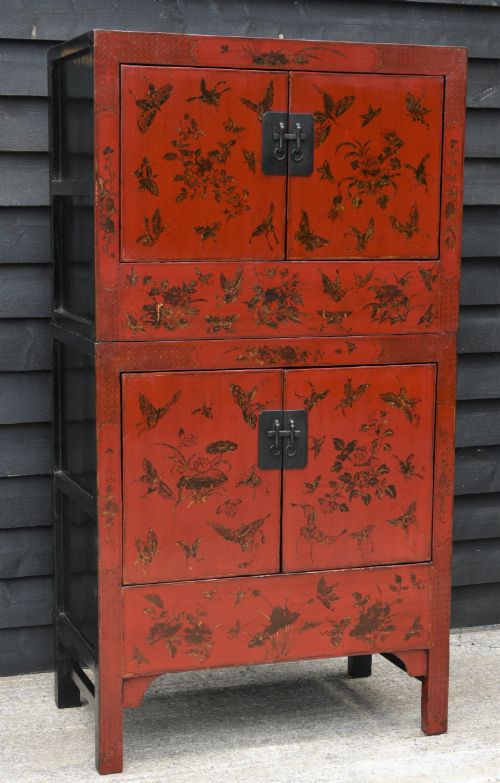
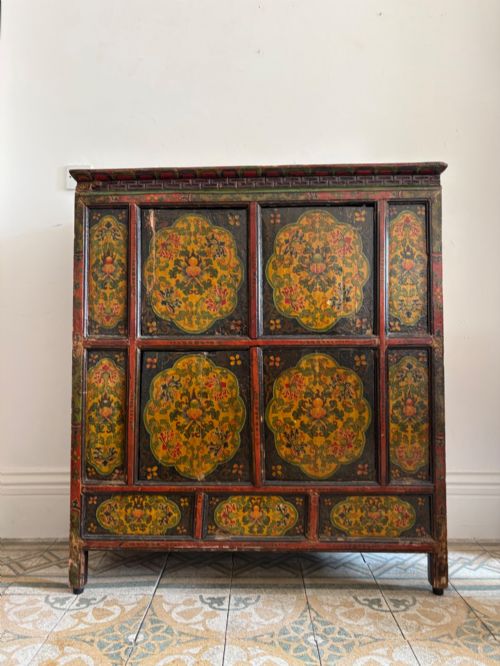
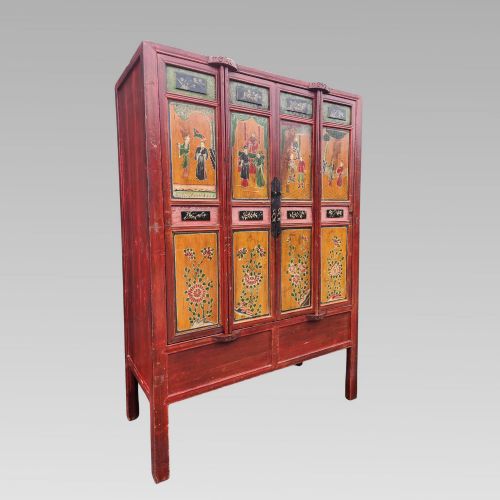
Regional styles dominate the pieces available, stretching from English country pine and Scandinavian folk art to Hungarian, Spanish, and Chinese craftsmanship. Buyers encounter brightly pigmented surfaces, scumble glazes, and intricate floral or chinoiserie decorations.
How they were made
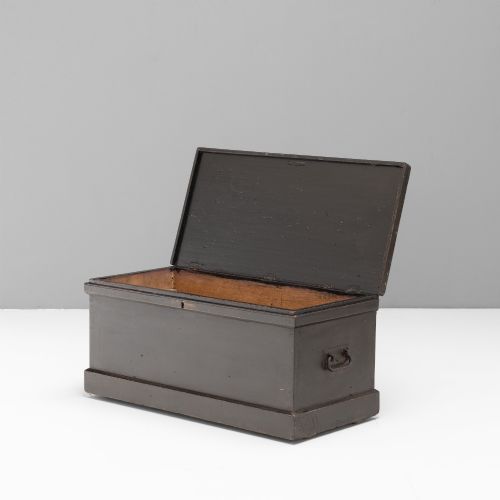
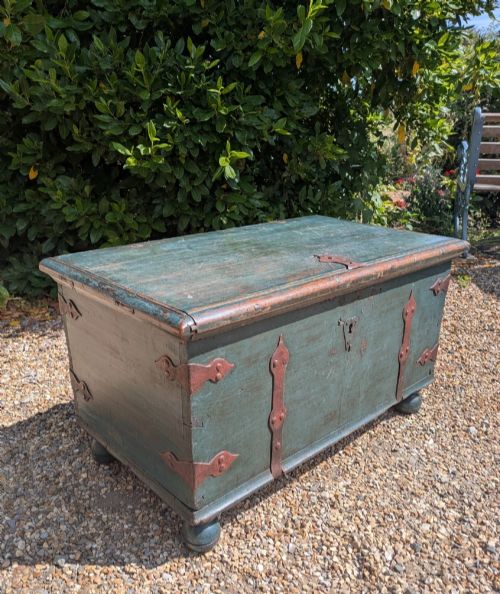
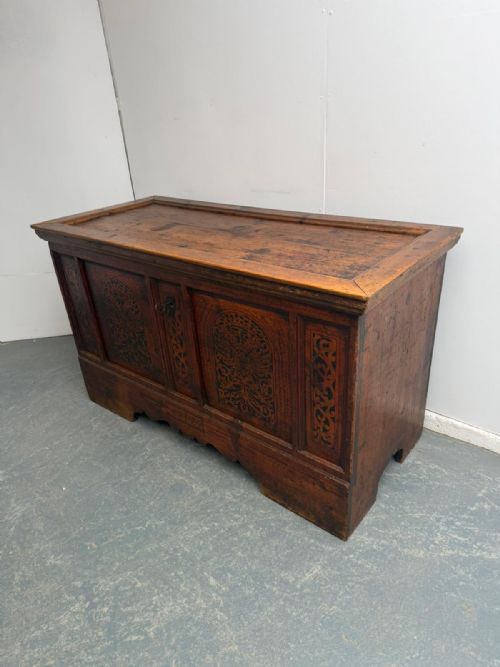
Carpenters constructed these storage boxes using solid timber planks joined for daily utility, often incorporating hinged lids and bracket feet. Iron and brass strapwork, along with hand-forged iron hinges, reinforced the corners and added structural endurance.
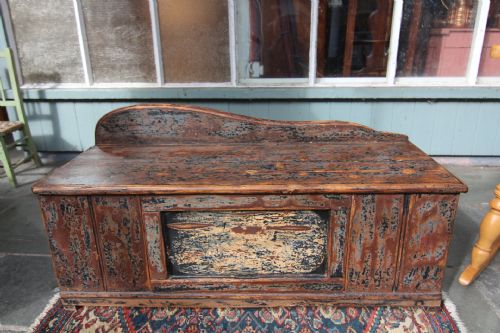
Surface decoration relied on applied paint, pigment, and occasionally lacquer, finished with freehand floral motifs or scumble graining techniques. Workshops utilised local materials, meaning pine and oak received coatings intended to mimic finer woods or celebrate folk art traditions.
What varies in quality
The distinction between tiers rests upon the survival of original decorative surfaces and the integrity of the timber construction. Pieces retaining untouched historical paintwork or genuine regional folk art motifs command greater interest than those with later surface alterations.
Structural harmony also dictates standing, where items retaining hand-forged iron strapwork, original key mechanisms, and undisturbed feet demonstrate superior craftsmanship from their respective period.
The Traditional Painted Coffer Glossary
- Coffer
- A large box for holding valuables or textiles, typically hinged at the top. These items often double as benches in country interiors.
- Mule chest
- A traditional storage chest featuring one or more drawers beneath the main compartment. This form bridges the gap between a standard blanket box and a chest of drawers.
- Scumble
- A decorative painting technique involving a translucent layer of darker pigment dragged over a lighter base colour to simulate wood grain. This finish appears frequently on nineteenth-century pine boxes.
- Strapwork
- Metal bands or hinges applied across the exterior of a chest to reinforce the joints. Hand-forged iron examples provide both structural strength and visual contrast.
- Cassone
- An Italian antique chest or coffer traditionally used for marriage items. These pieces often display elaborate hand-painted decoration.
Traditional Painted Coffer: Frequently Asked Questions
What is a traditional painted coffer?
A traditional painted coffer is a wooden storage chest coated in historical pigments or folk art finishes. These boxes served practical household roles for textiles and valuables.
Today, they function as decorative furniture pieces that introduce regional colour and historical texture to modern living spaces.
Where were these painted chests made?
These chests originate from diverse regions including Hungary, Scandinavia, England, France, Spain, and China. Each area developed distinct painting traditions, from alpine floral motifs to scumbled pine finishes.
Makers utilised native timbers available in their local workshops, resulting in varied construction methods across different countries.
How do I use a coffer at home?
Coffers provide substantial concealed storage for blankets, linens, and household items in hallways, bedrooms, or living rooms. Many longer examples and benches also double as seating furniture.
Their flat lids allow them to serve as display surfaces for lamps, books, or decorative objects.
How can I tell the period of a painted chest?
Dating relies on examining the timber construction, hardware, and the composition of the paint layers. Nineteenth-century pieces often display scumbled pine or folk art decoration, while Georgian and Regency examples show different proportions and joinery.
Hand-forged iron strapwork and original hinges also offer clues to the manufacturing era.