


Traditional Overmantel
A traditional overmantel is a grand architectural mirror designed to sit directly above a fireplace, bringing light and scale to a room.
Traditional Overmantel
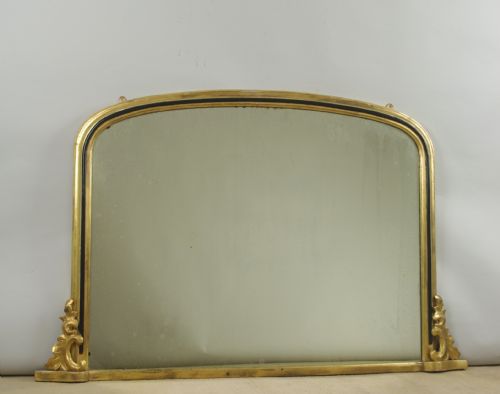
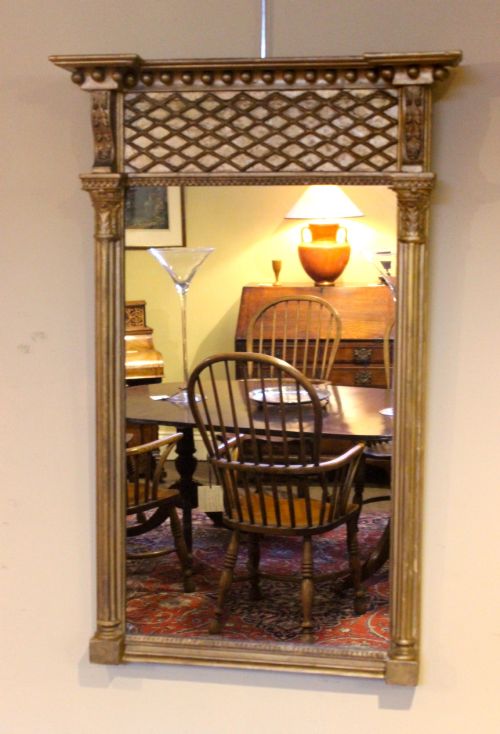
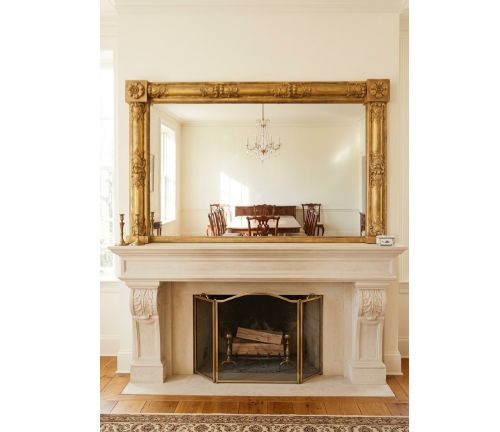
A traditional overmantel is primarily a large mirror built to occupy the wall space above a hearth, anchoring the mantelpiece below it. When searching for a traditional overmantel, buyers encounter numerous examples from the nineteenth century, including distinct Victorian and Regency periods.
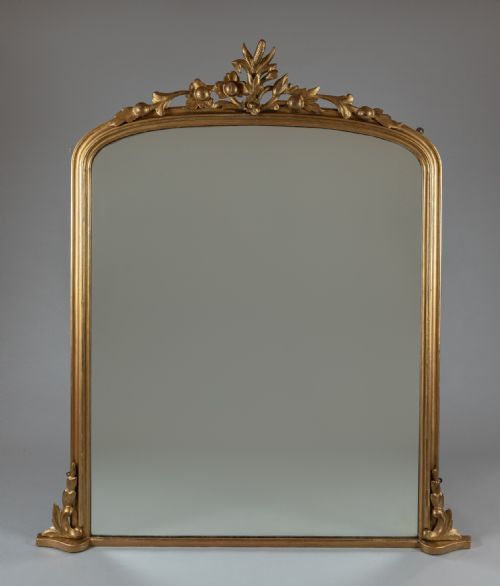
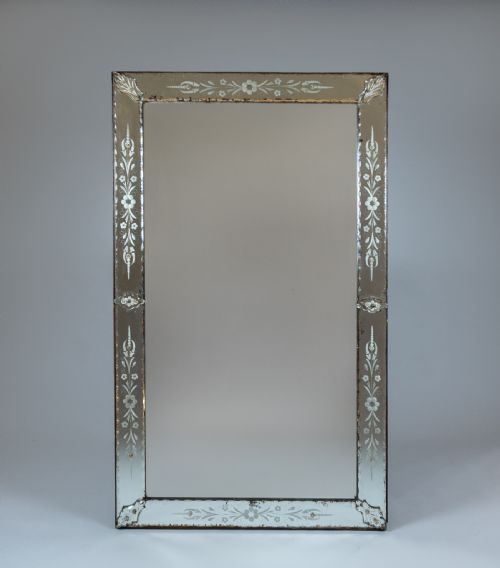
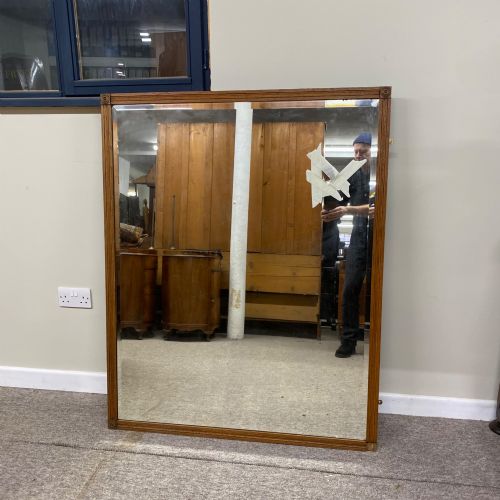
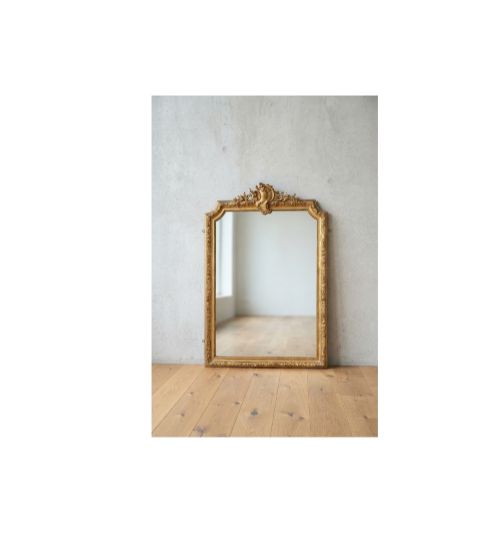
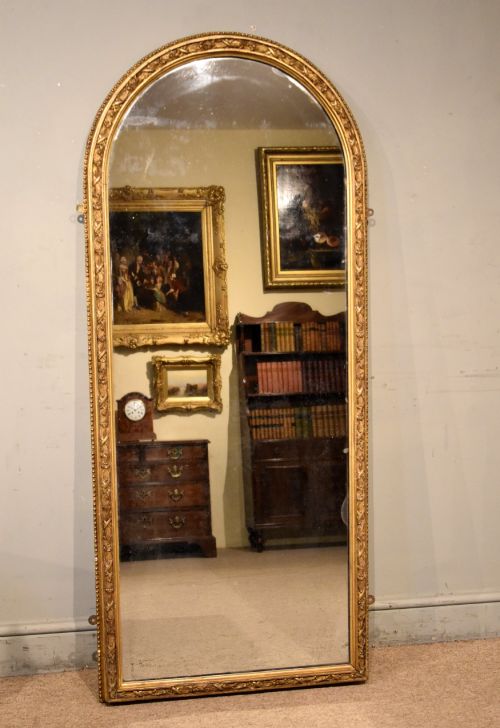
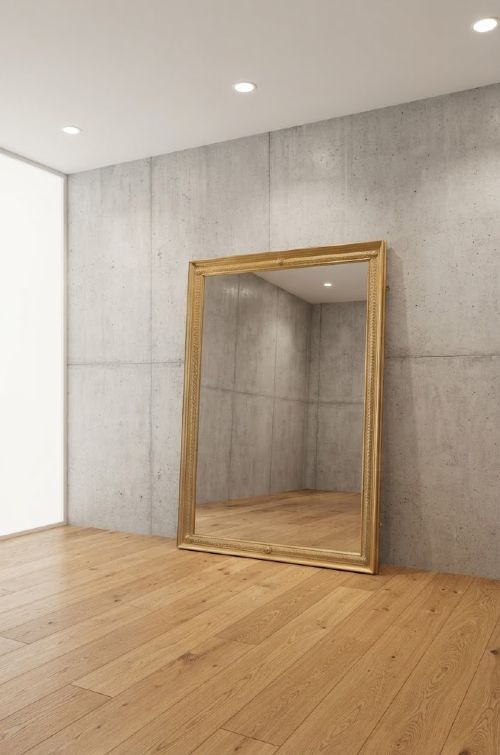
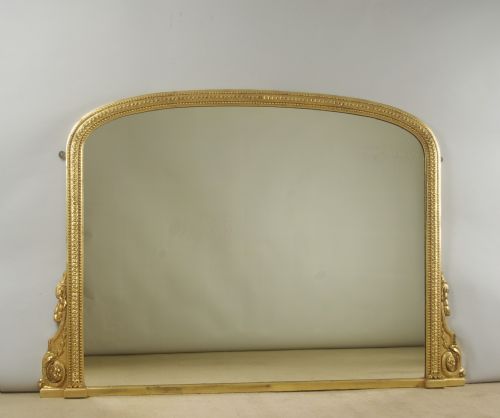
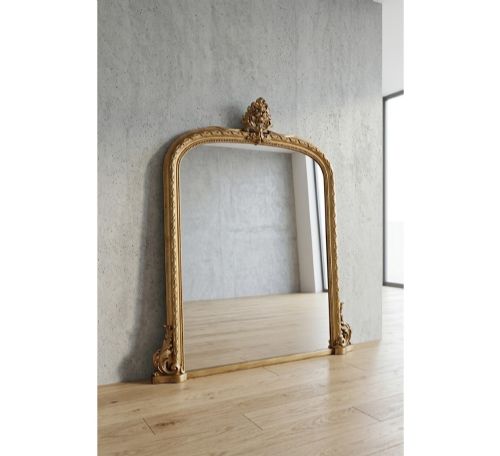
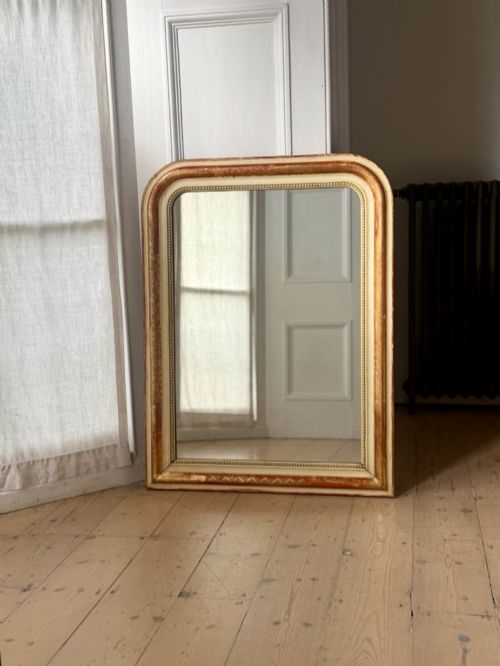
The dominant forms on this page feature architectural framing, notably arched tops and substantial rectangular proportions designed to reflect interior light. Many pieces show strong regional and stylistic influences, ranging from English carved wood frames to French provincial and Louis XV style designs.
Materials and Construction
Frames are constructed from wood, frequently enhanced with applied gesso and composition mouldings to create crisp architectural details and ornate crests. Gilding with gold leaf or metallic paint finishes the surface, providing the characteristic bright appearance.
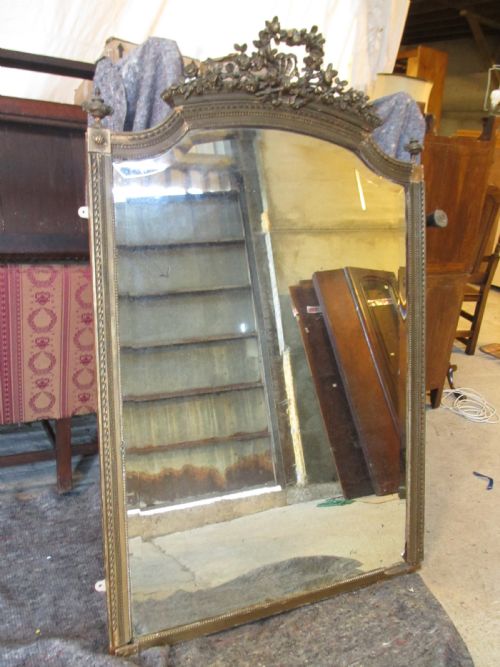
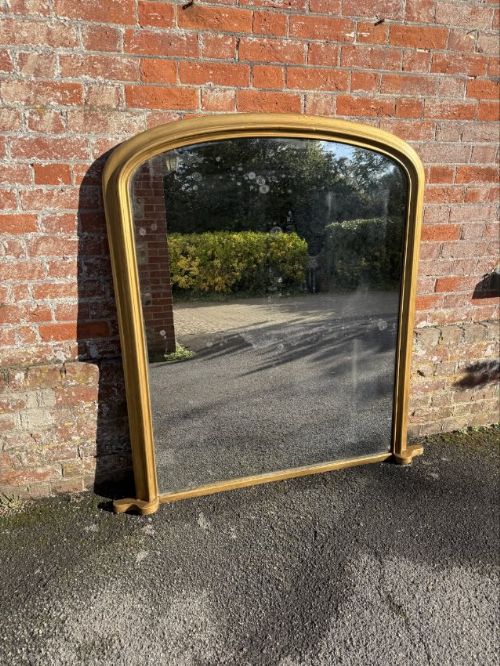
Mirrors utilise traditional glass plates, occasionally showing original foxing and age spots that evidence their long history. Joinery and carving methods of the period ensure the heavy frames remain structurally sound while supporting large glass panels.
Traditional Overmantel Retail Price Guide 2026
Typical asking prices for traditional overmantel among the pieces listed under this phrase on Sellingantiques today, from the lower quarter to the upper quarter. They describe what is for sale here now, not the wider market.
Craftsmanship and Proportion
Quality rests in the depth and sharpness of the hand-carved wood and moulded gesso decoration, where finer pieces display crisp lines rather than softened details. The integrity of the original gilding and the preservation of the early mirror glass contribute significantly to the distinction between standard and superior examples.
Proportion and scale dictate the visual success of the piece, with better overmantels maintaining a balanced relationship between the ornate crest, the main frame, and the expanse of the glass.
The Traditional Overmantel Glossary
- Overmantel
- A large mirror or decorative panel specifically designed to be hung on the wall immediately above a fireplace mantel. These pieces were traditionally proportioned to match the width of the hearth below.
- Gesso
- A plaster-like mixture applied to wood frames and carved or moulded into intricate decorative relief before gilding. It provides a smooth base for gold leaf and paint.
- Giltwood
- Wood that has been coated with gold leaf or a gold-coloured finish. This material reflects candlelight and daylight effectively in period interiors.
- Trumeau
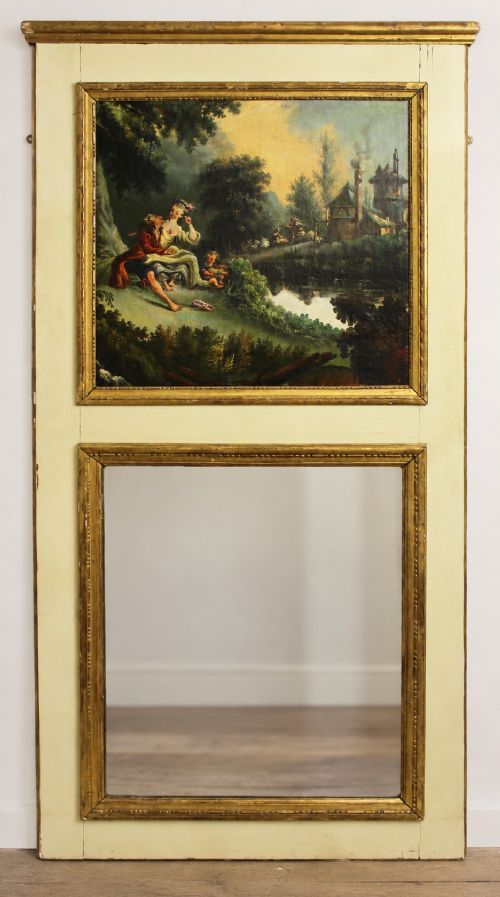
- A decorative wall mirror incorporating an oil painting or panel within the upper section of the frame. They often originate from French interiors.
- Pier Mirror
- A tall, narrow mirror designed to hang on the wall space between two windows. They share similar decorative framing techniques with larger mantel mirrors.
Traditional Overmantel: Frequently Asked Questions
Where should a traditional overmantel be hung?
These mirrors are traditionally positioned directly above a fireplace mantelpiece to reflect light and create a focal point in a principal room.
They also function effectively on large expanse walls in dining rooms or hallways, provided the wall structure supports the substantial weight.
How do I identify a Victorian overmantel?
Victorian examples often feature generous arched tops, robust carved wood frames, and heavy gesso ornamentation finished in gilt.
Many incorporate architectural columns or rope twist details that reflect the eclectic revival styles popular during the nineteenth century.
What is foxed glass?
Foxed glass refers to mirror plates that have developed dark spots, speckles, or areas of fading behind the reflective silvering layer over decades of ageing.
This natural weathering process is valued by collectors as evidence of authenticity and original age.
Are these mirrors heavy?
Traditional overmantels are heavy due to the combination of solid wood frames, thick gesso layers, and large glass plates.
Proper wall fixings and professional installation are essential to support their substantial weight safely.