

Traditional Oval Table
A traditional oval table brings organic curves and practical dining flexibility into a room, spanning periods from the seventeenth century to the twentieth.
Traditional Oval Table
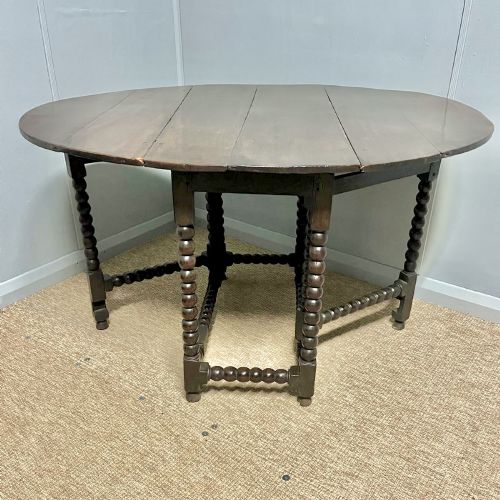
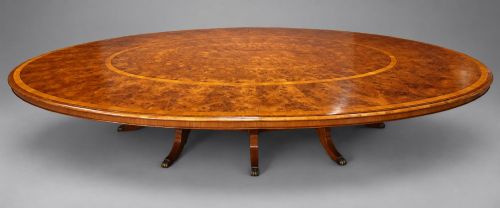
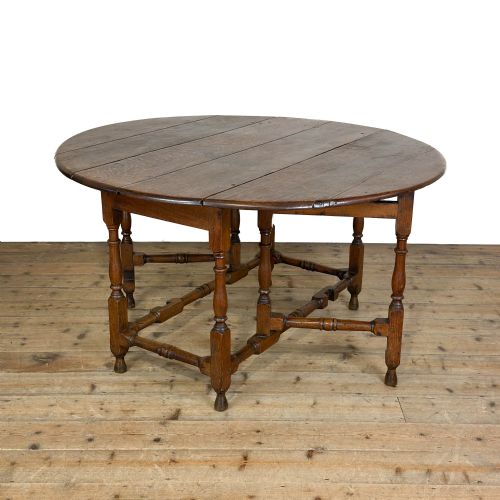
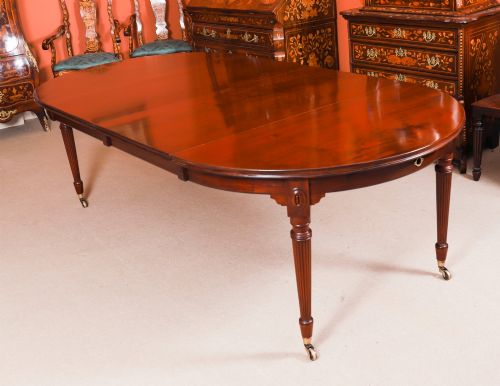
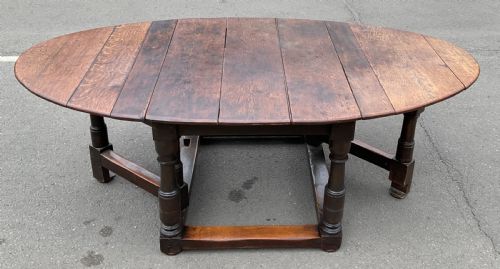
A traditional oval table encompasses a remarkably wide array of domestic forms, ranging from massive gateleg dining pieces to compact coffee tables and nests. When searching for a traditional oval table, buyers encounter formats built for hospitality, such as ten-seater wake tables and extending dining furniture, alongside smaller side tables and stools.
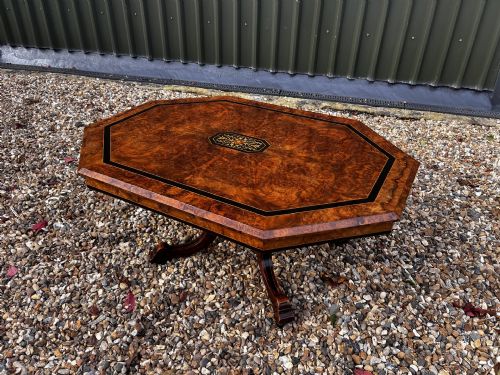
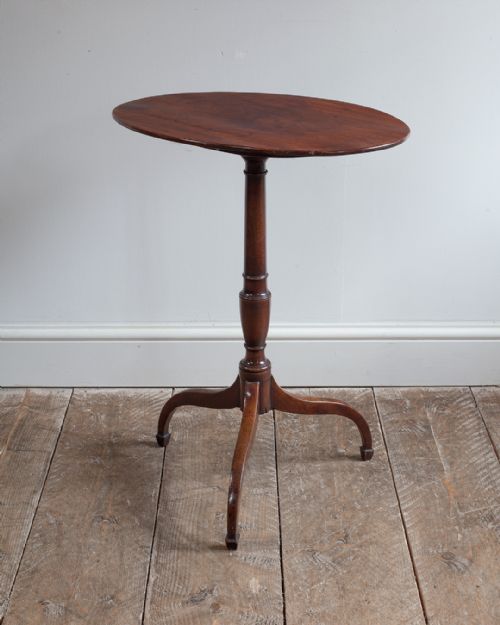
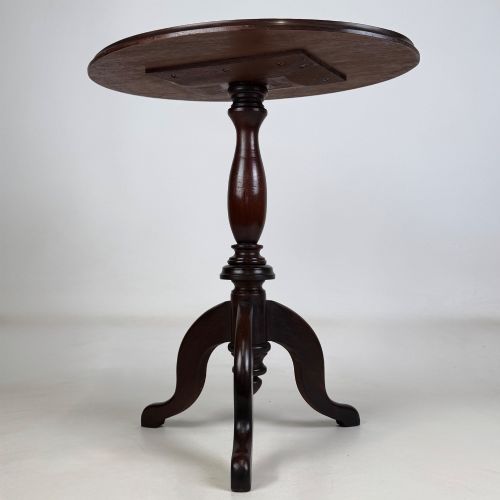
The historical span represented on this page stretches from seventeenth-century oak gatelegs to nineteenth-century Victorian walnut coffee tables and Edwardian mahogany pieces. Gateleg designs and wind-out extending dining tables dominate the larger formats, while occasional tables utilise tilt-top or pedestal configurations.
Materials and Construction
Timbers dictate the character of these pieces, with English oak, mahogany, and walnut appearing most frequently across the listings. Solid oak and burr walnut provide robust structures, while brass castors and iron fittings offer functional mobility on heavy dining tables.
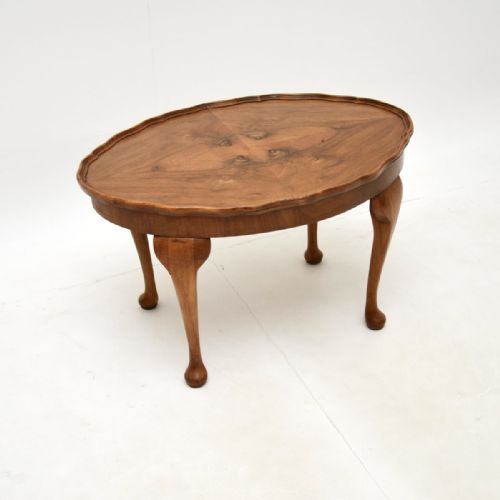
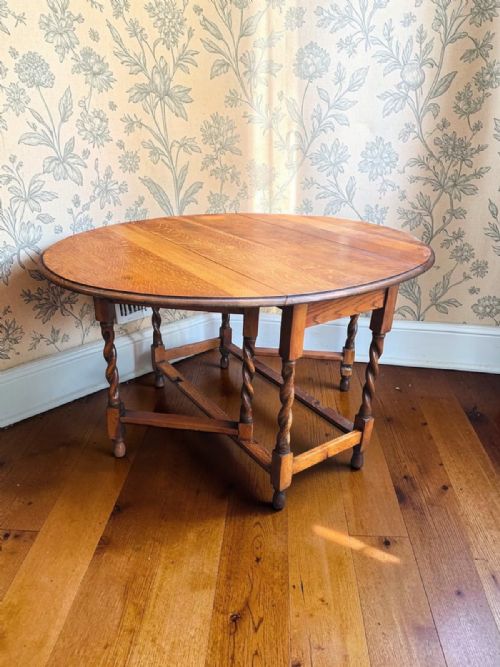
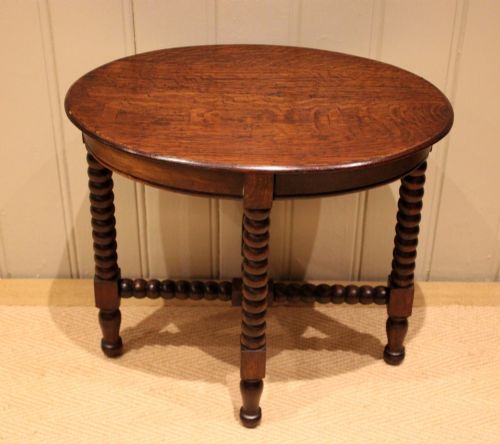
Joinery techniques define the period, from the bobbin-turned legs and drop leaves of seventeenth-century oak tables to the marquetry inlay and hand-carved bases seen on Victorian walnut coffee tables.
Traditional Oval Table Retail Price Guide 2026
Typical asking prices for traditional oval table among the pieces listed under this phrase on Sellingantiques today, from the lower quarter to the upper quarter. They describe what is for sale here now, not the wider market.
Several gateleg tables boast legs that have pivoted since the seventeenth century, proving that good joinery outlives dynasties.
Craftsmanship and Proportion
Distinctions in quality rest upon timber selection, evident in the dramatic grain of figured walnut or solid oak versus secondary woods. Superior examples display thoughtful proportion, where leaf extensions align seamlessly and turned legs exhibit crisp, deep carving rather than soft detailing.
The integration of original hardware, such as brass castors and drop handles, alongside stable gateleg hinge mechanisms, separates exemplary period pieces from later reproductions.
The Traditional Oval Table Glossary
- Gateleg table
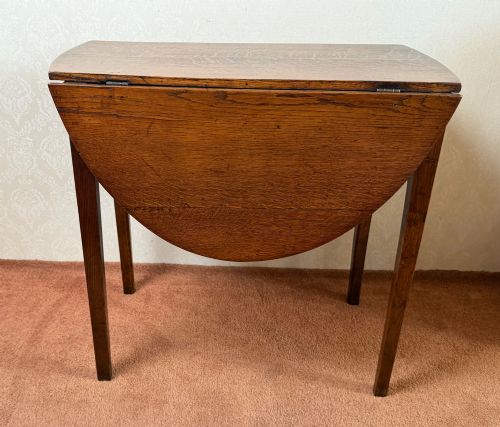
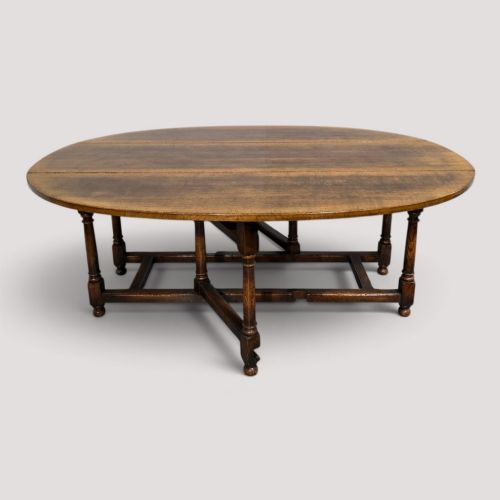
- A table with hinged drop leaves supported by swing-out legs that pivot from the frame to hold the leaves upright. This clever mechanism allows a large surface to fold away compactly.
- Wake table
- An exceptionally long, narrow oval dining table designed for large gatherings and communal feasts. These tables typically feature multiple folding leaves or numerous legs for stability.
- Pie crust table
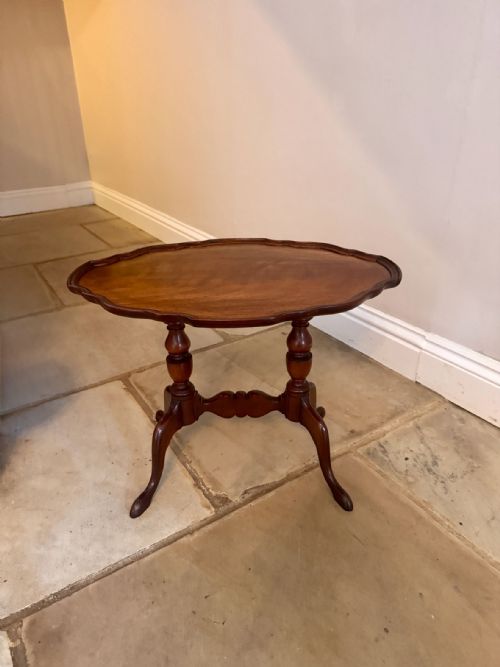
- A small occasional table featuring a raised, carved edge shaped in undulating curves resembling pastry work. This decorative moulding requires considerable skill with a chisel.
- Wind-out table
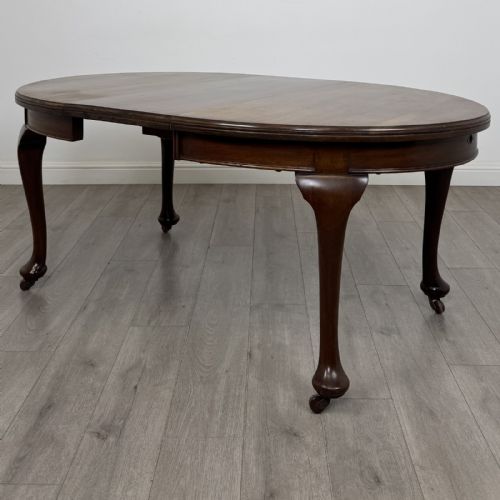
- An extending dining table operated by a mechanical handle inserted into the side, which turns internal screws to pull the sections apart. This innovation gained popularity during the Victorian era.
- Marquetry
- The art of applying decorative veneer pieces of different woods, and occasionally ivory or metal, to form geometric or floral pictures. It transforms a simple tabletop into a detailed surface.
Traditional Oval Table: Frequently Asked Questions
What is a gateleg table used for?
A gateleg table provides a flexible dining surface that folds down into a narrow console when floor space is needed. Owners extend the leaves to seat guests for meals and drop them afterward to reclaim the room.
Historically, these versatile pieces served central functions in farmhouses and modest homes where multi-use furniture was essential. Today they remain practical for dining rooms or kitchens requiring adaptable layouts.
How can I tell a Victorian table from a 17th century one?
Seventeenth-century pieces typically feature heavy English oak construction, pegged joints, and robust turnings such as bobbin or barley twist legs. The timber develops a deep, dark patina over centuries of exposure and handling.
Victorian tables often utilise mahogany or walnut, frequently incorporating mechanical wind-out systems for dining leaves or elaborate marquetry inlay. The hardware, finish, and secondary woods reveal the later industrial techniques of the nineteenth century.
Will a large oval dining table fit my room?
Measure your dining space carefully to ensure there is at least one metre of clearance around the perimeter for chairs to pull out comfortably. Oval shapes naturally soften room circulation compared to sharp rectangular corners, easing movement in tighter spaces.
Consider whether you need an extending model that stays compact for daily use but expands for seasonal gatherings. Comparing leaf dimensions helps determine the maximum footprint when fully opened.