
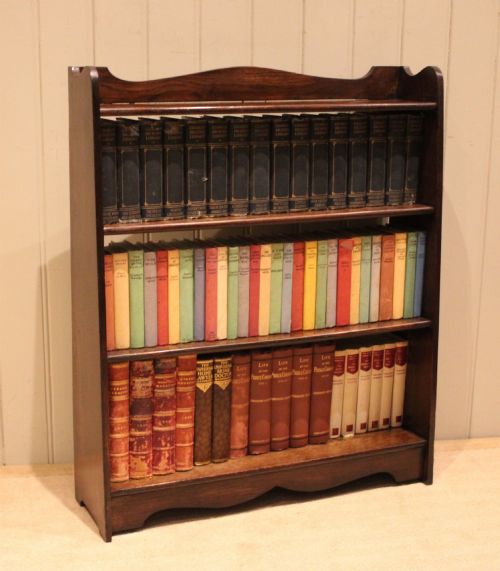
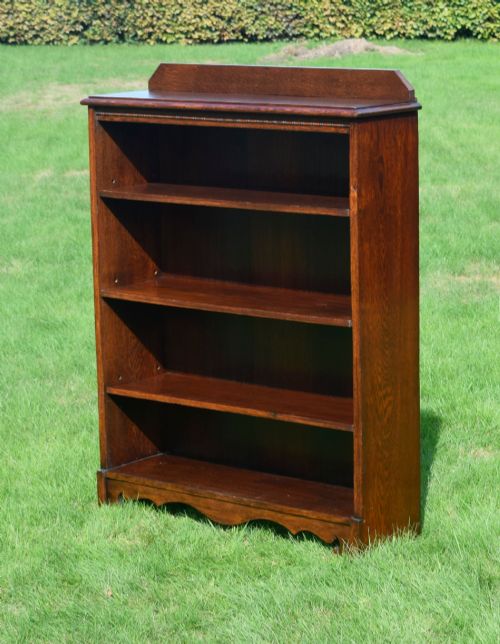
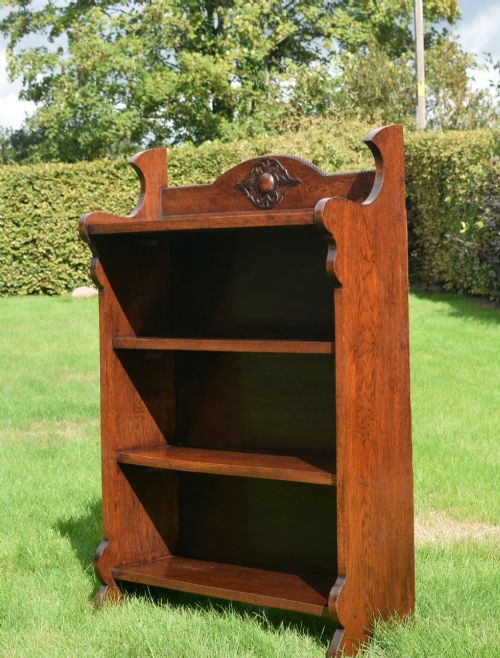
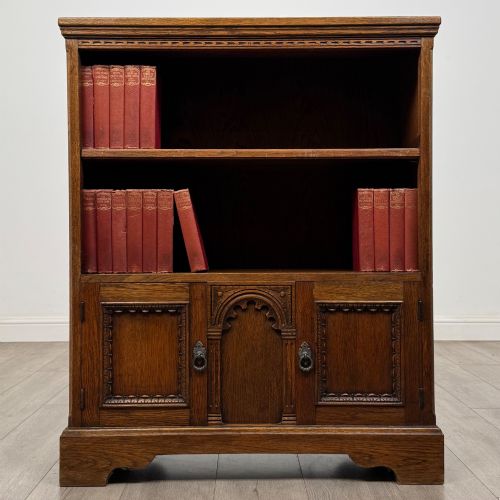

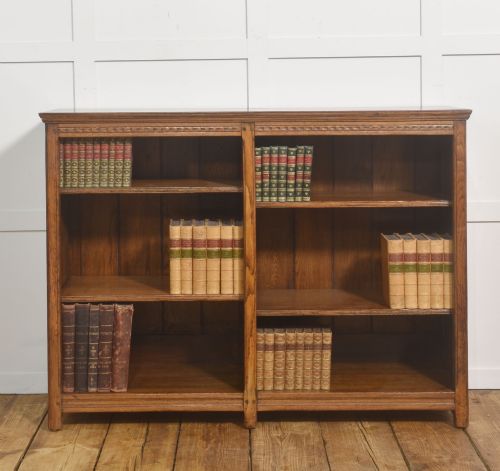
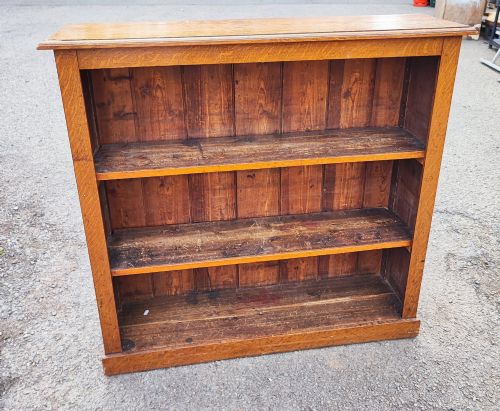
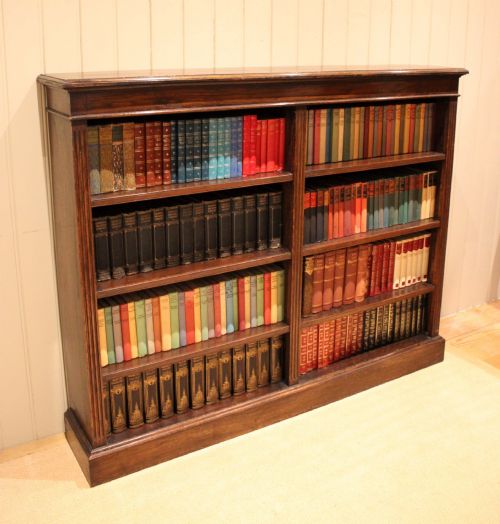
Traditional Open Shelving Unit
A traditional open shelving unit offers practical display and storage, bringing timeless timber construction and accessible organisation into any room.
Traditional Open Shelving Unit
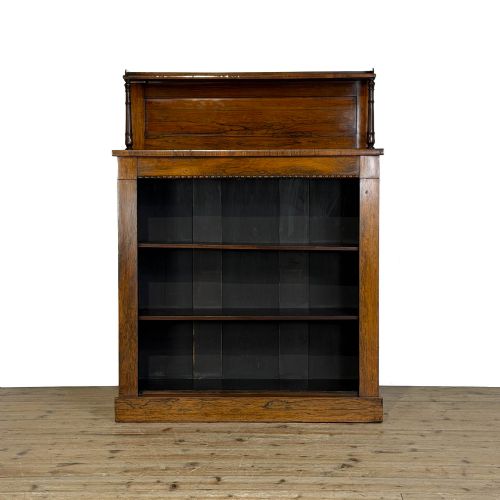
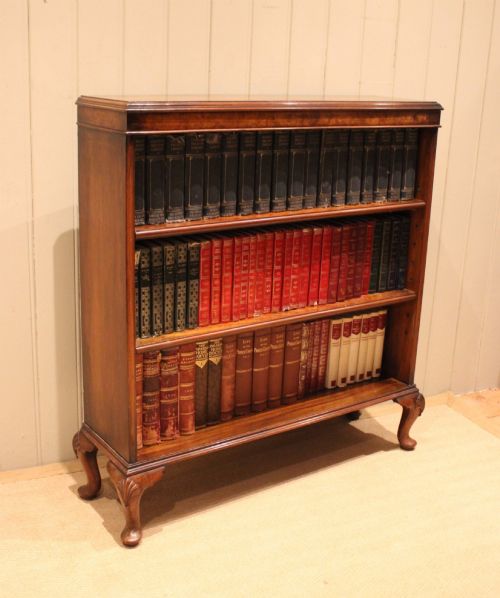
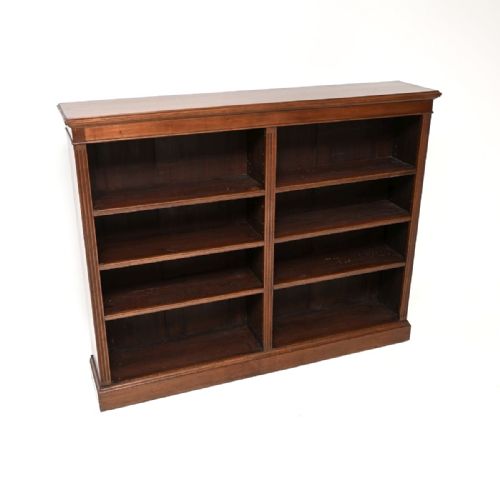
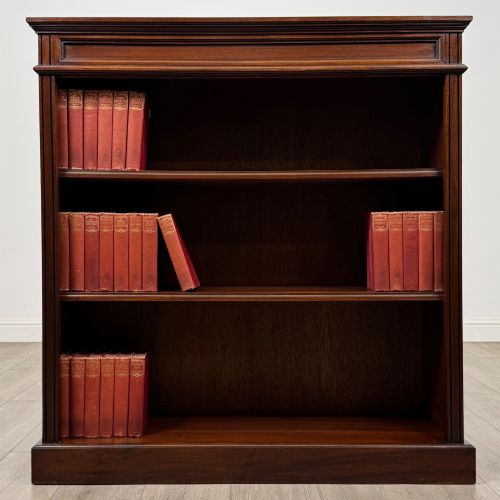
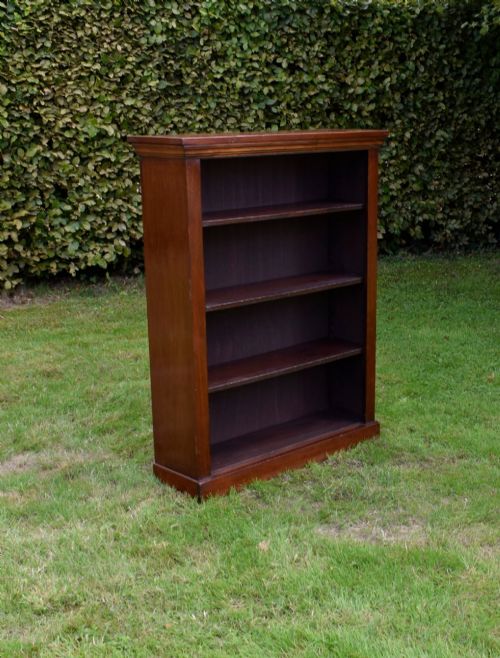
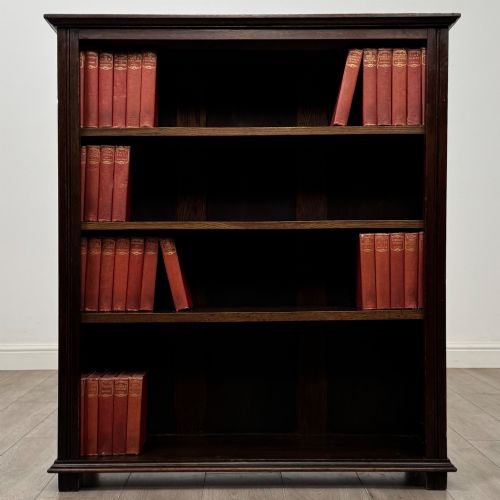
A traditional open shelving unit functions primarily as a bookcase or display cabinet, providing unobstructed access to books and objects. When exploring a traditional open shelving unit, buyers encounter formats ranging from compact Edwardian oak pieces to large Victorian mahogany libraries.
The materials span oak, mahogany, pine, walnut, burr walnut, and rosewood, reflecting decades of domestic and institutional storage needs. Many examples date from the Victorian and Edwardian eras, alongside pieces from the Regency period and the early twentieth century.
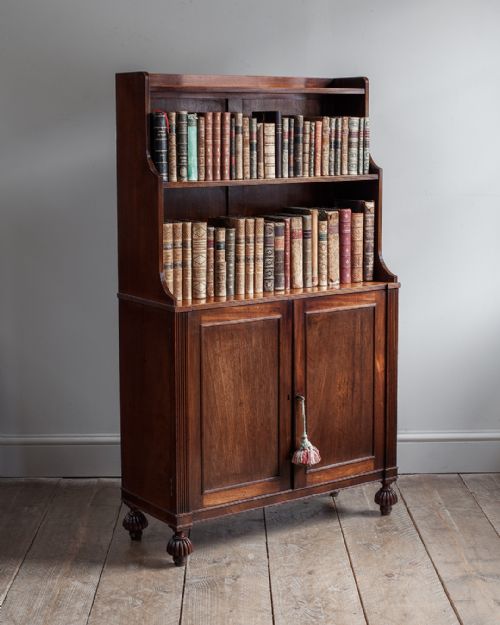
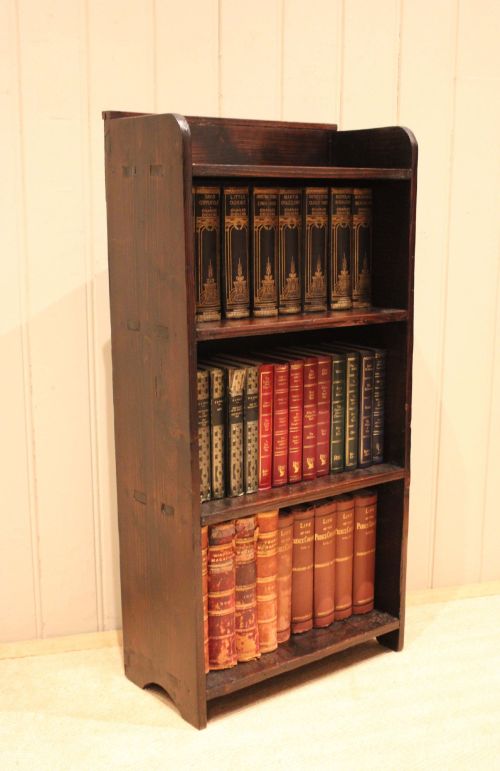
Styles vary from rustic country pine to formal Regency and Jacobean Revival designs. Buyers frequently discover practical variations such as adjustable shelves, stepped tiers, and waterfall configurations.
How they were made
Cabinet makers constructed these units predominantly using solid hardwoods and softer timbers like pine, often applying decorative veneers such as burr walnut or rosewood to prominent surfaces. Joinery techniques relied on traditional methods to support heavy loads of books across multiple tiers.
Many items incorporate functional elements like adjustable wooden shelves resting on brass pins or tracks, allowing custom spacing. Exterior details range from simple beaded edges to architectural cornices and angled frames.
Some nineteenth-century pine bookcases retain splashes of original paint hidden behind decades of subsequent wax polishing.
What varies in quality
The distinction between standard domestic utility and superior cabinet making rests in timber selection and secondary woods. Dense, well-figured oak, mahogany, or burr walnut indicate higher workshop standards than plain utility pine.
The Traditional Open Shelving Unit Glossary
- Waterfall bookcase
- A stepped shelving unit where each upper tier is narrower than the one below, creating a cascading profile.
- Breakfront
- A cabinet or bookcase whose central section projects forward from the flanking outer sections.
- Adjustable shelves
- Shelves that can be moved to different heights using vertical racks, peg holes, or brass supports.
- Beaded edge
- A narrow, rounded moulding run along the corner or edge of a board or frame to soften the profile.
- Burr walnut
- Timber taken from a growth or burl on a walnut tree, highly prized for its swirling, decorative grain patterns.
Traditional Open Shelving Unit: Frequently Asked Questions
How do I style an open bookcase?
Balance books placed vertically with stacks laid horizontally, and intersperse decorative objects or ceramics to break up heavy rows of spines.
Keep the composition grounded by placing larger volumes on the lower shelves and lighter items near the top.
Are the shelves usually adjustable?
Many traditional open bookcases feature adjustable wooden shelves supported by brass pins, wooden pegs, or internal tracks.
Fixed shelves do appear frequently, particularly in simpler rustic or regional pieces from the nineteenth and early twentieth centuries.
What woods were commonly used?
Cabinet makers utilised dense hardwoods including oak, mahogany, walnut, and rosewood for formal and mid-range domestic furniture.
Softer timbers such as pine served for utility pieces, while luxury items often featured decorative burr walnut veneers.
How do I date a wooden bookcase?
Examine the timber species, construction methods, and secondary woods visible on the backboards or interior shelf supports.
Stylistic cues such as Arts and Crafts simplicity, Regency waterfall profiles, or Edwardian golden oak finishes help narrow the decade.