


Traditional Oil Painting on Canvas
Traditional oil painting on canvas brings centuries of portraiture, landscape and still life into a room through rich pigments applied to woven fabric.
Traditional Oil Painting on Canvas
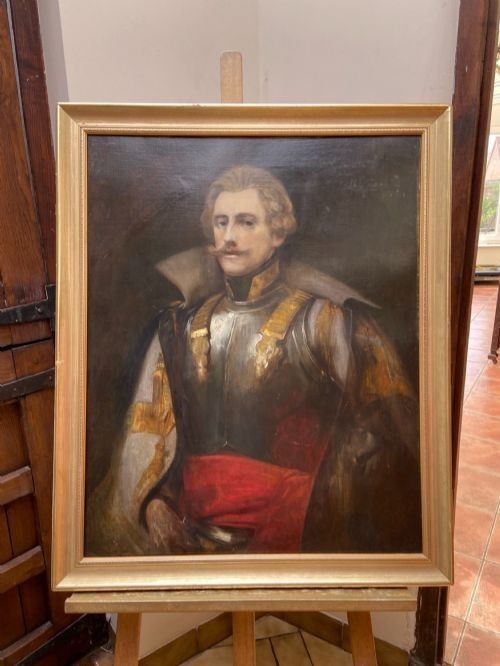
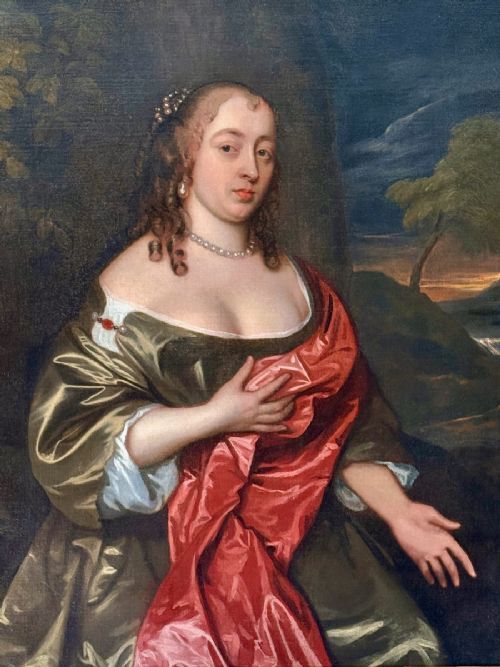
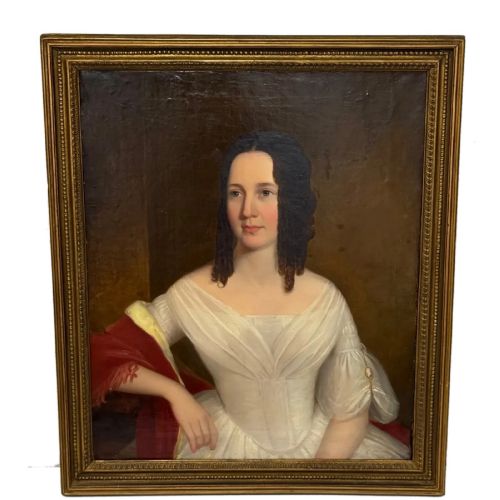
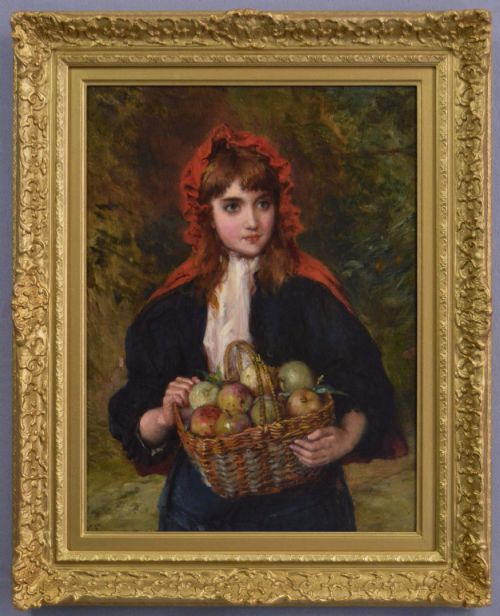
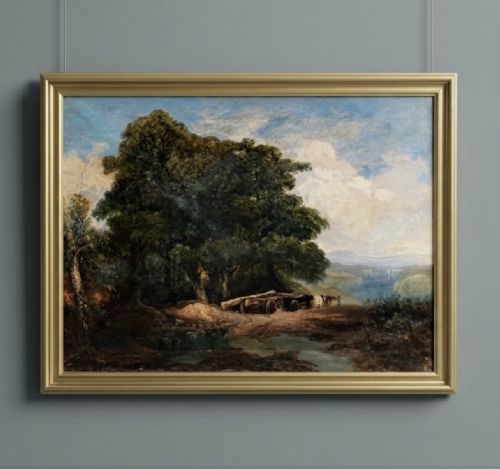
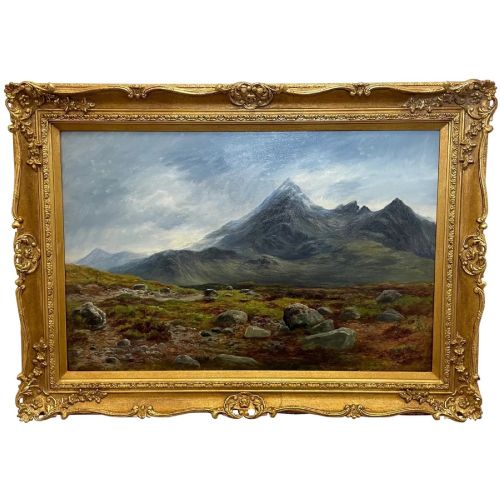
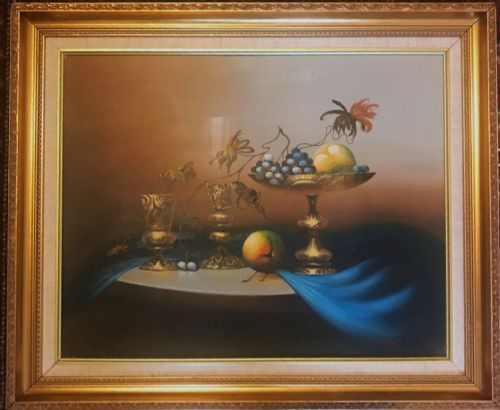
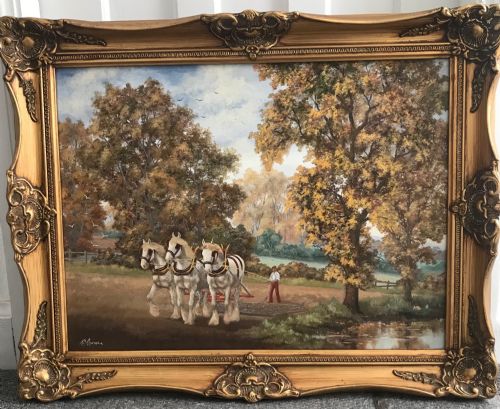
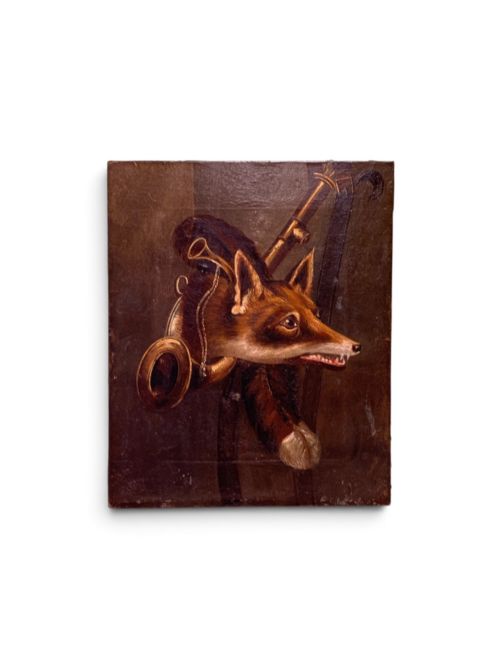
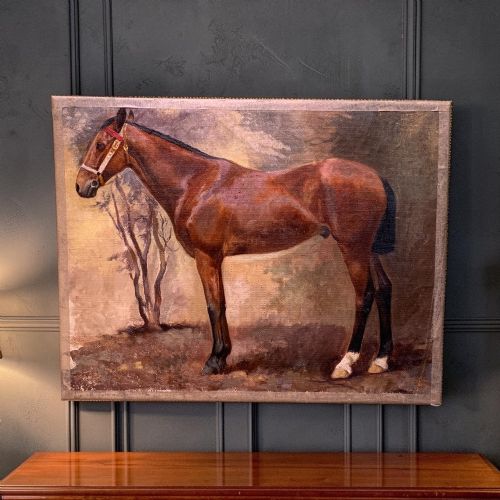
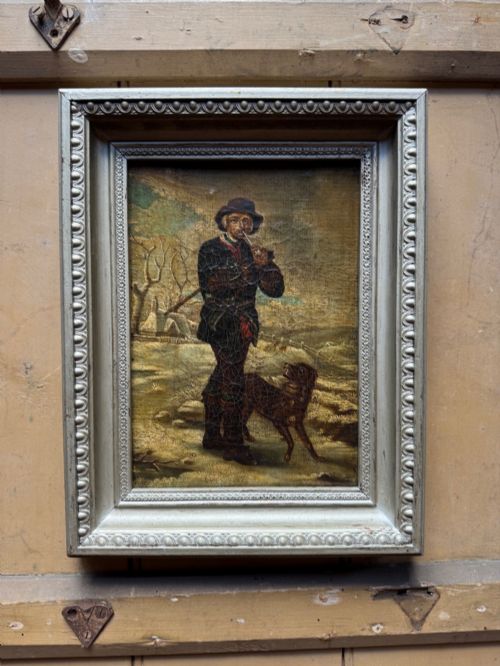
A traditional oil painting on canvas encompasses subjects ranging from portraits and marine scenes to pastoral landscapes, floral still lifes and animal studies. The pieces span from the eighteenth century through the Victorian and Edwardian eras into the mid-twentieth century.
Portraits of sitters in extensive landscapes sit alongside Dutch style floral arrangements, maritime views and rustic farmyard depictions. Most works are held in their original wood and gilt frames.
The materials recorded across these canvases include oil paint, stretched canvas, wood supports and gilt gesso framing. Artists from British, French, Dutch and Spanish schools contributed to the selection.
Materials and technique
Pigments ground in drying oils were layered onto woven canvas stretched over wooden frames, allowing for subtle tonal shifts and deep colour saturation. Artists built up compositions from dark underpaintings to luminous highlights.
Many works are housed in carved wood frames finished with gilt or gesso, providing structural support and decorative framing that complements the painted surface.
Cats, kittens, snails and racing pigeons share canvas space with solemn nobility and prize-winning bulls.
Execution and condition
Quality rests in the precision of the brushwork, the handling of light and shadow, and the anatomical or spatial accuracy of the composition. Masterful portraiture and landscape depth distinguish finer works from simpler decorative pieces.
The integrity of the canvas support, the stability of the paint layer, and the preservation of the original wood or gilt frame heavily influence the standing of any given canvas.
John Hayls·William Oliver·Richard Sebastian Bond·William Beattie Brown·Jozsef Molnar·William H Myers·George Graham·George Willison·John Horace Hooper·William McAlpine·Reginald Arthur Borstel·Hendrik Willem Schweickhardt·Alfred Fontville de Breanski·George Houston
The Traditional Oil Painting on Canvas Glossary
- Canvas
- A heavy woven fabric, typically linen or cotton, stretched tightly across a wooden frame to serve as the foundation for the paint layer.
- Giltwood
- Wood carved and coated with a thin layer of gold leaf, frequently forming the ornate frames that encase these paintings.
- Still life
- An artwork depicting inanimate subject matter, such as fruit, flowers or domestic objects, arranged on a flat surface.
- Provenance
- The documented history of ownership of an artwork, tracing its origin and passage through time.
- School
- A group of artists sharing a similar style, geographical origin, or training under a particular master during a specific era.
Traditional Oil Painting on Canvas: Frequently Asked Questions
How do I hang a canvas safely?
Heavy oil paintings require robust picture hooks secured directly into wall studs or masonry using appropriate fixings. Ensure the weight is supported evenly by the frame and hanging wire.
Keep paintings away from direct sunlight, heating vents and damp walls to protect both the canvas support and the delicate oil pigments from environmental damage.
How do I identify the period?
Examination of the canvas weave, the stretcher frame construction, and the formulation of the ground layer often reveals clues to an artwork's age. Handwritten inscriptions on the reverse of the canvas or frame can also provide dates.
Stylistic elements, clothing attire in portraits, and framing techniques align with specific historical eras such as the Victorian period or the eighteenth century.
What is an after piece?
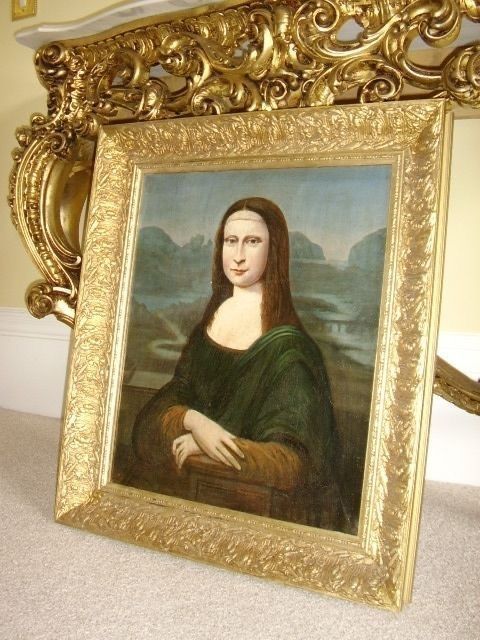
An after piece is a painting created in the style of, or directly copying, a well-known historical work by a master artist such as Leonardo da Vinci or Francisco Goya. These works demonstrate the enduring influence of famous compositions.
Such paintings were often produced by later artists as studies or decorative commissions, carrying the visual weight of the original masterwork.