
Traditional Oak Wooden Dresser
A traditional oak wooden dresser brings centuries of practical storage and rich timber grain into a room, spanning periods from the seventeenth century to the twentieth.
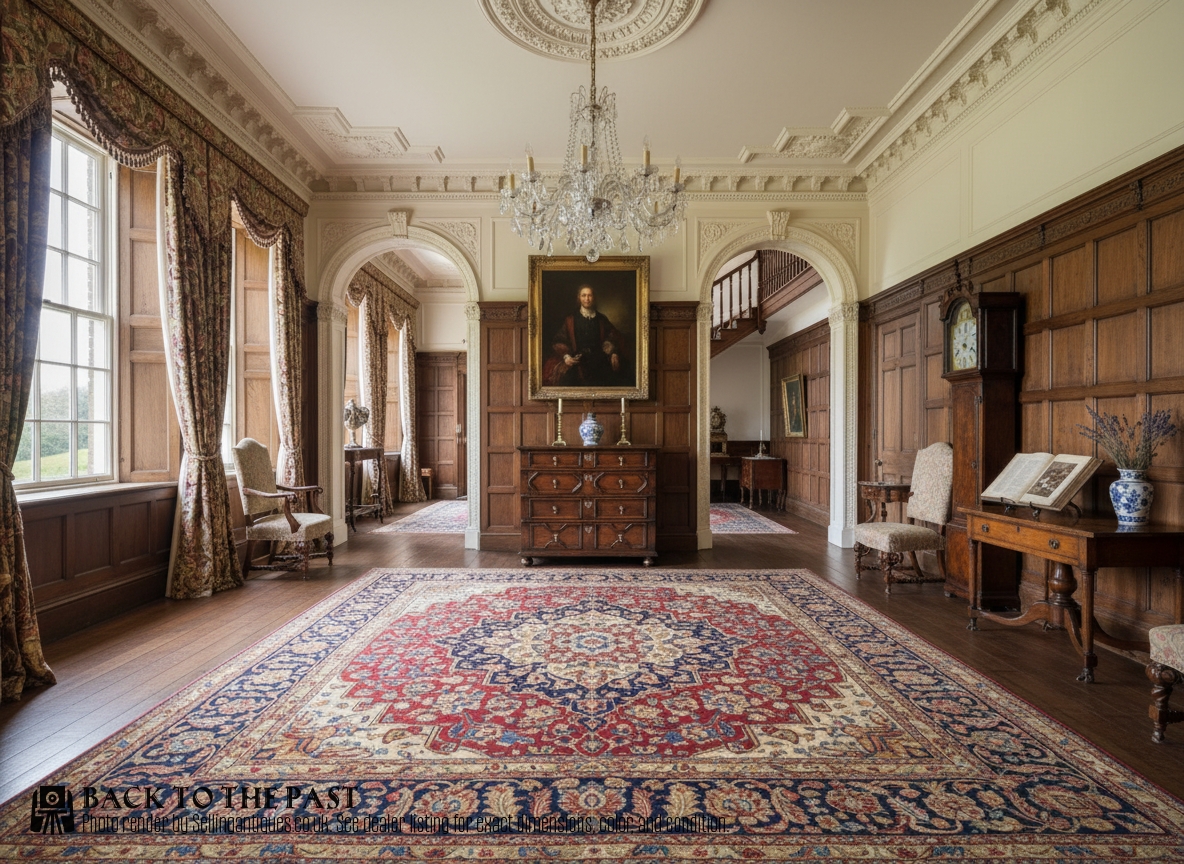
Traditional Oak Wooden Dresser
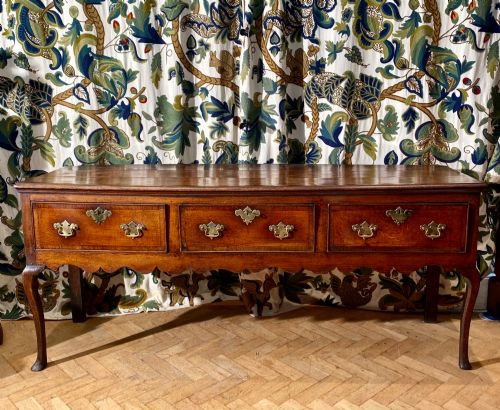
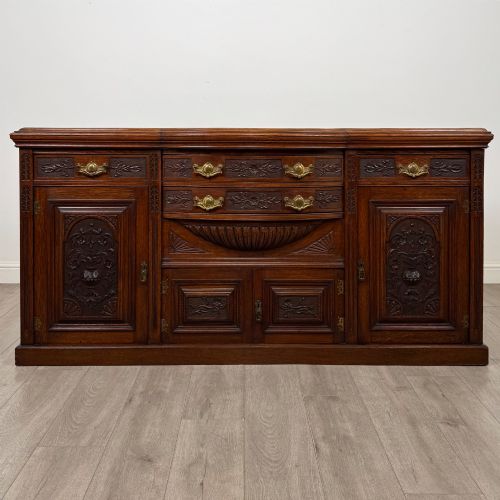
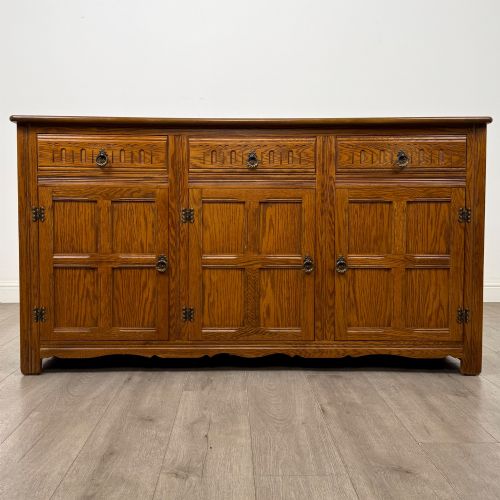
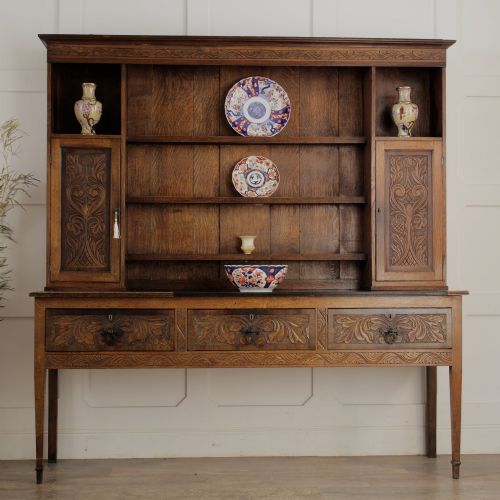
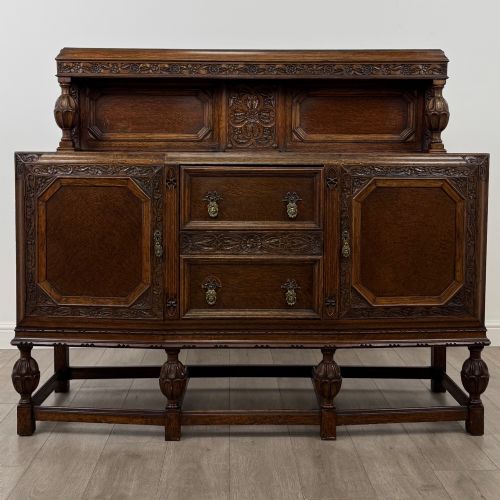
A traditional oak wooden dresser unites storage and display through fitted plate racks, dresser bases, and matching sideboards. These forms serve dining spaces and kitchens with generous drawer counts and open pot boards.
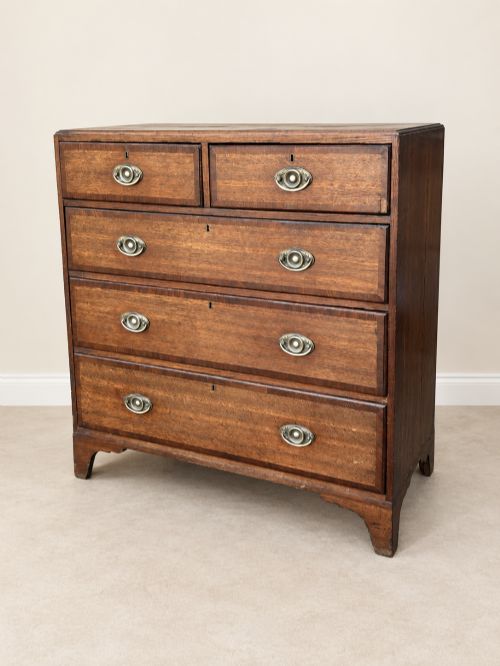
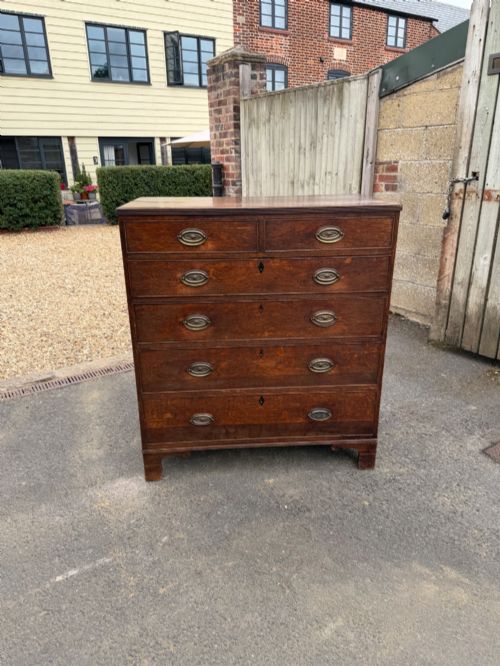
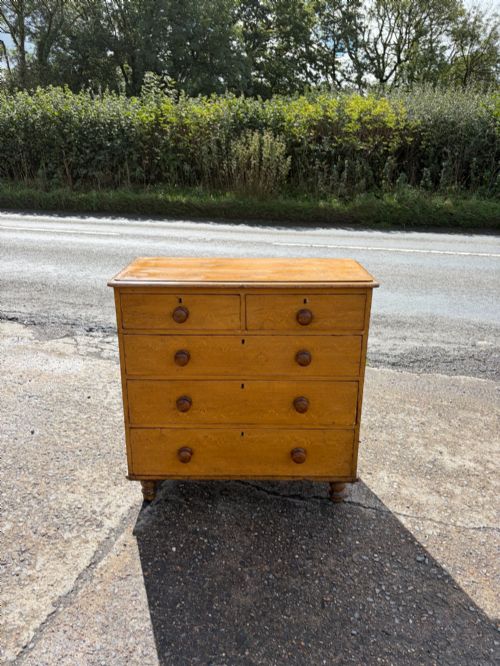
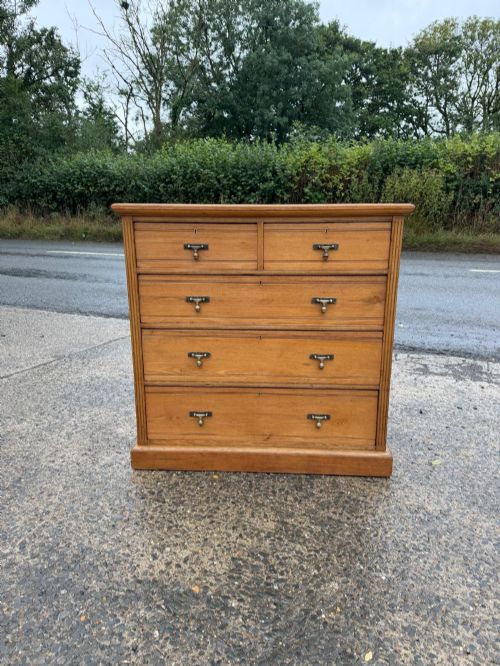
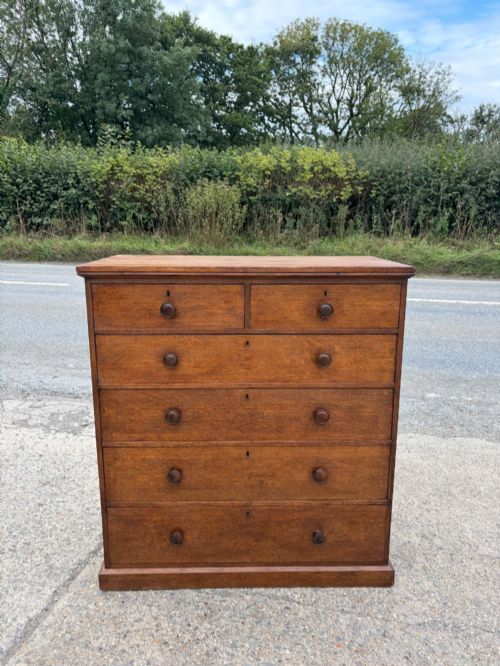
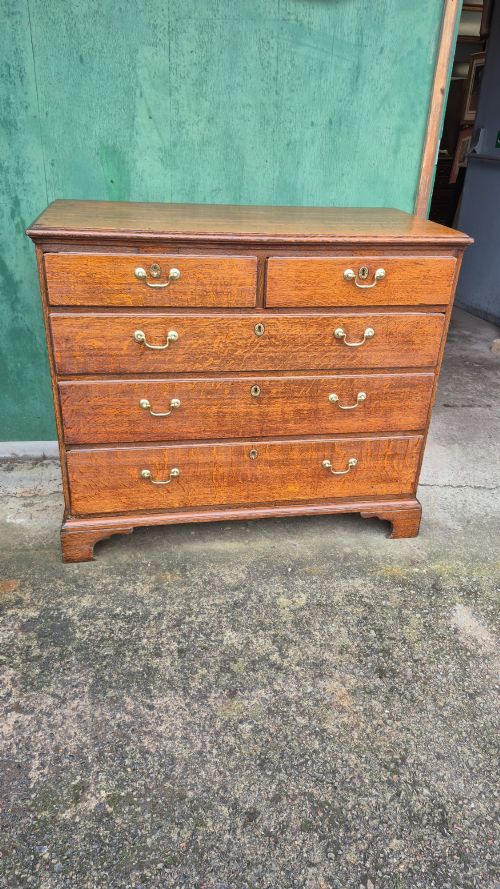
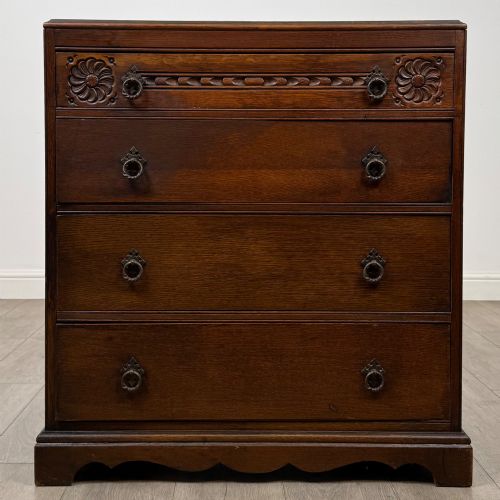
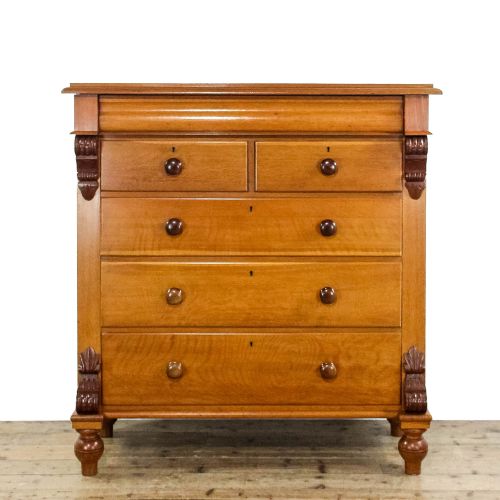
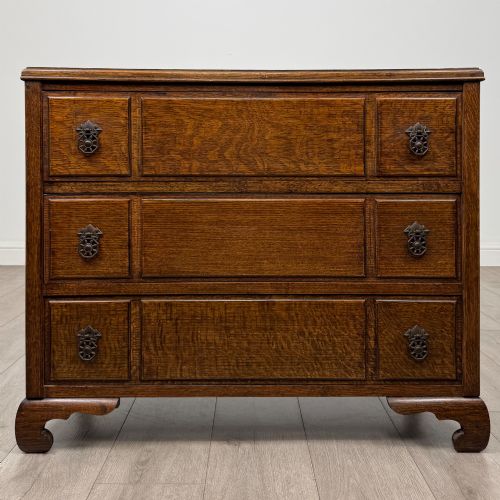
The pieces on this page encompass substantial Welsh and Lancashire country formats alongside structured Georgian and Edwardian iterations. Chests of drawers also appear frequently under this category, showing golden and dark patination.
Origins stretch from English workshops to Dutch and Welsh regional centres, capturing centuries of domestic utility in solid timber.
How they were made
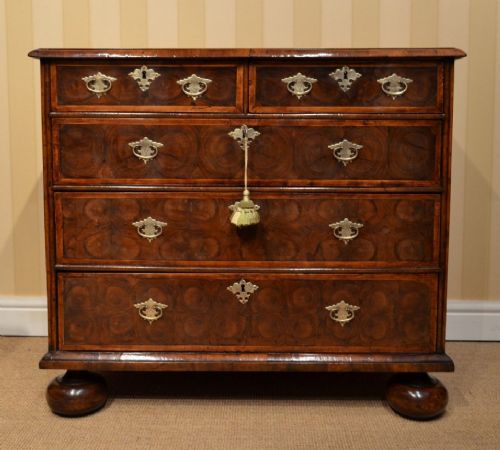
Construction relies primarily on solid oak, frequently augmented by brass handles, iron hardware, and occasional walnut or oyster veneer details on select cabinetry. Carpenters utilised durable local hardwoods to build frameworks meant for daily domestic endurance.
Surface treatments range from simple waxed finishes to limed treatments and carved decorations, particularly within Jacobean revival, Arts and Crafts, and Tudor revival contexts.
Some pot boards spent centuries holding heavy cheeses before moving indoors to display inherited ceramics.
What varies in quality
Quality rests in the depth of the timber grain, the retention of original handles and bracket feet, and the integrity of the structural joints. Pieces displaying finer carved detailing and proportional balance stand apart from simpler utilitarian builds.
The harmony between the dresser base and its associated plate rack influences overall desirability, as do the natural ageing and warmth accumulated across centuries of use.
The Traditional Oak Wooden Dresser Glossary
- Pot board
- An open lower shelf built into a dresser base for storing heavy pottery and kitchen utensils. This practical feature defines many regional British examples.
- Dresser base
- The lower cabinet portion of a dresser, often featuring multiple drawers and cupboards beneath a solid working top. These serve independently as sideboards or serving tables.
- Plate rack
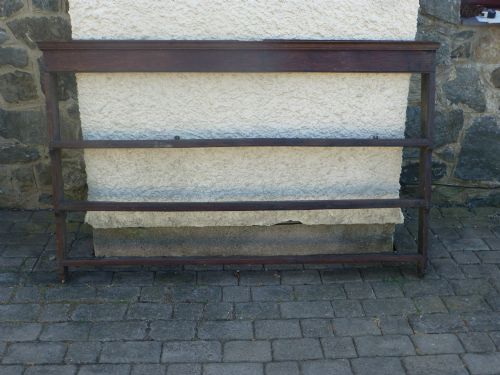
- The upper shelving unit mounted to a dresser base, designed to display ceramic plates upright. They often incorporate small hooks or grooves.
- Oyster veneer
- Thin circular cross-sections of branch wood laid in decorative geometric patterns across a surface. This technique appears on select walnut and oak cabinetry.
Traditional Oak Wooden Dresser: Frequently Asked Questions
How do I date an oak dresser?
Dating relies on observing construction methods, handle types, and timber patination. Earlier pieces often display pegged joints and hand-carved details, whereas twentieth-century examples show more uniform machine preparation.
Period styles such as Georgian, Edwardian, or Victorian also provide clear stylistic markers when matching hardware and proportions.
Are plate racks original to the base?
Many dressers retain their original paired plate racks, though some combinations evolved as separate elements joined together over time. Inspecting the timber colour, wear patterns, and fixing points helps determine whether the upper and lower sections originated as a single unit.
Both married and original sets hold distinct places in domestic interiors depending on proportion.
How should I care for oak furniture?
Oak benefits from occasional application of natural beeswax to nourish the timber and maintain a soft lustre. Avoid placing wooden furniture near direct heat sources or strong sunlight to prevent warping and drying of the grain.
Routine dusting with a dry or slightly damp cloth keeps the surface protected against everyday wear.
What is the difference between a Welsh dresser and a sideboard?
A traditional Welsh dresser incorporates an upright plate rack mounted above the lower storage base. A sideboard consists solely of the low base unit featuring drawers and cupboards without upper shelving.
Both forms utilise solid oak construction across various regional workshops.