



Traditional Oak Wall Unit
These traditional oak wall unit pieces span the eighteenth and nineteenth centuries, offering sturdy timber storage that organises a room with honest period character.
Traditional Oak Wall Unit
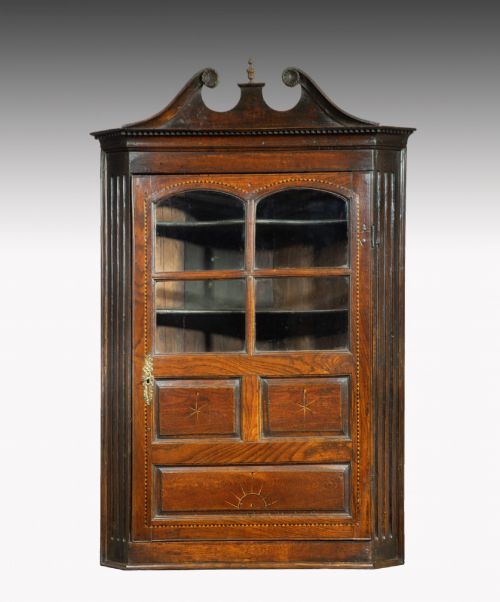
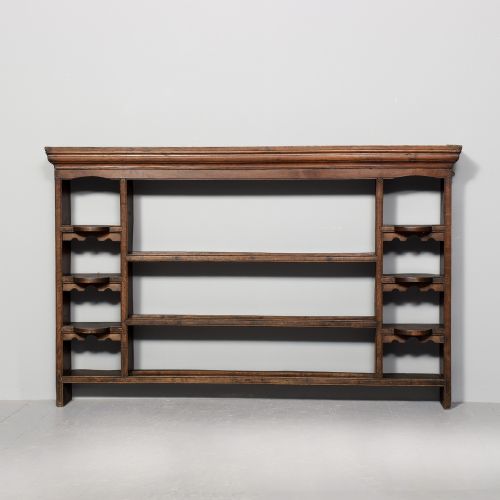
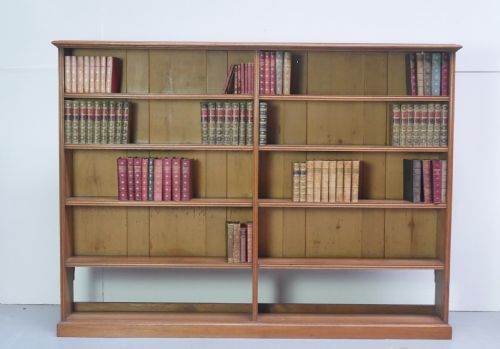
A traditional oak wall unit encompasses a variety of wall-mounted and corner storage forms designed to maximise interior space. Buyers hunting for these pieces encounter corner cupboards, wall shelves, bookcases, plate racks, and hanging racks.
The selection on this page leans heavily toward eighteenth-century and Georgian origins, alongside nineteenth-century examples. Formats range from small hanging corner cupboards to large bookcases and provincial French cupboards.
Styles recorded across the listings include Georgian, Georgian Country, English Country, Victorian, Arts and Crafts, French Provincial, and Jacobean Revival. These variations reflect regional workshop traditions and changing domestic needs over two centuries.
How they were made
Makers built these pieces primarily using solid oak timber, frequently accented with brass, mahogany, iron, glass, and satinwood elements. Wrought iron fittings appear on functional hanging racks and cabinet doors.
Construction techniques involve traditional joinery suited to heavy timber, accompanied by decorative detailing such as inlays and carved wooden elements. Workshops utilised local wood resources to produce durable wall-mounted and freestanding units.
Traditional Oak Wall Unit Retail Price Guide 2026
Typical asking prices for traditional oak wall unit among the pieces listed under this phrase on Sellingantiques today, from the lower quarter to the upper quarter. They describe what is for sale here now, not the wider market.
Some eighteenth-century corner cupboards have survived more house moves than most royal dynasties.
What varies in quality
Quality differences lie in the crispness of the carved details and the finesse of the wood inlays. Finer pieces demonstrate superior timber selection and deliberate surface finishing.
The integrity of the original brass and iron hardware influences the overall standard of a piece. Structural proportion and regional joinery traditions also distinguish standard provincial items from more accomplished workshop output.
The Traditional Oak Wall Unit Glossary
- Corner Cupboard
- A cabinet built with an angled back to fit neatly into the corner of a room. These save floor space while providing enclosed storage.
- Wall Rack
- An open wooden frame mounted to a wall, often fitted with rails or shelves for displaying plates and domestic items.
- Inlay
- A decorative technique where contrasting materials like satinwood or mahogany are inserted into the oak surface to form patterns.
- Provincial
- Describing pieces made in regional areas outside metropolitan centres, often displaying local design traits and robust construction.
- Arts and Crafts
- A design movement prioritising traditional craftsmanship, visible grain, and simple utility over excessive ornamentation.
Traditional Oak Wall Unit: Frequently Asked Questions
Where should I hang a corner cupboard?
These cupboards suit unused room corners where they utilise dead space effectively. They anchor above desks, sideboards, or seating areas.
Ensure the wall construction safely supports the weight of solid oak timber and contents before mounting.
How do I clean an oak wall unit?
Dust the timber regularly with a dry, soft cloth to prevent particulate accumulation. Avoid silicone sprays that build up residue on historic finishes.
Apply a microcrystalline wax sparingly when the wood appears dry to nourish the surface.
What is a plate rack used for?
Plate racks organise ceramic tableware upright against a wall for easy access and display. They suit kitchens, dining rooms, and pantries.
Historic examples often incorporate small ledges or hanging hooks for additional utility.
How do I date an antique oak cabinet?
Examine the construction methods, tool marks, and hardware types used in the assembly. Hand-cut joinery and period timber patination offer reliable indicators of age.
Compare the stylistic details against documented examples from the eighteenth and nineteenth centuries.