

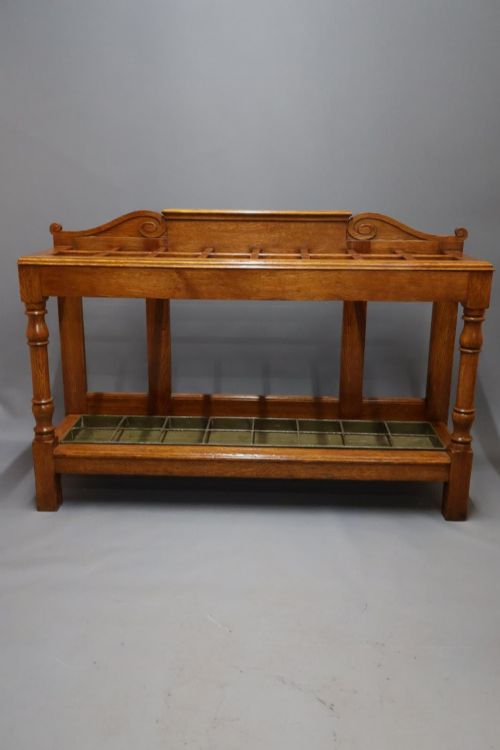


Traditional Oak Tray Stand
These traditional oak tray stand pieces combine practical utility with solid timber construction, offering a functional addition to any hallway or room.
Traditional Oak Tray Stand
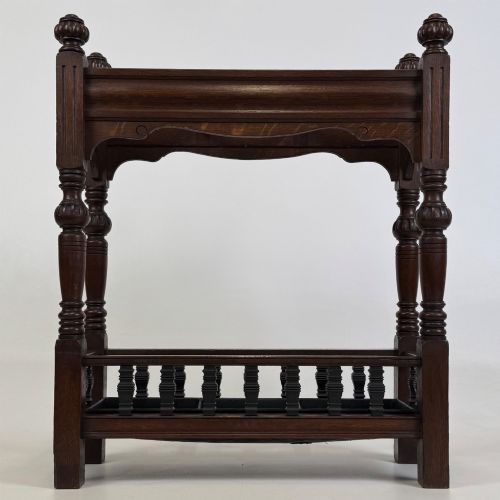
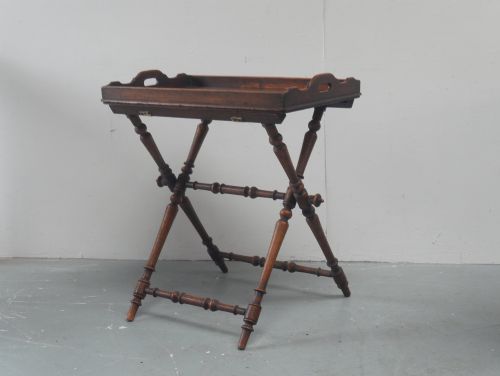
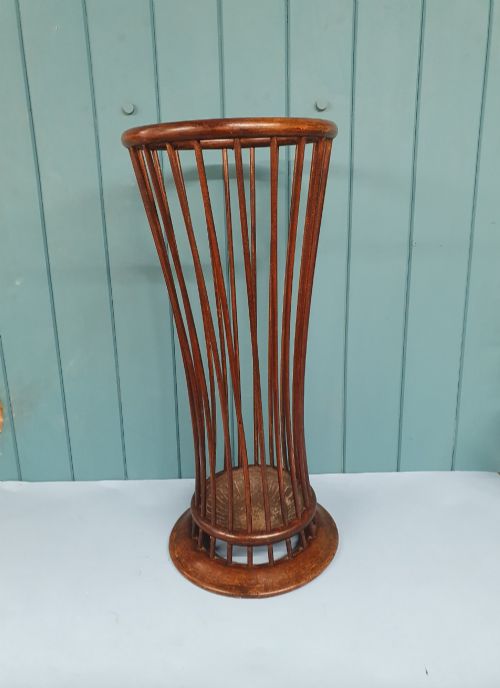
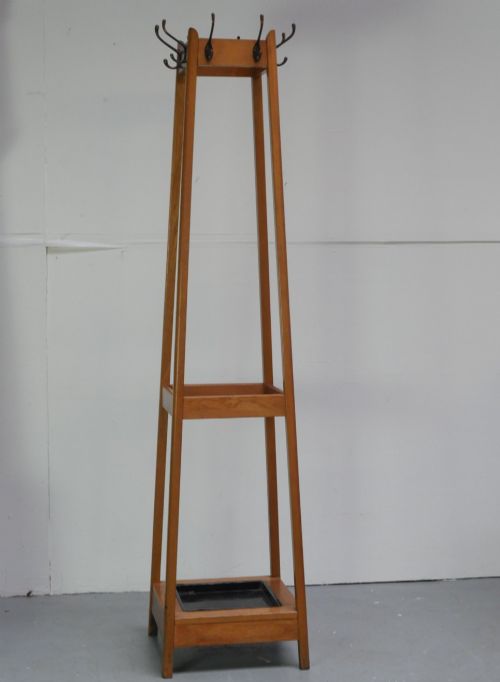
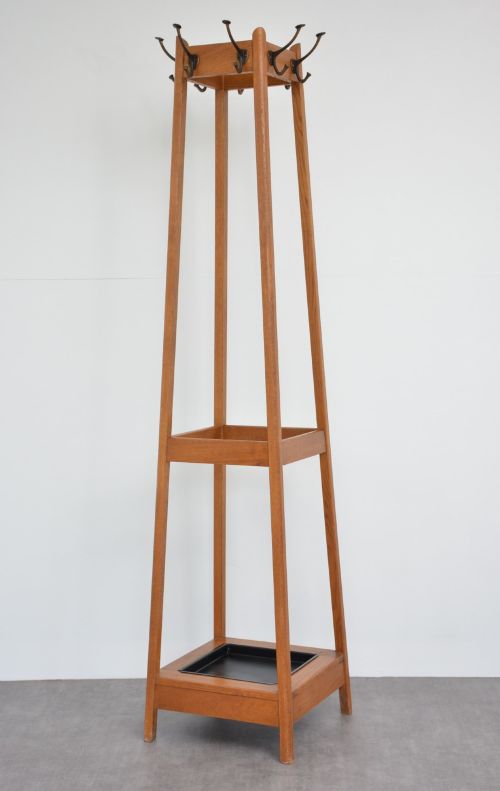
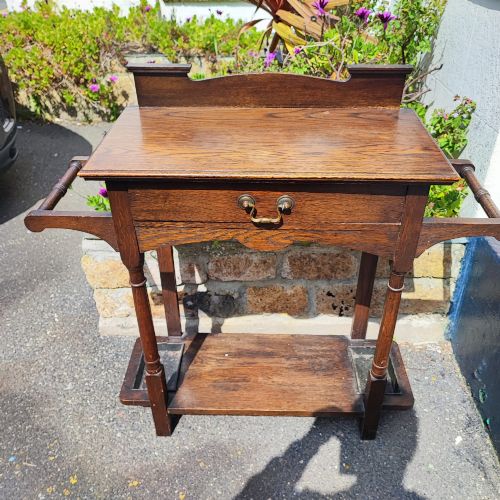
When searching for a traditional oak tray stand, buyers encounter various forms including butler's trays on folding bases, umbrella stands, hall stands, and desk ink stands spanning from the Victorian and Edwardian eras into the mid-twentieth century.
The pieces on this page lean heavily toward hallway furniture and serving trays, utilising sturdy oak timbers suited to domestic utility.
Origins stretch across nineteenth century workshops and Arts and Crafts movements, presenting distinct regional and period characteristics.
How they were made
Makers utilised solid oak alongside supporting materials like brass, iron, zinc, and cast metal for drip trays, hinges, and fittings.
Construction techniques combine traditional cabinet making with functional metalwork, integrating original metal drip trays and carved details where appropriate.
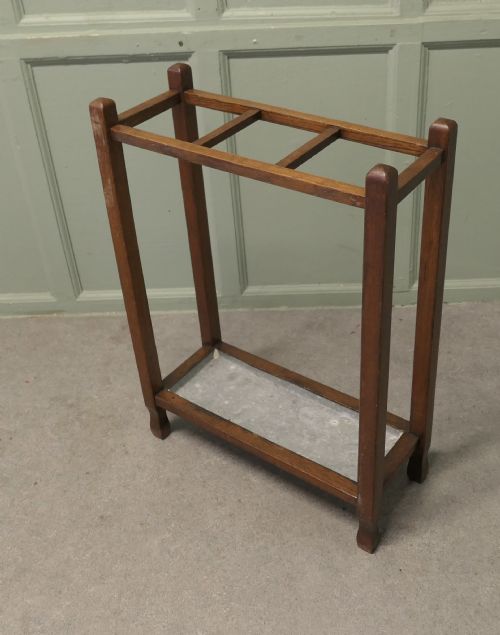
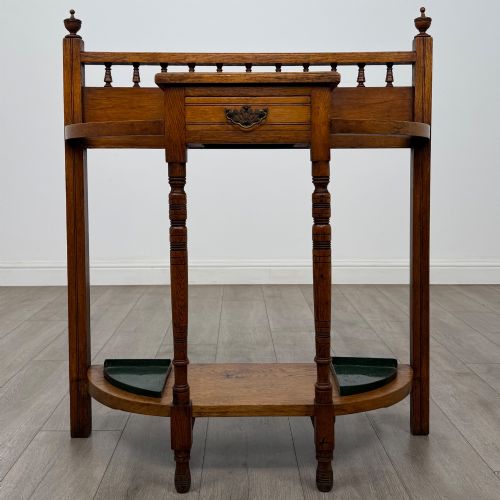
Some umbrella stands come equipped with zinc trays that have quietly caught rainwater for over a century.
What varies in quality
Quality rests in the selection of golden or solid oak timbers, the presence of original metal components such as drip trays, and the crispness of period carving.
Proportion and integrity of folding mechanisms or integrated umbrella holders distinguish standard utility items from finer Arts and Crafts or Country House examples.
The Traditional Oak Tray Stand Glossary
- Butler's tray
- A removable wooden tray designed to sit upon a folding or fixed stand for serving.
- Drip tray
- A metal insert, often zinc or brass, positioned at the base of an umbrella stand to catch moisture.
- Arts and Crafts
- A design movement prioritising craftsmanship, simple forms, and visible material qualities.
- Hall stand
- A piece of hallway furniture combining storage for coats, hats, sticks, and umbrellas.
Traditional Oak Tray Stand: Frequently Asked Questions
What is a traditional oak tray stand used for?
These pieces serve multiple domestic functions, from holding walking sticks and umbrellas in a hallway to serving drinks or displaying items on a removable butler's tray.
Desk variants also organise writing materials, combining timber surfaces with ink wells.
How do I identify an Edwardian tray stand?
Edwardian examples typically display lighter oak tones and simpler lines compared to heavier Victorian predecessors, often reflecting Arts and Crafts influences.
Construction details and period hardware help pinpoint the date of manufacture.
Are the metal drip trays original?
Many umbrella and stick stands retain their original metal, zinc, or brass drip trays, which were designed to protect the timber base from water damage.
Inspect the fit and patina of the metal to understand its relation to the wooden frame.
Where should I place an oak tray stand?
Hallway stands suit entryways for managing coats, hats, and wet umbrellas, while folding butler's tray stands work well in living spaces or dining rooms.
Keep solid oak furniture away from direct heat sources to preserve the timber.