

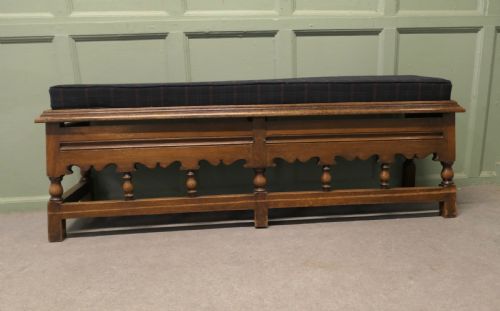


Traditional Oak Storage Seat
These traditional oak storage seat pieces combine sturdy timber construction with concealed compartments, offering timeless utility for hallways and living spaces.
Traditional Oak Storage Seat
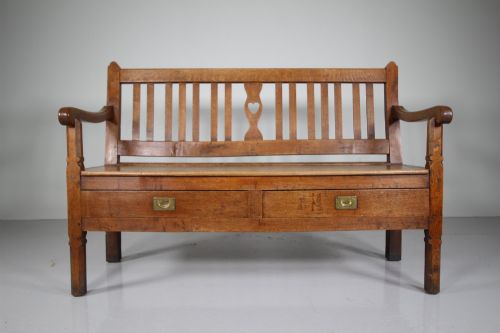
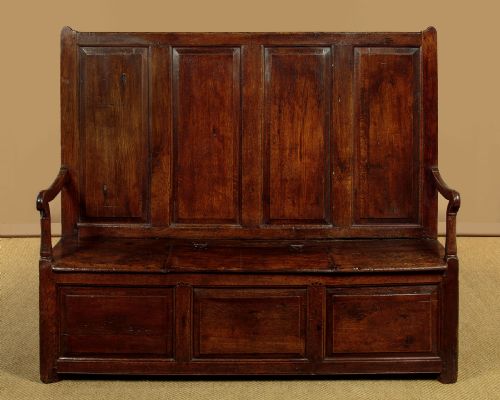
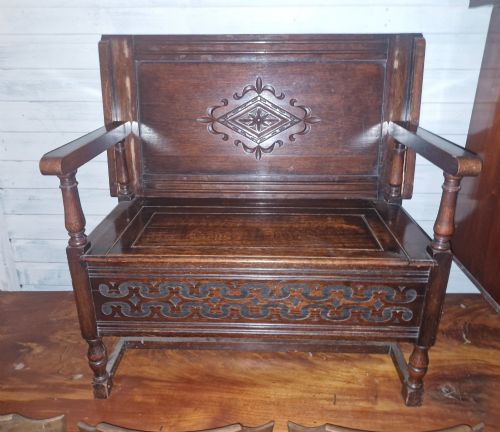
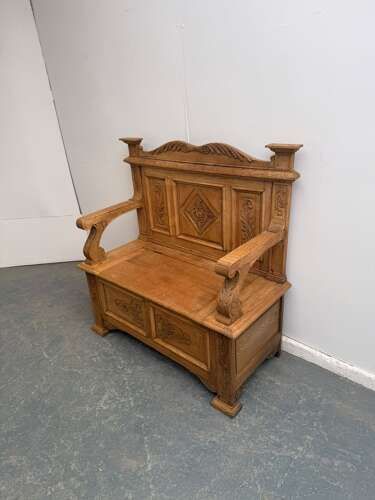
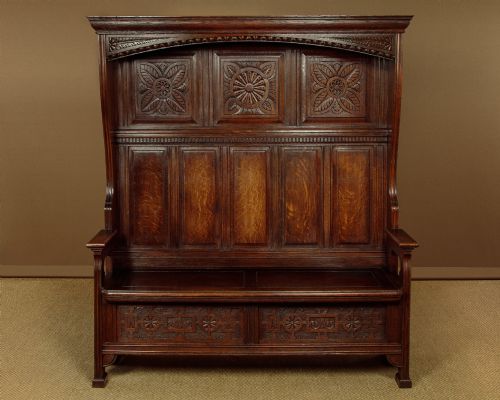
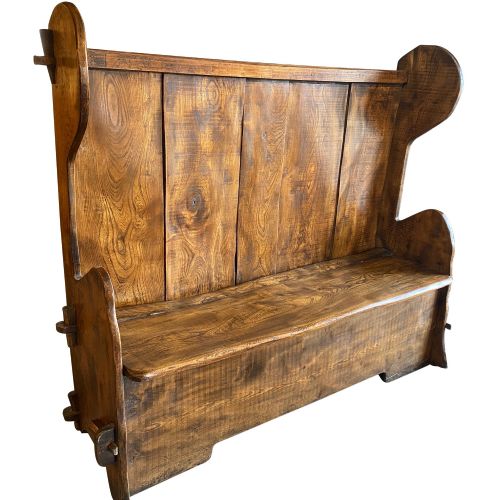
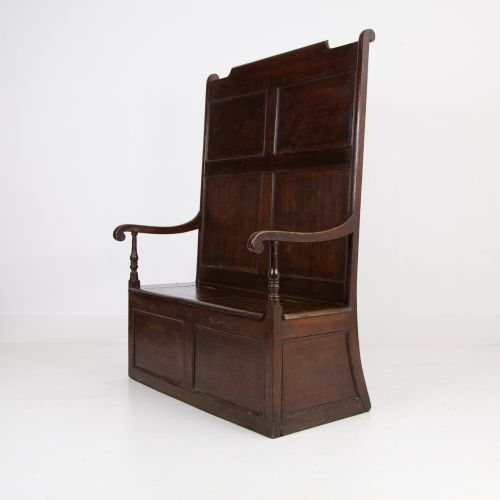
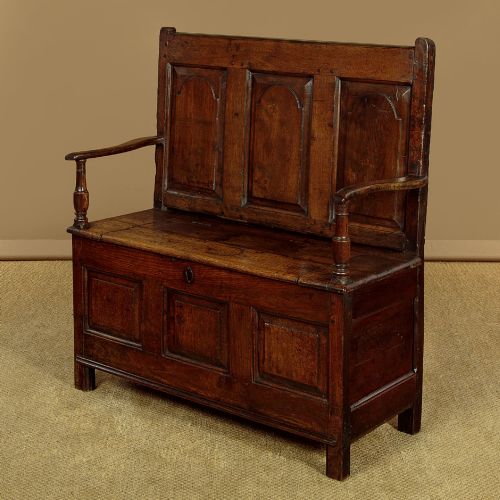
A traditional oak storage seat serves multiple domestic purposes, functioning primarily as a hallway bench while concealing storage beneath a lift-up lid or hinged top. The pieces you encounter most often span the eighteenth, nineteenth, and early twentieth centuries, encompassing vernacular regional styles such as Welsh country and rustic farmhouse designs.
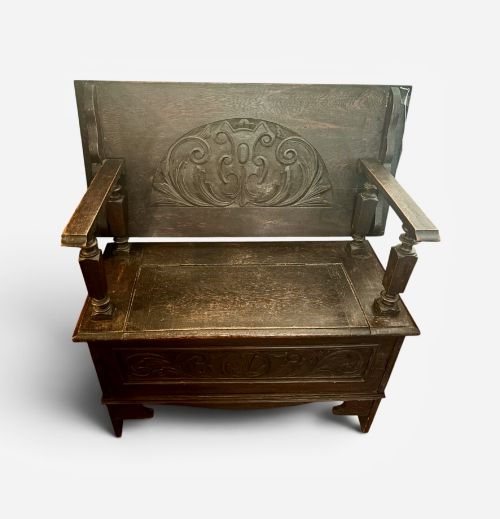
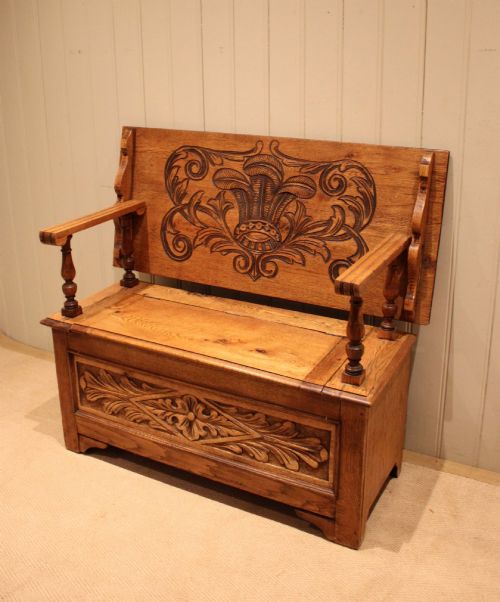
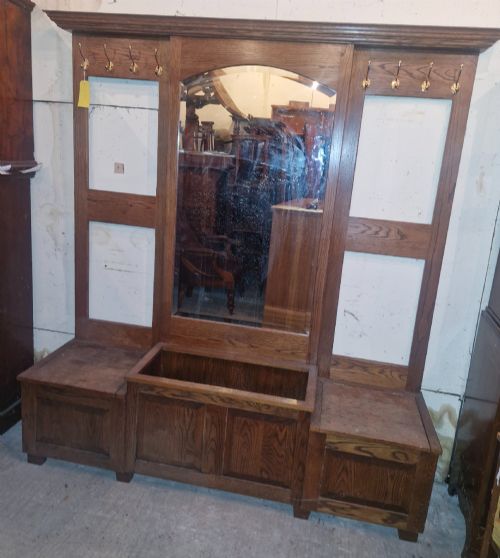
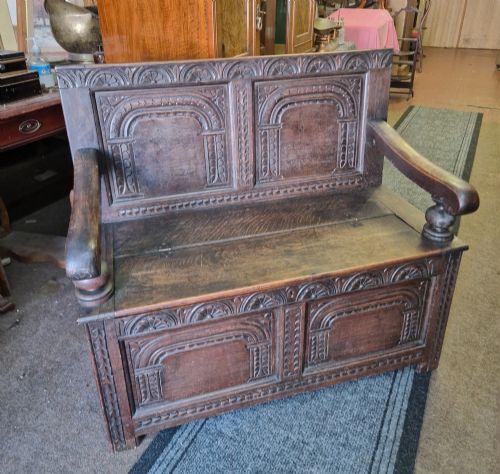
Forms vary significantly across the inventory, ranging from high-backed settle designs and monks benches with fold-over tops to compact hall seats and box stools. Many incorporate panelled construction or carved details reflecting revivals like the Jacobean style, while maintaining their practical seating and storage functions.
What varies in quality
The degree of hand-carving and the sophistication of the architectural detailing set finer examples apart from simpler vernacular pieces. Crisp relief carving on high backs and panelled fronts demonstrates superior craftsmanship compared to plain or later machine-produced surfaces.
Timber selection and structural integrity also dictate overall quality, with well-preserved solid oak boards and intact period hardware commanding greater appreciation. Pieces that retain their original hinges, lids, and structural bracing without excessive replacement timber represent the higher end of the range.
The inventory spans multiple eras, including eighteenth-century pieces, Victorian examples, and early twentieth-century designs up to the nineteen-sixties.
The Traditional Oak Storage Seat Glossary
- Settle
- A wooden bench with a high back, solid arms, and a box compartment beneath the seat for storage. This form kept draughts away from the sitter in older homes.
- Monks bench
- A versatile convertible item featuring a hinged back that folds down to form a table top over the seat. It provides both a chair and a surface within compact spaces.
- Coffer
- A large chest used historically for storing valuables, linen, or documents, sometimes adapted or incorporated into seating furniture. They often feature robust panelled construction.
- Welsh vernacular
- Regional furniture styles originating from Wales, characterised by practical construction using local timbers such as oak and elm. These pieces frequently display distinctive rural charm.
- Panelled
- A method of construction where thinner boards are fitted within a heavier wooden frame to allow for natural wood movement without warping. This technique appears frequently on backs and under-seat compartments.
Traditional Oak Storage Seat: Frequently Asked Questions
How do I use a monks bench?
You lift and pivot the upper back section forward so that it rests upon the arms, transforming the high-backed seat into a flat table surface.
This dual-purpose design allowed households in smaller rooms to combine dining or working space with casual seating without needing extra furniture.
What is a bacon settle?
A bacon settle is a specialised regional variant featuring a high wooden back fitted with internal hooks or racks near the top. These rails were traditionally used to cure and store sides of bacon away from pests.
The lower portion retains the standard enclosed storage box and bench seat found in conventional hall furniture.
How do I care for antique oak?
You should maintain the timber by applying a traditional beeswax polish periodically to feed the wood and prevent it from drying out. Avoid placing the seat near direct heat sources or in strong sunlight.
Regular dusting with a soft cloth keeps the surface clean without damaging the historic finish or patination built up over generations.
How can I tell the period?
You look at the construction methods, jointing techniques, and tool marks visible on the underside and interior of the piece. Hand-sawn boards, pegged joints, and vernacular design clues often indicate earlier eighteenth-century origins.
Later Victorian and twentieth-century interpretations frequently incorporate machine-cut elements, standardised hinges, and revivalist carving styles that distinguish them from older examples.