
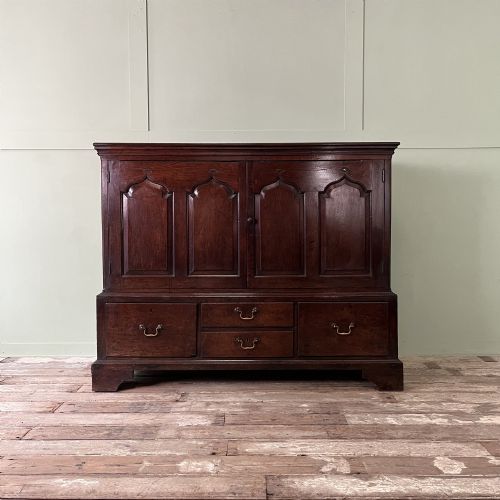
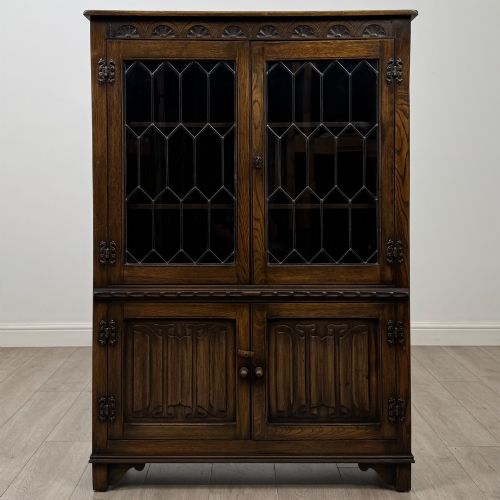
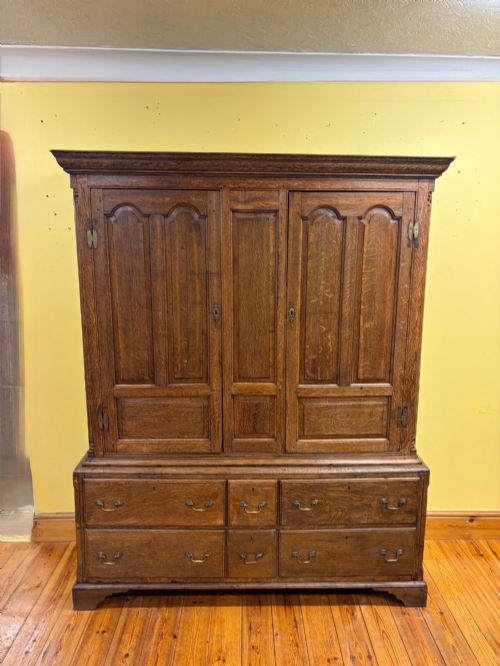
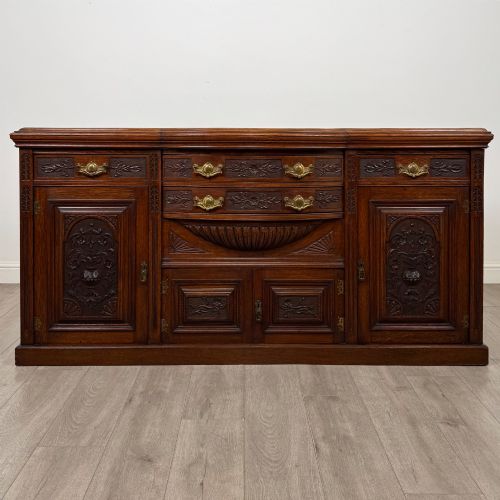
Traditional Oak Storage Cupboard
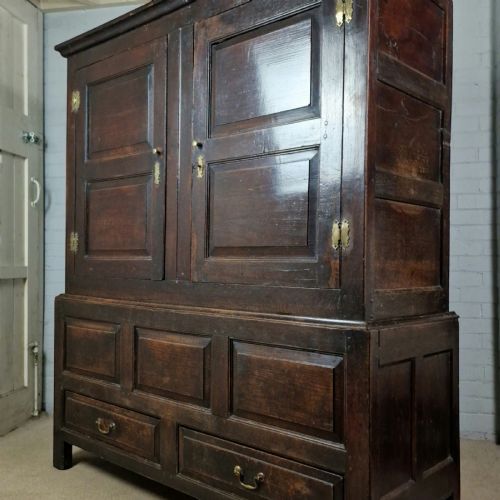
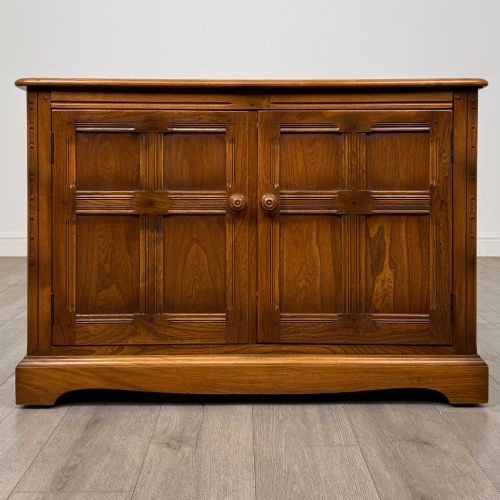
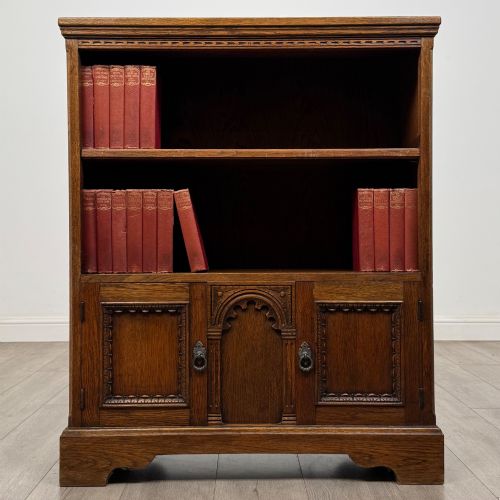
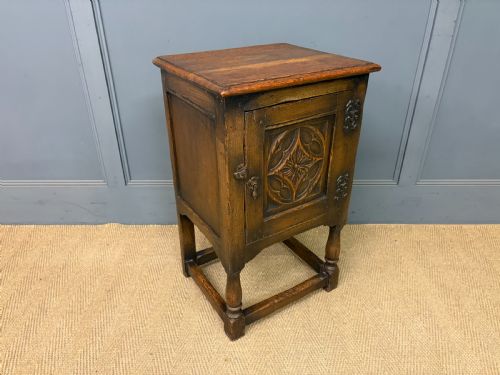
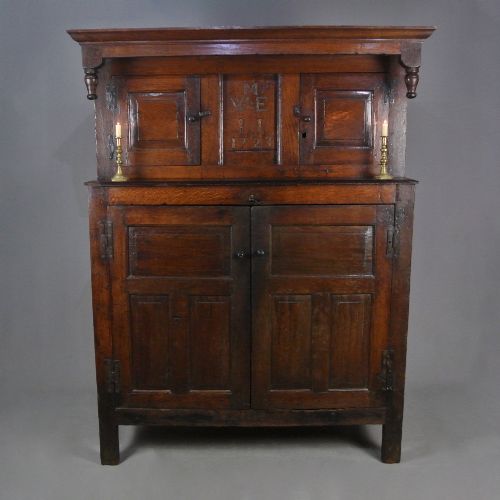
A traditional oak storage cupboard brings robust utility and honest timber grain into a room, spanning centuries of vernacular craftsmanship from sturdy court cupboards to linen presses.
Traditional Oak Storage Cupboard
A traditional oak storage cupboard serves as a utilitarian vessel for household goods, evolving from early domestic furniture into specialised forms like dressers, housekeeping cupboards, and linen presses. When searching for a traditional oak storage cupboard, a buyer encounters pieces originating primarily from the eighteenth and nineteenth centuries, alongside Edwardian and later revivals.
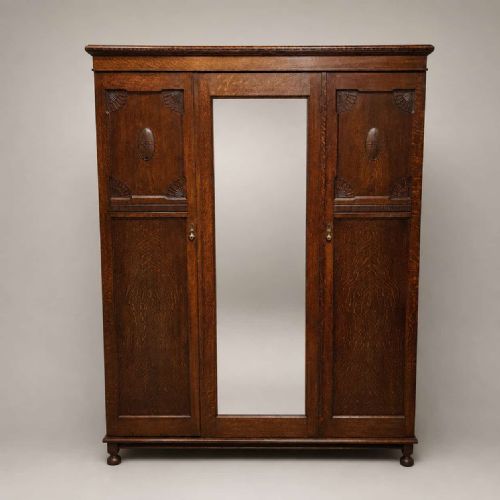
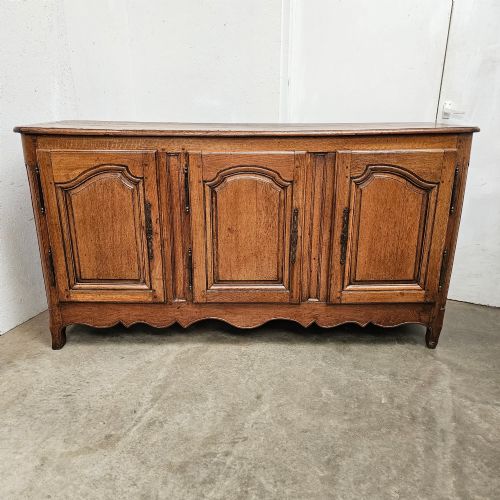
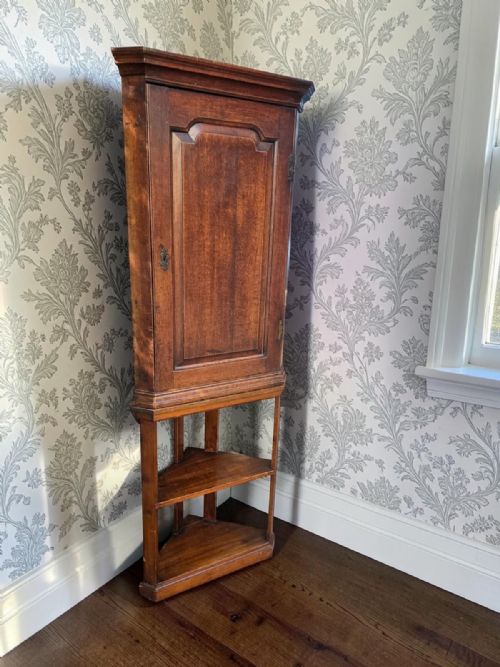
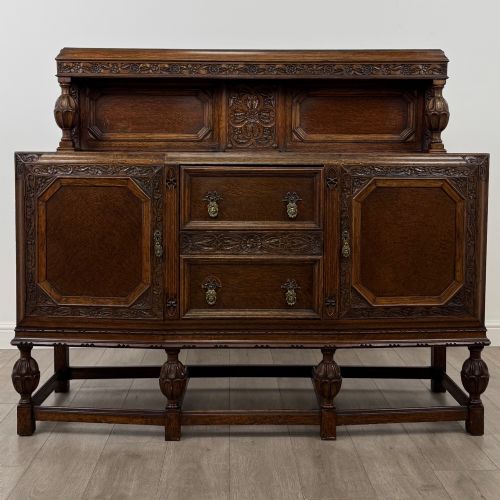
The selection ranges from low linen press cupboards and corner cabinets to tall wardrobes and court cupboards. Pieces often display regional characteristics, including Welsh vernacular styles, English country designs, and Georgian proportions constructed in solid timber.
What varies in quality
Quality rests upon the integrity of the timber, the depth and crispness of any carved ornamentation, and the originality of the hardware such as locks and hinges. Early pieces with untouched blacksmith locks display greater desirability than later assemblies.
Proportion and scale distinguish fine vernacular examples from utilitarian ones. Well-balanced Georgian and eighteenth-century pieces maintain harmonious dimensions, whereas later Edwardian and twentieth-century items often show standardised commercial production.
Listings feature oak, pine, and mahogany alongside metal hardware like brass, iron, and wrought iron across multiple centuries.
The Traditional Oak Storage Cupboard Glossary
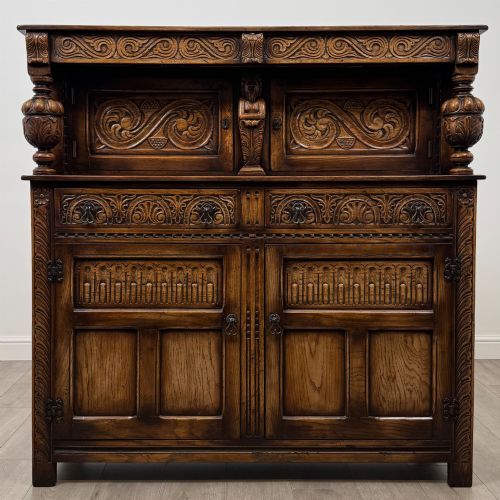
- Court cupboard
- A traditional heavy storage unit featuring an upper recessed cabinet supported by pillars above a lower section. These pieces date back to earlier centuries and often display carved decoration.
- Linen press
- A tall piece containing sliding trays or shelves in the upper section for storing textiles, placed above drawer storage below. They appear frequently in eighteenth and nineteenth-century inventories.
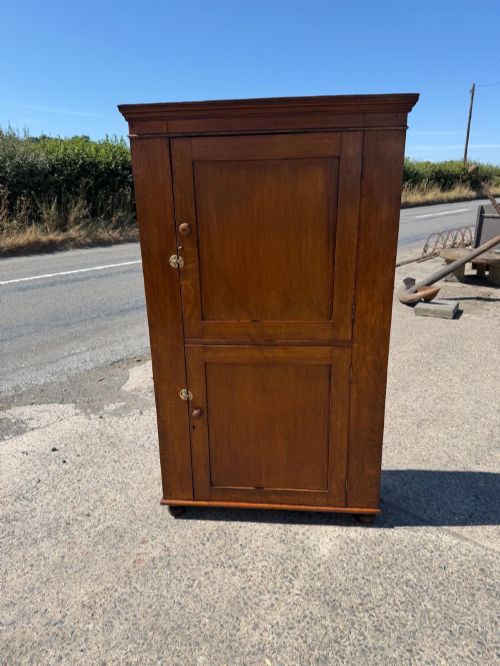
- Housekeeper's cupboard
- A large, functional storage piece designed for domestic supplies, typically featuring multiple doors and internal shelving. These items offer substantial capacity for modern use.
- Corner cupboard
- A triangular cabinet designed to fit neatly into room angles, maximising floor space while providing display or concealed storage. They occur in hanging and floor-standing formats.
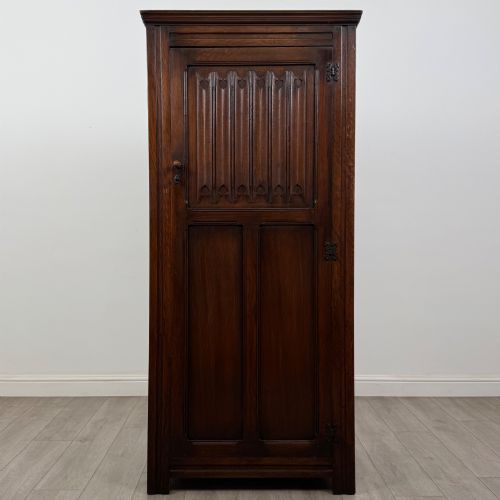
- Linenfold
- A style of wood carving that mimics folded fabric panels, commonly seen on Tudor and Jacobean revival furniture. This decorative motif adds texture to flat cabinet doors.
Traditional Oak Storage Cupboard: Frequently Asked Questions
How do I date a traditional oak cupboard?
Dating relies upon construction methods, hardware, and stylistic details such as linenfold carving or panel thickness. Early examples display hand-split timber and primitive blacksmith hinges.
Later Victorian and Edwardian pieces utilise machine-sawn boards and standardised fixings. Comparing the form to established Georgian or seventeenth-century styles helps clarify the period.
Where should I place a large cupboard?
Large pieces like housekeeping cupboards or triple wardrobes require sturdy walls and adequate floor clearance to accommodate their substantial depth. Hallways, large dining rooms, and bedrooms suit their scale best.
Ensure the room has stable humidity to protect solid oak panels from shrinking or warping over time.
What is the difference between a dresser and a cupboard?
A cupboard consists entirely of enclosed storage behind doors, whereas a traditional dresser combines base cabinets or drawers with an open plate rack on top. Dressers originated for displaying ceramics alongside general storage.
Both forms utilise solid oak construction in country and vernacular traditions.
How do I care for antique oak furniture?
Maintain solid oak pieces by avoiding direct sunlight and excessive heat sources that dry out the timber. Apply occasional traditional wax polish to nourish the grain and protect the surface.
Keep humidity levels consistent within the room to preserve original joinery and prevent wood movement.