


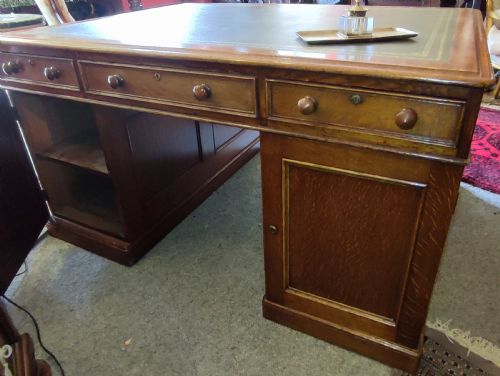
Traditional Oak Executive Desk
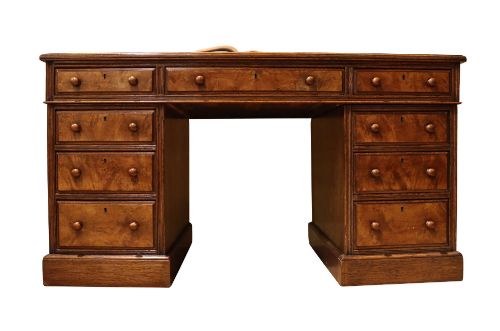
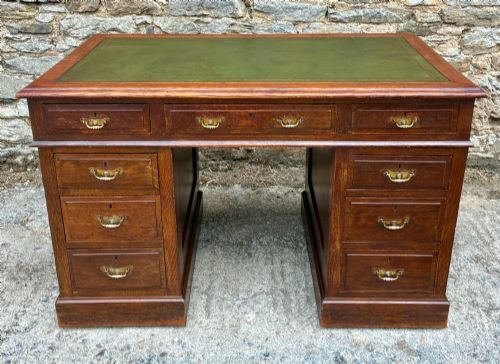
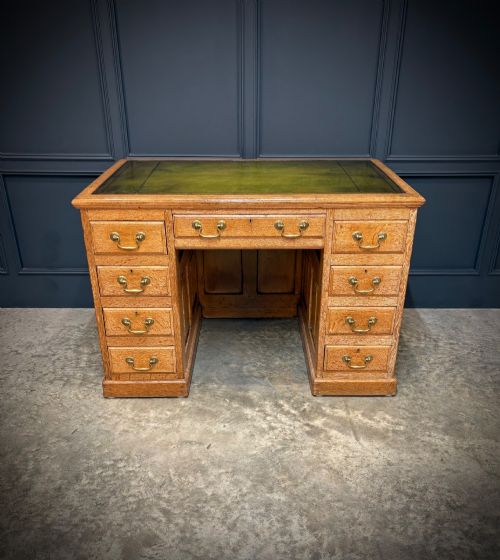
A traditional oak executive desk anchors a room with solid timber, generous proportions and heavy brass hardware.
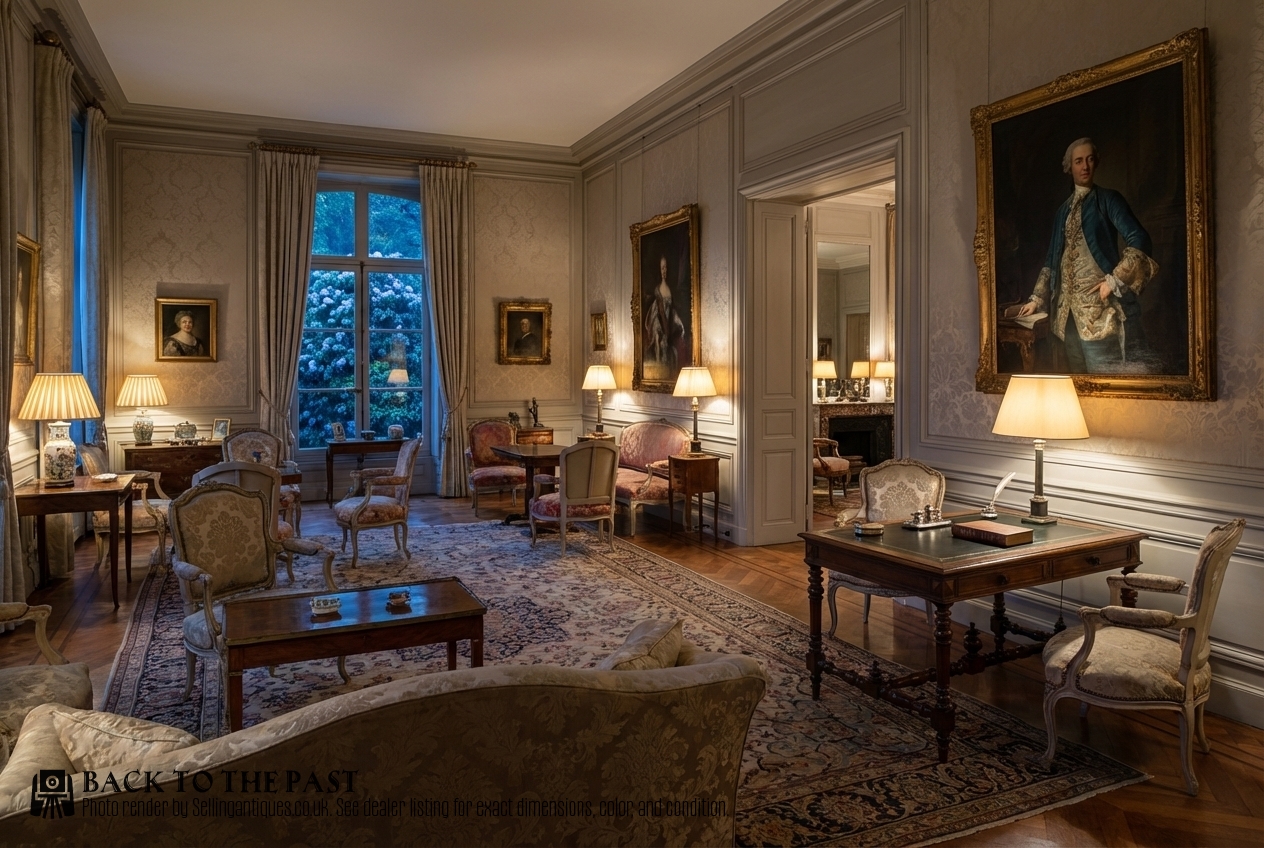
Traditional Oak Executive Desk
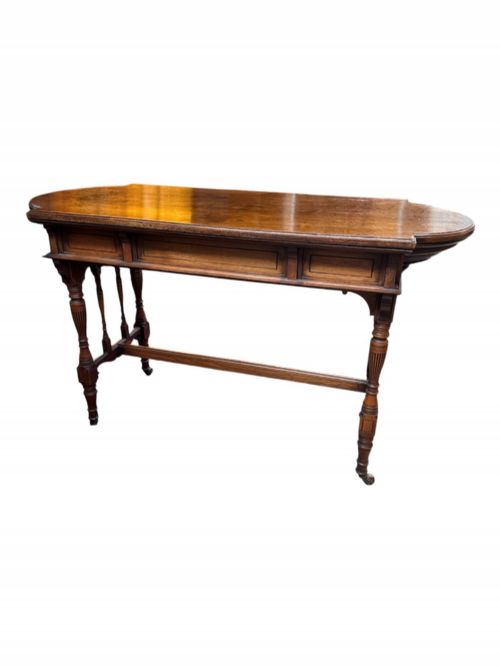
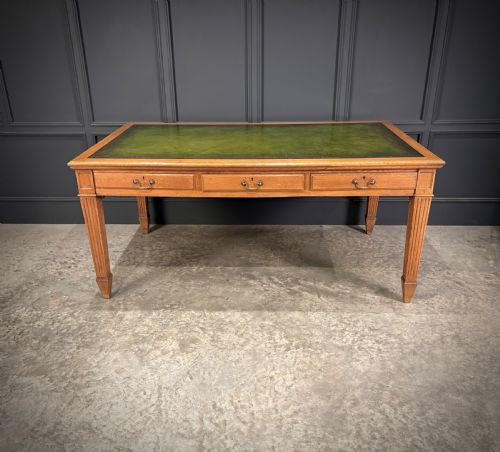
When searching for a traditional oak executive desk, buyers encounter heavy pedestal desks, partners desks, and library tables spanning the Victorian, Edwardian, and early twentieth-century periods. These heavy pieces were built for studies and libraries, utilising sturdy timber frames designed to withstand daily administrative work.
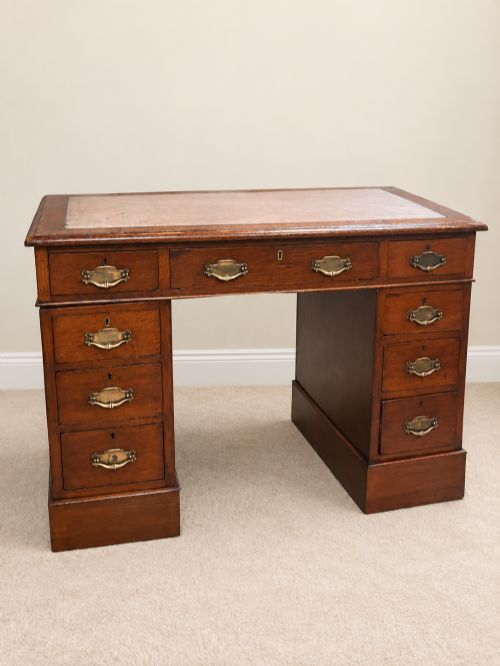
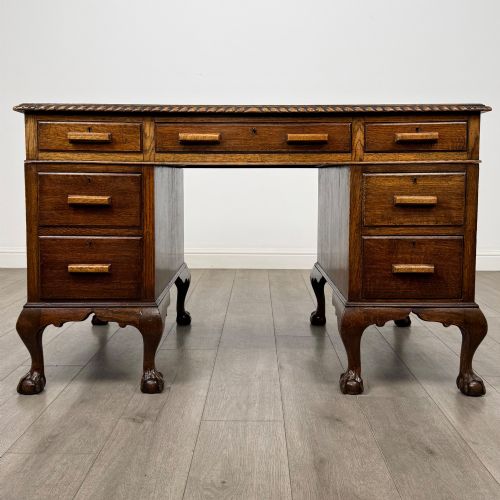
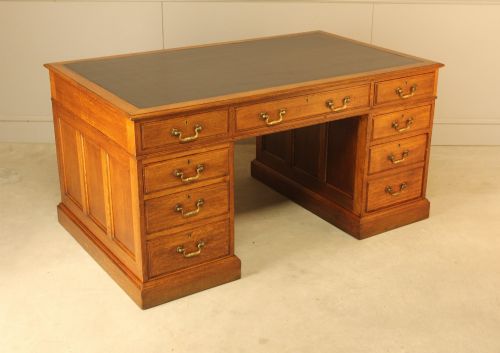
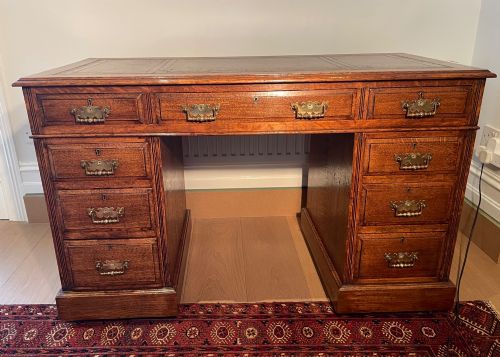
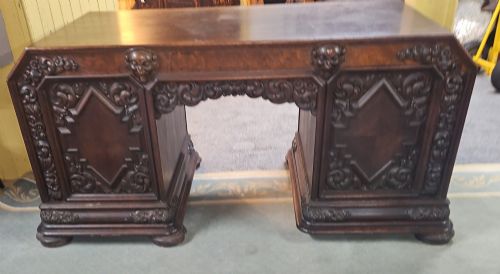
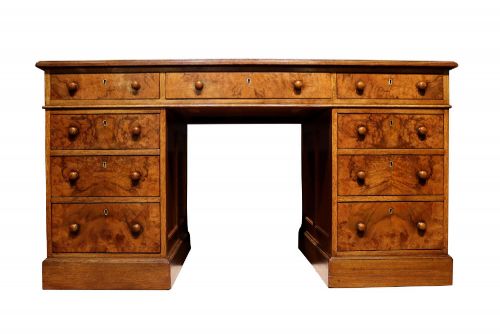
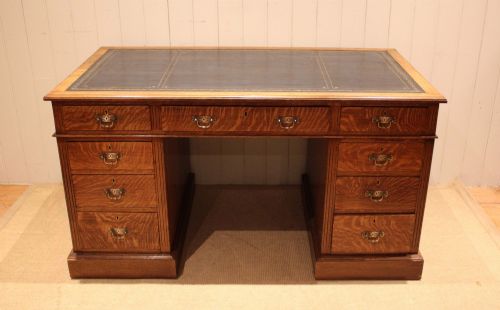
Pedestal desks dominate the selection, offering banks of drawers flanking a central kneehole, alongside larger partners desks finished with writing surfaces on both sides. Variations include Jacobean Revival carvings and simpler Edwardian forms.
Most examples date from the late nineteenth century through to the nineteen-thirties, reflecting the heavy administrative needs of those eras through solid construction and sensible storage.
Materials and construction
Makers built these desks primarily from solid oak, sometimes accented with burr walnut or ash, joined with robust timber framing to support heavy loads. Tops typically feature inset leather writing surfaces framed by moulded wooden borders.
Metal hardware such as brass handles, drawer pulls, and locks secure the numerous drawers found in nine-drawer pedestal layouts and partners configurations. Carved detailing appears on revival pieces, while simpler desks rely on clean grain patterns and polished finishes.
Listings span from the Victorian era through the nineteen-thirties, featuring oak, burr walnut, ash, and leather writing surfaces.
Craftsmanship and proportion
Quality rests on the selection of the timber, the depth of the carving, and the proportion of the pedestals relative to the top. Finer examples display figured oak grain, Burr walnut veneers, and tidy dovetail joints within the drawers.
Maker stamps and original brass hardware elevate certain pieces above standard utility models, distinguishing bespoke workshop production from mass-market office furniture.
Gillow & Co·Edwards & Roberts·Merryweather & Son
The Traditional Oak Executive Desk Glossary
- Pedestal desk
- A heavy office desk featuring two separate pedestals of drawers supporting a single top, with a kneehole space in the centre.
- Partners desk
- A large desk designed to be used from both sides simultaneously, featuring banks of drawers or cupboards facing opposite directions.
- Kneehole desk
- A compact writing desk featuring a central recess for the user's legs, flanked by smaller drawers on one or both sides.
- Library table
- A large freestanding table used for reading and writing, often fitted with frieze drawers and finished on all sides.
- Burr walnut
- A highly figured wood veneer taken from the burl growths of walnut trees, prized for its swirling grain patterns used on drawer fronts and panels.
Traditional Oak Executive Desk: Frequently Asked Questions
What is a partners desk?
A partners desk is a large, double-sided writing table designed for two people to work face-to-face. They feature matching drawers and cupboards on both sides so two individuals can share the workspace.
These pieces were typically used in large libraries, boardrooms, and executive offices during the nineteenth and early twentieth centuries.
How do I care for the leather top?
Leather writing surfaces require gentle cleaning with a damp cloth and occasional treatment with leather balm to prevent drying and cracking. Avoid using harsh chemical cleaners or excess water.
Keeping the leather conditioned preserves the texture and maintains the distinct colour contrast against the surrounding oak timber.
What distinguishes a Victorian desk?
Victorian desks often feature darker timber tones, heavy brass hardware, and deeper mouldings compared to lighter Edwardian or later models. They tend to have robust nine-drawer pedestal layouts with hand-cut dovetails.
Carved detailing influenced by Jacobean Revival styles also appears frequently on Victorian examples from the latter half of the nineteenth century.
Are these desks suitable for modern offices?
These solid timber desks fit well in modern studies, providing generous surface areas and ample drawer storage for modern equipment. Their classic proportions offer a strong visual anchor for a room.
Buyers should measure access points carefully, as these heavy pieces often do not dismantle completely and require adequate clearance through doorways.