



Traditional Oak Draw Leaf Table
These traditional oak draw leaf table examples provide sturdy extension mechanisms for dining spaces, bringing period character to modern homes.
Traditional Oak Draw Leaf Table
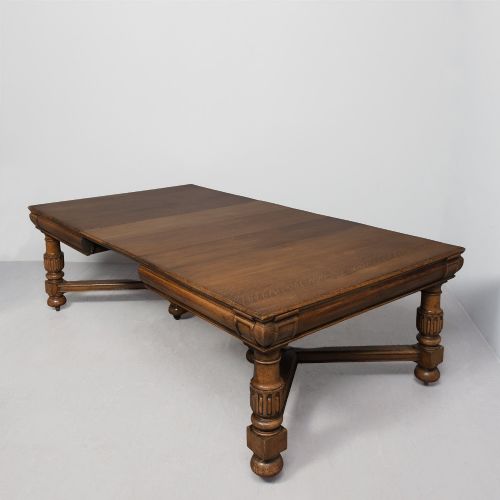
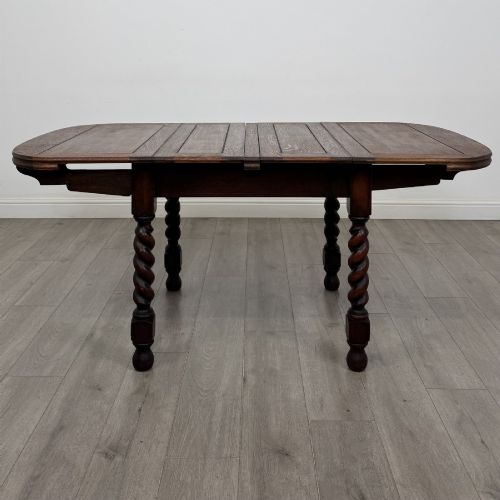
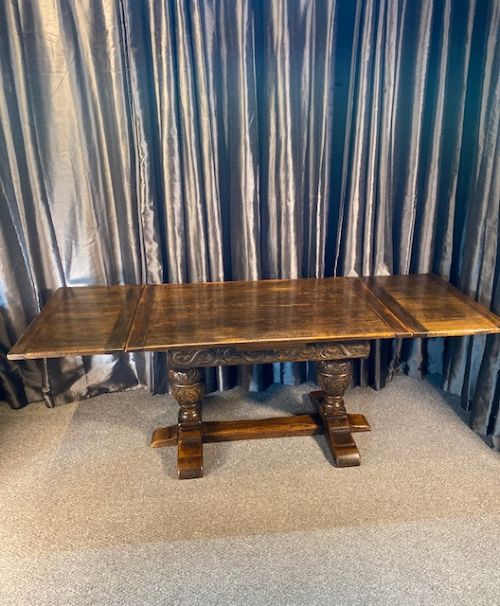
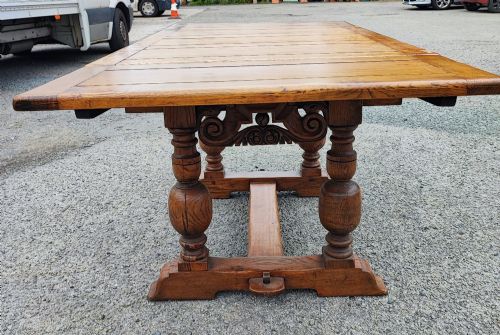
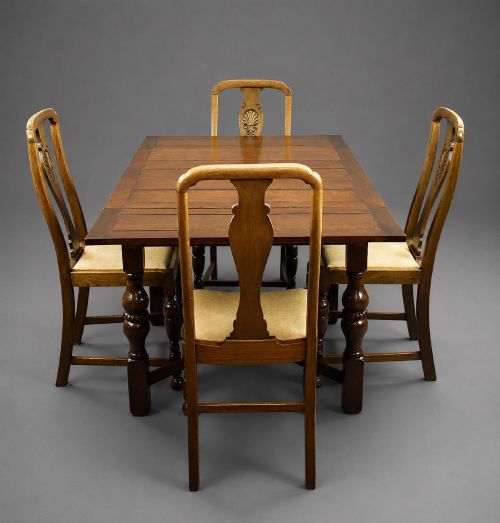
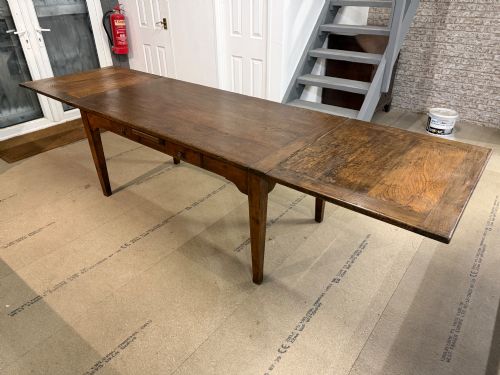
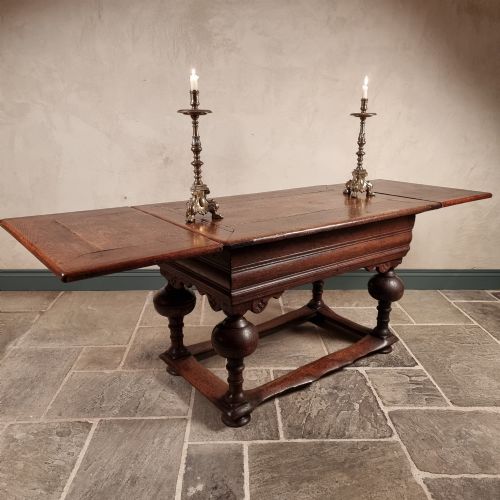
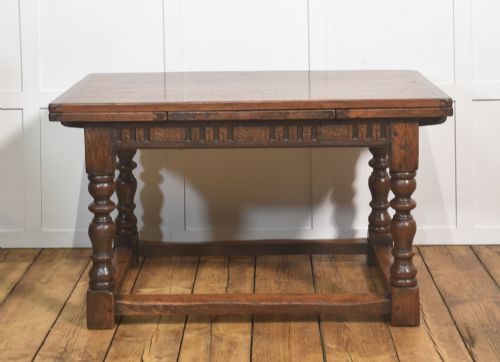
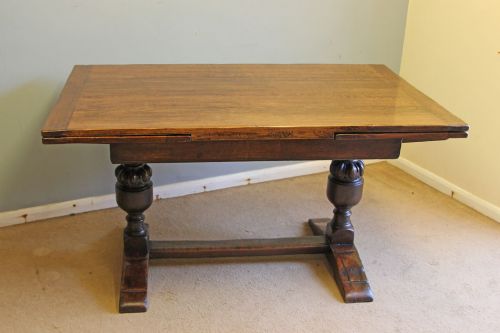
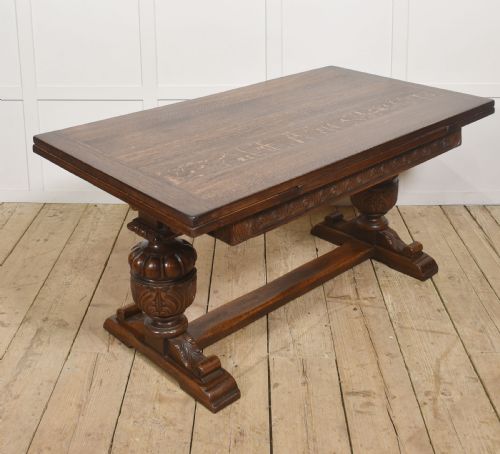
A traditional oak draw leaf table functions as a dining table with leaves that slide out from beneath the main top to extend the surface. These pieces appear in forms such as refectory and farmhouse dining tables, alongside occasional dining sets.
The selection on this page spans the 17th century, 19th century, Edwardian period, and the 1920s. Revivalist movements dominate the offerings, with Jacobean and Elizabethan styles frequently appearing alongside rustic farmhouse designs.
How they were made
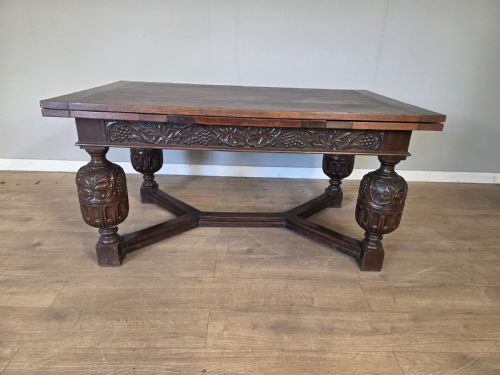
Makers constructed these pieces primarily using solid oak, building sturdy frames to support the sliding extension leaves. Some examples feature carved wooden details, showing the hand of the cabinetmaker.
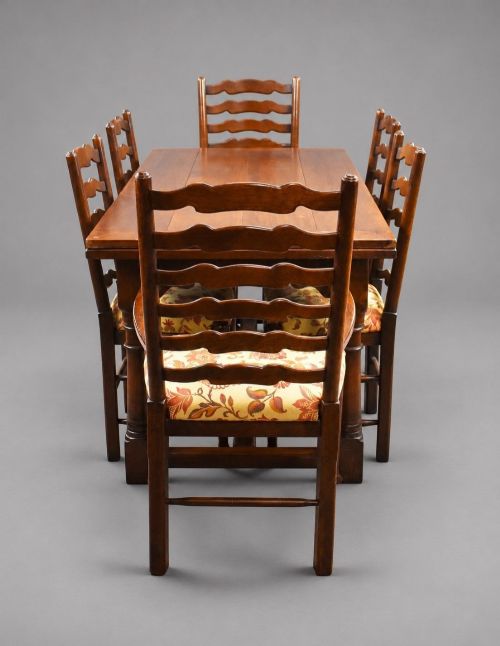
Workshops utilised traditional joinery methods suited to heavy timbers. Certain dining sets also incorporate upholstery alongside the wooden framework.
Traditional Oak Draw Leaf Table Retail Price Guide 2026
Typical asking prices for traditional oak draw leaf table among the pieces listed under this phrase on Sellingantiques today, from the lower quarter to the upper quarter. They describe what is for sale here now, not the wider market.
Maple and Co sneaked an extra couple of seats into Victorian dining rooms without altering the sideboard footprint.
What varies in quality
The quality of a traditional oak draw leaf table depends on the crispness of any applied carving and the timber selection. Heavier solid oak construction and smoother sliding mechanisms distinguish finer examples from standard production.
Age and stylistic fidelity play a role, with 17th-century origins offering different craftsmanship compared to 20th-century revival pieces. The integration of the extension leaves into the overall design marks the level of workshop care.
Maple and Co
The Traditional Oak Draw Leaf Table Glossary
- Draw leaf table
- A table with self-stored leaves beneath the main top that pull out to extend the surface length. This mechanism allows the table to accommodate more diners quickly.
- Refectory table
- A long, narrow dining table historically used in monasteries and large halls. These form the base design for many extending oak tables.
- Elizabethan style
- A decorative style referencing the late 16th century, characterised by robust proportions and substantial carved ornamentation. Pieces in this style often use solid oak.
- Solid oak
- Timber milled directly from the hardwood tree rather than veneered onto a secondary wood. This material provides the structural mass for these heavy dining tables.
Traditional Oak Draw Leaf Table: Frequently Asked Questions
How do draw leaf tables work?
The leaves slide out from beneath the main tabletop on runners when extra dining space is required. They drop into place to create a continuous surface.
This mechanism allows the table to remain compact for daily use while expanding easily for guests.
Are these tables suitable for everyday dining?
Solid oak construction makes these pieces durable and practical for daily family meals. Their sturdy frames withstand regular use over decades.
Using heat mats and coasters helps protect the wooden finish from daily wear and moisture.
How do I identify Jacobean style?
Jacobean revival pieces feature heavy proportions, straight lines, and dark-toned oak timber. Turnings on the legs and geometric panel details are common markers.
These design cues reference early 17th-century English furniture traditions.
What is a refectory table?
A refectory table is a long, narrow dining table traditionally built for communal dining halls. Their proportions make them well suited to modern dining rooms.
Many examples incorporate the draw leaf mechanism into this traditional long format.