

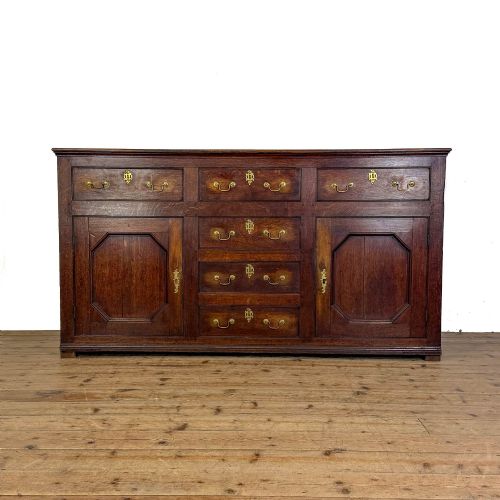
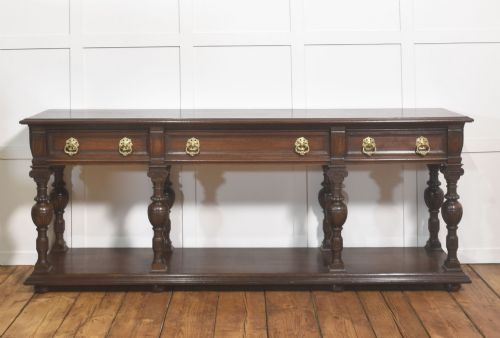
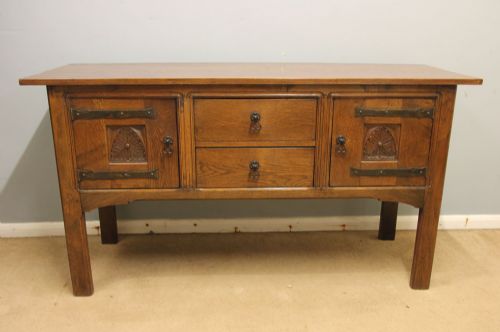
Traditional Oak Buffet Dresser
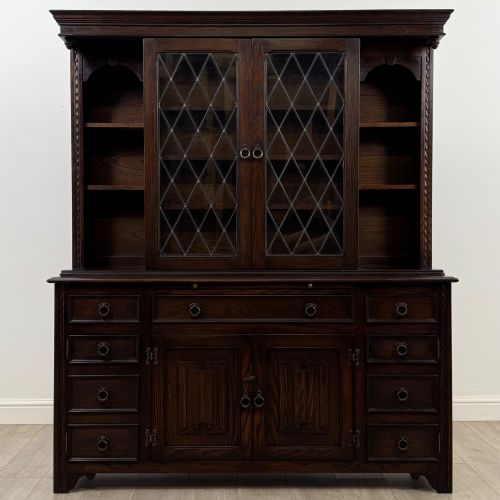
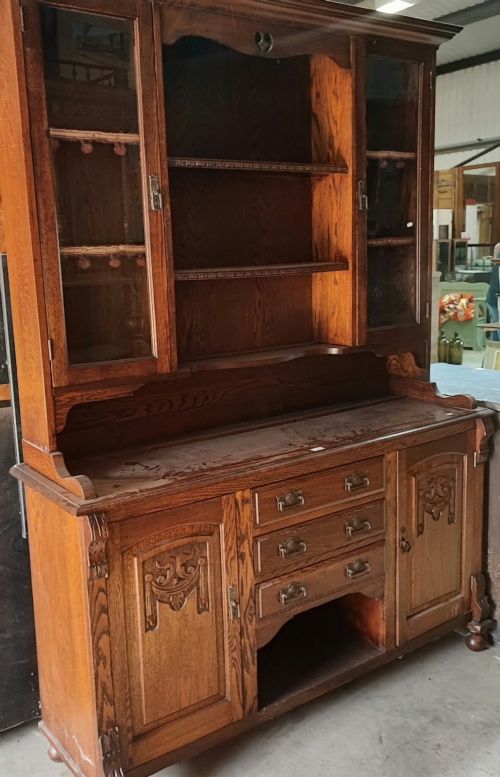
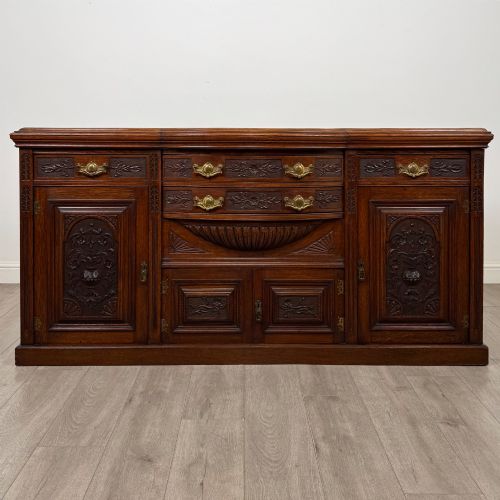
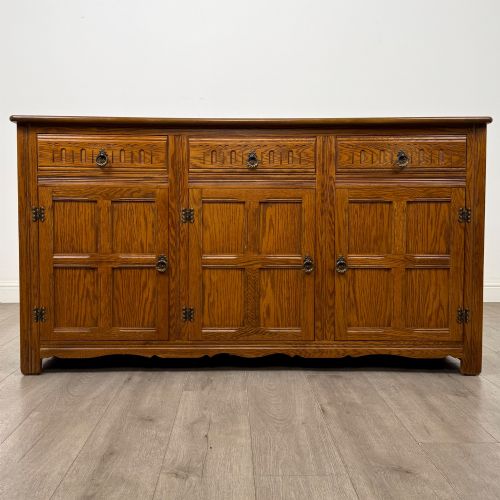
A traditional oak buffet dresser grounds a dining room or kitchen with substantial timber storage and centuries of working history.
Traditional Oak Buffet Dresser
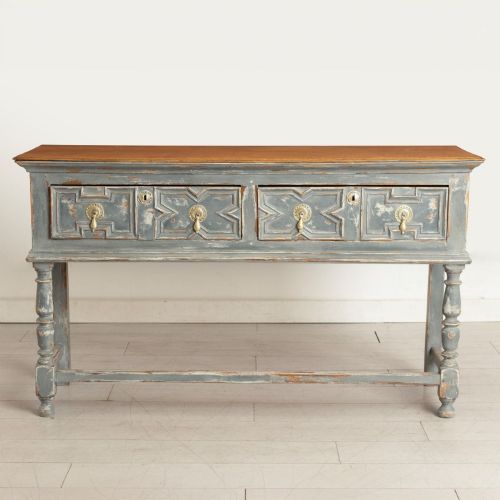
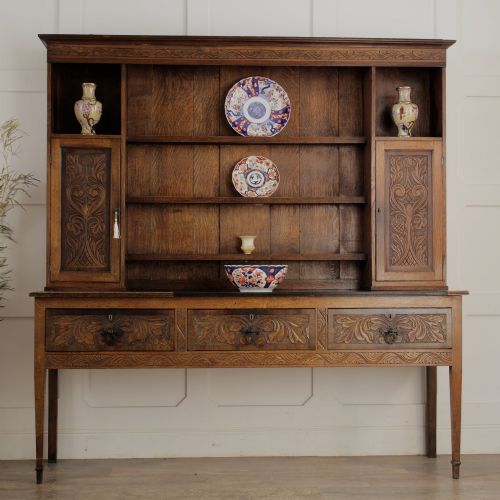
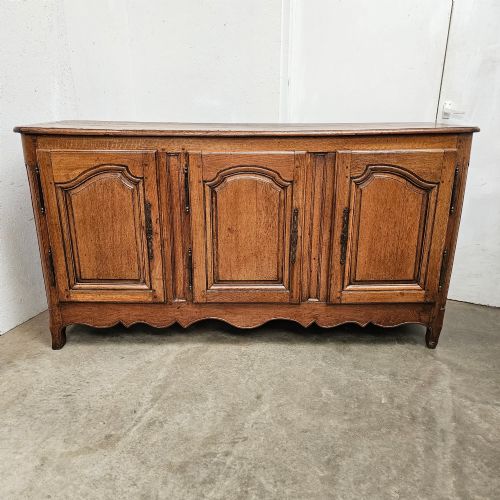
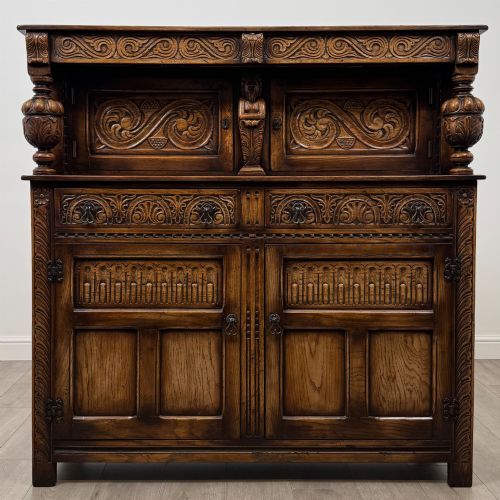
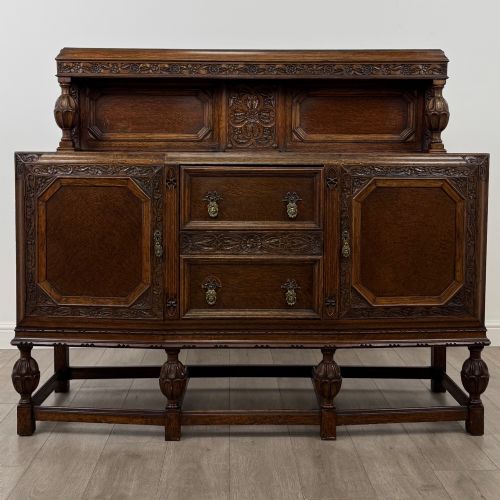
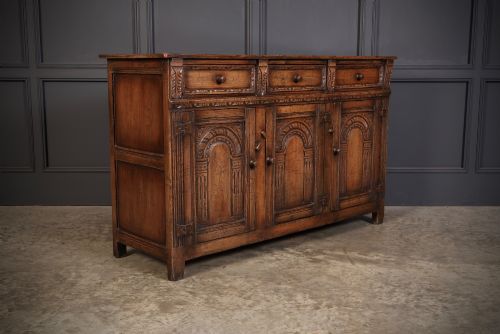
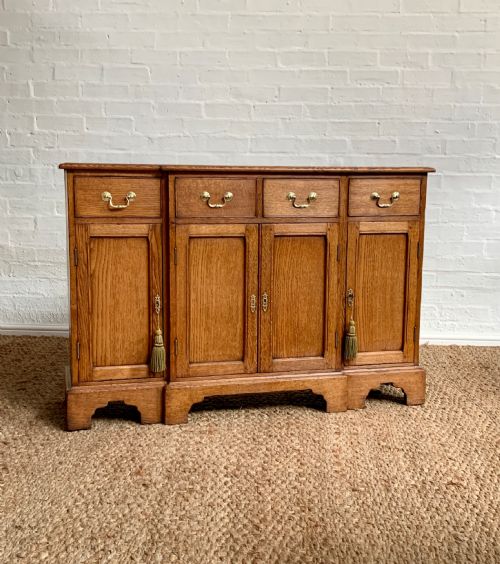
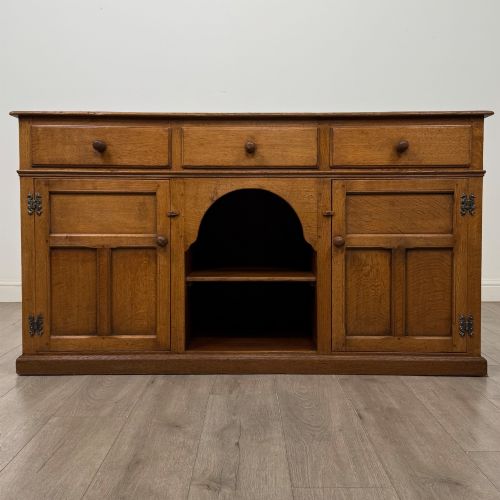
When you search for a traditional oak buffet dresser, you encounter pieces designed for storage and display, ranging from open potboard bases to enclosed court cupboards. The selection spans centuries of cabinetmaking, with robust vernacular forms and revival pieces appearing alongside formal Georgian and Victorian examples.
Materials and construction methods
These items rely principally on solid oak, frequently paired with secondary timbers like pine and mahogany, alongside brass, iron and wrought iron hardware. Master joiners employed traditional frame-and-panel construction to accommodate seasonal wood movement.
Surfaces often display rich grain patterns, hand-carved detailing, or painted finishes, with timber surfaces finished to highlight natural golden, bleached or dark patination.
Listings span multiple eras from the 17th century through to the 1920s, featuring oak, mahogany, pine and wrought iron hardware.
Evaluating craftsmanship and integrity
Superior examples distinguish themselves through the quality of timber selection, showing tight growth rings and harmonious grain matching across large surfaces. The crispness of hand-carved motifs and the longevity of structural joinery indicate the maker's skill.
The integrity of secondary elements, such as original brass handles, drawer linings and potboard supports, separates workshop pieces of high character from later adaptations.
The Traditional Oak Buffet Dresser Glossary
- Potboard
- An open lower shelf built into a dresser base designed to hold pewter plates and heavy pots. This practical feature defines many vernacular English and Welsh country pieces.
- Court cupboard
- A heavy, enclosed two-stage cupboard originating in the Tudor and Stuart periods, frequently reinterpreted by later revivalists. It provides deep upper and lower storage.
- Breakfront
- A cabinet design where the central section projects forward from the flanking cupboards or drawers. This architectural arrangement adds visual depth to large sideboards.
- Enfilade
- A suite of rooms or a long piece of furniture with a continuous line of doors. French examples in this style offer expansive multi-door storage.
- Jacobean Revival
- A nineteenth and twentieth century decorative style copying seventeenth-century geometric moulding and strapwork carving. It brings dark, heavy timber work to later dining spaces.
Traditional Oak Buffet Dresser: Frequently Asked Questions
How do I date an oak dresser?
Dating relies on examining construction marks, timber preparation methods, drawer dovetails, and the style of decorative carving.
Earlier pieces show hand-sawn timber and vernacular joinery, while revival pieces from the Edwardian era often use machine-cut components.
Where were Welsh dressers used?
Welsh dressers traditionally stood in farmhouse kitchens and dining spaces to store and display domestic provisions and pottery.
The base held heavier utensils, while upper racks displayed serving plates for everyday family life.
How do I care for antique oak?
Maintain antique oak by applying natural beeswax sparingly and avoiding direct sunlight or extreme temperature fluctuations.
Gentle polishing preserves the rich patina developed over centuries of household use.