


Traditional Oak Base
Traditional oak base furniture forms the solid foundation of historic interiors, offering enduring utility through sturdy timber construction and time-honoured joinery.
Traditional Oak Base
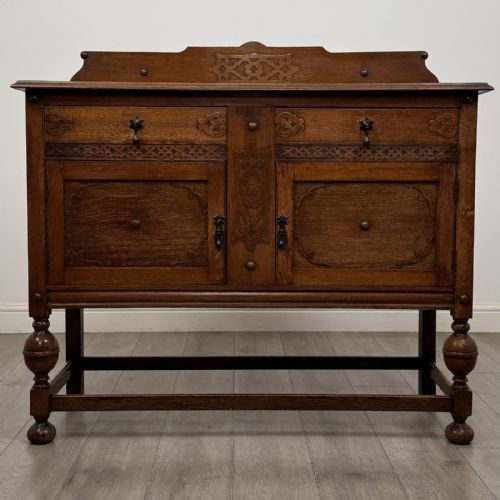
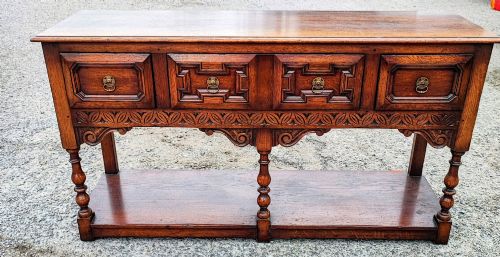
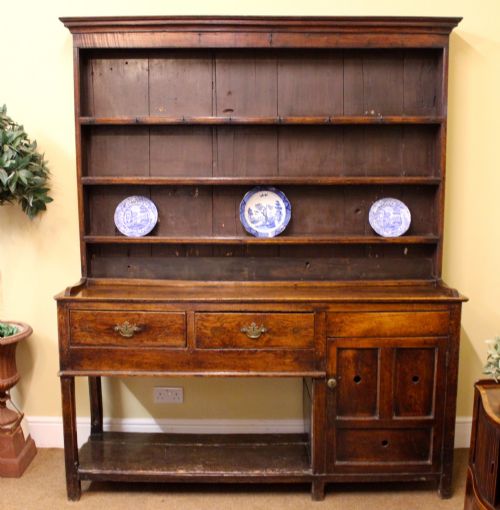
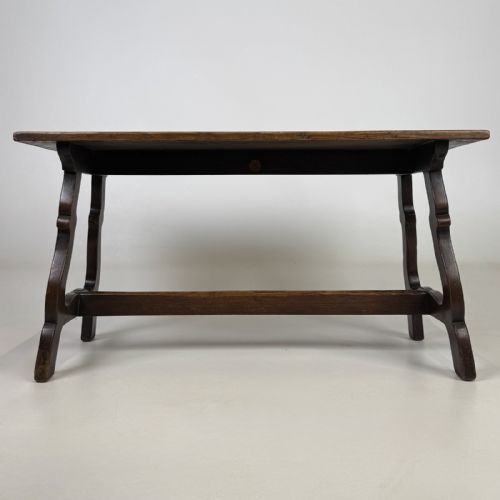
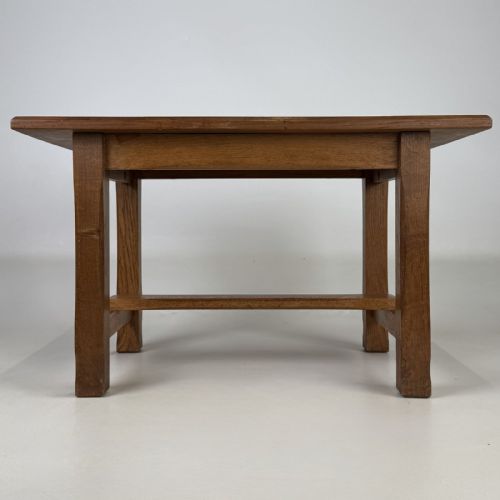
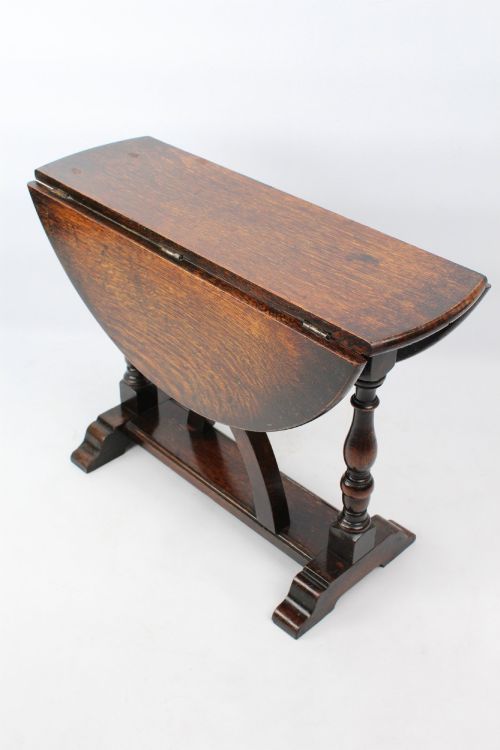
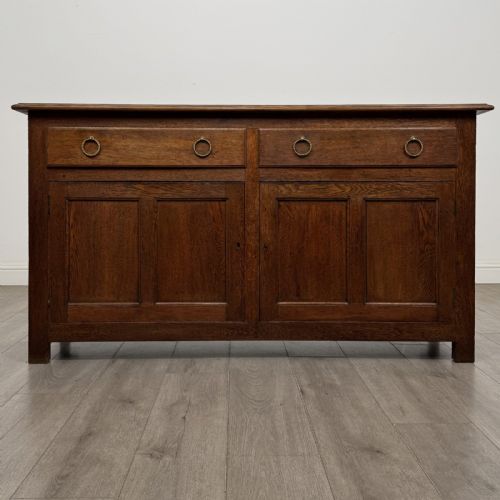
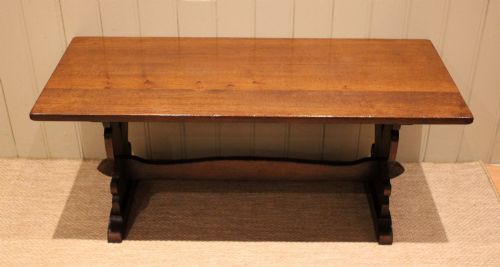
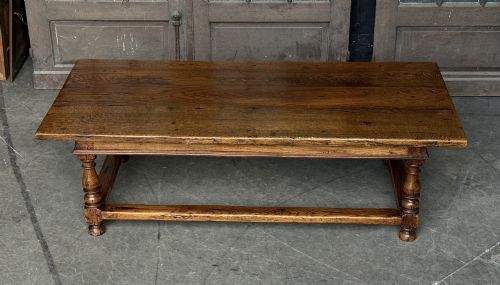
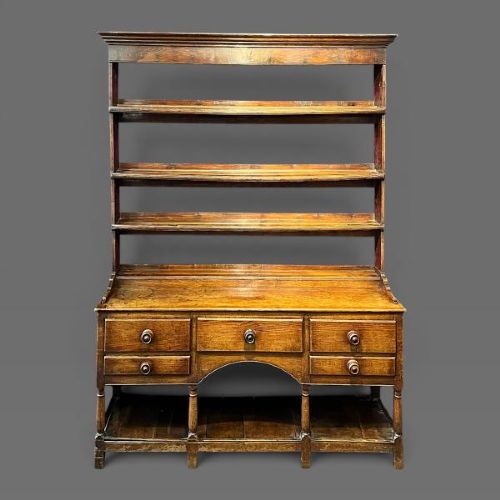
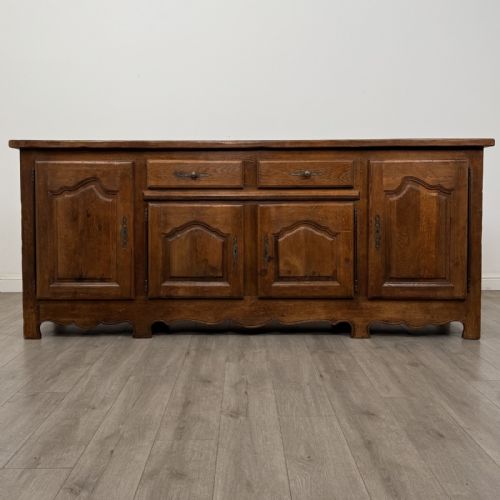
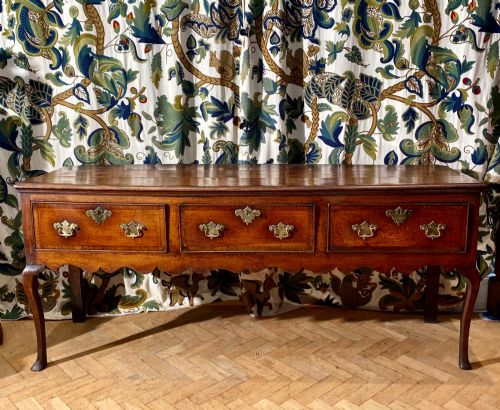
When searching for a traditional oak base, buyers encounter heavy storage furniture and dining pieces spanning the eighteenth to the twentieth centuries. These items predominantly take the form of dresser bases, sideboards, and refectory dining tables rooted in vernacular English and rustic farmhouse styles.
Origins stretch from eighteenth-century workshops to early twentieth-century revival movements, incorporating bleached oak finishes and painted wood variations. Buyers most frequently meet Jacobean style dresser bases and solid oak refectory tables across the available listings.
How traditional oak base furniture was constructed
Construction relies heavily on solid oak timber supplemented by secondary woods like elm, shaped through traditional joinery methods such as mortise and tenon. Structural framing frequently incorporates stretcher bases, plank tops, and sturdy uprights designed to support substantial weight.
Metal hardware plays a functional role in finishing these pieces, with brass ring pulls, brass face handles, and iron fixtures fitted to drawers and doors. Surface treatments range from natural wax polishes and bleached finishes to historical painted wood surfaces.
Traditional Oak Base Retail Price Guide 2026
Typical asking prices for traditional oak base among the pieces listed under this phrase on Sellingantiques today, from the lower quarter to the upper quarter. They describe what is for sale here now, not the wider market.
The listings combine eighteenth-century vernacular furniture with twentieth-century Arts and Crafts and Jacobean revival interpretations in solid oak.
What separates fine examples from ordinary ones
Quality in traditional oak base items rests on the selection of timber, particularly the presence of single-plank surfaces and figured pollard oak grains. Superior pieces display thoughtful proportions, integrated stretcher supports, and cleanly executed hand-carved details rather than heavy, coarse additions.
The integrity of the original construction dictates overall worth, distinguishing unaltered eighteenth-century joinery and early Cotswold School craftsmanship from later mass-produced revival pieces. Finer examples maintain crisp mouldings, original brass hardware, and stable structural timbers.
G.T. Rackstraw·Arthur Reynolds
The Traditional Oak Base Glossary
- Dresser base
- A low wooden storage cabinet featuring drawers and cupboards, historically used for food preparation and serving. These pieces often lack the upper plate rack found on full dressers.
- Refectory table
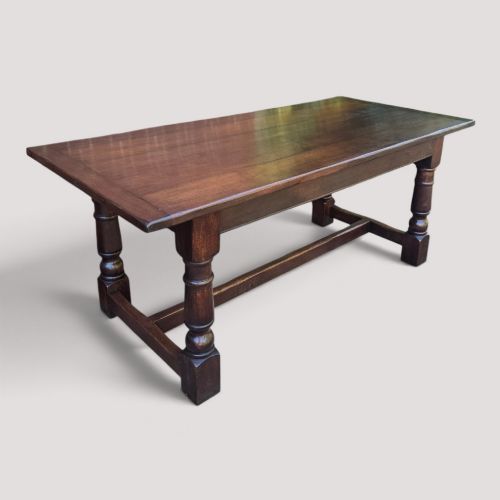
- A long, narrow dining table traditionally built with sturdy legs connected by longitudinal floor stretchers. This form originates from monastic dining halls and appears frequently in oak.
- Stretcher base
- A system of horizontal wooden bars connecting the lower legs of a table or sideboard to increase stability. This structural element is characteristic of early vernacular furniture.
- Draw leaf table
- A dining table equipped with sliding extension leaves stored beneath the main top surface. Pulling these leaves outward extends the overall length of the table.
- Potboard
- An open slatted lower shelf fitted between the legs of a dresser base, traditionally used for storing pots and pans. This feature is common in country vernacular furniture.
- Jacobean revival
- A nineteenth and twentieth-century design style imitating seventeenth-century English woodwork. Pieces in this manner feature geometric mouldings, turned legs, and heavy proportions.
Traditional Oak Base: Frequently Asked Questions
What is a dresser base?
A dresser base is a heavy low cabinet featuring drawers and cupboards used historically for storing tableware and serving food. These sturdy units form the lower half of traditional dining room storage furniture.
Unlike tall dressers, they omit the upper plate rack entirely, leaving a flat surface on top for display or serving. They appear across eighteenth-century and revival periods in solid oak.
How do I identify a refectory table?
A refectory table is recognised by its long, narrow proportions and heavy wooden construction designed for communal dining. They typically rest on substantial legs linked by low stretcher bars.
These tables date from the eighteenth century through to early twentieth-century revival eras, often utilising single-plank oak tops or draw-leaf extension mechanisms.
Where were these pieces used?
These pieces served as utilitarian furnishings in country houses, farmhouses, and domestic kitchens. Large cupboards and tables managed daily food storage and meal preparation.
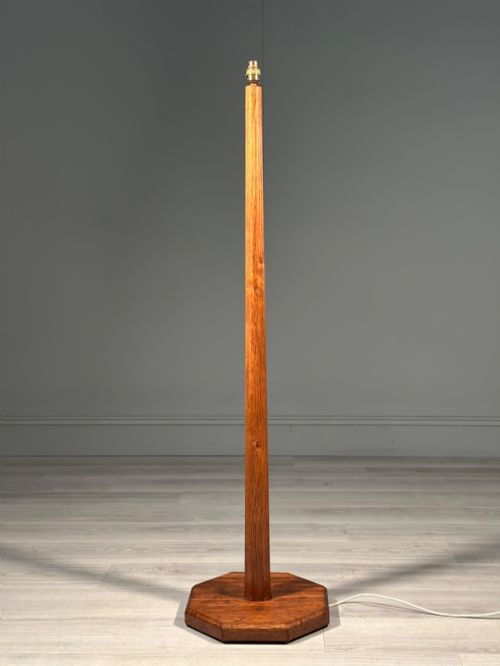
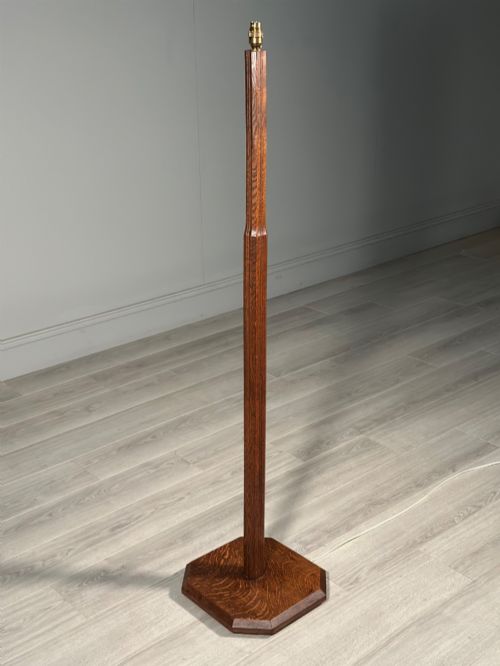
Sideboards and dresser bases housed dining implements, while hall tables and lamp bases furnished transitional spaces in early twentieth-century homes.
How do I care for old oak?
Historic oak furniture requires simple maintenance focused on preserving the natural timber and applied wax finishes. Avoid placing pieces near direct heat sources to prevent wood splitting.
Regular dusting with a dry cloth and occasional application of appropriate beeswax maintains the lustre of the grain without building up heavy residues.