


Traditional Nursery Furniture
Traditional nursery furniture spans sturdy oak cradles, carved rocking horses and miniature Windsor chairs built to last.
Traditional Nursery Furniture
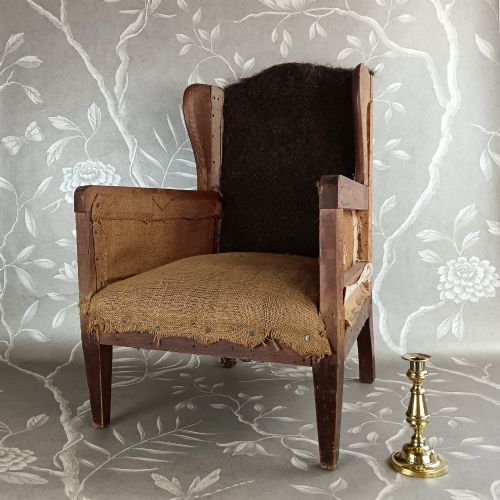
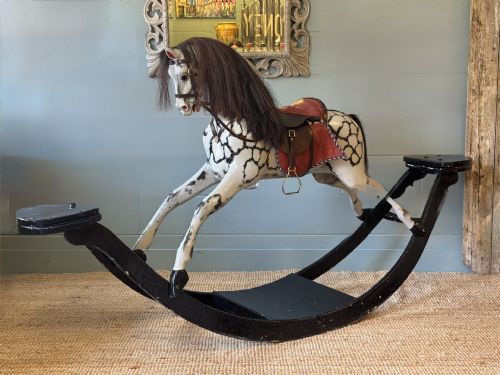
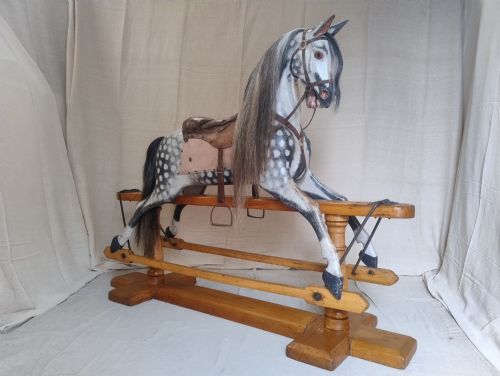
Traditional nursery furniture encompasses a range of seating and sleeping pieces created for children across the Georgian, Victorian and Edwardian eras. When searching for traditional nursery furniture, buyers encounter seating such as child sized Windsor chairs, wingback armchairs and high chairs alongside rocking cribs and full sized rocking horses.
The selection ranges from vernacular country seating in elm, fruitwood and pine to formal mahogany and walnut pieces echoing adult furniture of the period. These items served practical daily needs in the home nursery, from soothing infants to sleep to providing stable seating for growing children.
Materials and construction methods
Craftsmen utilised native timbers such as yew, elm, fruitwood, oak and mahogany, often shaping chair seats from solid blocks and turning spindles on a lathe. Seating frequently incorporated traditional joinery like mortise and tenon joints to withstand heavy use.
Cradles and cribs relied on panelled pine or turned wooden structures mounted on curved rockers, while upholstered pieces utilised horsehair and leather over robust wooden frames. Specialised items like rocking horses combined carved wooden bodies with leather tack and painted finishes.
Distinctions in quality and execution
Quality rests in the choice of timber and the fidelity of the maker's craft, distinguishing simple utilitarian items from pieces finished with decorative turned details, bobbin turnings or fine wood grains like yew and mahogany. Superior examples retain their original painted surfaces, upholstery materials or structural integrity without excessive later alterations.
The sophistication of the design dictates distinction, separating vernacular country pieces with rustic charm from formal miniatures replicating Georgian or Victorian styles with precise proportions and refined joinery.
G & J Lines of London·F.H.Ayres·Collinsons
The Traditional Nursery Furniture Glossary
- Windsor chair
- A wooden chair constructed with a solid sculpted seat into which the legs and back spindles are wedged directly. These sturdy chairs frequently appear in elm, yew and fruitwood.
- Bergere
- A type of enclosed upholstered armchair with cane or wicker side panels. Victorian examples often feature mahogany frames.
- Rocking crib
- A infant bed mounted on curved wooden rockers to allow gentle movement. They appear in pine, oak and mahogany.
- Bobbin turned
- Furniture legs or spindles shaped on a lathe to resemble a series of rounded bobbins or reels. This decorative turning style appears on nineteenth century chairs.
- Polychrome
- Decorated or painted in multiple colours. This finish appears on early nineteenth century pushchairs and rocking horses.
Traditional Nursery Furniture: Frequently Asked Questions
How were antique cradles used?
Antique cradles provided a secure sleeping place for infants, often positioned beside the bed or in the nursery. The attached wooden rockers allowed parents to soothe a restless baby without lifting the crib.
Over time, these pieces transitioned from everyday nursery essentials into decorative items valued for their craftsmanship and historical pine or oak construction.
How do I date a rocking horse?
Dating a rocking horse involves examining the carving style of the head, the shape of the safety stand or bow rockers, and the materials used for tack and mane. Makers such as Lines, Ayres and Collinsons each employed distinct construction methods across the nineteenth and early twentieth centuries.
Traces of original paint or horsehair stuffing further help identify the era of manufacture.
Can children use antique furniture?
While traditional nursery pieces were originally built for children to use, many antique items now serve primarily as decorative display pieces due to their age and fragile construction. Robust wooden Windsor chairs or sturdy rocking horses often retain their structural integrity, but delicate painted cradles or upholstered pieces require careful handling.
Buyers should assess the joint stability and materials of each individual piece before permitting daily use.