
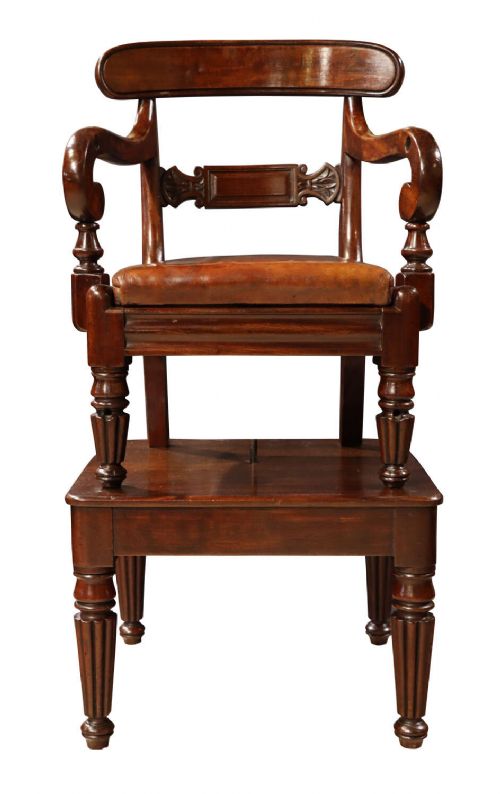


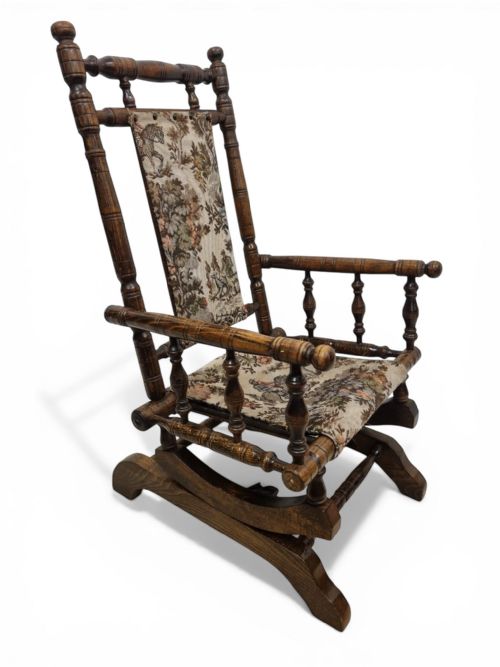


Childs Nursery Armchair
A childs nursery armchair brings domestic history into focus through scaled-down proportions and period craftsmanship.
Childs Nursery Armchair
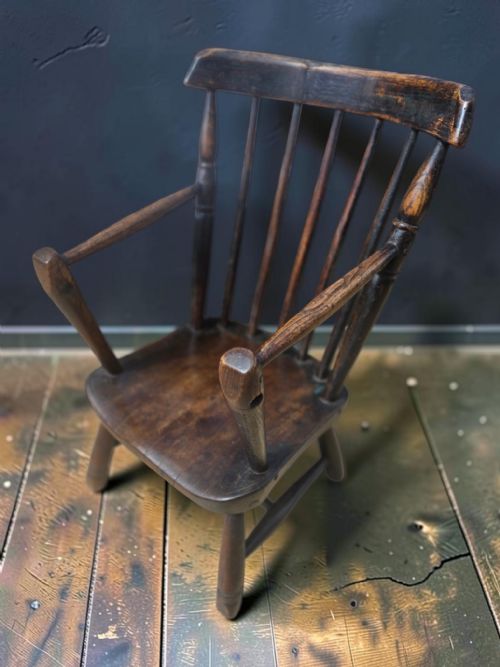
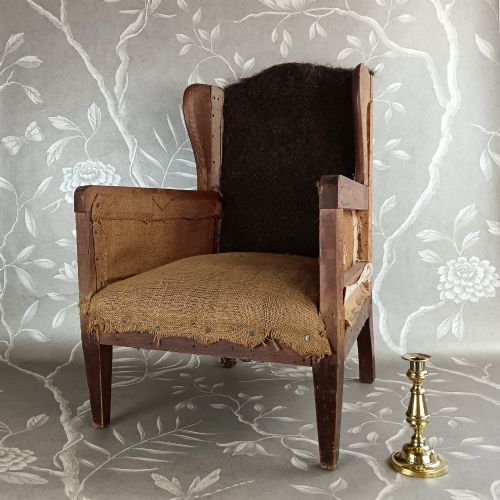
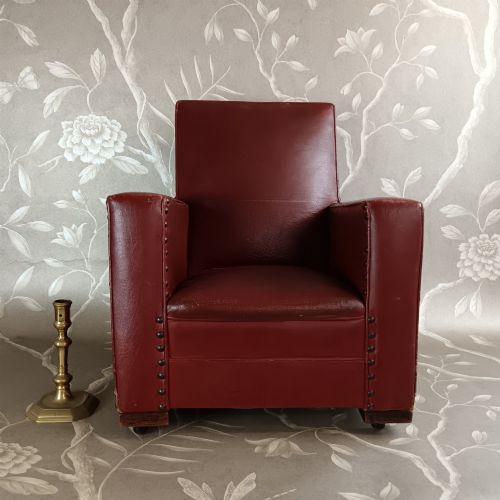
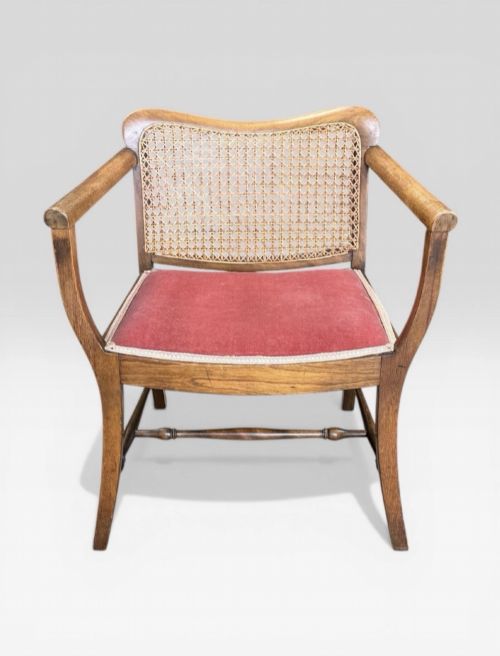
A buyer examining a childs nursery armchair encounters a diverse selection of seating created for young occupants across past centuries. The listings here contain everything from country Windsor chairs and rocking versions to high chairs, commode chairs, and upholstered club chairs.
Most examples date from the Georgian and Victorian eras through to the early twentieth century, reflecting the prevailing domestic styles of their respective decades. Pieces originate from English country workshops as well as more formal urban makers, utilising local timbers appropriate to each region.
Functional domestic forms predominate, including metamorphic high chairs and armchairs fitted with stands or rockers. These items served practical nursery routines before transitioning into decorative seating for collectors.
Materials and Construction
Traditional makers built these armchairs using sturdy native hardwoods such as elm, ash, yew, oak, and mahogany. Windsor variants frequently combine woods, utilising ash for bent parts and elm for solid carved seats, secured through traditional joinery techniques.
Upholstered versions incorporate fabrics, leather, or cane work set into frames of mahogany, walnut, or beech. Rocking and high chair variants often integrate turned spindles, brass fittings, or structural stretchers to ensure stability during daily use.
The listings span multiple centuries, ranging from eighteenth-century George II and George III designs to 1930s Art Deco club chairs.
Evaluating the Pieces
Differences in quality depend on the fidelity of the scaling and the integrity of the original construction. Superior examples retain their original timber surfaces, structural joinery, and patination without excessive replacement parts.
Refined turning on spindles, well-executed Windsor hoops, and undamaged cane work or upholstery separate standard utilitarian seating from pieces produced by skilled cabinet makers.
James Shoolbred
The Childs Nursery Armchair Glossary
- Windsor
- A chair built with a solid wooden seat into which the legs and back spindles are wedged directly.
- Bergere
- An enclosed upholstered armchair with exposed wooden framing and woven cane panels forming the back or sides.
- Metamorphic
- A piece of furniture designed to transform into an alternative functional object, such as a high chair converting into a low seat and table.
- Crinoline stretcher
- A curved metal or wooden brace linking the legs of a Windsor chair to provide structural rigidity.
- Commode chair
- An enclosed seat fitted with a concealed chamber pot opening beneath the removable cushion or panel.
Childs Nursery Armchair: Frequently Asked Questions
Were these chairs used daily?
Yes, these items served practical nursery roles for feeding, sitting, and rocking young children in domestic households.
Over generations, many pieces transitioned from active nursery furniture into decorative display items for collectors.
How do I identify a Georgian model?
Georgian versions typically display timber selection like yew, elm, or mahogany combined with period-specific joinery methods.
Details such as crinoline stretchers, hoop backs, and vernacular turning styles help distinguish eighteenth and early nineteenth-century pieces.
Are rocking chairs original?
Some rocking models left workshops with rockers attached, while other armchairs received rockers during subsequent domestic use.
Examining the foot wear and integration with the lower legs reveals whether the rocking action is part of the original design.
How should I clean the wood?
Maintenance requires gentle dusting with a dry cloth and occasional application of appropriate furniture wax to nourish dry timber.
Avoiding harsh chemical cleaners preserves the historic patina and finished surface developed over centuries.