



Traditional Nautical Sea Painting
A traditional nautical sea painting brings the raw power of open water and historic sailing vessels directly into a room.
Traditional Nautical Sea Painting
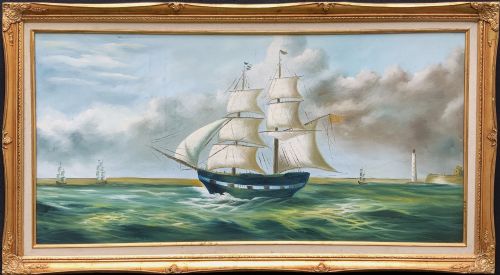
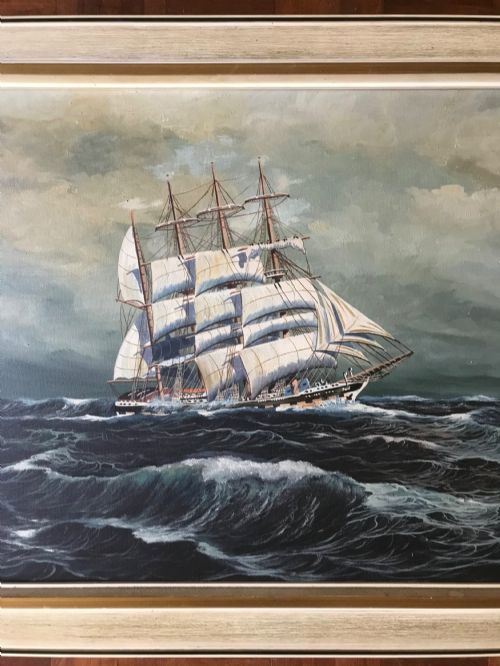
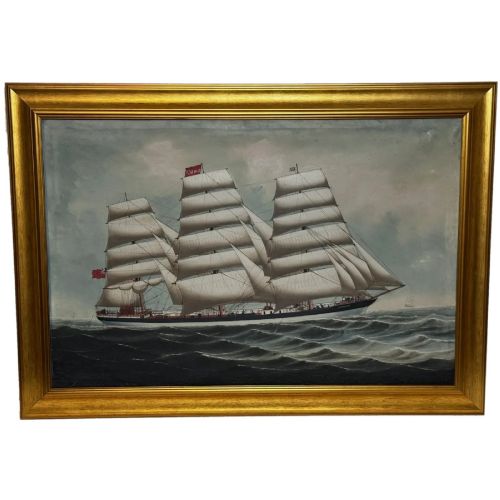
A traditional nautical sea painting captures marine scenes, coastal harbours, and historic vessels through oil and watercolour media. Buyers searching for this phrase encounter works ranging from primitive 20th-century depictions to formal 18th-century Dutch school canvases.
The selections span multiple periods, with Victorian maritime pieces and mid-century works appearing frequently alongside early 20th-century harbour views. Common subjects include tall ships in stormy seas, coastal fishing boats, and dramatic sea battles.
Most examples present framed wall art executed on canvas or board, originating from British, Dutch, and European hands. These paintings suit spaces seeking historic maritime atmosphere through depictions of lighthouses, merchant vessels, and rolling coastal waters.
Materials and construction
These works rely primarily on oil paint applied to canvas or wood panels, though occasional watercolours on paper also surface. Pigments capture the shifting tones of choppy seas, stormy skies, and coastal harbours.
Frames play a significant role in presentation, utilising wood, gilt wood, and gilded mouldings to enclose the paintings. Construction techniques span traditional stretched canvas over wooden frames and direct application to sturdy timber boards.
Traditional Nautical Sea Painting Retail Price Guide 2026
Typical asking prices for traditional nautical sea painting among the pieces listed under this phrase on Sellingantiques today, from the lower quarter to the upper quarter. They describe what is for sale here now, not the wider market.
Listings feature works spanning the 18th, 19th, and 20th centuries, executed in oil on canvas, board, and watercolour.
Separating the ordinary from the exceptional
Quality in a traditional nautical sea painting rests on the artist's command of light, shadow, and maritime anatomy. Superior works render the movement of rolling waves and the rigging of tall ships with convincing precision.
The handling of atmosphere and scale dictates the visual impact of the piece, distinguishing finely detailed maritime fine art from simpler primitive interpretations. Original framing also contributes to the overall integrity of the work.
Hans Harlander·Reginald Arthur Borstel·George Shaw·Dion Pears·Ebeneezer Colls·Charles Martin Powell
The Traditional Nautical Sea Painting Glossary
- Dutch School
- A stylistic designation referring to painters influenced by the historic Netherlands tradition of marine and landscape art. These works often focus on shipping vessels navigating detailed coastal waters.
- Maritime Fine Art
- A category of painting dedicated to accurate and skilled depictions of ships, seascapes, and naval history. These pieces prioritise technical draughtsmanship and atmospheric depth.
- Primitive Maritime
- An appealingly direct style of painting often created by untrained or self-taught artists. These works emphasise bold forms and immediate visual impact over strict perspective.
- Oil on Canvas
- A traditional painting medium where oil-based pigments are applied to a woven fabric stretched across a wooden support. This combination allows for rich colour blending and textured brushwork.
Traditional Nautical Sea Painting: Frequently Asked Questions
What periods do these paintings cover?
The available works span from the 18th century through to the mid-20th century. Victorian and Edwardian examples sit alongside earlier Dutch school canvases and later vintage interpretations.
This broad timeline means buyers can find everything from formal 19th-century naval scenes to expressive mid-century maritime harbour views.
How were these maritime scenes displayed?
These paintings were traditionally hung in formal parlours, maritime offices, and coastal homes to celebrate naval heritage and seafaring trade. They served as both decorative statements and records of historic vessels.
Today, they function similarly as focal points in domestic interiors, bringing historical depth and coastal character to wall spaces.
What subjects appear most often?
Common subjects include tall ships navigating stormy seas, fishing trawlers in choppy coastal waters, and lighthouses keeping watch. Naval schooners and historic shipping vessels also feature prominently across the collection.
Harbour scenes and quieter Breton coastal views offer alternative subjects for those preferring land-adjacent marine art.
How do I identify different styles?
Primitive maritime pieces offer bold, direct brushwork without strict adherence to formal perspective. In contrast, fine art and Dutch school paintings showcase precise technical skill in rendering rigging, water, and light.
Examining the handling of the waves and the accuracy of the ship's architecture usually reveals the artist's training and period.