



Traditional Maritime Oil Picture
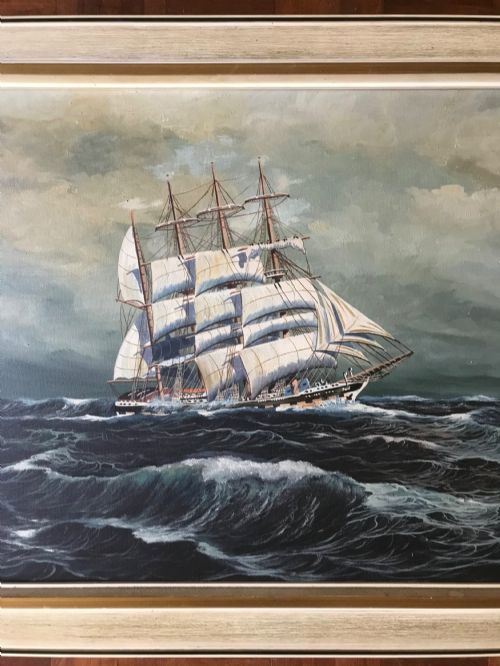
A traditional maritime oil picture brings the dramatic motion of coastal waves and historic sailing ships straight into a room with rich texture and depth.
Traditional Maritime Oil Picture
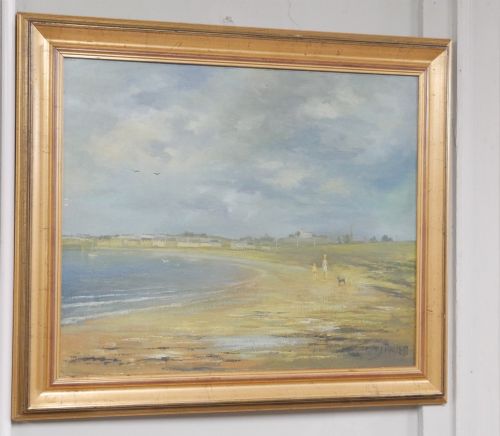
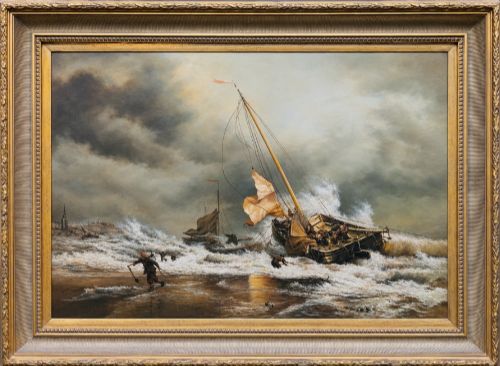
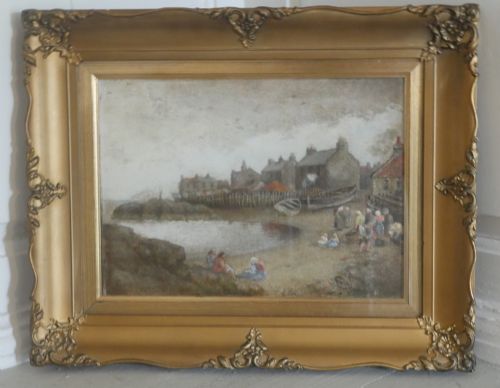
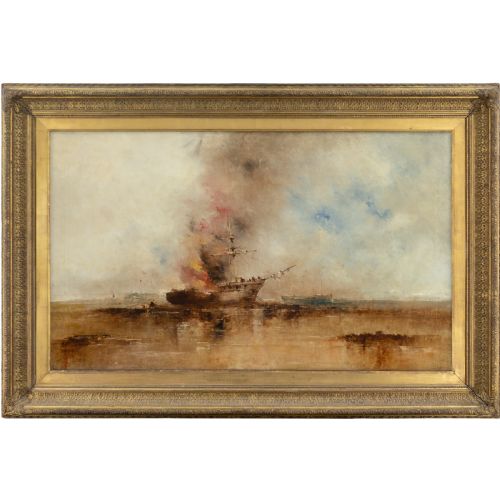
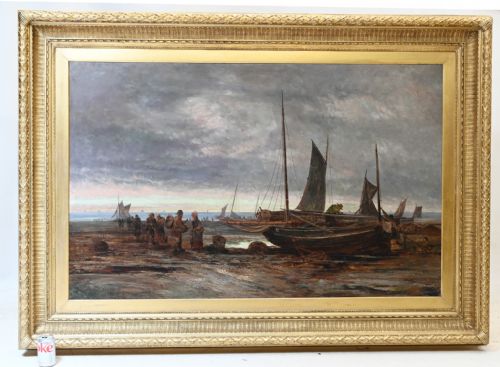
When you search for a traditional maritime oil picture, you encounter canvas works depicting coastal views, stormy seas, and historic shipping scenes. These artworks span from the Georgian era through the Victorian period and into the mid-twentieth century.
The most common subjects on this page include bustling harbour scenes, sailing vessels in heavy weather, and quiet coastal towns. Many pieces capture specific British and European locations, from Scottish borders to Venetian canals.
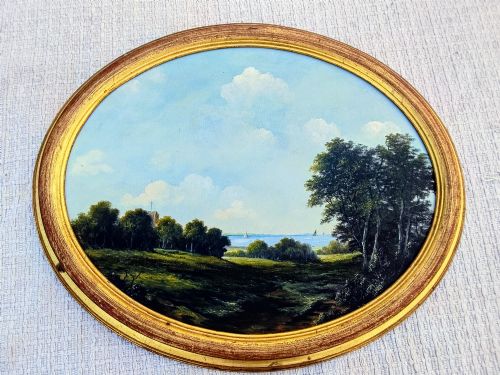
You will find both grand scale canvases suitable for large wall spaces and smaller oval or framed boards. These paintings record the changing moods of the sea through meticulous brushwork.
What varies in quality
The standard of a traditional maritime oil picture rests on the artist's ability to render the weight of water and the rigging of vessels with anatomical accuracy. Finer works demonstrate a deep understanding of light reflecting off maritime surfaces.
Framing also distinguishes the pieces, as period giltwood frames matched to the canvas elevate the presentation significantly. The depth of historical detail in the shipping and coastal architecture marks out the superior examples.
Traditional Maritime Oil Picture Retail Price Guide 2026
Typical asking prices for traditional maritime oil picture among the pieces listed under this phrase on Sellingantiques today, from the lower quarter to the upper quarter. They describe what is for sale here now, not the wider market.
Several canvases capture the dramatic moment of ships pounding the channel during heavy storms.
Edward William Cooke RA·William McAlpine·Edward Mills·James Webb·Jane Vivian·George Henry Knight·Ebeneezer Colls·Owen Bowen·Edward Henry Holder·John James Wilson·Micheal Matthews·William Shayer·Stuart Lloyd·James Hardy
The Traditional Maritime Oil Picture Glossary
- Giltwood
- Wood carved and covered with a thin layer of gold leaf. This material is standard for traditional frame construction.
- Gesso
- A plaster mix applied to wooden frames before gilding. It provides a smooth base for intricate moulding.
- Impasto
- Paint applied thickly to a canvas so that it stands proud of the surface. Maritime artists used this technique to give texture to crashing waves.
- Canvas
- Woven fabric stretched across a wooden frame to form the painting support. Most traditional works use this durable textile base.
- Marine Art
- Genre of art that depicts or draws inspiration from the sea. This encompasses shipping, coastal views, and naval battles.
Traditional Maritime Oil Picture: Frequently Asked Questions
How do I hang a heavy framed oil painting?
Heavy oil paintings require secure wall anchors and sturdy picture wire attached directly to the wooden frame stretcher bars.
Ensure the weight is distributed evenly across two fixing points to keep the artwork stable and safe.
Can I place these paintings in direct sunlight?
Direct sunlight causes oil paint to fade and accelerates the degradation of canvas and giltwood frames over time.
Position your maritime picture away from south-facing windows to preserve the rich pigments and gold leaf.
What is the difference between canvas and board?
Canvas is a flexible woven fabric stretched over a wooden frame, offering a slight give under the brush.
Board provides a rigid support panel, often utilised for smaller or sturdier coastal views.