


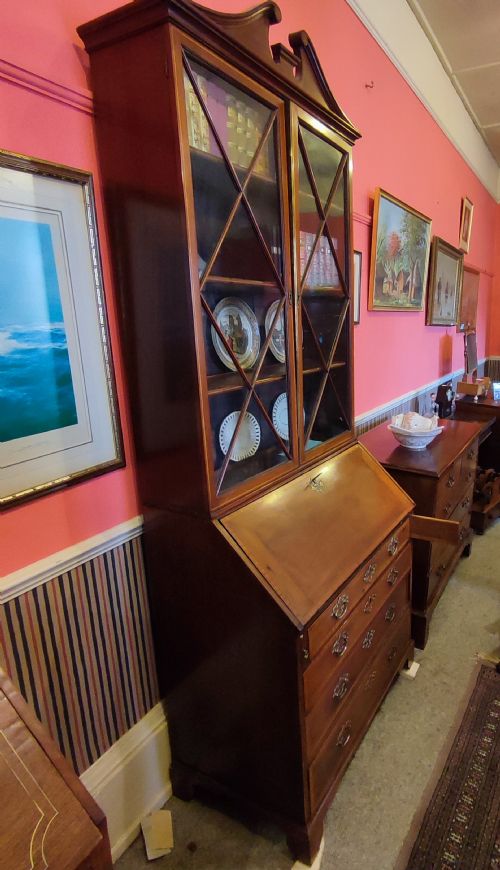


Traditional Mahogany Glazed Cabinet
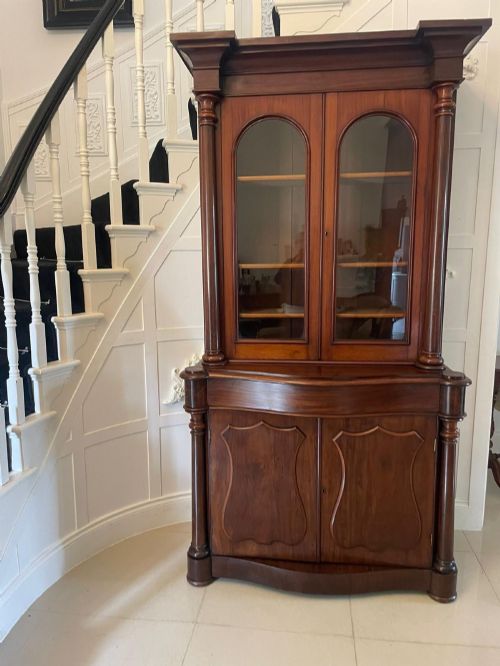
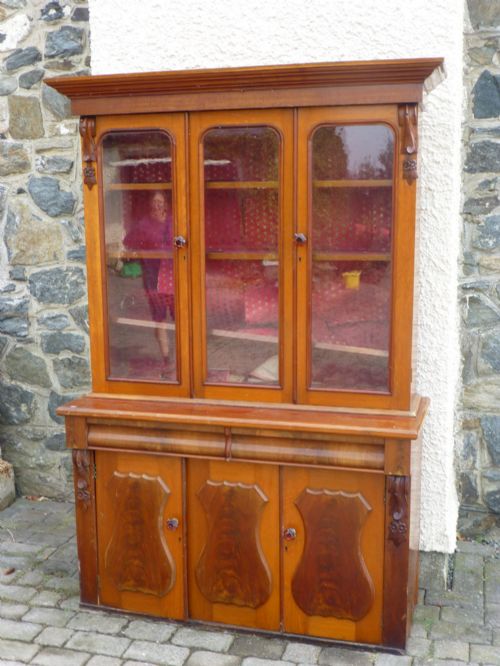
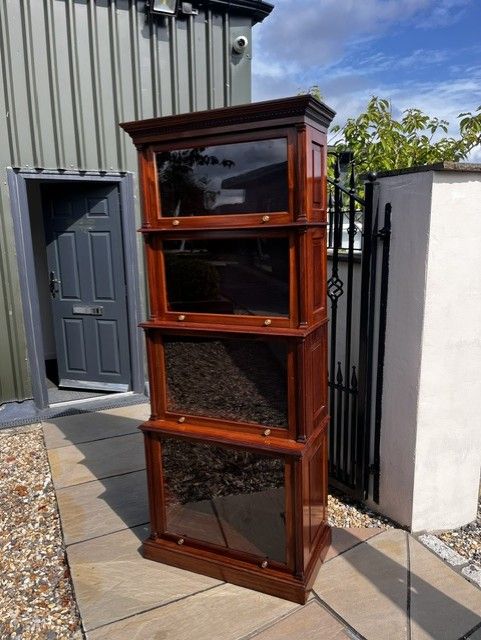
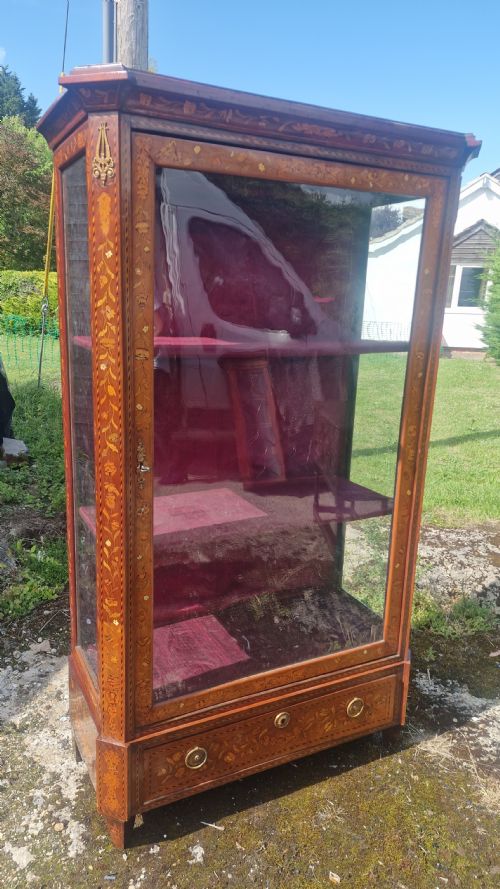
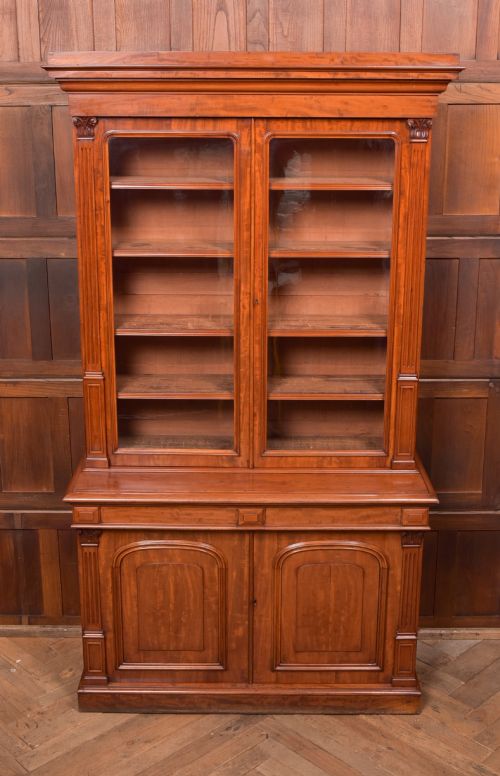
A traditional mahogany glazed cabinet brings structured timber and clear glass together to display and protect books or porcelain.
Traditional Mahogany Glazed Cabinet
A traditional mahogany glazed cabinet appears across several centuries of British cabinet making, spanning Georgian, Victorian and Edwardian eras. The listings here contain bookcases, bureau bookcases, secretaire bookcases, display cabinets and corner cabinets.
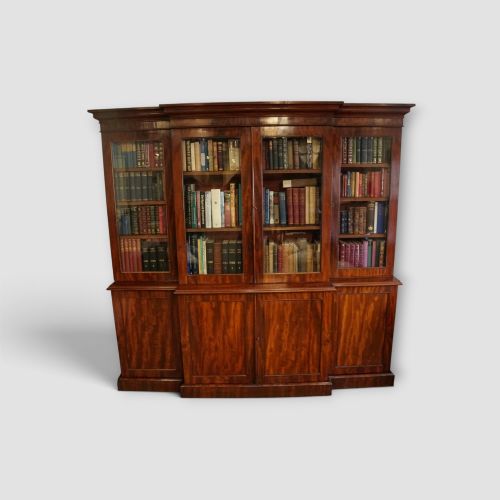
Most examples date from the eighteenth and nineteenth centuries, alongside revival pieces from the early twentieth century. Buyers seeking this form frequently encounter tall breakfront library pieces and smaller glazed top bookcases.
Makers utilised dense timbers and fitted upper glass doors to keep collections visible yet secure. These items serve domestic libraries and sitting rooms with generous shelving behind glazed panels.
Materials and construction
Workshops built these cabinets using solid mahogany and flame mahogany veneer laid over secondary timbers such as oak. Glass provides the upper transparency, while brass hardware secures doors and internal fittings.
Cabinet makers employed precise joinery to house heavy glass doors and constructed fitted desk interiors with pigeonholes and small drawers. Satinwood stringing and marquetry often decorate drawer fronts and cornices.
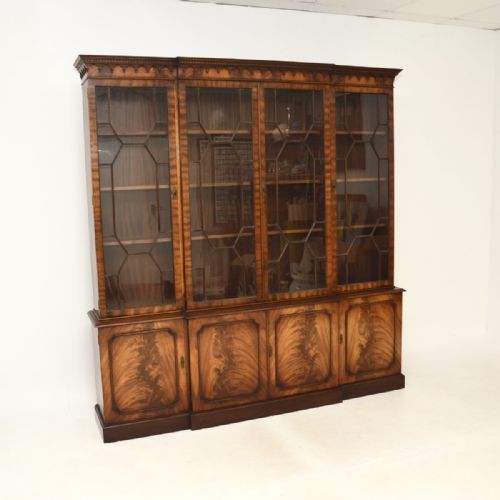
Glazing bars divide the upper door glass into geometric or astral patterns. Frames rely on sturdy carcases designed to support heavy rows of volumes.
Listings feature pieces spanning the eighteenth, nineteenth and twentieth centuries, including Georgian, Victorian, Edwardian and Regency periods.
Distinctions in construction and timber
The choice of timber creates a fundamental distinction between standard pieces and those featuring figured flame mahogany veneers. Richly grained surfaces and careful matching across large breakfront doors elevate a cabinet.
Secondary wood selection and the complexity of the interior fittings reveal the maker's hand. Well-executed astragal glazing bars and original brasswork indicate superior workshop standards.
Proportion and scale dictate the visual balance of large library bookcases and smaller corner cabinets. Refined execution of revival styles reflects the enduring influence of Georgian and Regency design.
Hille·Lamb and Co
The Traditional Mahogany Glazed Cabinet Glossary
- Breakfront
- A cabinet front where the central section projects forward from the flanking outer bays. This format creates depth and architectural presence in larger library bookcases.
- Astragal glazing
- Narrow wooden bars that divide a glass windowpane into smaller lights within a door frame. These intersecting strips form geometric patterns across the upper cabinet doors.
- Flame mahogany veneer
- A thin slice of timber cut from where branches join the main trunk, producing a distinctive leaping flame figure. Cabinet makers laid this over stable base woods for decorative impact.
- Secretaire bookcase
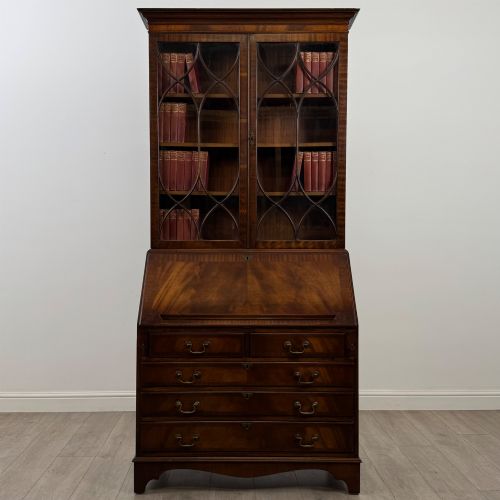
- A tall storage piece containing a pull-down writing drawer with a fitted interior of small drawers and pigeonholes. It combines a writing desk with upper glazed shelving.
- Marquetry
- Inlaid patterns formed by fitting contrasting pieces of wood veneer into a prepared background. Dutch examples frequently employ this technique on curved surfaces.
Traditional Mahogany Glazed Cabinet: Frequently Asked Questions
How do I identify a secretaire bookcase?
A secretaire bookcase includes a dedicated writing drawer that pulls out and drops down to reveal a fitted interior. This compartment contains pigeonholes and small drawers for correspondence.
Above this working surface sit the glazed upper doors characteristic of traditional mahogany glazed cabinet designs.
What wood was used for these cabinets?
Makers constructed these pieces primarily from solid mahogany and flame mahogany veneer. Secondary timbers such as oak appear in internal framing and drawer linings.
Inlays incorporate lighter woods like satinwood to accent drawer edges and cornices.
Are these cabinets suitable for modern rooms?
These cabinets offer deep shelving and enclosed storage that suits contemporary living spaces for books and display objects. Their vertical proportions make efficient use of wall area.
Glass fronts keep contents visible while protecting volumes and porcelain from dust.