




Traditional Mahogany Dinner Table
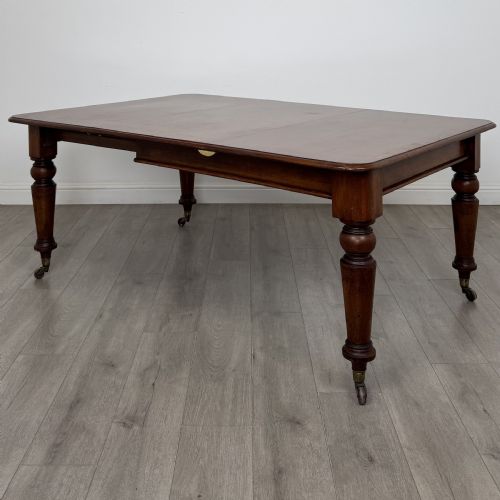
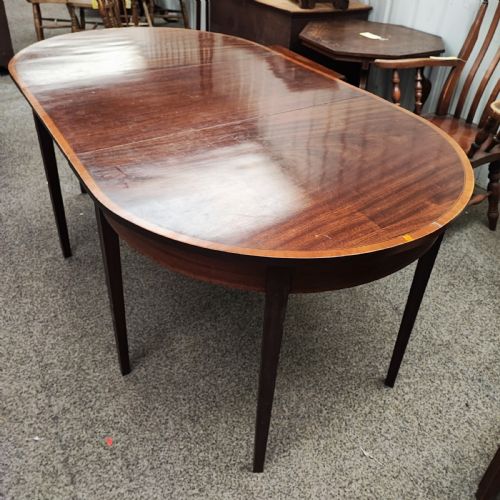
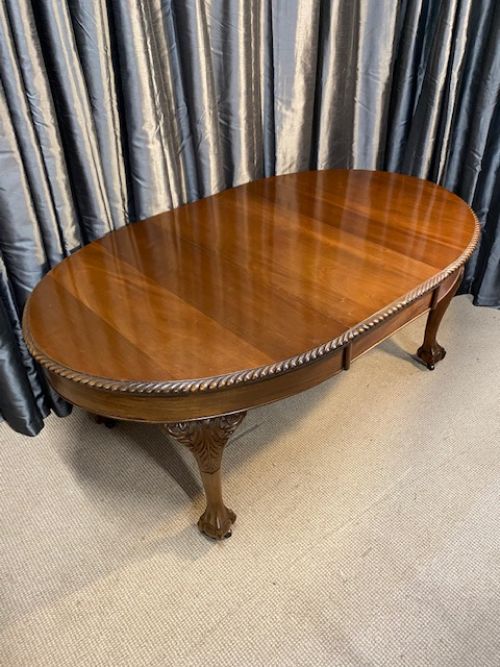
A traditional mahogany dinner table brings warmth and rich timber grain to the room, built for daily meals and large gatherings.
Traditional Mahogany Dinner Table
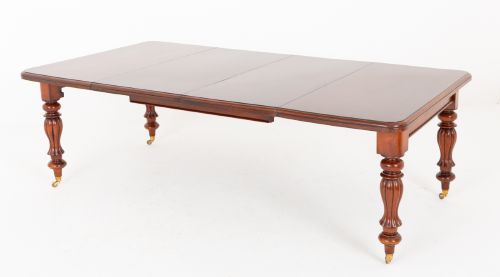
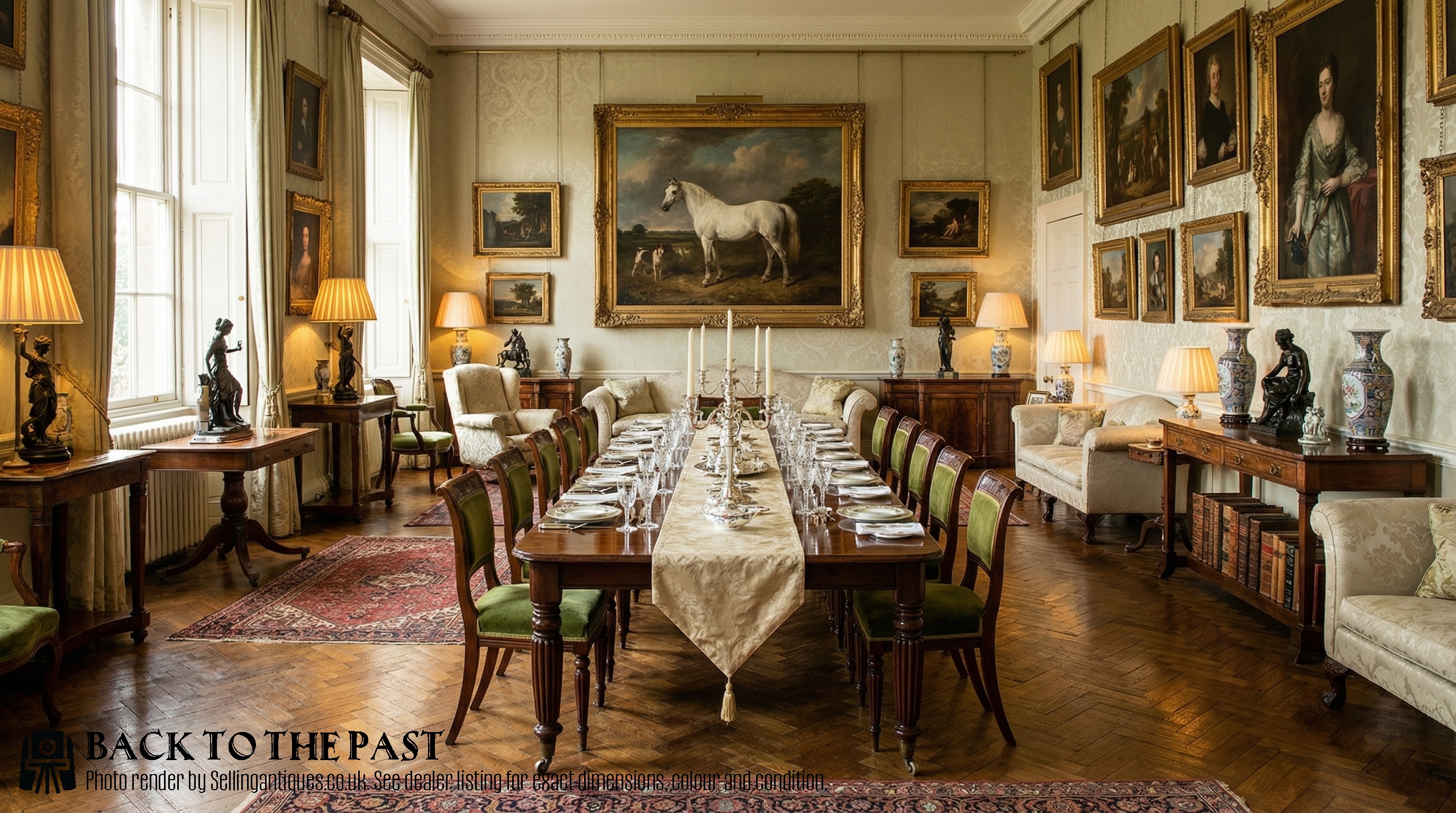
When you search for a traditional mahogany dinner table, you encounter large extending dining tables designed to accommodate multiple leaves for hosting. These pieces span the Victorian, Regency, and Edwardian eras, utilising rich timber and robust construction.
The most common formats on this page are pedestal dining tables and extending variants with drop-in leaves. They range from simple nineteenth-century designs to revival styles bearing the hallmarks of earlier Georgian craftsmanship.
Makers utilised dense timber to create durable surfaces suited to formal dining rooms and country houses alike. Each piece reflects the functional needs of its period, from twin pillar bases to clever winding mechanisms.
How they were made
Cabinetmakers worked primarily with solid mahogany and flame veneers, sometimes incorporating satinwood inlay for decorative contrast on top surfaces. Timber was selected for deep figure and warm tone, then hand-polished to a lustrous finish.
Structural stability relied on sturdy pedestals, turned legs, and brass fittings such as castors and leaf-locking clips. Extending mechanisms allowed heavy timber tops to expand smoothly without losing rigidity.
Materials across the selection include solid mahogany, brass hardware, and delicate satinwood inlay details.
What varies in quality
Quality rests in the selection of the mahogany timber and the crispness of any carved detailing on the pedestals or friezes. Finer examples display superior grain matching across additional leaves and smooth operation of the extending mechanism.
The integrity of the frame and the retention of original brass castors separate standard production tables from master-built pieces. Proportions and the weight of the timber indicate the scale of ambition behind the workshop commission.
Waring and Gillow
The Traditional Mahogany Dinner Table Glossary
- Mahogany
- A dense, reddish-brown tropical hardwood prized for stability and rich grain. It formed the primary material for formal furniture throughout the eighteenth and nineteenth centuries.
- Pedestal
- A central column support resting on splayed legs, often fitted with brass castors. This design allowed greater legroom around the dining table.
- Extending leaf
- A removable section of timber inserted into the table top to lengthen the surface. These pieces were stored separately when smaller gatherings required less space.
- Satinwood inlay
- A pale, contrasting timber inlaid into the darker mahogany surface to create geometric borders or decorative motifs. It was particularly favoured during the Regency and revival periods.
- Castor
- A small wheel attached to the base of table legs to ease movement. Brass mounts protected the timber feet during repositioning.
Traditional Mahogany Dinner Table: Frequently Asked Questions
How do I insert table leaves?
Most extending tables use a wooden winder mechanism or sliding runners to pull the two main halves apart. Once the gap opens, drop the extra leaves into place and secure them with under-table brass clips.
Ensure the table is cleared before operating the mechanism to avoid straining the runners. Two people should guide the sections evenly to prevent jamming the wooden alignment pins.
How do I care for mahogany surfaces?
Clean the timber regularly with a soft, dry cloth to remove dust and prevent microscopic scratches. Apply traditional beeswax periodically to nourish the grain and maintain the deep sheen.
Keep tables away from direct heat sources and strong sunlight to prevent the timber from drying out or fading. Use heat-resistant mats beneath hot dishes to protect the polished finish.
How can I date a mahogany table?
Examine the construction methods, timber thickness, and leg style to determine the likely era of manufacture. Regency and Victorian tables often feature distinct pedestal carvings, brass claw castors, or specific mechanical runner systems.
Secondary woods used in the framing, such as oak or deal underneath, offer further clues to the period. Revival pieces often mimic earlier Georgian styles while utilising later nineteenth-century hardware.
Are these tables suitable for daily use?
These pieces were built for heavy domestic service and withstand regular family meals easily. The sturdy mahogany construction handles daily wear while developing a deeper patina over time.
Routine maintenance and careful placement ensure the timber remains robust for generations of dining. Simple precautions against moisture and excessive heat keep the surface sound.