

Traditional Low Cocktail Table
A traditional low cocktail table brings functional surface height and period character to a sitting room through diverse historic woods and revival styles.
Traditional Low Cocktail Table
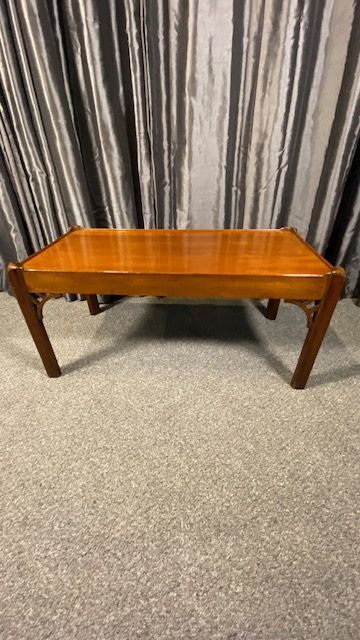
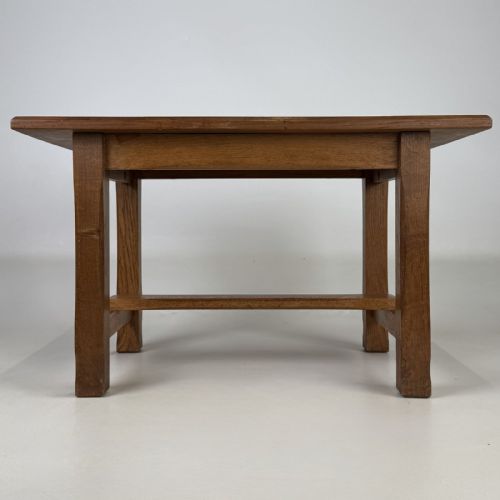
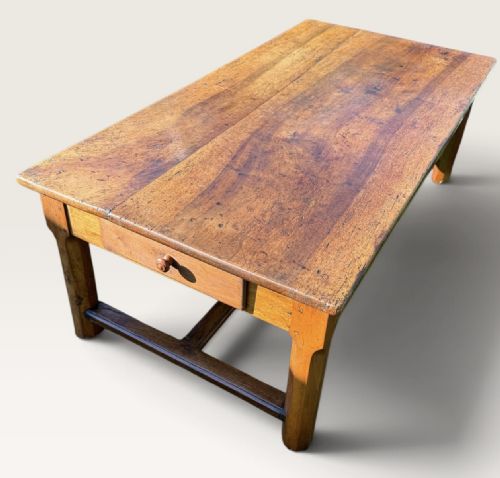
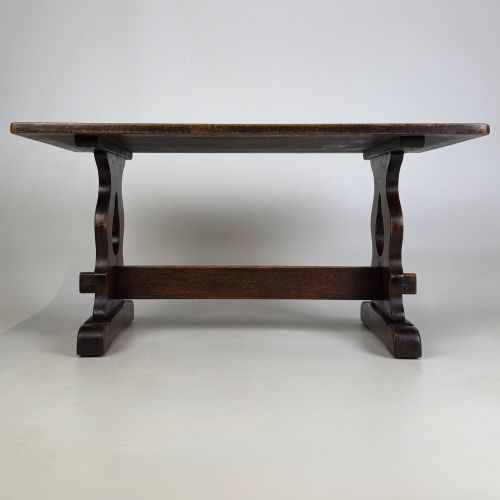
A traditional low cocktail table is a low-set surface designed for living spaces, drawing upon centuries of furniture design ranging from the eighteenth century to the twentieth century. These pieces encompass utilitarian farmhouse forms, refined revival styles, and imported oriental low tables repurposed for modern seating arrangements.
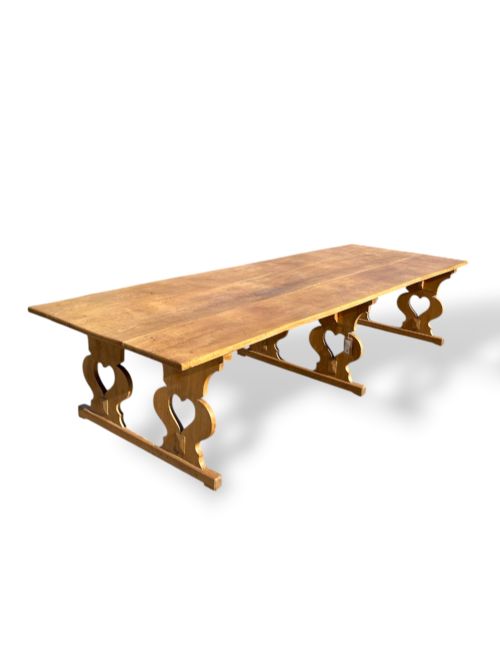
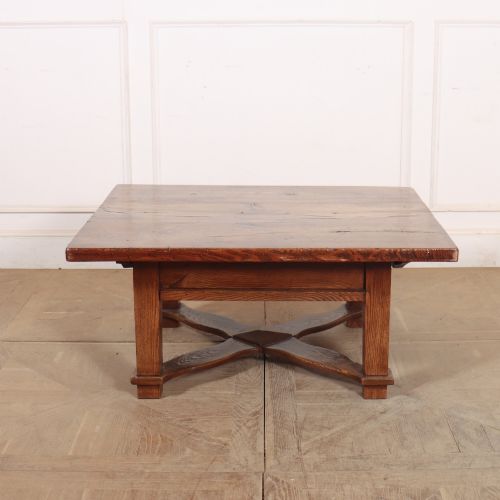
The selection encountered most frequently spans oak, mahogany, and walnut examples from the Victorian, Edwardian, and 1920s periods. Such tables often originate as adaptations of earlier dining or serving tables, or emerge from specific regional traditions like rustic country workshops and metropolitan cabinet makers.
Materials and Construction
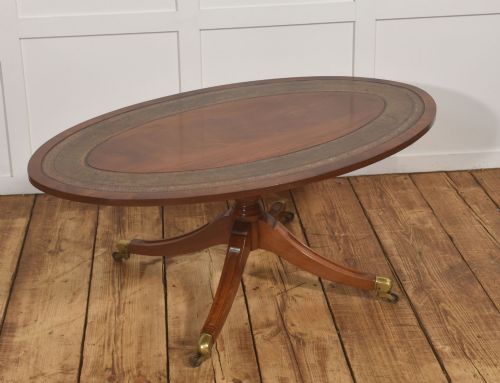
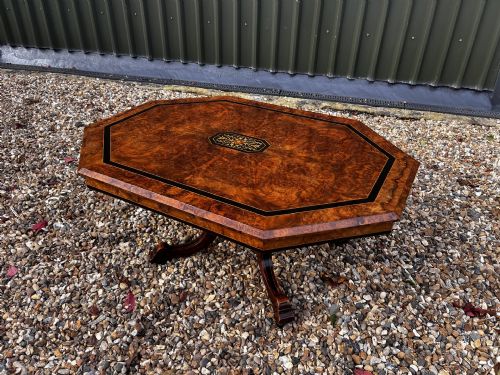
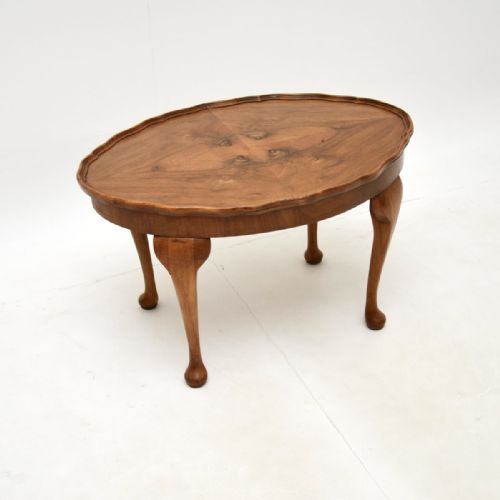
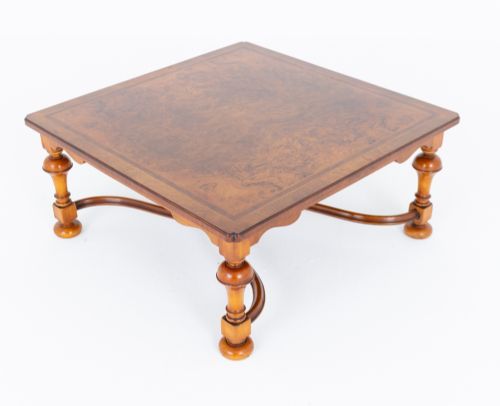
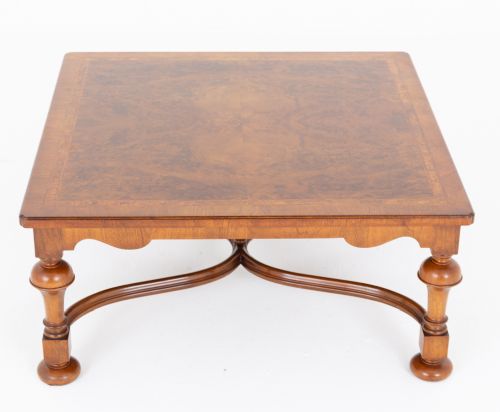
Cabinet makers utilised dense hardwoods such as oak, mahogany, walnut, and cherry, frequently applying decorative veneers like burr walnut or yew oyster veneer to prominent top surfaces. Secondary woods provide structural stability to frames while primary timbers display natural grain patterns or applied lacquer and gilt decoration.
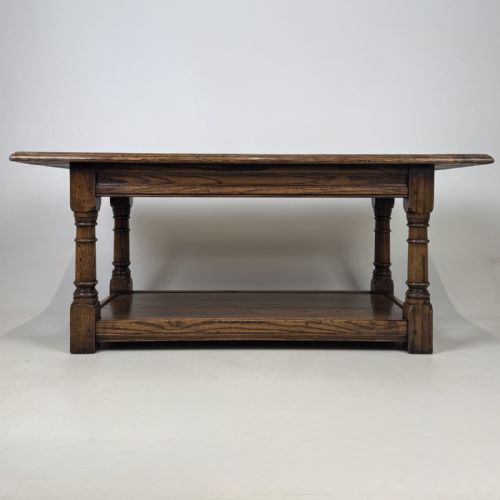
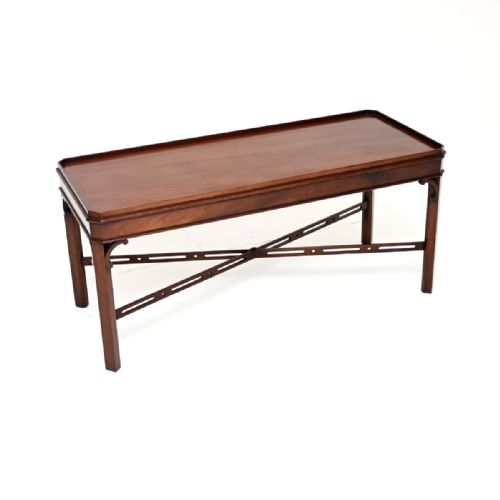
Joinery methods depend upon the period and workshop origin, incorporating traditional turned legs, mortise and tenon joints, and occasional additions such as leather insets, brass hardware, or lower potboard shelves.
Traditional Low Cocktail Table Retail Price Guide 2026
Typical asking prices for traditional low cocktail table among the pieces listed under this phrase on Sellingantiques today, from the lower quarter to the upper quarter. They describe what is for sale here now, not the wider market.
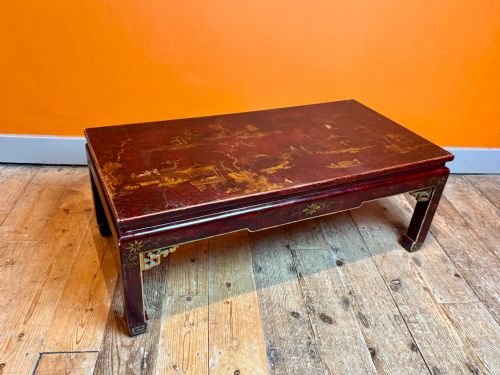
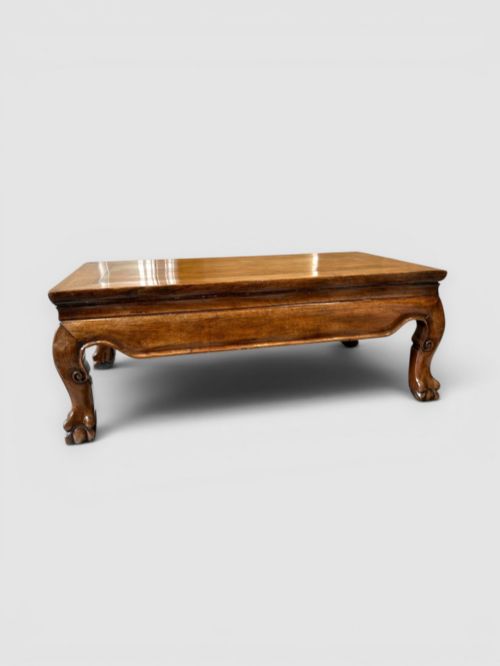
Several tables hail from distant traditions, including antique Chinese opium and lacquered tables that now serve drinks in modern living rooms.
Judging Quality and Execution
Quality rests upon the selection of timber figures, the precision of veneer work such as marquetry or pie crust edging, and the integrity of the structural frame. Finer examples display harmonious proportions and thoughtful integration of decorative elements like tooled leather or carved details.
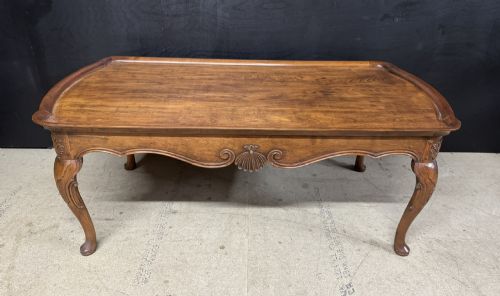
The distinction between standard utility items and superior pieces lies in the crispness of the turning, the weight and choice of solid hardwoods, and the restraint or elegance shown in revival styles like Queen Anne or Regency.
The Traditional Low Cocktail Table Glossary
- Burr walnut
- A figured wood grain taken from the warted growths of walnut trees, prized for its swirling patterns on tabletop surfaces. It provides a highly decorative finish favoured in high-status furniture.
- Pie crust edge
- A raised, carved moulding along the perimeter of a circular tabletop resembling pastry work. This technique requires skilled hand carving from solid timber.
- Potboard shelf
- An open lower tier incorporated into the framework of tables, originally intended for storing kitchen pottery. It adds stability to the legs while offering extra display space.
- Oyster veneer
- Small circular or oval slices cut transversely from small branches or roots, arranged closely to form a repeating pattern. The resulting surface resembles oyster shells.
- Chinoiserie
- European decorative design inspired by Chinese artistic traditions, featuring lacquered surfaces and gilt motifs. This style gained popularity during various revival periods.
Traditional Low Cocktail Table: Frequently Asked Questions
What is a traditional low cocktail table?
A traditional low cocktail table is a low-height surface used in sitting rooms, originating from various historical periods and revival styles.
These pieces use timbers like oak, mahogany, and walnut, and often feature details such as turned legs, drawers, or leather insets.
How do I date a low coffee table?
Dating relies on identifying the primary wood species, construction techniques, and stylistic references to periods like Victorian, Edwardian, or the 1920s.
Revival styles often borrow decorative elements from earlier Georgian or Carolean eras, which helps narrow down the probable era of manufacture.
Were these tables originally made as coffee tables?
Many low tables from earlier centuries began life as different furniture types, including dining tables, opium tables, or provincial work tables, before being adapted to lower heights.
Purpose-built low tables become more common in the twentieth century as domestic seating habits shifted toward low upholstered chairs.
How do I live with a wood cocktail table?
Living with these tables involves placing them within sitting areas to serve as functional surfaces for books, drinks, and decorative objects.
Regular care appropriate for historic polished or waxed wood preserves the finish against daily wear and moisture.