


Traditional Low Chair
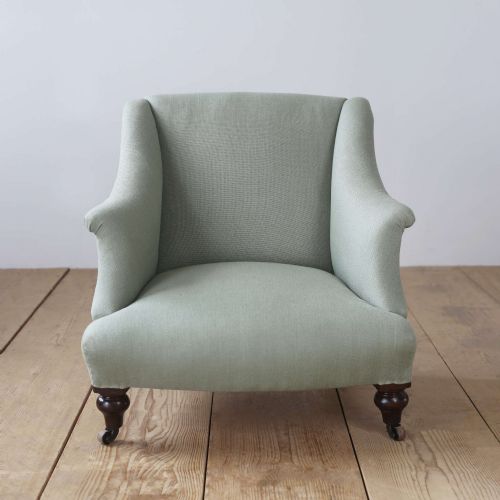
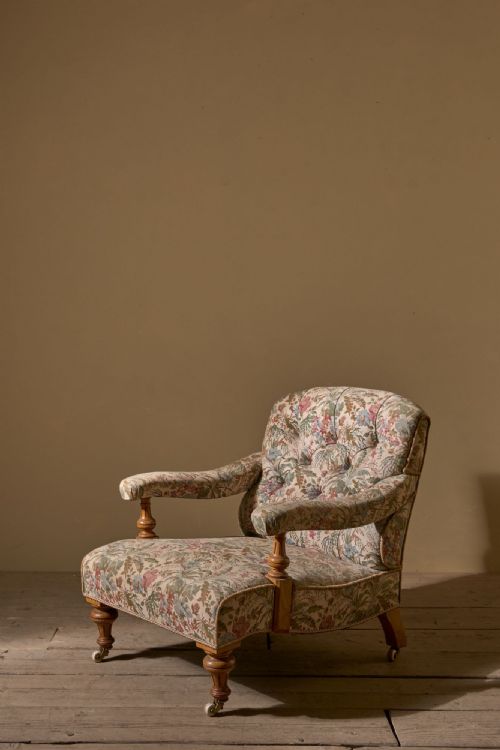
A traditional low chair offers low-slung seating designed for comfort and ease beside the fire.
Traditional Low Chair
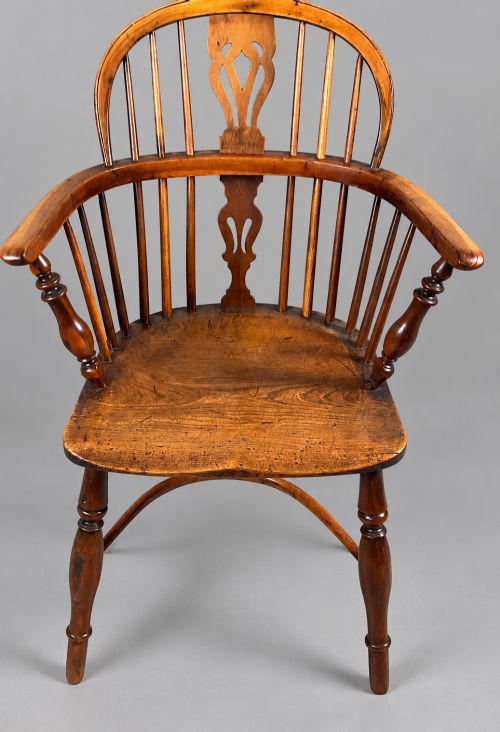
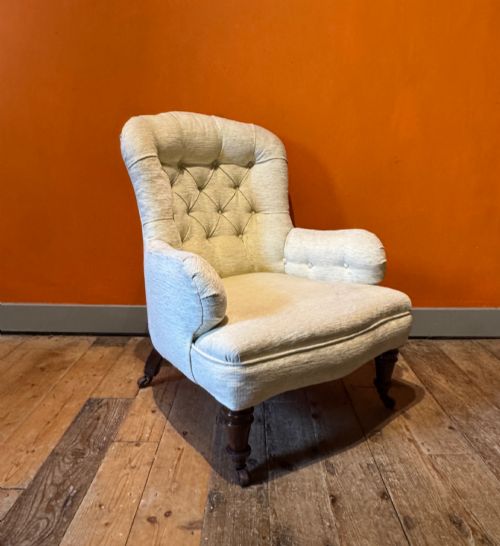
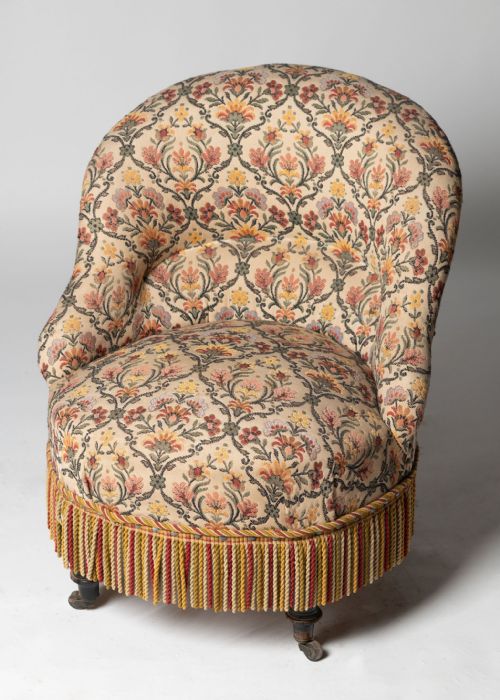
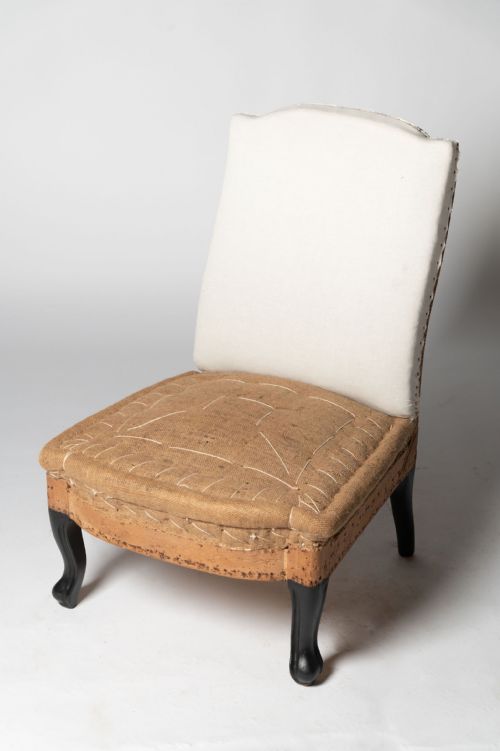
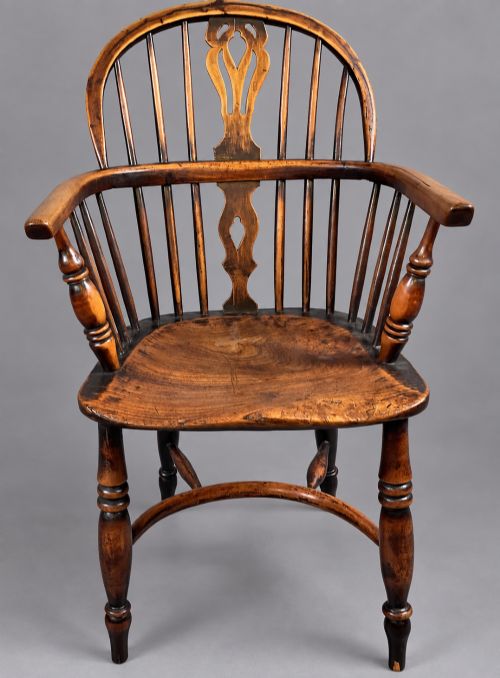
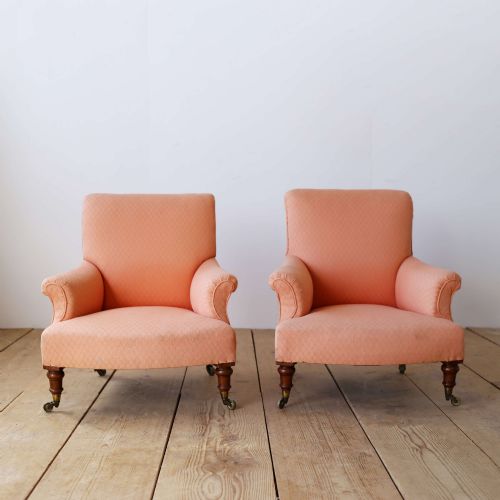
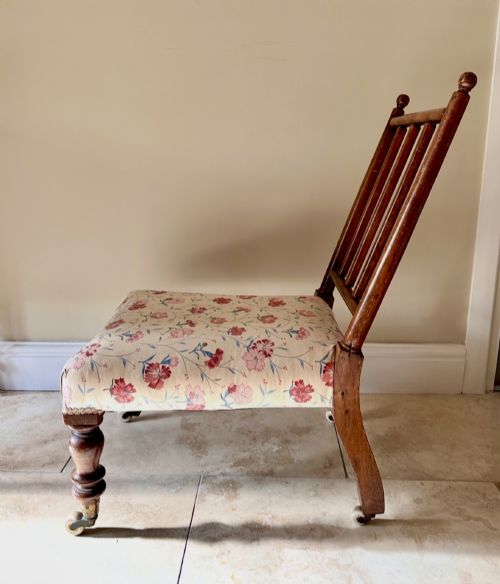
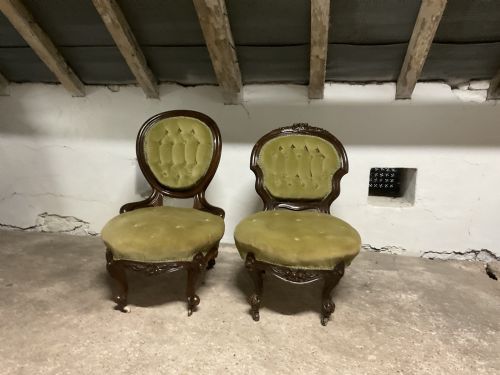
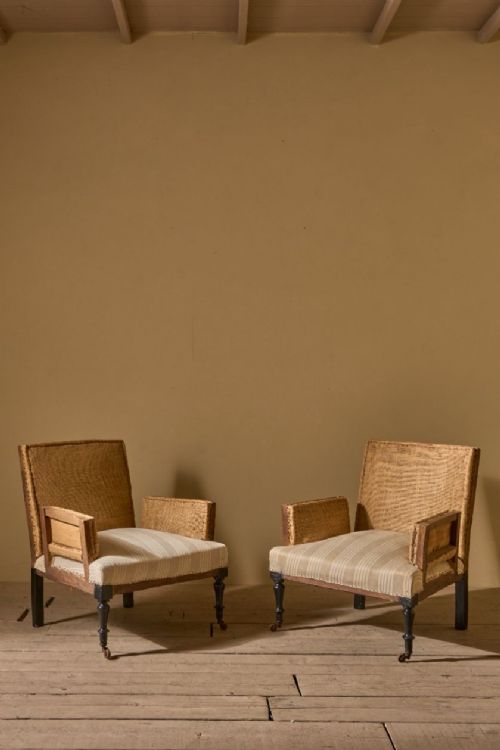
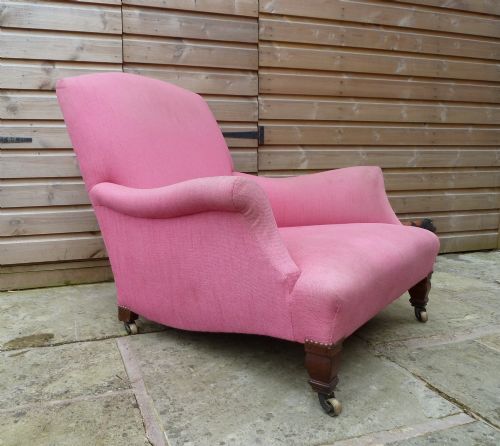
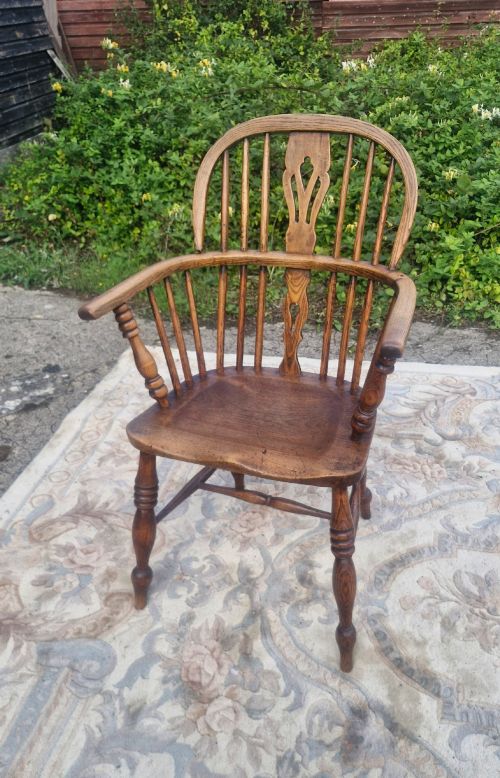
A traditional low chair covers compact, close-to-the-ground seating forms spanning the nineteenth century and Edwardian period. Buyers encounter domestic seating designed for specific rooms, including bedroom chairs, slipper chairs, and low-back Windsor chairs.
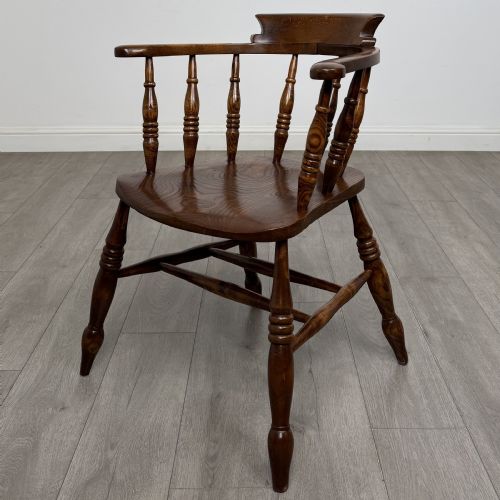
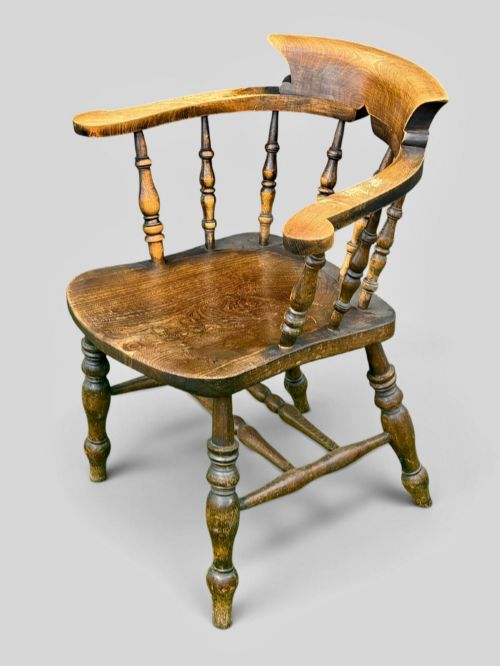
The material palette of a traditional low chair leans heavily towards timbers like elm, ash, beech, and mahogany, often paired with upholstered fabric, velvet, or brass castors. Forms range from spindle-back slipper designs to deep-seated English country armchairs.
Provincial workshops and country houses produced many surviving examples, resulting in distinct regional variations in turning and joinery. Pieces frequently reflect stylistic revivals or country interpretations of Victorian and Georgian aesthetics.
Evaluating quality and execution
Quality rests in the selection of timber, particularly the grain figure in elm seats or yew wood Windsor frameworks, and the crispness of turned components. Superior pieces exhibit harmonious proportions and uncompromised structural integrity in the joints.
Upholstered examples depend on the retention of traditional stuffing materials and the balance of the low frame, where refined spring tension and careful fabric application distinguish higher workshop output from standard production.
Traditional Low Chair Retail Price Guide 2026
Typical asking prices for traditional low chair among the pieces listed under this phrase on Sellingantiques today, from the lower quarter to the upper quarter. They describe what is for sale here now, not the wider market.
Gabbitass Worksop·Howard and Sons·Gillows
The Traditional Low Chair Glossary
- Slipper chair
- A low-seated upholstered chair originally designed for bedrooms, allowing ease when putting on shoes.
- Windsor chair
- A wooden chair constructed with a solid timber saddle seat into which separate legs and back spindles are wedged.
- Smoker's bow
- A low wooden armchair with a rounded back rail supported by turned spindles, originating in provincial contexts.
- Nursing chair
- A low upholstered chair designed for comfort, historically used for feeding infants in the nineteenth century.
- Bobbin framing
- Furniture turned on a lathe to resemble a string of beads or bobbins, popular in nineteenth-century decorative framing.
Traditional Low Chair: Frequently Asked Questions
What rooms suit a low chair?
These compact seats fit easily into bedrooms, dressing rooms, or sitting areas where standard furniture feels too imposing. Their low proportions also work well beside low hearths.
Because they take up less visual space, they function effectively as occasional seating in tighter corners without crowding a room.
How do I care for wooden frames?
Maintenance requires occasional application of traditional wax to nourish exposed timber surfaces like elm and mahogany. Avoid placing pieces near direct heat sources to prevent wood splitting.
Regular dusting with a soft cloth preserves the finish without harming antique patination.
Were these chairs used for dining?
Most low seating formats were intended for relaxation, dressing, or fireside use rather than formal dining tables. Low-back Windsor and upholstered bedroom chairs are proportioned for lounging.
Using them at a standard dining table can feel awkward due to the reduced seat height relative to standard table aprons.
How do I identify a Victorian piece?
Victorian examples often feature darker hardwoods, button-backed upholstery, or turned beech and elm framing typical of nineteenth-century production. Details like brass castors and fringe trim point to this era.
Construction methods also help, as machine-sawn components appear more frequently alongside hand-turned spindles as the century progresses.