

Traditional Low Bench
A traditional low bench offers solid utility and honest timber construction, bringing low-slung seating and sturdy surfaces to living spaces.
Traditional Low Bench
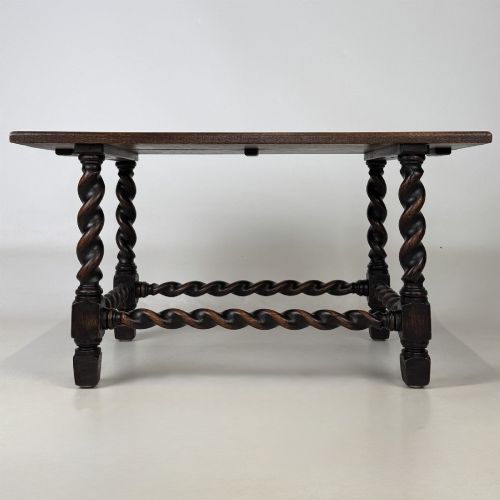
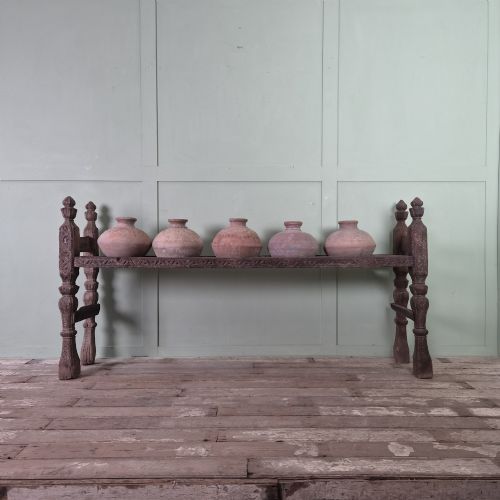
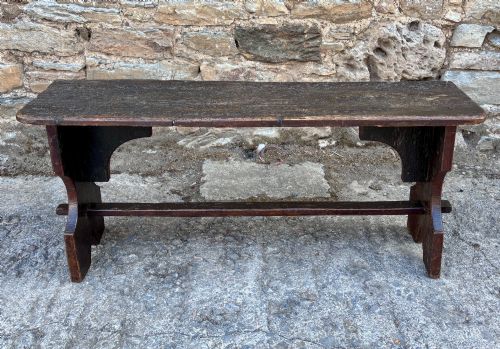
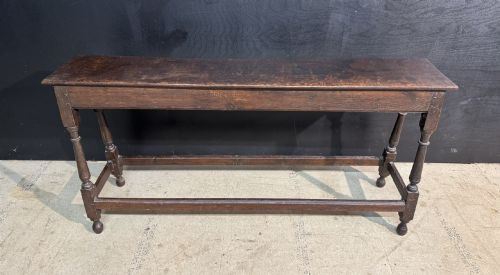
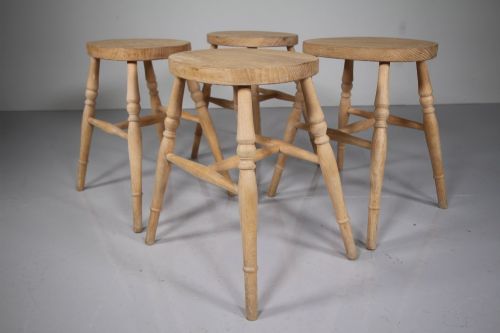
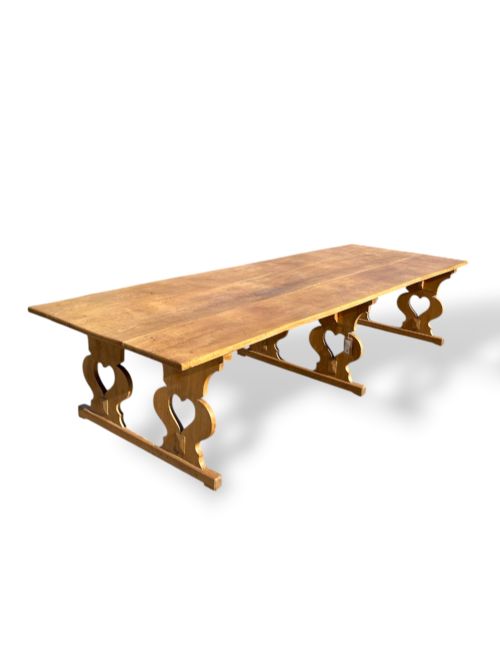
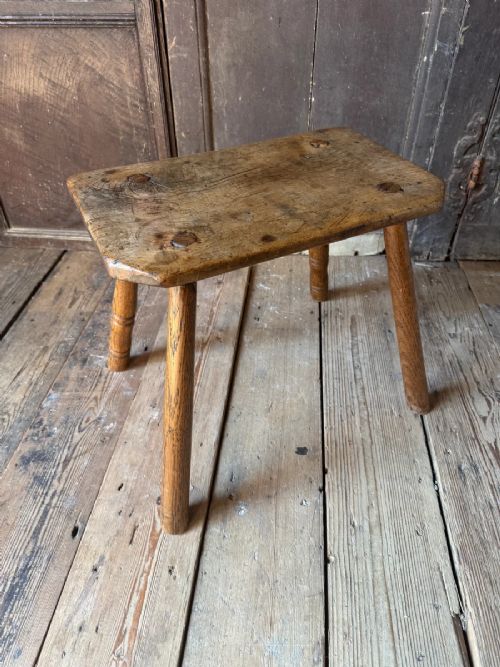
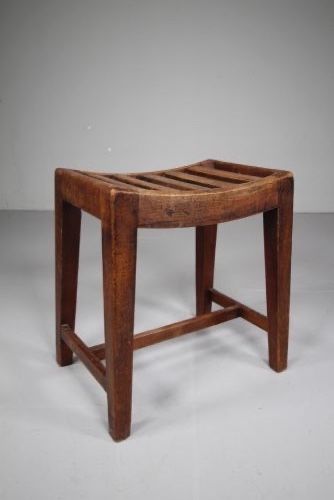
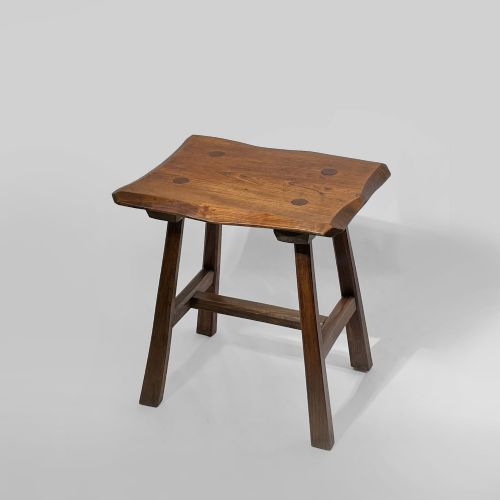
When you search for a traditional low bench, you encounter low-slung seating options, joint stools, and low tables spanning the eighteenth century through the early twentieth century. These pieces appear in vernacular forms, rustic farmhouse styles, and revival designs including Jacobean, Queen Anne, and Regency.
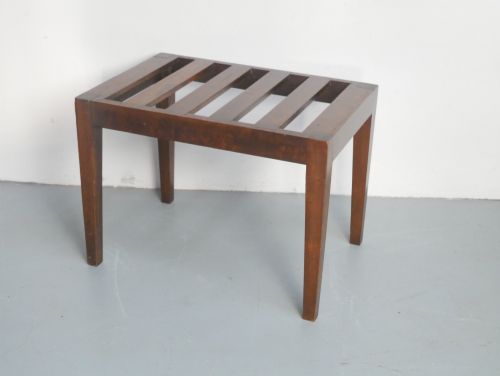
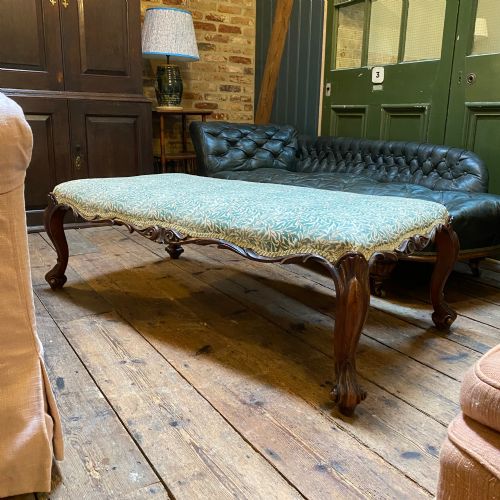
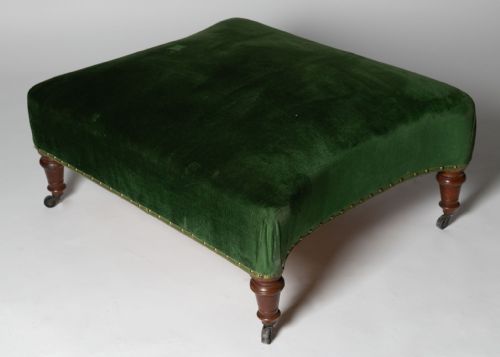
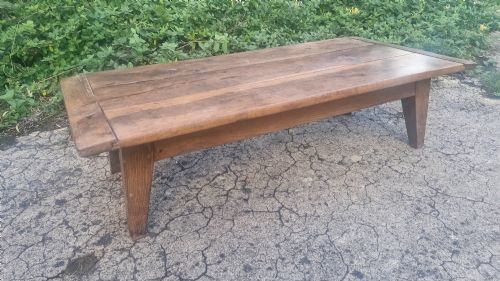
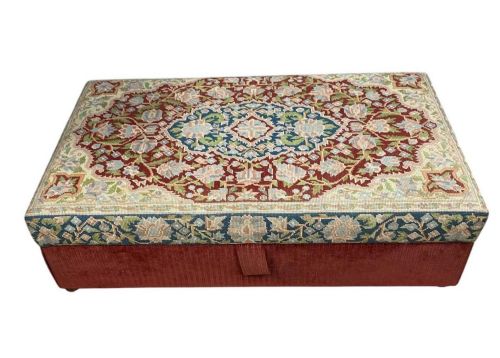
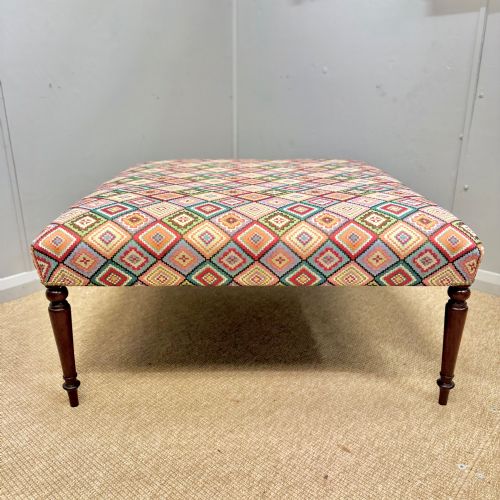
The version most commonly met on this page is the low oak or elm stool, alongside mahogany coffee tables, luggage racks, and country house ottomans. They serve various domestic functions, from impromptu seating near a hearth to low coffee tables positioned in a central living space.
Materials and construction methods
Cabinet makers and vernacular craftsmen utilised native hardwoods such as oak, mahogany, elm, sycamore, ash, and walnut. These timbers provided the structural integrity needed for low seating and tables subjected to daily domestic use.
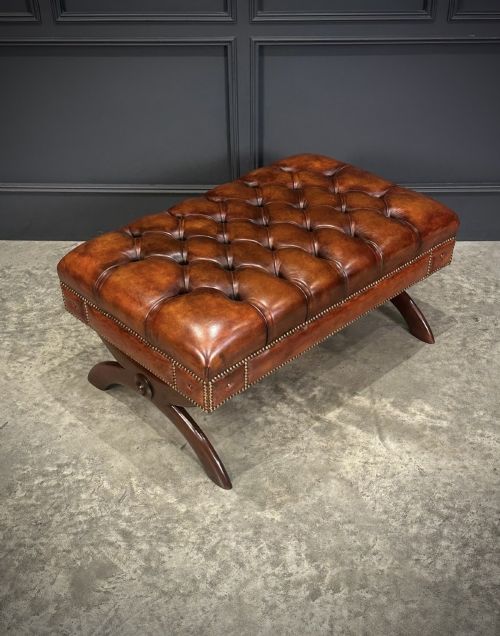
Joinery techniques relied on traditional methods like mortise and tenon joints, particularly visible in joint stools. Surfaces were finished with upholstery in fabric, leather, or tapestry, while hardware details incorporated brass castors or brass club fenders.
Traditional Low Bench Retail Price Guide 2026
Typical asking prices for traditional low bench among the pieces listed under this phrase on Sellingantiques today, from the lower quarter to the upper quarter. They describe what is for sale here now, not the wider market.
Listings feature timbers including oak, mahogany, elm, sycamore, ash, walnut, teak, and fruitwood alongside brass and leather.
Distinctions in quality and execution
Quality separates primitive vernacular pieces from refined period examples through the selection of timber and the precision of the joinery. Fine examples display carefully figured walnut or mahogany, balanced proportions, and well-executed stylistic details like cabriole legs or carved oak ornamentation.
The integrity of the timber and the retention of original surfaces distinguish superior items. Pieces that maintain their early upholstery foundations, original brass castors, or unaltered structural joints hold greater fidelity to their period of origin.
The Traditional Low Bench Glossary
- Joint stool
- An early form of wooden stool constructed with mortise and tenon joints held together by wooden pins. They date predominantly to the seventeenth and eighteenth centuries.
- Cabriole leg
- A furniture leg that curves outward in a convex arc and then bends inward in a concave arc, terminating in a pad or foot. This design is characteristic of Queen Anne and Chippendale styles.
- Luggage rack
- A low stand traditionally placed at the foot of a bed or in a hallway for holding travel bags. They often feature folding or fixed wooden frames with webbing or slatted tops.
- Club fender
- A low, U-shaped hearth seat framed in brass or metal with upholstered top rails. They originated in gentlemen's clubs and large country houses.
- Vernacular furniture
- Items made by local craftsmen using regional materials for everyday use, distinct from high-style urban workshop pieces.
Traditional Low Bench: Frequently Asked Questions
What is a traditional low bench used for?
These pieces serve multiple purposes around the home, functioning as low coffee tables, spare seating, or luggage stands. Their compact height makes them versatile additions to living rooms and hallways.
Historically, many started as milking stools, joint stools, or footstools before finding contemporary roles in interior styling.
How do I date an antique wooden bench?
Dating relies on examining the tool marks, timber species, and construction joints used in the piece. Hand-sawn boards and pegged mortise and tenon joints point towards earlier eighteenth and nineteenth-century origins.
Stylistic markers, such as Queen Anne cabriole legs or Victorian turning, help narrow down the decade of manufacture.
Are these benches comfortable for seating?
Many examples are designed primarily as low tables, footstools, or short-duration seating rather than lounging chairs. Upholstered variants with leather or fabric tops offer a softer seat for brief periods.
Unupholstered wooden stools provide firm, upright seating suited for specific domestic tasks.
How do I care for antique timber and leather?
Maintain wooden surfaces by applying appropriate beeswax or natural polishes to nourish the grain and prevent drying. Keep pieces away from direct heat sources and strong sunlight to avoid warping.
Leather upholstery benefits from gentle conditioning to preserve its suppleness and prevent cracking over time.