
Traditional Longcase Floor Clock
A traditional longcase floor clock stands as a monumental timekeeper of timber and brass, anchoring a room with mechanical gravity.
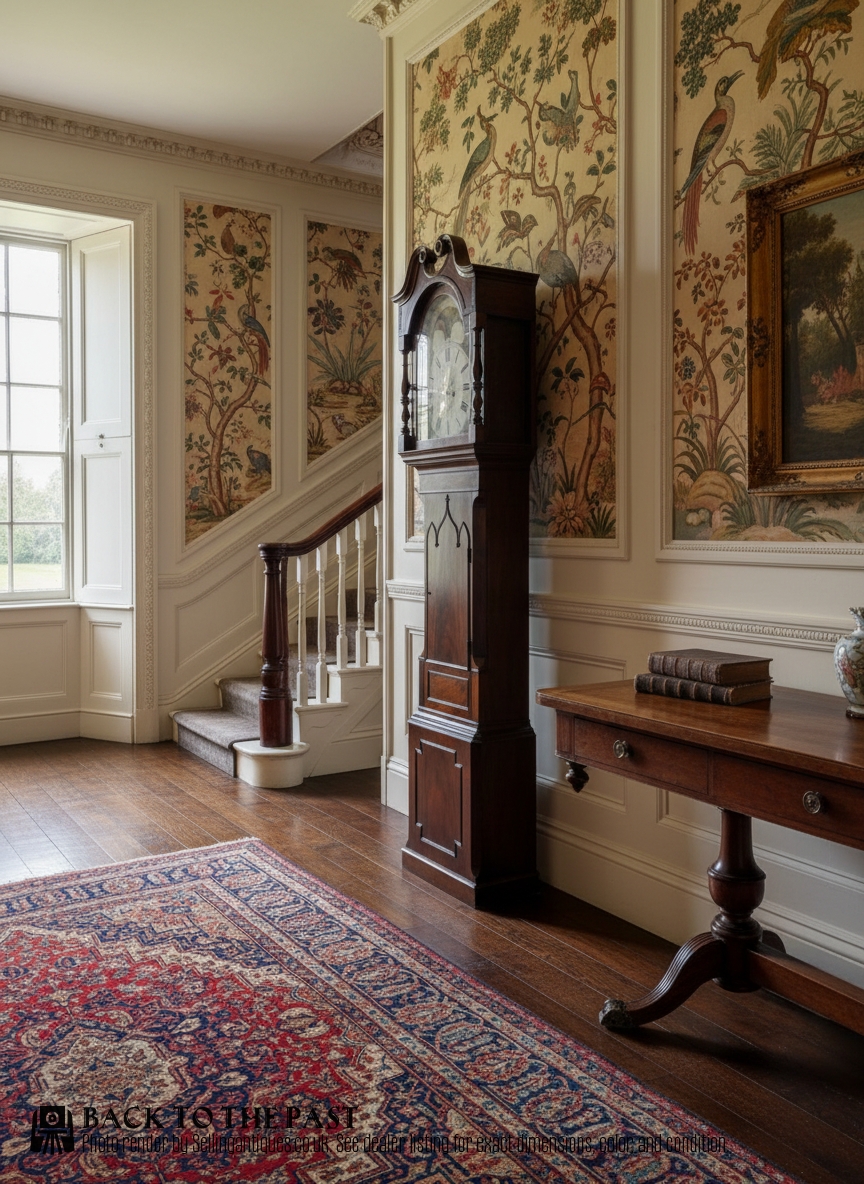
Traditional Longcase Floor Clock
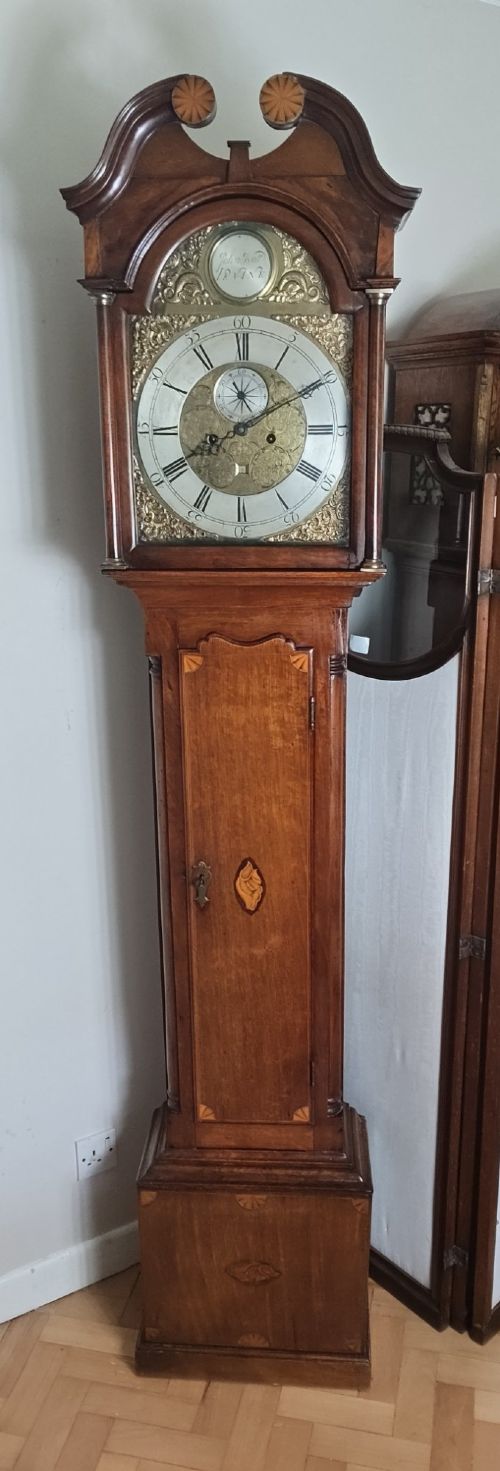
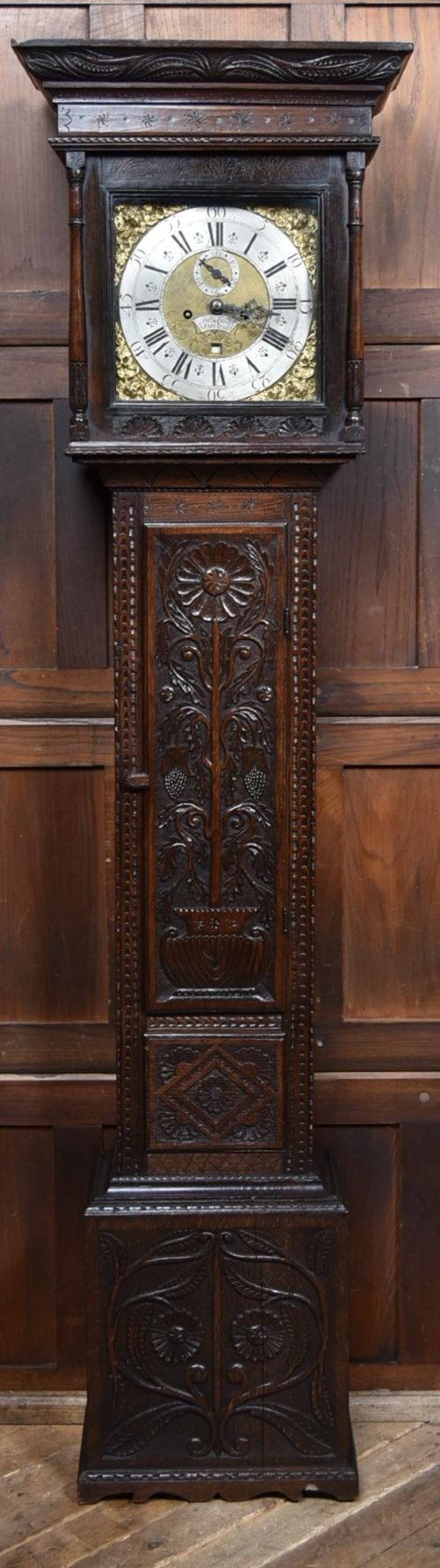
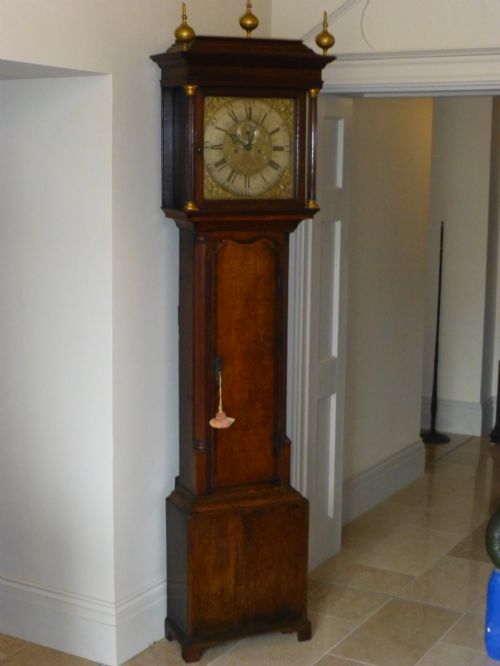
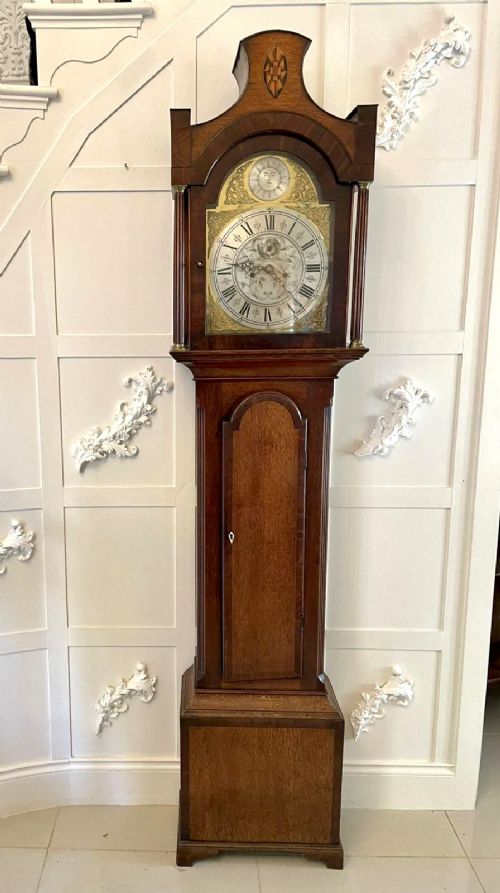
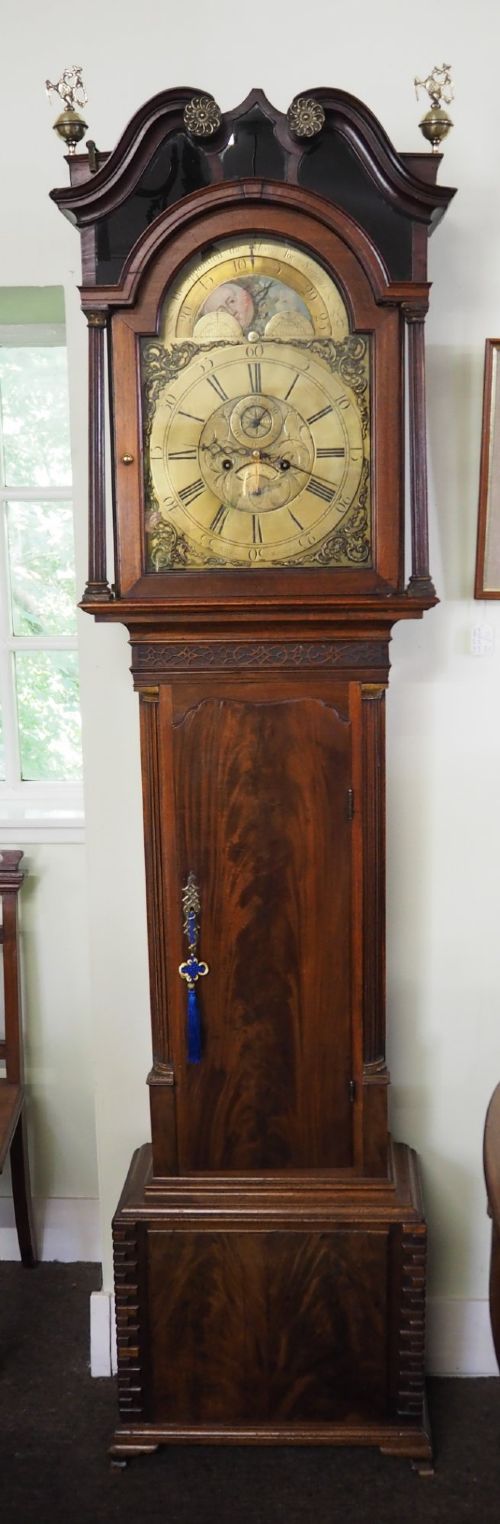
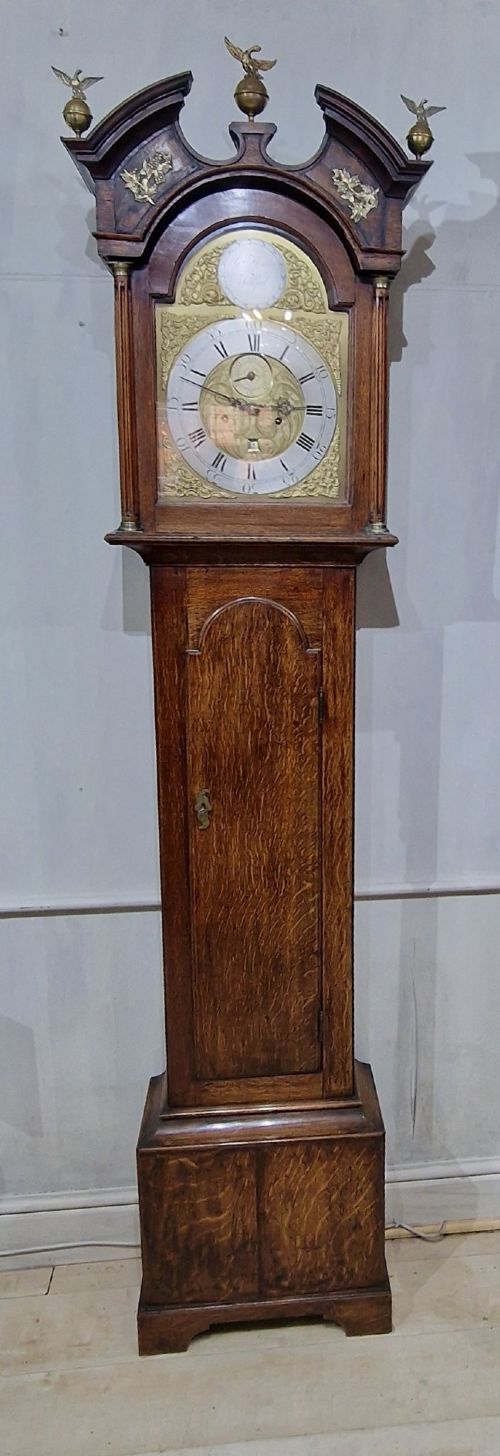
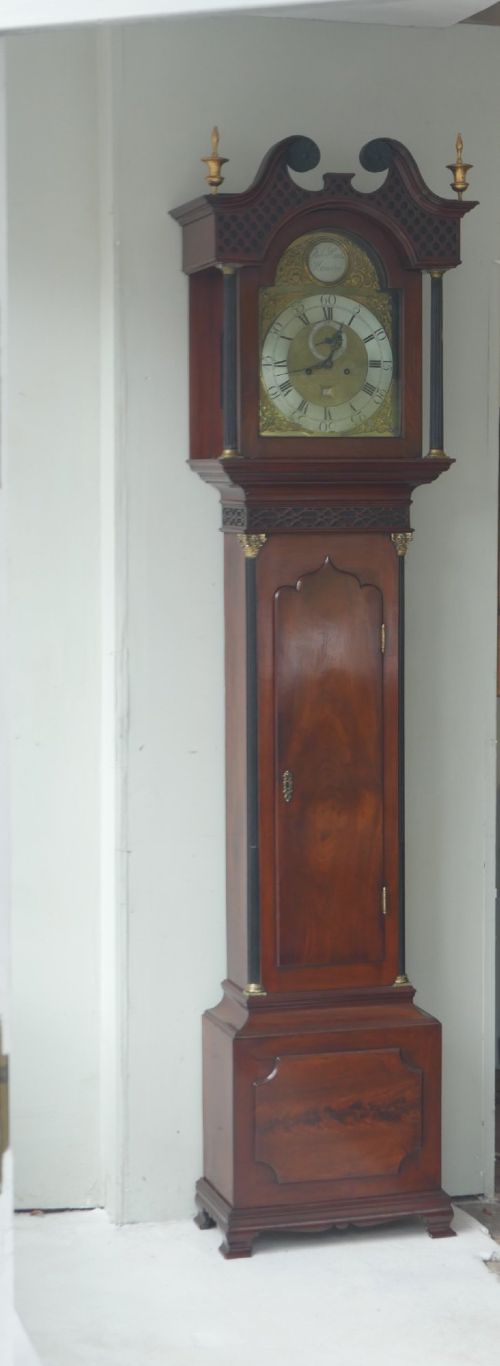
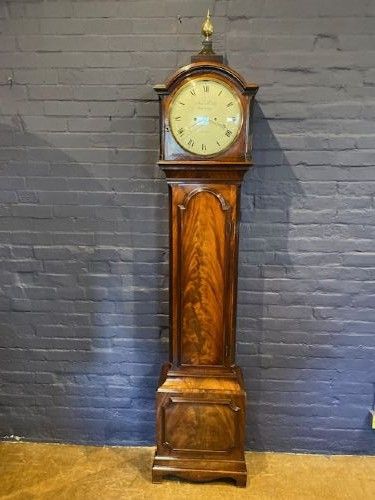
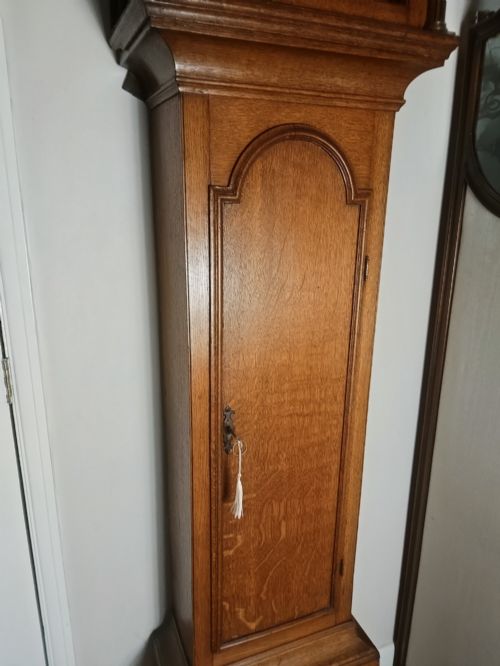
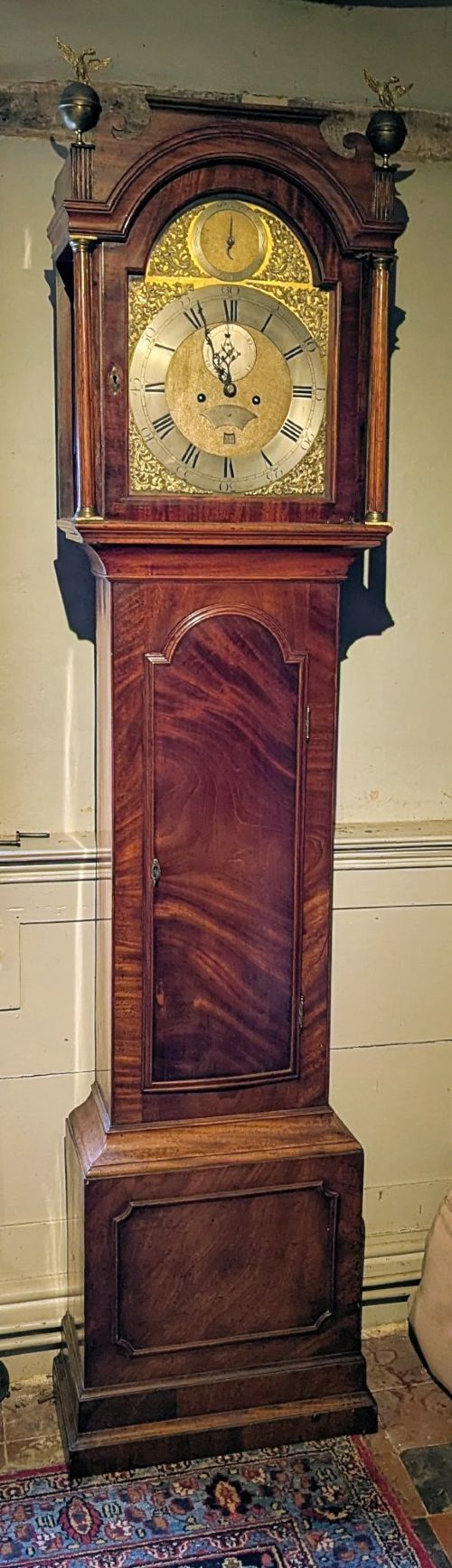
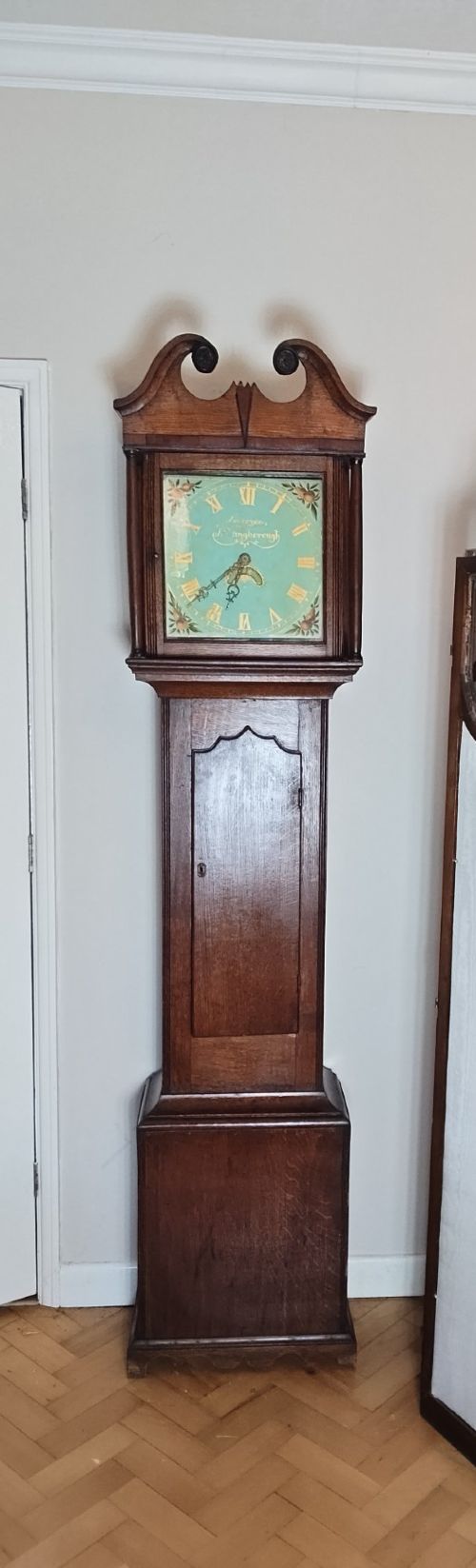
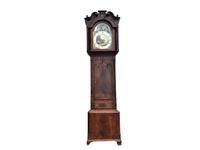
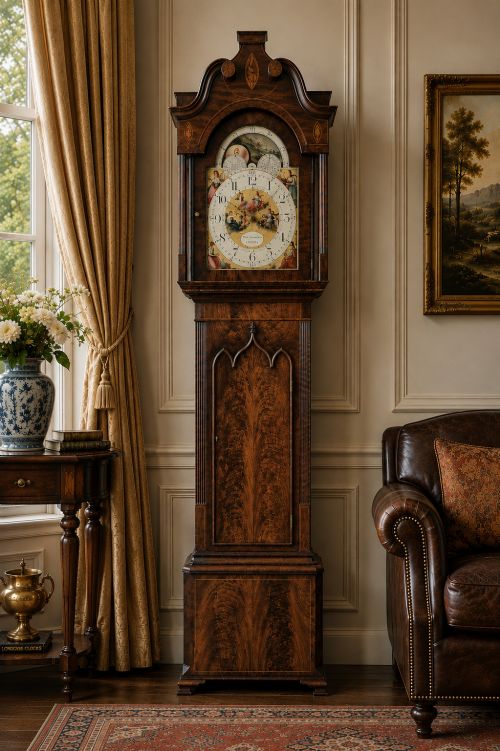
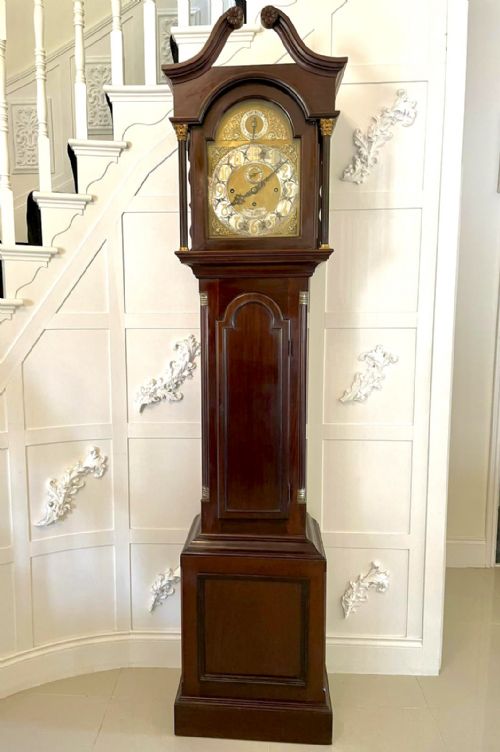
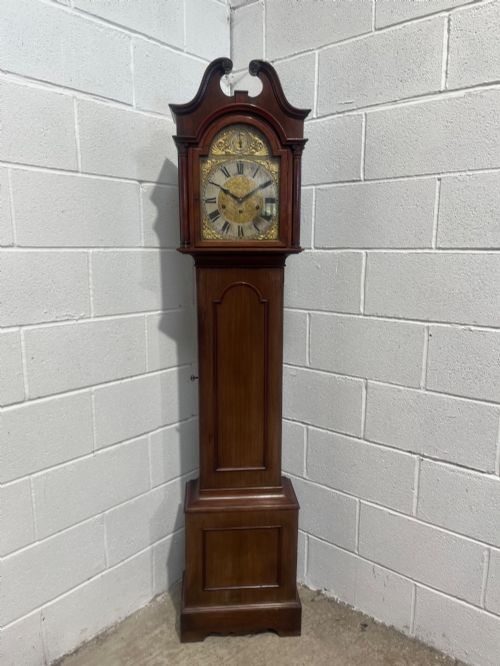
A traditional longcase floor clock, also known as a grandfather clock, houses a pendulum and weights within a tall wooden case. The pieces seen here span from the Georgian and 18th century through the Victorian era up to the 1930s.
How they were made
Cabinetmakers constructed the tall wooden housings using solid timbers like oak, mahogany, and walnut, frequently applying burr walnut veneers or marquetry inlay for decorative depth. Glass doors protected the dial and the swinging pendulum within the trunk.
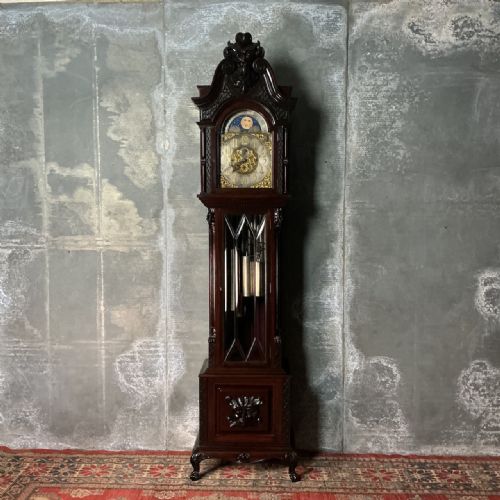
Periods represented stretch from early Georgian and 18th-century pieces through Victorian times to 1930s musical examples.
What varies in quality
The sophistication of the movement dictates much of the distinction, moving from simple time-only or strike variants up to complex quarter-chiming and musical mechanisms with multiple weights or tubular bells. Cabinet construction also sets pieces apart, where figuration in the mahogany or burr walnut timber and refined inlay demonstrate superior joinery.
Dial execution separates standard production from finer work, visible in the depth of brass engraving, the crispness of painted iron details, and whether the maker signed the face. Proportions matter greatly, as evidenced by slim proportions and balanced scaling across both full-size and smaller grandmother formats.
Jn Smith Macclesfield·James Hendrie Falkirk·James McCabe·Samuel Kellett Bredbury·Parkinson Bros Batley·Charles Louch St Albans·Andrew Thom
The Traditional Longcase Floor Clock Glossary
- Grandfather clock
- A large, floor-standing pendulum clock enclosed in a tall wooden case. These tall timekeepers are also frequently referred to simply as longcase clocks.
- Grandmother clock
- A smaller, more compact version of the traditional longcase clock, usually produced during the 20th century. They occupy less floor space while retaining weight-driven or spring-driven movements.
- Moon phase
- A dial mechanism tracking the lunar cycle via a rotating disc behind a shaped aperture. This complication adds visual movement and traditional nautical utility to the clock face.
- Strike and silent
- A lever mechanism that allows the user to silence the hourly hour-strike without stopping the clock's timekeeping. It was particularly useful in bedrooms or formal parlours.
- Marquetry
- The art of applying small pieces of wood veneer to form decorative patterns and pictorial scenes. This technique appears on select oak and walnut cases.
Traditional Longcase Floor Clock: Frequently Asked Questions
How do I wind an eight day clock?
An eight day clock requires winding once a week by inserting a crank key into the winding holes on the dial face. You turn the key carefully to draw the internal weights back up toward the top of the trunk.
Take care not to overwind the movement, stopping as soon as firm resistance meets your hand. Ensure the pendulum remains undisturbed during the process to keep the beat even.
What is the difference between a grandfather and a grandmother clock?
A grandfather clock is a full-sized floor clock, typically standing over six feet tall and built to house long pendulums and heavy weights. They date primarily from the 18th and 19th centuries.
A grandmother clock is a much smaller version, generally standing between four and five feet tall, and mostly dates from the 20th century. They offer the traditional longcase aesthetic in a more compact scale suitable for modern rooms.
How do I tell an 18th century clock from a 19th century one?
Eighteenth-century clocks typically feature square brass dials with cast brass spandrels in the corners and heavy oak or early mahogany cases. Their proportions often reflect regional British workshop traditions.
Nineteenth-century examples frequently show arched painted iron dials, richer flame mahogany veneers, and more standardised industrial movements. Cases from this later period tend to display bolder architectural cornices and refined bracket feet.