
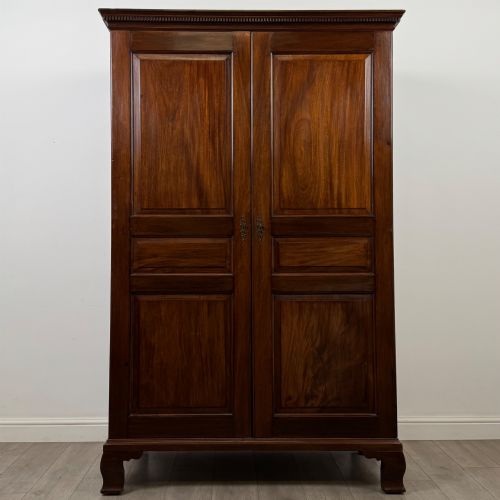
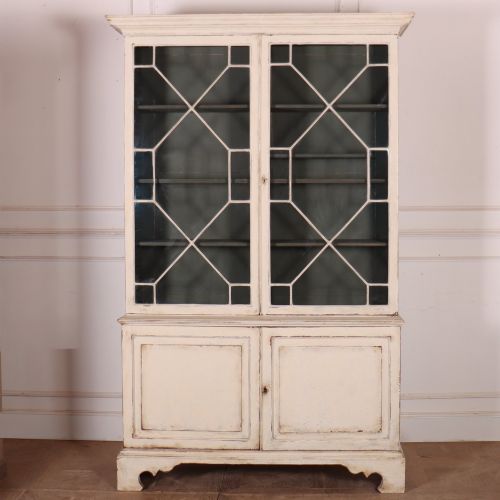
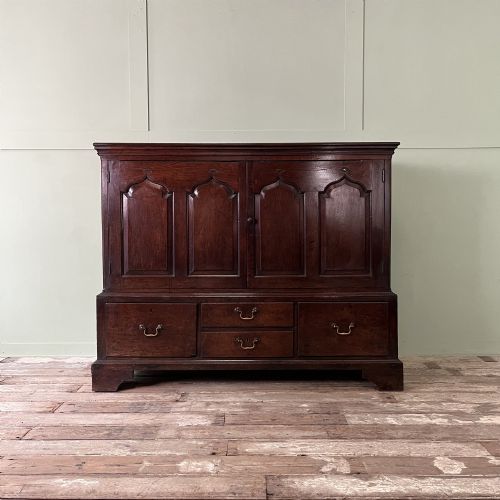
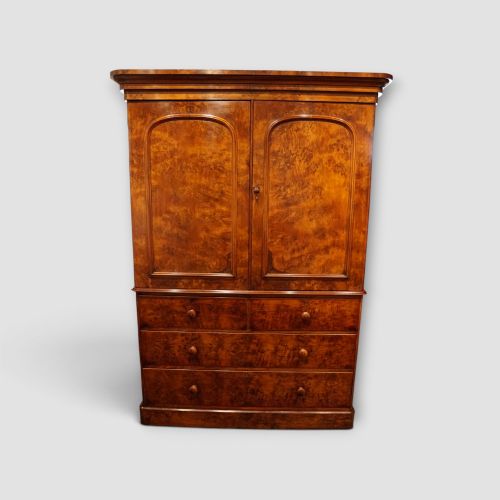
Traditional Linen Cabinet
Traditional linen cabinet designs span sturdy pine cupboards and refined mahogany presses built to organise household textiles.
Traditional Linen Cabinet
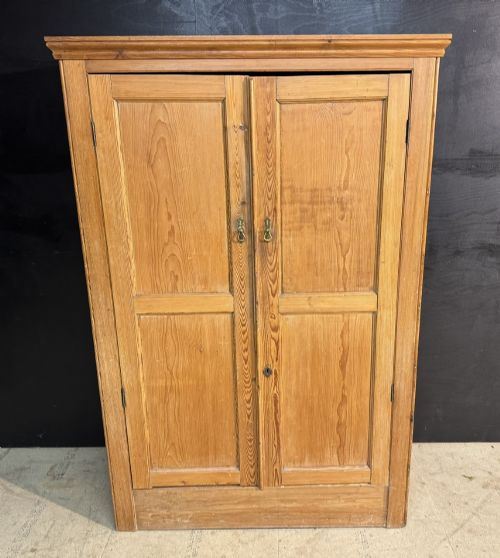
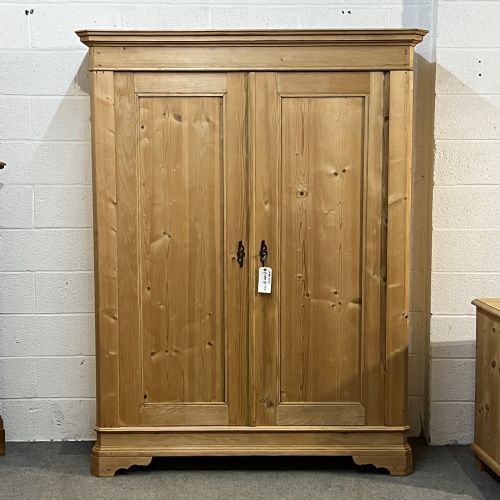
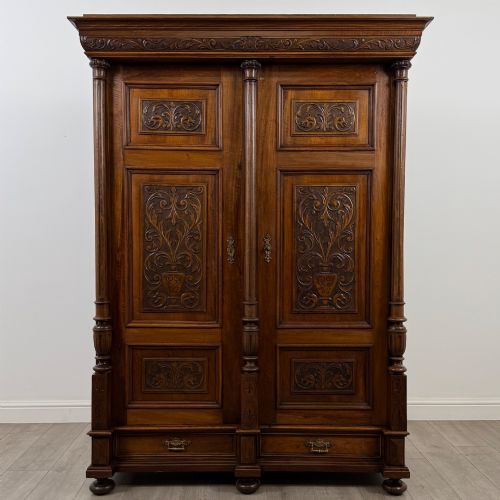
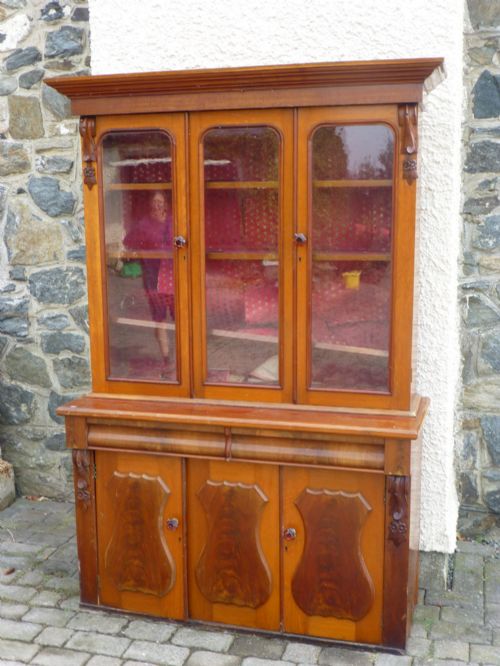
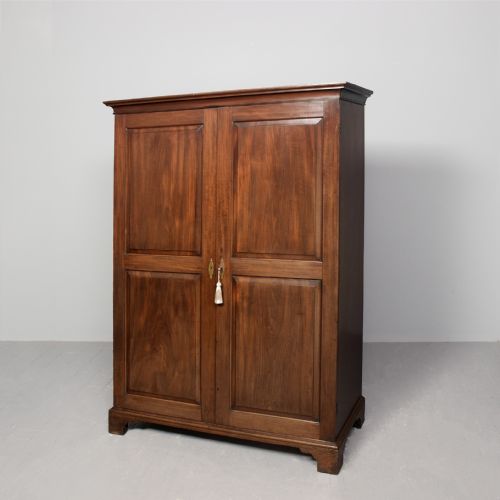
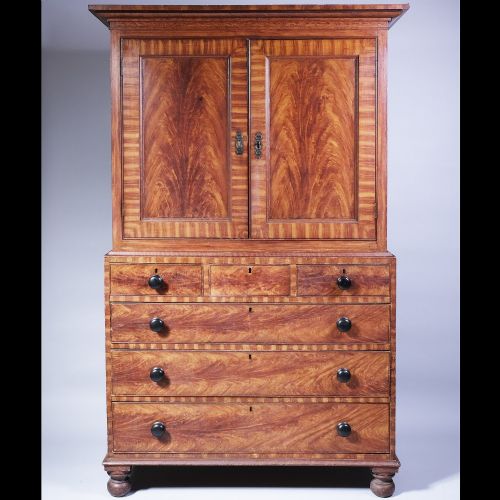
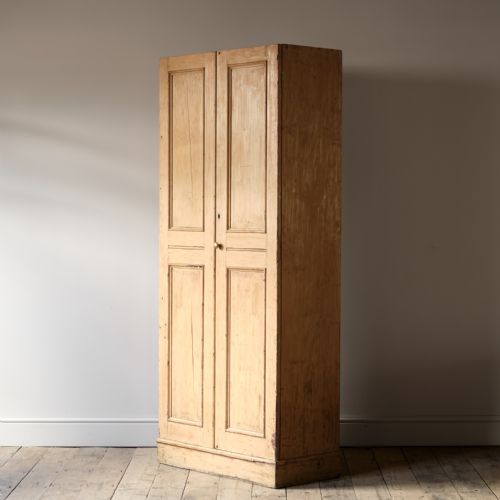
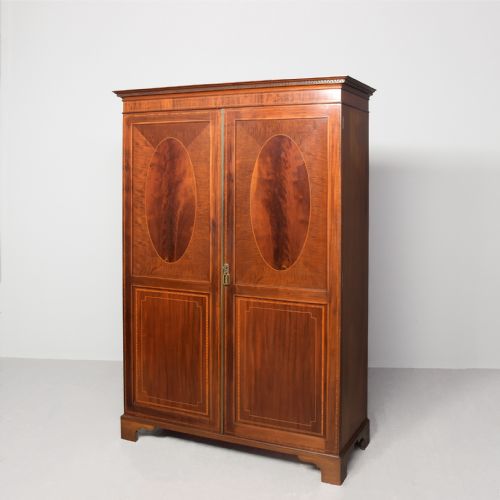
A traditional linen cabinet encompasses utilitarian pine storage pieces, housekeepers cupboards and formal mahogany presses designed for domestic utility. Buyers encounter versatile pine configurations alongside substantial Georgian and Victorian hardwood presses featuring upper sliding trays or hanging space above deep drawers.
The selection ranges from stripped pine and painted country cupboards to figured walnut and flame mahogany furniture produced across the eighteenth and nineteenth centuries. Regional country workshops and urban cabinet makers alike addressed the storage needs of large households through these robust forms.
Most examples hail from the Victorian and Georgian eras, reflecting shifts in domestic storage from open shelving to enclosed wardrobe and press combinations. These pieces served primarily in bedrooms, nurseries and landings to protect household linens from dust and damp.
Materials and construction methods
Cabinet makers relied primarily on solid oak, mahogany, walnut and pine, frequently utilising secondary woods like deal for internal shelving and drawer linings. Joinery methods included hand-cut dovetails for drawer construction and pegged mortise and tenon frames to support heavy panelled doors.
Surface finishes vary from wax polish and French polish on formal hardwood pieces to historic paint schemes, scumble glazes and raw stripped surfaces on utilitarian pine furniture. Brass hardware such as knob handles, escutcheons and cockbeading provided functional reinforcement and subtle decoration.
Many large presses were constructed with knock-down frames or modular sections to facilitate movement between rooms and floors in period homes. Glazed upper sections incorporated individual glass panes held in wooden glazing bars.
An eighteenth-century low linen press occasionally doubled as a handy midnight seat when domestic corridors grew chilly.
What separates standard pieces from the finest examples
Quality rests in the selection of timbers, such as figured flame mahogany or burr walnut veneers matched across large door panels. Superior construction is evident in tight dovetail joints, original brasswork and the retention of internal linen slides rather than modern shelving.
Proportion and restrained architectural details distinguish superior cabinet work from utilitarian utility pieces intended solely for service areas. The integrity of original painted surfaces or the depth of a patinated wax finish dictates the aesthetic success of country pine and scumble-painted variants.
The Traditional Linen Cabinet Glossary
- Linen Press
- A tall two-part storage cabinet featuring sliding trays or shelves in the upper section and multiple drawers below. Originally designed specifically for storing folded linen flat.
- Housekeeper's Cupboard
- A large freestanding utility cupboard with panelled doors, used in grand homes to store tableware, linens and dried goods. These pieces are typically constructed from pine or oak.
- Scumble Paint
- A decorative paint technique where a translucent top layer is manipulated over a lighter base colour to simulate the grain of more expensive hardwoods. It appears frequently on nineteenth-century country furniture.
- Cockbeading
- A narrow rounded moulding projecting around the edges of drawer openings to protect the drawer edges and provide a neat finish. High-quality furniture employs this detail consistently.
- Bun Feet
- Low spherical or slightly flattened feet turned from solid wood, commonly found supporting heavy Victorian and Georgian cupboards. They distribute weight evenly across uneven floors.
Traditional Linen Cabinet: Frequently Asked Questions
What is the difference between a linen press and a wardrobe?
A linen press traditionally incorporates interior sliding trays or shallow shelves within the upper cabinet for storing folded textiles flat, positioned above a chest of drawers base. Wardrobing functionality relies primarily on vertical hanging space for garments.
Many period pieces classified under traditional linen cabinet searches blur these lines as later owners removed internal trays to insert hanging rails.
How were these cabinets used in period homes?
These cabinets served domestic spaces as primary storage stations for household linens, blankets, and garments before fitted wardrobes became standard in residential architecture. Housekeepers managed household textile inventories within these deep cupboards.
They stood in bedrooms, hallways, and dedicated linen rooms to protect valuable fabrics from dust, dampness, and pests.
How do I care for a waxed pine cabinet?
Maintain waxed pine surfaces by dusting regularly with a soft dry cloth and applying a traditional beeswax polish sparingly when the wood appears dry. Avoid placing antique pine furniture near direct heat sources or in damp environments.
Harsh chemical cleaners strip the historic wax and natural patina accumulated over centuries of use.
Are these cabinets difficult to move?
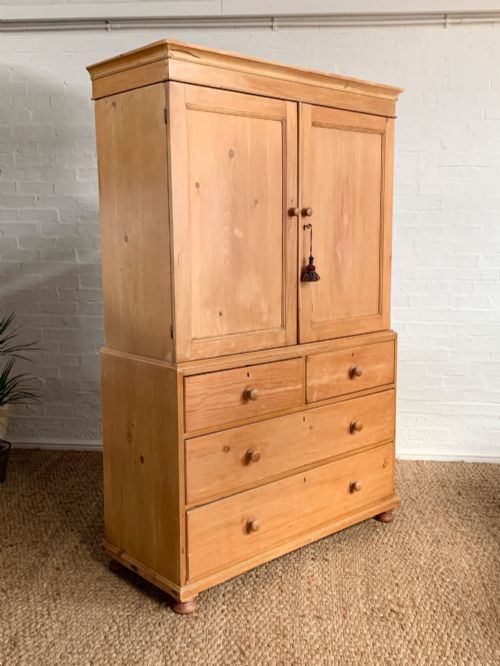
Many period pieces are heavy and substantial, often constructed in two separate sections such as a upper cupboard resting on a lower drawer base. Some regional country pieces feature knock-down frames designed to dismantle completely for transport.
Measuring stairwells, ceiling heights, and doorways is essential before attempting to position a large press or wardrobe.