


Traditional Library Units
Traditional library units are substantial wooden pieces built to hold volumes, and you want one for the deep character it brings to a room.
Traditional Library Units
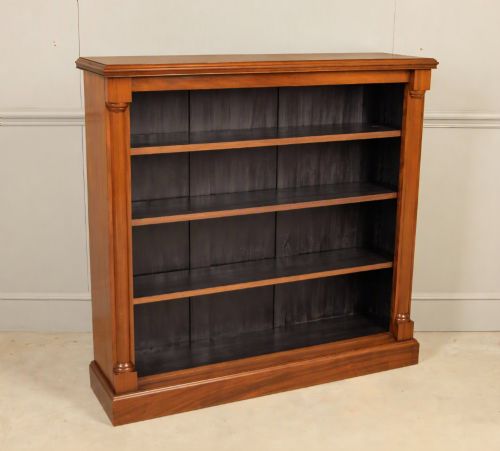
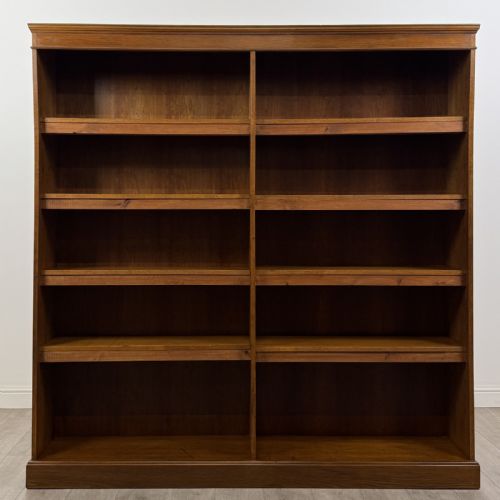
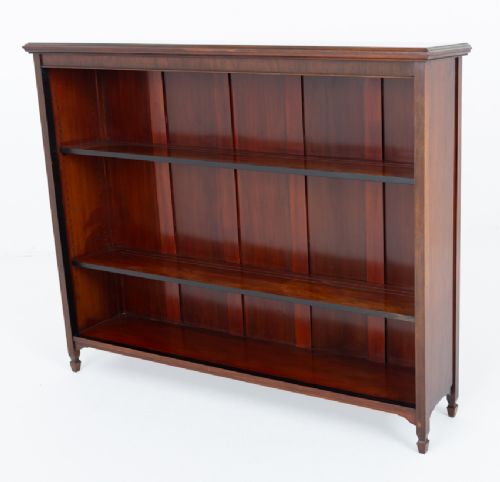
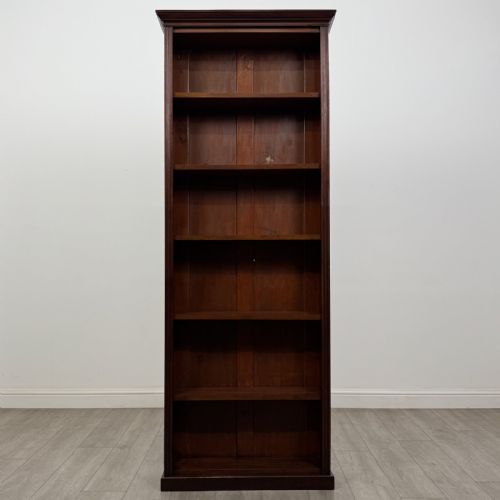
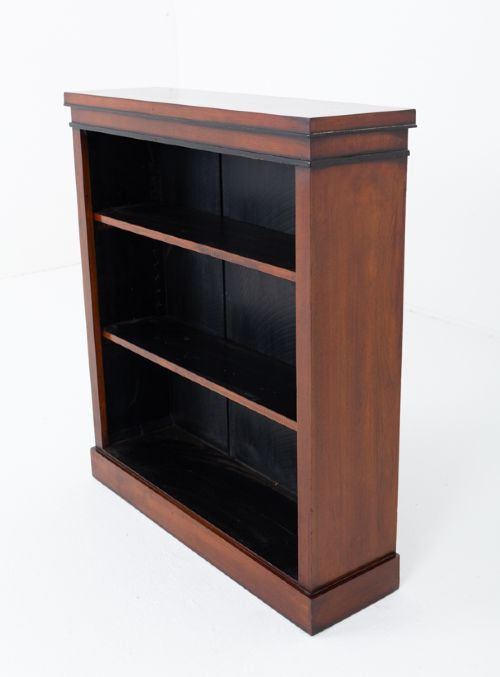
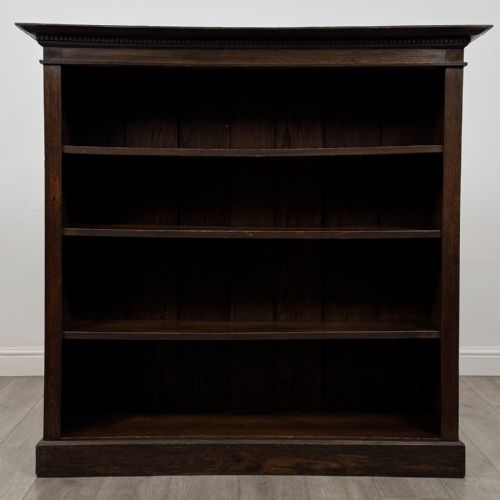
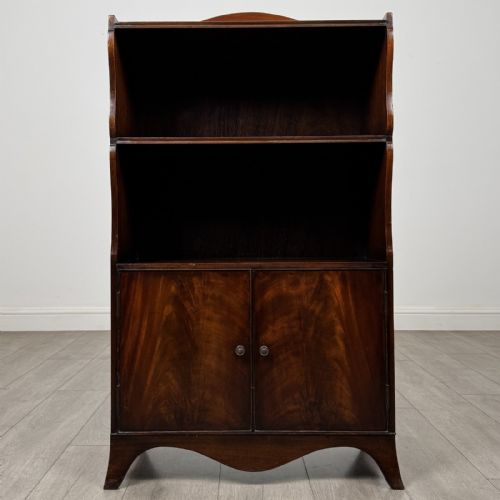
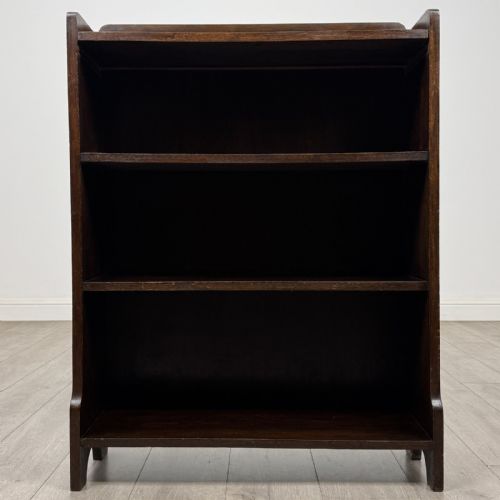
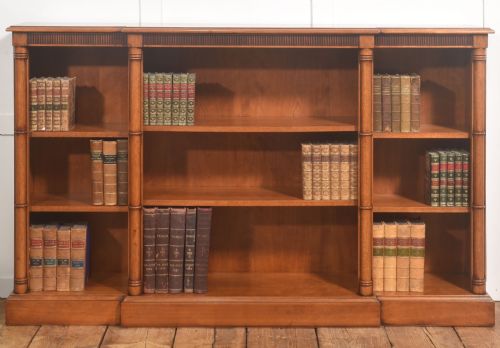
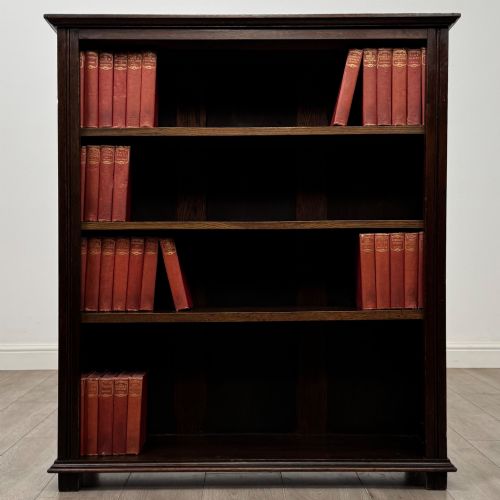
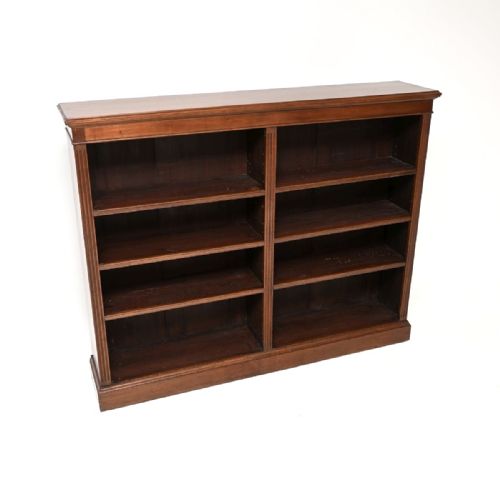
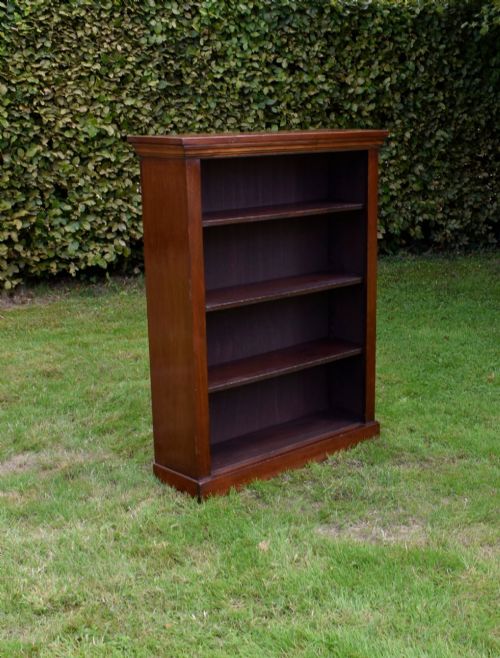
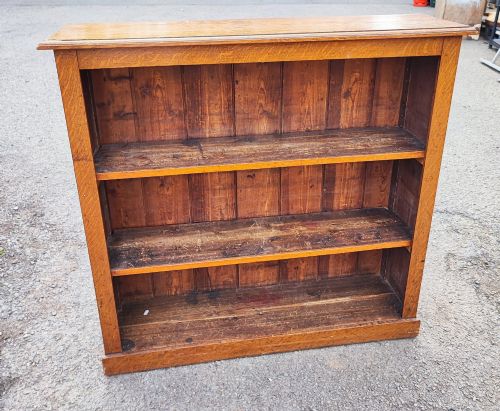
Traditional library units are primarily open bookcases designed for housing books and display collections within domestic settings. When you search for traditional library units, you encounter tall and low formats built to hold substantial volumes. The pieces on this page lean heavily toward Victorian and Edwardian examples, alongside pieces from the 19th century and the early decades of the 20th century.
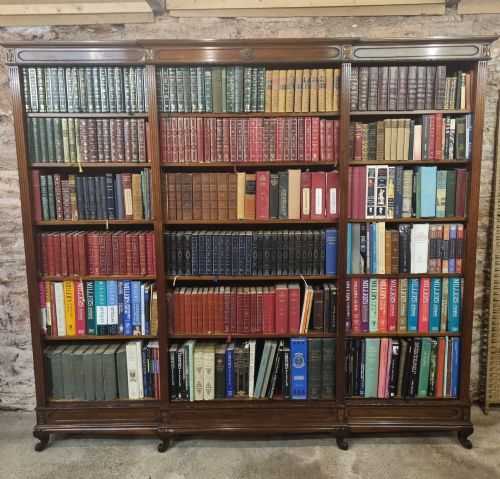
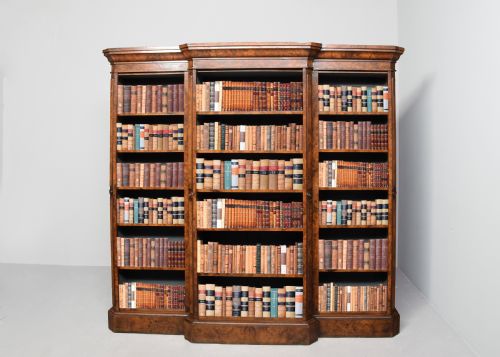
Most entries take the form of open bookcases and shelving configurations rather than enclosed cabinets with glass doors. You find standard rectangular carcasses alongside larger breakfront designs that project forward in sections. These configurations offer immediate access to shelves and provide a commanding architectural presence in a room.
Origins and periods span the Victorian era, the Edwardian period, and interwar years up to 1930. Oak and mahogany dominate the selection, accompanied by walnut, burr walnut, pine, and flame mahogany veneer. Brass details sometimes appear on associated hardware, anchoring these pieces firmly in traditional craftsmanship.
How they were made
Makers utilised solid timbers such as oak, mahogany, walnut, and pine for the main carcasses and structural shelving. Selected pieces incorporate decorative surfaces like flame mahogany veneer and burr walnut to introduce distinct grain patterns across the front facades. Wood selection dictated both the visual weight and the overall durability of each piece.
Construction techniques focused on practical adaptability, evidenced by the inclusion of adjustable shelves across numerous examples. Architectural details were built directly into the woodwork, ranging from dentil cornices and raised galleries to sturdy plinth bases. Brass fixings were integrated where necessary for structural joins or shelving mechanisms.
Traditional Library Units Retail Price Guide 2026
Typical asking prices for traditional library units among the pieces listed under this phrase on Sellingantiques today, from the lower quarter to the upper quarter. They describe what is for sale here now, not the wider market.
Some Edwardian oak bookcases arrive with golden finishes that make entire rooms smell faintly of old polish and ambition.
What varies in quality
The architectural ambition of the carcass separates standard shelving from superior library units. Breakfront forms and pieces featuring dentil cornices or raised galleries demand greater joinery skill than simple rectangular boxes. The presence of Burr walnut or flame mahogany veneer also elevates the visual ambition of a piece.
Internal flexibility influences how effectively a unit functions. Pieces equipped with adjustable shelving systems demonstrate a higher degree of utility than fixed compartments. The handling of secondary timbers and the crispness of mouldings further distinguish standard workshop production from finer cabinet work.
Waring and Gillows
The Traditional Library Units Glossary
- Breakfront
- A piece of furniture where the central section projects forward from the flanking wings. This format creates a dramatic architectural silhouette in larger rooms.
- Dentil cornice
- A moulding decorated with a series of small, rectangular blocks resembling teeth. It sits along the uppermost edge of tall library units.
- Raised gallery
- A low decorative railing or border running along the top surface of a bookcase. It prevents items placed on top from sliding off.
- Plinth base
- A heavy solid block or low platform supporting the base of the bookcase. It anchors the vertical weight of the timber above.
- Flame mahogany veneer
- A thin slice of mahogany timber cut to reveal a characteristic flickering flame-like grain pattern. It was applied to primary surfaces for decorative effect.
Traditional Library Units: Frequently Asked Questions
What are traditional library units used for?
These pieces serve primarily as open storage for large private book collections and display items. Their accessible shelving allows for daily interaction with books while anchoring the room's decorative scheme.
They function equally well in home studies, living rooms, and formal libraries where vertical timber presence matters. The open format provides immediate visibility for book spines and bound volumes.
How do I adjust the shelves?
Many traditional library units feature adjustable shelving systems built into the interior carcass sides. These mechanisms allow owners to alter shelf heights to accommodate books of varying vertical dimensions.
It helps to check the specific upright supports within each bay before repositioning timber shelves. Proper adjustment prevents strain on the resting battens and keeps rows level.
Where should I place a library unit?
These tall wooden pieces require stable wall space away from direct heat sources and strong sunlight. Placing them against a flat, dry interior wall protects the timbers from warping.
Ensure the floor surface is level so the heavy carcass distributes its weight evenly. Adequate clearance allows the architectural cornices and plinth bases to be viewed without obstruction.
How do I identify Victorian library units?
Victorian examples often rely on heavy mahogany or oak construction paired with generous proportions. Look for deep mouldings, plinth bases, and robust timber framing that reflect 19th-century workshop standards.
Many period pieces include adjustable shelving and restrained decorative carving along the top cornice. The weight and density of the primary woods usually signal this era.