




Traditional Leather Lounge
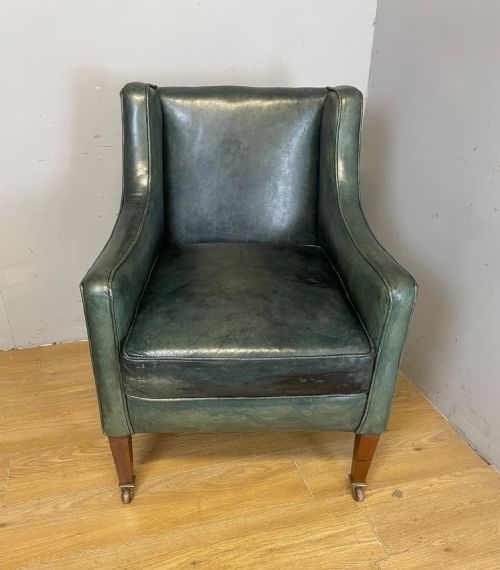
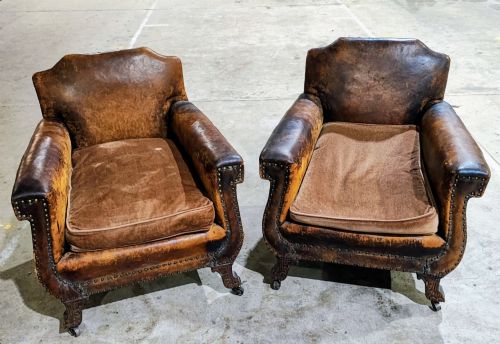
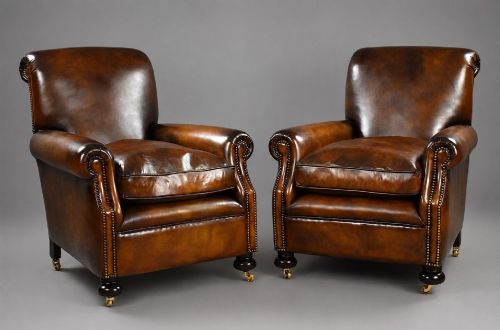
A traditional leather lounge brings together deep buttoned comfort and rich hide, offering enduring seating for a study or library.
Traditional Leather Lounge
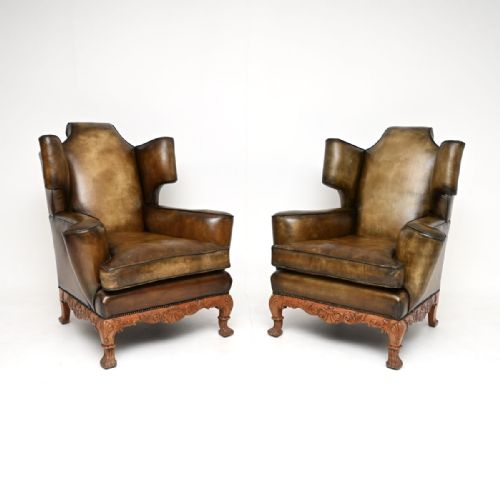
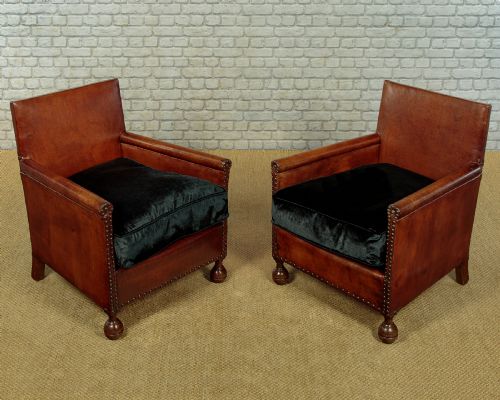
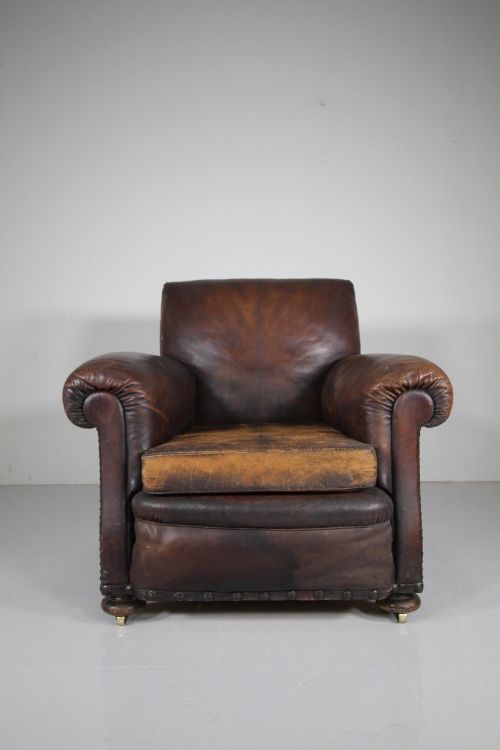
A traditional leather lounge encompasses armchairs, club chairs, wingbacks, and sofas designed for deep seated comfort. The pieces span periods from the nineteenth century through the Edwardian era and the 1930s, showing styles including Victorian, Art Deco, and Georgian style.
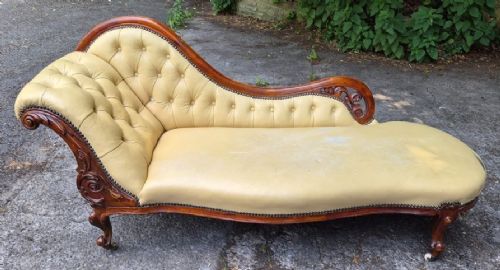
Armchairs and club chairs appear frequently alongside multi seater sofas, chaise longues, and complete lounge suites. Mahogany, oak, and walnut feature heavily in the wooden frames supporting the hide upholstery.
Origins range across English country house designs, French interpretations, and Swedish pieces, providing diverse formal variations within the same functional category.
Materials and construction methods
Frames rely on sturdy timbers such as mahogany, oak, walnut, and general hardwood to support heavy use. Joinery is paired with traditional stuffing materials like horse hair beneath the outer hide.
Leather upholstery is worked into buttoned tufting, spoon backs, and smooth club shapes, often accented with brass details. Wood elements receive hand carving, polished finishes, or turned feet depending on the period.
Listings feature periods from the nineteenth century through the 1930s, utilising mahogany, oak, walnut, and brass.
Judging quality and execution
Quality rests in the substantial weight of the timber frame and the depth of the joinery beneath the upholstery. Heavy mahogany or oak structures support the heavy hide better than lighter alternatives over decades of use.
The suppleness and hand dyeing of the leather distinguish finer examples, particularly where button tufting and horse hair stuffing retain their original firmness. Proportions also matter, as seen in balanced wingbacks and carved club chairs.
Howard & Son's·Heals of London
The Traditional Leather Lounge Glossary
- Club armchair
- A deep seated upholstered chair designed for lounging, typically finished in leather with padded arms.
- Chesterfield
- A large sofa or armchair characterised by deep button tufting and equal height back and arms.
- Wingback
- An armchair featuring protective side panels attached to the arms to deflect drafts from firesides.
- Chaise longue
- An elongated upholstered chair or day bed designed for reclining in a semi seated position.
- Horse hair fill
- A traditional stuffing material utilised within upholstery for firm and resilient padding.
Traditional Leather Lounge: Frequently Asked Questions
How do I identify a Victorian leather armchair?
Victorian armchairs often feature buttoned leather, dark wood frames in mahogany or walnut, and carved details such as cabriole or claw and ball legs.
They emphasise robust construction and deep cushioning suited to formal libraries and studies.
What defines an Art Deco club chair?
Art Deco club chairs from the 1920s and 1930s present rounded, streamlined silhouettes wrapped in smooth caramel, tan, or cigar brown leather.
They prioritize clean lines and low profiles over the ornate carvings of earlier nineteenth century seating.
How should I care for vintage leather?
Maintain vintage hide by keeping it away from direct heat sources and applying appropriate leather conditioners to preserve moisture and flexibility.
Regular dusting and gentle cleaning prevent the surface from drying out while retaining its natural finish.
What is a horse hair fill?
Horse hair fill is a traditional stuffing medium used inside antique upholstery to provide durable support and structure.
It allows the seat to maintain its shape and resilience through decades of regular use.