


Traditional Leather Easy Chair
A traditional leather easy chair brings deep, lived-in comfort and timeless leather texture straight into a room.
Traditional Leather Easy Chair
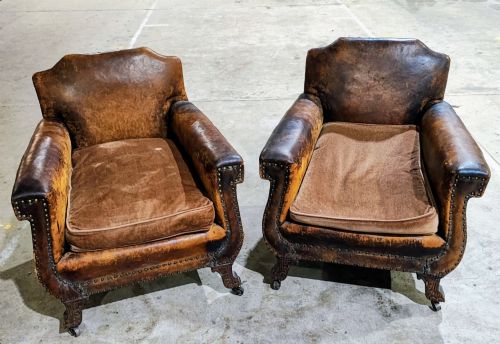
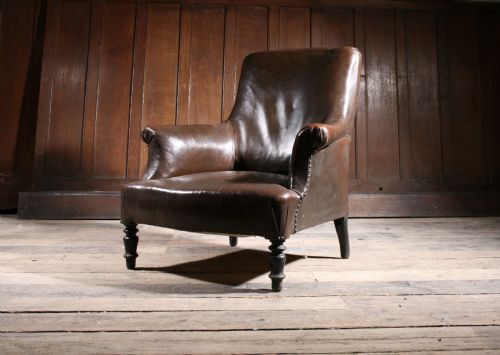
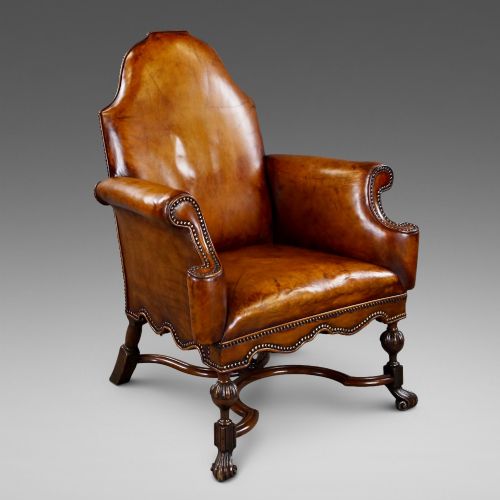
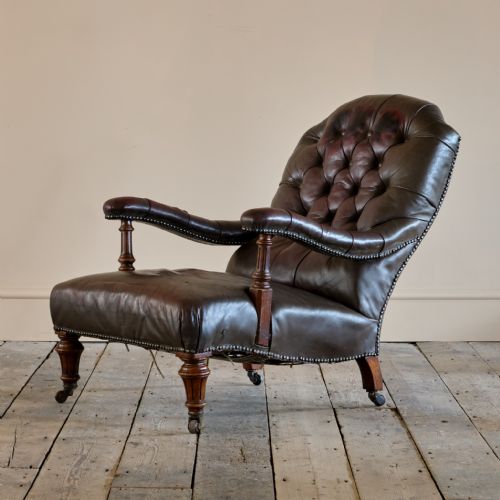
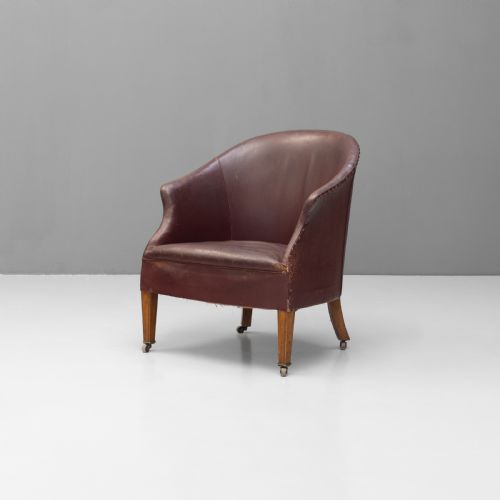
A traditional leather easy chair covers a wide variety of comfortable seating options built for relaxation across multiple centuries and design movements. When exploring this selection, buyers frequently encounter pieces spanning from the Victorian and Edwardian eras up through the 1920s and 1930s.
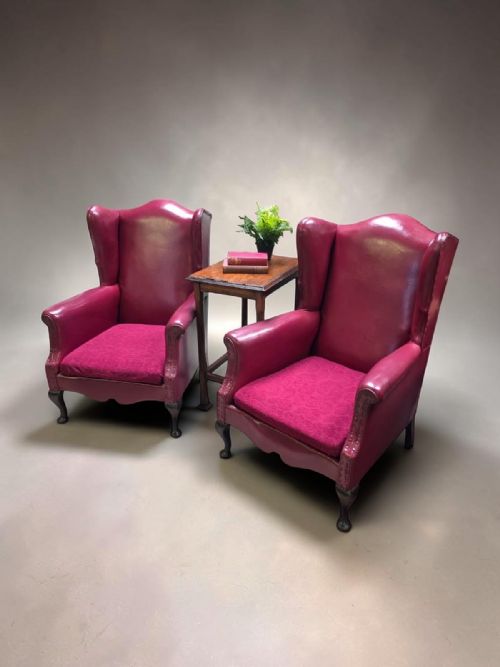
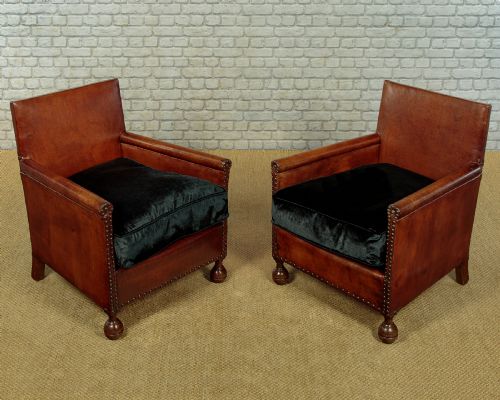
The assortment includes deep club armchairs, high-backed wingchairs, and open armchairs designed for libraries, country houses, and drawing rooms. Regional variations range from English country house styles and French club models to Swedish interpretations and George I revival forms.
Makers and workshops utilised sturdy timber frames upholstered in supple hides, sometimes accompanied by fabric, velvet, or brass accents. These armchairs function as robust, anchor seating pieces that bring character and history to both residential and club interiors.
How they were made
Makers constructed the foundational frames of a traditional leather easy chair using solid hardwoods such as oak, mahogany, walnut, and general timber. These structural skeletons provided the necessary rigidity and weight to support deep seating and sprung interiors.
Upholsterers then applied high-grade leather hides over padding, securing the material meticulously with brass tacks or studs. Additional materials like metal components, brass details, and occasional velvet or fabric elements completed the exterior finish.
What varies in quality
The grade of the leather hide dictates much of the visual depth and tactile richness found in superior examples. Rich patination and supple texture separate finer specimens from stiffer, less responsive alternatives.
Frame construction and timber selection govern the structural integrity and longevity of each armchair. Master carpentry evident in carved details, robust legs like claw and ball feet, and well-balanced proportions define the upper tier of the range.
Howard And Son's
The Traditional Leather Easy Chair Glossary
- Club armchair
- A deep, low-slung upholstered seat designed for maximum lounging comfort. These chairs typically feature rounded backs and generous leather cushions.
- Wingback
- An armchair featuring protective side panels attached to the arms and back. This traditional design historically shielded occupants from drafts.
- Patina
- The surface sheen and soft wear developed on leather over decades of use. Collectors prize this natural ageing for its distinct aesthetic character.
- Tub chair
- A compact seating form characterised by a continuous curved back and armrest. The enclosed shape resembles the rim of an open barrel.
- Claw and ball
- A furniture foot carved to resemble a bird's talon clutching a spherical object. This decorative motif appears frequently on finer period frames.
Traditional Leather Easy Chair: Frequently Asked Questions
What defines a club chair?
A club chair is a deep, low-slung armchair designed primarily for comfort and relaxation. These seats typically feature soft leather upholstery and rounded, supportive backs.
They originated in French and British clubs as substantial furniture pieces built for long hours of reading or conversation.
What is patination?
Patination is the gradual softening and tonal variation that leather develops through decades of handling and exposure. It represents the natural history of the hide rather than artificial distress.
Collectors look for a warm, organic sheen that proves genuine age and continuous use.
Where did country house chairs fit?
Country house armchairs were built for comfort and durability in large rural British estates. They prioritized relaxed proportions and deep padding over strict formal symmetry.
These pieces easily transitioned from drawing rooms to libraries and informal smoking rooms.